
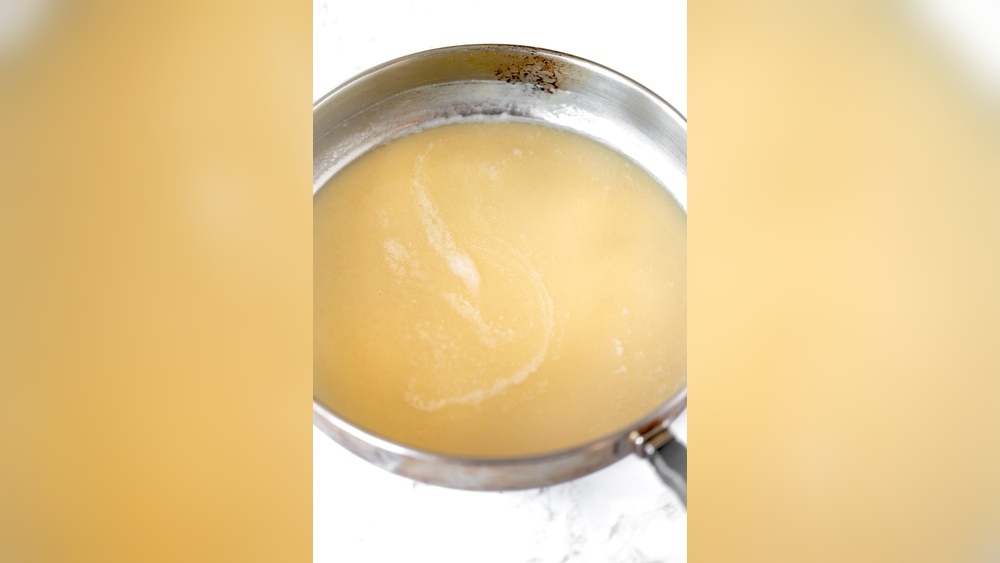
When you’re whipping up a rich, creamy sauce, a velvety soup, or a flaky pie crust, roux is often the foundational element. Traditionally, this essential thickening agent is made by cooking equal parts fat and flour together. Butter, with its rich flavor and smooth texture, is the go-to fat for many chefs and home cooks. However, dietary restrictions, allergies, or simply a lack of butter in the pantry can leave you wondering: how to make roux without butter? The good news is that creating a delicious and effective roux is entirely possible using a variety of alternative fats and oils.
This guide will explore the diverse world of butter-free roux, breaking down the science behind its creation and offering practical alternatives. We’ll cover the different types of fats and oils you can use, their impact on flavor and texture, and provide step-by-step instructions for achieving roux perfection.
Whether you’re aiming for a dairy-free béchamel, a vegan gravy, or simply experimenting in the kitchen, mastering the art of making roux without butter opens up a world of culinary possibilities.
Key Takeaways
- Roux is a fundamental thickening agent made from equal parts fat and flour.
- Butter is traditional but not essential for making roux; numerous alternatives exist.
- Fat choice significantly impacts flavor and color, from neutral oils to richer animal fats.
- Flour type matters, with all-purpose flour being the most common and versatile.
- Cooking time determines the roux’s color and flavor profile, ranging from pale white to deep brown.
- Proper technique involves gradual incorporation of flour into fat and constant stirring to prevent scorching.
- Alternative fats like oils, animal fats, and margarines can successfully replace butter in roux.
- Dairy-free and vegan roux are achievable with plant-based fats and milks.

Understanding The Science Of Roux
At its core, a roux is a cooked mixture of fat and flour. The heat applied to this mixture gelatinizes the starch molecules in the flour, allowing them to absorb liquid and thicken sauces, soups, and gravies. The fat coats the flour particles, preventing them from clumping together when liquid is added and ensuring a smooth, lump-free result. The cooking process also toasts the flour, reducing its raw, starchy taste and developing different flavor profiles depending on the cooking time.
The ratio of fat to flour is typically 1:1 by weight, though some recipes may call for slight variations. This ratio ensures that there is enough fat to properly coat all the flour particles and enough flour to effectively thicken the intended liquid. Understanding this fundamental principle allows for flexibility when substituting ingredients.
The Role Of Fat
The fat in a roux serves several crucial functions:
- Lubrication: It coats the flour particles, preventing them from sticking together and forming lumps when liquid is introduced.
- Flavor Carrier: Fats absorb and carry flavors, contributing to the overall taste of the final dish. Different fats impart distinct flavors, from the subtle nuttiness of browned butter to the richness of animal fats.
- Color Development: The fat helps to distribute heat evenly, aiding in the browning process of the flour, which directly influences the color and flavor of the roux.
The Role Of Flour
Flour is the starch component that provides the thickening power.
- Starch Gelatinization: When heated with liquid, the starch granules in the flour swell and absorb moisture, releasing amylose and amylopectin. These molecules create a viscous network that thickens the liquid.
- Flavor Transformation: Raw flour has a distinct starchy taste. Cooking the flour in fat toasts it, transforming its flavor from raw and unpleasant to nutty, toasty, and even deeply caramelized, depending on the cooking duration.
- Structural Integrity: The cooked flour-starch matrix provides body and texture to sauces and gravies.
The Impact Of Cooking Time And Temperature
The duration and intensity of cooking a roux dramatically alter its characteristics:
- White Roux: Cooked for only 1-3 minutes, just until the raw flour smell disappears. It remains pale yellow and has minimal flavor development but offers the maximum thickening power. It’s ideal for delicate white sauces like béchamel, cream soups, and cheese sauces where a neutral flavor is desired.
- Blond Roux: Cooked for about 5-7 minutes, until it turns a light golden or straw color. It has a slightly nutty aroma and a bit less thickening power than white roux. This is excellent for gravies, lighter cream sauces, and dishes where a subtle toasty flavor is welcome.
- Brown Roux: Cooked for 10-20 minutes or more, until it reaches a rich brown or reddish-brown color. This roux has a deep, nutty, and sometimes slightly bitter flavor profile. Its thickening power is significantly reduced because the starches have been heavily cooked, but it imparts a robust flavor. It’s perfect for darker sauces, gumbos, and stews.
- Dark Brown or “Chocolate” Roux: Cooked for an extended period (often 30 minutes or longer), until it’s a deep, dark brown, resembling chocolate. This roux has the least thickening power but the most intense, complex, nutty, and toasted flavor. It is crucial for authentic gumbo and other dishes where a deep, savory flavor is paramount.
Warning: Overcooking any roux can lead to burning. If you see black flecks or smell a burnt aroma, discard it and start over, as the bitterness will ruin your dish.

Alternative Fats For Roux
The beauty of roux lies in its adaptability. When butter isn’t an option, a wide array of other fats and oils can step in, each bringing its own unique qualities to the table. The key is to select a fat that complements the flavors of your dish and has a suitable smoke point for the cooking time required.
Vegetable Oils
Vegetable oils are a popular and versatile choice for butter-free roux, particularly for vegan and dairy-free cooking. They offer a neutral flavor and a high smoke point, making them suitable for all types of roux.
- Canola Oil: A neutral-flavored oil with a high smoke point. It’s widely available and budget-friendly.
- Sunflower Oil: Also neutral and good for higher heat cooking.
- Grapeseed Oil: A very neutral oil with a high smoke point, making it excellent for delicate sauces where you don’t want any competing flavors.
- Avocado Oil: Has a very high smoke point and a mild flavor, making it suitable for darker rouxs.
- Olive Oil (Extra Virgin): While it has a lower smoke point and a distinct flavor, a light or refined olive oil can be used for lighter rouxs if its flavor is complementary. Extra virgin olive oil is generally not recommended for darker rouxs due to its flavor and lower smoke point.
Pro Tip: When using neutral vegetable oils, the flavor of the roux will primarily come from the toasted flour. This can be advantageous if you want the other ingredients in your dish to shine.
Animal Fats
For those not adhering to vegetarian or vegan diets, animal fats offer rich flavors and excellent emulsifying properties for roux.
- Bacon Fat (Lard): Rendered bacon fat lends a smoky, savory depth to roux. It’s perfect for gravies served with pork or breakfast dishes. Its distinct flavor is best suited for brown or dark brown rouxs where it can meld with other robust flavors.
- Bacon Drippings: The liquid fat left after cooking bacon. Similar to lard, it adds a smoky, salty dimension.
- Duck Fat: Imparts a rich, slightly sweet, and luxurious flavor. It’s a fantastic choice for gravies and sauces intended for poultry dishes.
- Chicken Fat (Schmaltz): Offers a milder, yet still rich, poultry flavor. Excellent for gravies accompanying chicken or turkey.
- Beef Tallow: Provides a deep, savory, and beefy flavor. Best used in dark rouxs for beef-based stews or gravies.
Example: Imagine making a classic gumbo. While butter is sometimes used, traditionalists often opt for a dark roux made with animal fats like bacon drippings or lard to achieve that signature deep, smoky flavor profile that is crucial to the dish.
Margarine And Shortening
These are processed fats that can mimic the texture and function of butter in roux, though flavor can vary.
- Vegetable Shortening: A solid fat that is 100% fat, making it very stable. It has a neutral flavor and a high smoke point, making it a good option for all roux colors, especially for achieving a very light roux or for vegan applications.
- Margarine: Can be used, but choose one with a higher fat content (around 80%) and a neutral flavor. Some margarines contain water, which can cause sputtering and affect the roux’s consistency. Flavored margarines can also impart unwanted tastes. Look for vegan butter alternatives that are specifically designed for cooking.
Coconut Oil
Refined coconut oil has a neutral flavor and a high smoke point, making it a suitable vegan alternative for roux. Unrefined coconut oil has a distinct coconut flavor, which may or may not be desirable depending on the dish.
Types Of Flour For Roux
While all-purpose flour is the most common choice, other flours can be used, though they may alter the texture and thickening power of the roux.
- All-Purpose Flour: The standard for most roux recipes. Its balanced protein content creates a reliable thickening agent. It’s versatile and works well for white, blond, and brown rouxs.
- Bread Flour: Has a higher protein content than all-purpose flour. This can result in a slightly chewier texture and a stronger thickening power. It’s generally not preferred for delicate sauces.
- Cake Flour / Pastry Flour: Have lower protein content. They will produce a more tender result but may not thicken as effectively as all-purpose flour. They are better suited for lighter sauces where a delicate texture is paramount.
- Whole Wheat Flour: Can be used, but it will impart a nutty, whole-grain flavor and a darker color to the roux, even at the white stage. It also has a lower thickening power and can sometimes result in a slightly gritty texture. Best used in rustic dishes where its flavor is a welcome addition.
- Gluten-Free Flour Blends: For those requiring gluten-free options, a 1:1 gluten-free baking blend (often containing rice flour, tapioca starch, and potato starch) can be used. The results can vary depending on the blend’s composition, and it may require some experimentation to achieve the desired consistency. Some blends might require a slightly different ratio or cooking time.
- Cornstarch or Arrowroot Starch: While not technically a roux (as they don’t involve fat), these can be used as thickeners. They are typically mixed with cold water to create a slurry and then whisked into a hot liquid. They provide a glossier finish than roux and are often used for fruit sauces or clear gravies.
Pro Tip: For a gluten-free roux, ensure your blend contains a good proportion of starches (like tapioca or potato starch) alongside a flour base (like rice flour) for optimal thickening.
Making Roux Without Butter: Step-by-step
Creating a successful roux without butter follows the same fundamental principles as making one with butter: equal parts fat and flour, cooked gently and stirred constantly. The primary difference lies in the choice of fat and potentially its flavor contribution.
Basic Roux Ratios
- For thickening sauces, gravies, and soups: A 1:1 ratio by weight is standard. For example, 2 ounces (approx. 1/4 cup) of fat to 2 ounces (approx. 1/2 cup) of flour.
- For pie crusts or laminated doughs: The ratio can vary, but often uses a higher proportion of fat to flour to create flakiness.
Equipment Needed
- Heavy-bottomed saucepan or skillet: This is crucial for even heat distribution and preventing scorching. Cast iron or stainless steel pans work well.
- Whisk: Essential for incorporating the flour into the fat smoothly and for continuous stirring. A flat-bottomed whisk can be helpful for scraping the bottom of the pan.
- Measuring cups and spoons or a kitchen scale: For accurate measurement of fat and flour.
Method For White Or Blond Roux (using Oil As An Example)
- Measure Ingredients: Weigh or measure equal parts of your chosen fat (e.g., 2 tablespoons of canola oil) and flour (e.g., 2 tablespoons of all-purpose flour).
- Heat the Fat: Place the saucepan over medium-low heat. Add the fat and allow it to heat up gently. If using an oil, it will become liquid. If using a solid fat like shortening or vegan butter, let it melt completely. Avoid overheating; you don’t want the fat to smoke.
- Add the Flour: Gradually whisk the flour into the melted fat. Continue whisking until the mixture is smooth and there are no dry lumps of flour. It will resemble a thick paste.
- Cook the Roux: This is where the cooking time dictates the roux’s color and flavor.
- For White Roux: Cook, stirring constantly, for 1-3 minutes. The mixture will bubble gently. You are just cooking out the raw flour taste. The color should remain pale yellow.
- For Blond Roux: Continue cooking and stirring for another 4-5 minutes (total 5-7 minutes). The mixture will thicken slightly and turn a pale golden color. You’ll notice a faint nutty aroma.
- Use or Cool: Once the desired color is reached, you can either immediately add your liquid (cold liquid into a hot roux, or hot liquid into a cold roux, is best to prevent lumps) or remove the pan from the heat to cool the roux if it’s not being used immediately.
Method For Brown Roux (using Bacon Fat As An Example)
- Render and Strain Fat (if necessary): If using unrendered bacon, cook it until crisp, then reserve the rendered fat. Strain the fat through a fine-mesh sieve to remove any solids. Measure out the required amount of fat (e.g., 2 tablespoons).
- Heat the Fat: Place a heavy-bottomed skillet over medium heat. Add the bacon fat.
- Add Flour: Gradually whisk in the flour until a smooth paste forms.
- Cook and Stir: This is the most critical step for brown roux. Reduce the heat to medium-low to prevent burning. Stir *constantly* and scrape the bottom and sides of the pan. The mixture will start to bubble and gradually darken.
- For Brown Roux: Continue cooking and stirring for 10-20 minutes. The color will progress from pale yellow to golden, then to a peanut-butter color, and finally to a rich brown. The aroma will become deeply nutty and toasted.
- For Dark Brown/Chocolate Roux: Continue cooking and stirring for 20-30 minutes or longer, until it reaches a deep, dark brown color, similar to dark chocolate. Be extremely vigilant, as it can go from perfectly browned to burnt in seconds.
- Use Immediately: Brown rouxs are best used immediately as they can burn if left sitting. Whisk in your liquid (usually hot liquid into a hot roux for darker rouxs, or cold liquid into hot roux for less risk of lumps, but practice makes perfect).
Key to Success for Dark Rouxs: Low and slow heat, constant stirring, and patience are paramount. The fat must be hot enough to toast the flour, but not so hot that it burns.
Roux Alternatives: Thickeners Without Fat
While roux is a cornerstone of many cuisines, there are situations where you might want to thicken liquids without using any fat at all. These methods are often quicker and can be suitable for specific dietary needs or desired textures.
Slurries
A slurry is a mixture of a starch (like cornstarch, potato starch, or arrowroot powder) and a cold liquid (water, broth, or wine).
- Proportion: Typically, 1-2 tablespoons of starch per cup of liquid you want to thicken.
- Preparation: In a small bowl, whisk the starch with an equal amount of cold liquid until completely smooth.
- Application: Bring your sauce, soup, or gravy to a simmer. Gradually whisk in the slurry. Continue to simmer and stir for 1-2 minutes until the liquid thickens.
Pros: Quick, fat-free, creates a glossy finish.
Cons: Can sometimes impart a slightly starchy or gummy texture if too much is used or if not cooked sufficiently. Does not add flavor like a roux. Cornstarch can break down if cooked for too long or frozen. Arrowroot and potato starch are more stable.
Beurre Manié
This is essentially a roux made with softened butter and flour kneaded together into a paste, but it’s added to the liquid *after* it has already started cooking. It’s used to finish and thicken sauces.
- Preparation: Knead together equal parts softened butter and flour (e.g., 1 tablespoon each) to form a smooth paste.
- Application: Whisk small pieces of the beurre manié into a simmering liquid, a little at a time. Whisk until each addition is incorporated and the sauce thickens before adding more.
- Simmer: Allow the sauce to simmer for a few minutes to cook out the raw flour taste and fully activate the thickening power.
Pros: Quick way to thicken sauces at the end of cooking, adds richness from the butter.
Cons: Not suitable for dairy-free or vegan diets. Adds extra fat and calories.
Pureed Vegetables
Certain cooked vegetables can act as natural thickeners due to their starch or fiber content.
- Potatoes: Boiled and mashed or pureed potatoes can thicken soups and stews.
- Beans/Legumes: Pureed white beans (like cannellini) or lentils can add body and creaminess to soups and sauces.
- Squash/Pumpkin: Pureed cooked squash or pumpkin adds thickness, color, and flavor.
Pros: Adds nutrients, fiber, and flavor. Fat-free and often vegan.
Cons: Alters the flavor and color of the final dish. May require blending for a smooth consistency.
Reduction
Simply simmering a liquid uncovered allows water to evaporate, concentrating the flavors and naturally thickening the sauce.
Pros: Enhances flavor, fat-free, no added ingredients needed.
Cons: Time-consuming. Can concentrate unwanted flavors or saltiness if not careful. Not suitable for very thin liquids or when a thickener is needed quickly.
Popular Dishes Made With Roux (and Butter-free Adaptations)
Roux is the backbone of countless culinary creations. Understanding how to adapt these dishes without butter is key to expanding your cooking repertoire.
Béchamel Sauce (white Sauce)
Traditionally made with butter, flour, and milk.
- Butter-Free Adaptation: Use a neutral oil (like canola or grapeseed) or vegan butter for the roux. Use unsweetened plant-based milk (like soy, oat, or almond milk) instead of dairy milk.
- Flavor Profile: The neutral oil will result in a very clean béchamel, allowing the flavor of the plant-based milk and any added seasonings (nutmeg, salt, pepper) to come through.
Gravy
Typically made with pan drippings (often from butter-basted meats) and flour.
- Butter-Free Adaptation: Use rendered animal fats (bacon drippings, chicken fat) or a neutral oil if no drippings are available. If using pan drippings from meat cooked without butter, these are your fat base.
- Flavor Profile: Using bacon fat will impart a smoky, savory depth. Chicken fat will add a subtle poultry richness. Neutral oil will result in a gravy whose flavor comes primarily from the drippings and seasonings.
Gumbo
A classic Creole stew known for its deeply flavored, dark roux.
- Butter-Free Adaptation: Traditionally made with oil or lard, not butter. A dark brown or chocolate roux is essential. Cooked vegetable oil is a common choice, but rendered animal fats also work well.
- Flavor Profile: The dark roux provides a complex, nutty, and slightly bitter foundation that is characteristic of authentic gumbo. The choice of fat influences this depth.
Cheese Sauce
Often starts with a béchamel base.
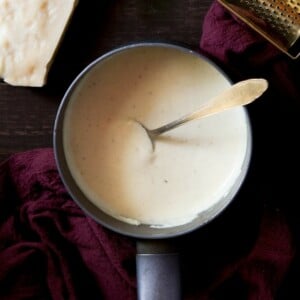
- Butter-Free Adaptation: Prepare a butter-free béchamel as described above (using oil or vegan butter and plant-based milk). Stir in your cheese at the end.
- Flavor Profile: Similar to béchamel, the flavor will be clean, allowing the cheese to be the star.
Soups (creamy Soups)
Many creamy soups, like tomato or mushroom soup, use roux for body.
- Butter-Free Adaptation: Sauté aromatics (onions, garlic) in oil, then add flour to make a blond roux before adding broth and pureed vegetables or other soup ingredients. Use plant-based milk or cream if a dairy-free version is desired.
- Flavor Profile: The roux adds body and a smooth texture without an overpowering flavor, especially if using a blond roux.
Comparison Table: Roux Fats and Their Impact
| Fat Type | Flavor Profile | Smoke Point | Best For Roux Color | Notes |
|---|
Leave a Reply