
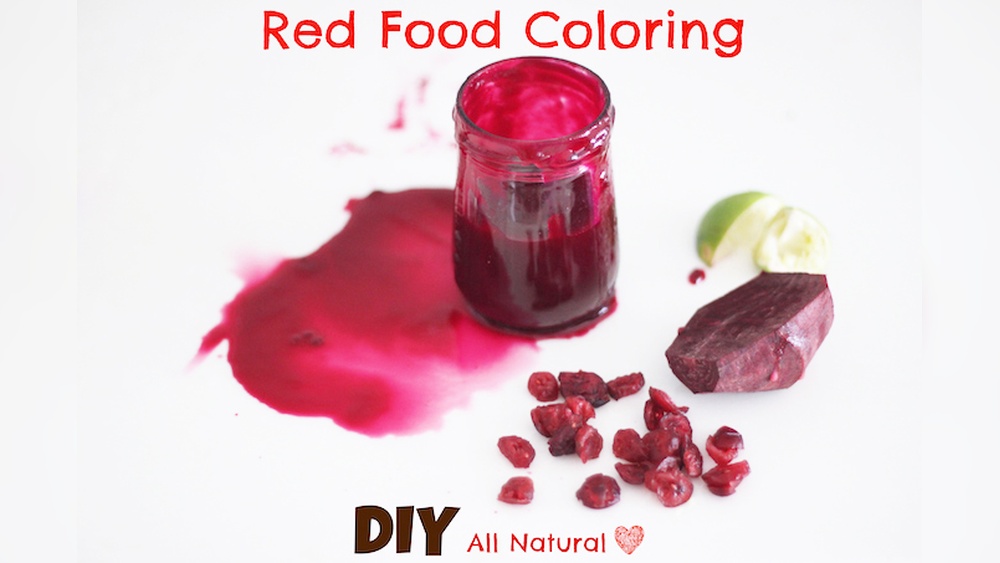
Creating a vibrant red hue for culinary creations can elevate a dish from ordinary to extraordinary. Whether you’re aiming for the perfect ruby glaze on a cake, a striking crimson for pasta dough, or a deep scarlet for a festive beverage, understanding how to achieve this popular color is a valuable skill for any home cook or baker.
While artificial food dyes are readily available, many people are seeking natural alternatives that offer both visual appeal and a cleaner ingredient profile. This pursuit leads to exploring various ingredients and methods that can impart a rich red color without relying on synthetic chemicals.
The journey to a perfect red dye often involves a bit of experimentation, as different ingredients yield varying shades and intensities. Factors such as the ingredient’s natural pigment concentration, the cooking method used, and the pH of the food it’s being added to can all influence the final outcome.
Fortunately, nature provides a bounty of options, from common fruits and vegetables to less conventional but equally effective sources. By understanding the properties of these natural colorants, you can confidently select the best method to achieve the desired red for your culinary masterpieces, ensuring both aesthetic appeal and a wholesome approach to food preparation.
Key Takeaways
- Natural Red Dyes Offer Healthier Alternatives: Many natural ingredients provide vibrant red hues without the synthetic additives found in commercial dyes.
- Beetroot is a Versatile Red Source: Beetroot powder and juice are potent natural red colorants suitable for baking, drinks, and savory dishes.
- Berries Provide Rich, Fruity Reds: Concentrated juices or purees from raspberries, strawberries, and cranberries can create beautiful red shades.
- Pomegranate Offers Tartness and Color: Pomegranate juice, when reduced, yields a deep red color with a unique flavor profile.
- Hibiscus and Rose Hips Add Floral Reds: These flowers can infuse water or liquids with stunning red and pink tones, often with tart or floral notes.
- Paprika and Chili Powders Lend Earthy Reds: For savory applications, paprika and certain chili powders offer warm, red-brown hues.
- Extraction Methods Matter: Boiling, simmering, and concentrating are common techniques to intensify natural red pigments.
- PH Sensitivity is Key: Some natural red dyes change color with pH variations; acidic conditions often enhance red tones.

Harnessing Nature’s Palette: The Power Of Beetroot
Beetroot, with its intense, earthy flavor and stunning deep red-purple hue, is arguably the most popular and accessible natural ingredient for creating red food dye. Its pigment, betalain, is water-soluble and remarkably stable under various cooking conditions, making it a versatile choice for a wide range of applications. From vibrant pink frosting to a rich red pasta dough, beetroot offers a potent and natural coloring solution.
Beetroot Powder: The Concentrated Powerhouse
Beetroot powder is a highly concentrated form of dried beetroot. It’s produced by dehydrating fresh beetroots and then grinding them into a fine powder. This process removes most of the water content, leaving behind a potent source of betalain. The advantage of using beetroot powder is its convenience and intensity. A small amount can produce a significant color impact, and it’s less prone to altering the texture of your final product compared to using large quantities of fresh beetroot juice.
To make beetroot powder at home, you can either use a dehydrator or a low-temperature oven. Slice fresh beetroots thinly, arrange them in a single layer on dehydrator trays or baking sheets, and dry them until completely brittle. Once dry, grind them into a fine powder using a spice grinder or a high-powered blender.
Store the powder in an airtight container in a cool, dark place.
When using beetroot powder, it’s best to dissolve it in a small amount of liquid (water, milk, or oil, depending on your recipe) before incorporating it into your batter or mixture. This ensures even distribution and prevents clumps. The resulting color will range from a bright pink to a deep crimson, depending on the quantity used and the base it’s mixed with. For instance, in buttercream frosting, it can produce a beautiful pastel pink or a vibrant rose color.
Beetroot Juice: Freshness And Flexibility
Fresh beetroot juice is another excellent way to introduce red coloring into your food. Juicing raw beetroots yields a liquid rich in betalains. The intensity of the color will depend on the freshness and type of beetroot used. While it’s less concentrated than powder, fresh juice offers a more vibrant and natural-looking color, often with a slightly earthy undertone that can be masked or complemented by other flavors.
To extract beetroot juice, wash and chop fresh beetroots (peeling is optional but can reduce earthiness). Pass them through a juicer. If you don’t have a juicer, you can finely grate the beetroot, place it in a cheesecloth or nut milk bag, and squeeze out the juice.
The primary challenge with beetroot juice is its water content. Adding too much can affect the consistency of your recipe, potentially making batters too thin or sauces too watery. Therefore, it’s often recommended to reduce the juice by simmering it gently in a saucepan until it thickens and the color intensifies. This concentrated juice can then be used more effectively without drastically altering your recipe’s texture. For example, reducing beetroot juice can create a potent coloring agent for candies or glazes.
Pro Tip: Beetroot’s color can be affected by pH. In acidic environments (like those with lemon juice or vinegar), the color tends to lean more towards a vibrant pink or red. In alkaline environments, it might shift towards a more purplish or brownish hue. Understanding this can help you fine-tune the exact shade you desire.

The Sweetness Of Berries: Raspberry, Strawberry, And Cranberry
Berries are nature’s jewels, offering a delightful combination of flavor, sweetness, and vibrant colors, including various shades of red. Raspberries, strawberries, and cranberries are particularly good sources for natural red food dyes due to their high pigment content. While their flavors are distinct, their coloring potential is significant, especially when their juices are concentrated.
Raspberry And Strawberry: Delicate Pinks And Reds
Raspberries and strawberries are beloved for their sweet and slightly tart profiles. Their natural red pigments can be extracted to create beautiful, natural food coloring. The resulting color is often a softer, brighter red or pink compared to the deeper hues of beetroot. This makes them ideal for delicate desserts, icings, and confections where a less intense, more natural-looking color is desired.
To make a coloring from raspberries or strawberries, you can start by pureeing the fresh or frozen fruit. Then, strain the puree through a fine-mesh sieve or cheesecloth to remove seeds and pulp, yielding a smooth juice. For a more concentrated color, simmer the strained juice gently until it reduces and thickens.
This process not only intensifies the color but also helps to preserve it, making it more stable for use in baking.
One significant advantage of using berry-based dyes is the complementary flavor they add. A strawberry-infused frosting will have a subtle, pleasant berry note that enhances the overall taste of the dessert. However, this also means they are best suited for recipes where a berry flavor is welcome.
Cranberry: Tartness And Vibrant Crimson
Cranberries offer a more intensely tart flavor and a deep, vibrant red color. They are particularly effective for creating a striking crimson hue. Due to their high acidity, cranberries often yield a brighter, more stable red color, especially in baked goods.
Making cranberry coloring involves cooking the cranberries until they burst, then straining the pulp to obtain the juice. Similar to other berries, reducing the juice by simmering is crucial to concentrate the color and make it suitable for dyeing purposes. This concentrated cranberry liquid can be used in cakes, cookies, or even savory glazes where a touch of tartness and a bold red color are desired.
A potential challenge with berry dyes is their tendency to fade over time or with prolonged exposure to heat and light, although reduction and careful storage can mitigate this. For recipes requiring long baking times at high temperatures, beetroot might offer a more stable color. However, for immediate consumption or less intense heat applications, berry dyes provide a wonderfully natural and flavorful alternative.
Exotic Hues: Pomegranate, Hibiscus, And Rose Hips
Beyond common fruits and vegetables, several other natural ingredients can provide unique and beautiful red and pinkish-red tones. Pomegranates offer a deep, jewel-like red with a distinct tartness, while hibiscus and rose hips lend floral notes and vibrant magenta or crimson shades, often with a pleasant tang.
Pomegranate: Jewel Tones And Tangy Notes
Pomegranate juice is known for its rich, ruby-red color and its complex flavor profile, balancing sweetness with a pronounced tartness. This makes it an interesting option for coloring foods where its unique taste can be appreciated, such as in glazes for meats, dressings, or even certain types of pastries.
To create a concentrated red dye from pomegranate juice, the most effective method is reduction. Simmering the juice over low heat allows the water to evaporate, concentrating the sugars and pigments. As it reduces, the juice will thicken to a syrup-like consistency, and its color will deepen significantly, transforming into a potent red coloring agent. This process not only intensifies the color but also makes it more stable and less likely to dilute the base recipe.
A key consideration when using pomegranate concentrate is its flavor impact. The tartness can be quite noticeable, so it’s best employed in recipes that can either balance or complement this characteristic. For example, it can be used to add a beautiful red tint and a subtle tang to a vinaigrette or a reduction sauce for duck or pork.
Hibiscus Flowers: Vibrant Magenta And Floral Tartness
Hibiscus flowers, particularly the dried calyces of *Hibiscus sabdariffa*, are renowned for their ability to infuse liquids with a stunningly vibrant magenta or deep red color. This botanical wonder is often used to make beverages like agua de Jamaica or as a natural dye for food products. The resulting color is bright, eye-catching, and has a distinct floral aroma and a sharp, tart flavor.
To extract the color from dried hibiscus flowers, you typically steep them in hot water. The longer they steep, the deeper and more intense the red color will become. For a concentrated dye, you can then simmer the infused liquid to reduce its volume, similar to how berry juices are concentrated.
Hibiscus coloring is particularly well-suited for beverages, jellies, and frostings. Its tartness can add a refreshing counterpoint to sweet dishes, and its vibrant hue is visually striking. However, it’s important to note that hibiscus’s color can be pH-sensitive. In more acidic conditions, it tends to appear brighter red, while in neutral or alkaline conditions, it may lean towards a purplish or bluish-red. This property can be leveraged to achieve specific shades. For instance, adding a tiny amount of lemon juice to a hibiscus-infused cream can shift the color towards a more desirable red.
Rose Hips: Subtle Reds And Vitamin C Boost
Rose hips, the fruit of the rose plant, are another natural source of red color, often yielding a more subtle, pinkish-red hue. They are also packed with Vitamin C, offering a nutritional bonus. Rose hips can be used fresh or dried to create dyes.
The process usually involves simmering rose hips in water to release their color and flavor. Like hibiscus, they have a tart taste. Straining the mixture thoroughly is essential to remove the seeds and fuzzy hairs inside the hips, which can be irritating.
The resulting liquid can be reduced to intensify its color.
Rose hip coloring is best suited for applications where a gentle red tint is desired, such as in light-colored icing, delicate pastries, or even in homemade jams where their subtle color and tartness can be a pleasant addition. Their nutritional value also makes them an attractive choice for health-conscious cooks.
Savory Shades: Paprika And Chili Powders
While fruits and vegetables often provide bright reds and pinks, certain spices can offer deeper, more earthy red and reddish-brown tones, particularly useful in savory cooking. Paprika and various chili powders are excellent examples. These spices not only add color but also contribute distinct flavors, ranging from sweet and mild to intensely hot.
Paprika: From Sweet To Smoked, Versatile Reds
Paprika, derived from ground dried peppers, is a staple in many cuisines for its ability to impart a warm, reddish hue. The color intensity and flavor profile of paprika vary significantly depending on the type of pepper used and the processing method.
- Sweet Paprika: This is the most common type, offering a mild flavor and a bright red color. It’s excellent for adding a general reddish tint to dishes like stews, goulash, deviled eggs, or sauces without adding significant heat.
- Smoked Paprika (Pimentón): Made from peppers that have been smoked before grinding, this paprika has a deep, rich red color and a distinct smoky flavor. It’s ideal for rubs, marinades, and dishes where a smoky undertone is desired, such as roasted meats or paella.
- Hot Paprika: This variety uses hotter pepper varieties and provides both heat and a strong red color.
To use paprika as a dye, it’s often incorporated directly into the dish. For a more concentrated effect or to create a smoother coloring agent, you can bloom paprika in oil or butter over low heat. This process releases its pigments and flavor more effectively. Be cautious not to burn the paprika, as this can result in a bitter taste. A paprika-infused oil can then be used as a base for sauces, dressings, or drizzled over finished dishes for both color and flavor.
Chili Powders: Heat And Deep Reds
Various chili powders, made from ground dried chili peppers, can also serve as red coloring agents, especially when a touch of heat is desired. The color ranges from bright red to deep reddish-brown, depending on the chili variety.
- Ancho Chili Powder: Made from dried poblanos, it offers a mild heat and a rich, dark red color.
- Chipotle Chili Powder: Made from smoked jalapeños, it provides smoky flavor and a deep reddish-brown hue.
- Cayenne Pepper: A finer powder with a significant heat level and a bright red color.
Similar to paprika, chili powders can be bloomed in oil to enhance their color and flavor. When using chili powders for coloring, it’s crucial to consider the heat level they will impart. If you only want color without excessive spice, opt for milder varieties like ancho or sweet paprika, or use hot chili powders very sparingly. For instance, a pinch of cayenne pepper can add a beautiful red blush to a creamy soup or a batch of homemade pasta.
When using these spice-based colorants, remember that their primary purpose is often flavor. The color is a beneficial byproduct. Their earthy tones are best suited for savory applications, adding depth and visual appeal to a wide array of dishes.
Methods For Extraction And Concentration
Achieving a vibrant and stable red color from natural ingredients often requires specific extraction and concentration techniques. The goal is to maximize the pigment extraction while minimizing water content and potential degradation of the color compounds. Understanding these methods can significantly improve the effectiveness of your homemade natural food dyes.
Simmering And Reduction: The Core Techniques
The most common and effective methods for extracting and concentrating natural red dyes involve simmering and reduction.
- Simmering: This involves gently heating the chosen ingredient (like berries, beetroot, or hibiscus) in water or another liquid. Simmering helps to break down the cellular structure of the ingredients, releasing the pigments into the liquid. It’s important to use a low to medium heat and avoid a rolling boil, which can degrade some delicate pigments and alter flavors undesirably. The duration of simmering depends on the ingredient; fruits might require less time than root vegetables.
- Reduction: Once the pigment has been sufficiently extracted through simmering, the liquid is often reduced. This is achieved by continuing to heat the liquid over low to medium heat, allowing the water to evaporate. As the liquid reduces, the pigments and any other soluble solids become more concentrated, leading to a more intense color. The resulting liquid will thicken, often to a syrup-like consistency. This concentrated form is more potent and less likely to dilute the final dish’s texture or flavor profile.
Example: To make a concentrated raspberry dye, you would first simmer mashed raspberries in a small amount of water until the color is well-infused. Then, you would strain the liquid and continue to simmer the strained juice over low heat until it has reduced by half or more, becoming syrupy and deeply red.
Infusion And Steeping: For Delicate Colors
For ingredients like hibiscus flowers or certain dried berries, infusion or steeping can be a gentler method of extraction. This involves pouring hot (but not necessarily boiling) liquid over the ingredients and allowing them to steep for a period, similar to making tea.
- Hibiscus: Steep dried hibiscus flowers in hot water for 10-30 minutes, depending on the desired intensity.
- Rose Hips: Simmering is often preferred for rose hips to ensure full pigment release, but a strong infusion can also work.
While infusion is less aggressive and can preserve delicate flavors and colors, it may result in a less concentrated pigment compared to simmering and reduction. The resulting liquid can then be reduced further if a more potent dye is required.
Using A Blender And Straining: For Smoothness
For ingredients like beetroot or fresh berries, using a blender can help break down the material efficiently, aiding pigment release.
- Blend: Combine the ingredient (e.g., chopped beetroot, fresh berries) with a small amount of liquid. Blend until smooth.
- Strain: Pass the blended mixture through a fine-mesh sieve, cheesecloth, or a nut milk bag. Press down firmly to extract as much liquid as possible. This step is crucial for removing pulp and seeds, resulting in a smooth dye.
The strained liquid can then be used as is or reduced further for a more concentrated color. This method is particularly useful for creating vibrant red juices for drinks or smooth colorants for frostings.
Factors Affecting Color Stability And Intensity
The effectiveness of your homemade red food dye isn’t just about the extraction method; several external factors can influence the final color’s intensity and how long it lasts. Understanding these can help you achieve better results and troubleshoot common issues.
Ph Levels: A Critical Factor
The pH level of your food or beverage can dramatically alter the color produced by natural dyes, especially those derived from anthocyanins (found in berries and red cabbage) and betalains (found in beetroot).
- Acidic Conditions (Low pH): Generally enhance red tones. Ingredients like lemon juice, vinegar, or buttermilk lower the pH. For example, beetroot dye might appear a brighter, more vibrant red in an acidic cake batter.
- Neutral Conditions (pH ~7): Produce a color that is characteristic of the ingredient itself.
- Alkaline Conditions (High pH): Can cause reds to shift towards purples, blues, or even greens. Ingredients like baking soda or some dairy products can increase alkalinity. For instance, beetroot dye can turn brownish-purple in an alkaline environment.
When aiming for a specific red hue, consider the overall pH of your recipe. If you’re using an ingredient prone to pH shifts (like raspberry or hibiscus), you might need to adjust the recipe’s acidity or alkalinity slightly to achieve the desired color.
Heat And Cooking Methods
The temperature and duration of cooking significantly impact the stability of natural pigments.
- High Heat and Long Cooking Times: Can cause pigments to degrade, leading to fading or color changes. Betalains in beetroot are relatively heat-stable, making them a good choice for baked goods. However, anthocyanins in berries are more sensitive to heat.
- Gentle Cooking: Methods like low simmering, gentle baking, or using dyes in no-bake recipes are generally better for preserving vibrant natural colors.
- Oxidation: Exposure to air during cooking or storage can also lead to color loss. Minimizing exposure, such as by covering simmering liquids or using airtight containers, can help.
If your recipe involves high heat or extended cooking, opting for more heat-stable dyes like beetroot powder or concentrated beetroot juice is often the best strategy. For delicate applications like no-bake cheesecakes or frostings, berry-based dyes or hibiscus infusions can provide brighter, more appealing colors.
Ingredient Quality And Freshness
The quality and freshness of your natural coloring ingredients play a vital role in the final color’s intensity.
- Freshness: Fresher ingredients typically contain higher concentrations of pigments. Overripe or old produce may have lost some of its vibrant color.
- Variety: Different varieties of the same fruit or vegetable can have varying pigment levels. For example, some beet varieties are richer in color than others.
- Processing: How the ingredient was grown, harvested, and stored can also affect its pigment content. Organic produce may sometimes offer more vibrant colors, though this is not a universal rule.
Using the best quality, freshest ingredients available will yield the most potent and visually appealing natural red dyes.
Incorporating Natural Red Dyes Into Recipes
Integrating natural red dyes into your cooking and baking requires a slightly different approach than using artificial colors. It’s about understanding the nuances of flavor, intensity, and potential textural changes. Here’s how to effectively use your homemade natural red colorants.
Baking And Frosting Applications
For cakes, cupcakes, and cookies, natural red dyes can add beautiful hues.
- Beetroot: Beetroot powder is excellent for frostings and batters. It can create anything from a soft pink to a deep red. Start with a small amount (e.g., 1-2 teaspoons of powder per cup of frosting) and gradually add more until the desired shade is reached. Beetroot juice, especially when reduced, can also be used, but be mindful of adding extra liquid to batters.
Leave a Reply