
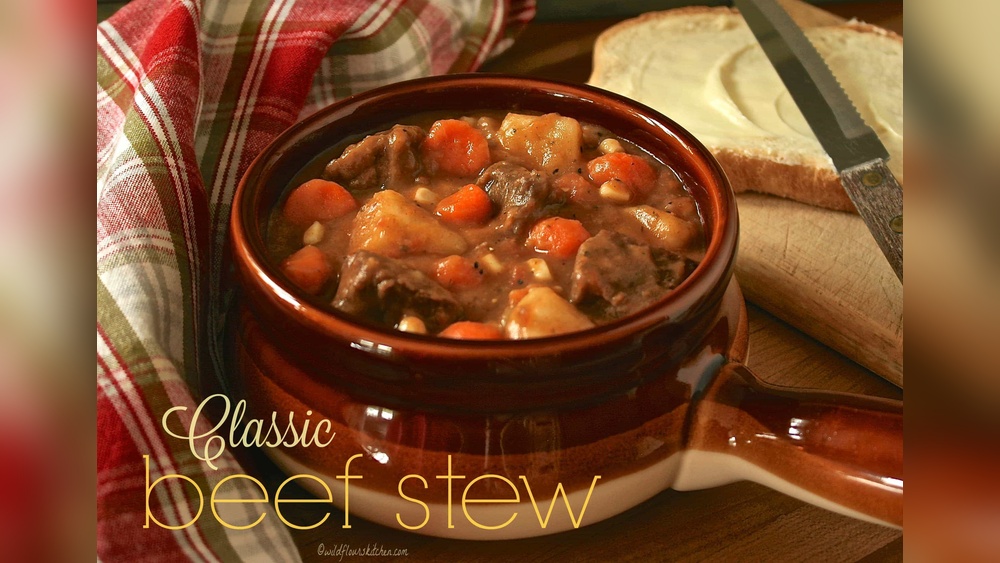
The aroma of a slow-simmered beef stew is one of life’s simple pleasures, a hearty dish that warms the soul and satisfies the most demanding appetites. Yet, even the most carefully prepared stew can sometimes fall short of that desired, luscious thickness, leaving you with a watery broth instead of a rich, velvety sauce.
This is a common culinary conundrum, but thankfully, one with a multitude of straightforward solutions. Achieving the perfect stew consistency isn’t a matter of luck; it’s about understanding the science of thickening and employing the right techniques at the right time.
Whether you’re a seasoned home cook or just starting your culinary journey, this guide will equip you with the knowledge and practical methods to transform your beef stew from thin to sublime. We’ll explore various thickening agents, from classic flour and cornstarch to more nuanced options, and discuss the best times to incorporate them for maximum impact.
Get ready to master the art of the thicker stew, ensuring every spoonful is a decadent delight.
Key Takeaways
- Choose Your Thickener Wisely: Different thickeners offer distinct textures and flavors; flour, cornstarch, arrowroot, and even pureed vegetables have unique properties.
- Timing is Crucial: Adding thickeners too early can lead to a gummy texture, while adding them too late might not allow them to fully incorporate.
- The Roux Method: A classic technique involving cooking flour and fat to create a stable thickening base, ideal for rich gravies and stews.
- Slurry Solutions: A simple mixture of cornstarch or flour with cold liquid, perfect for quick adjustments at the end of cooking.
- Natural Thickening Power: Simmering uncovered to reduce liquid or incorporating starchy vegetables can naturally thicken your stew.
- Avoid Over-Thickening: It’s easier to add more liquid than to thin out an overly thick stew, so proceed with caution.

Understanding The Science Of Thickening Stew
The viscosity of a beef stew is determined by the interaction of its components, primarily the liquid base, the starches released from the meat and vegetables, and any thickening agents added. When a stew is too thin, it means the ratio of liquid to solids is too high, or the starches haven’t properly gelatinized and bound with the liquid to create a thicker matrix.
Starch Gelatinization: The Key To Thickness
At the heart of most thickening processes lies starch gelatinization. Starches, found abundantly in ingredients like flour, cornstarch, potatoes, and root vegetables, are complex carbohydrates. In their raw state, starch granules are tightly packed and insoluble in cold water. However, when heated in the presence of liquid, these granules absorb water, swell, and eventually burst, releasing amylose and amylopectin molecules. These molecules then form a tangled network that traps water, increasing the viscosity of the liquid.
- Flour: Contains about 70-80% starch. When cooked, flour thickens effectively, but it requires sufficient cooking time to eliminate the raw flour taste. It can also impart a slightly opaque, sometimes grayish hue to the stew.
- Cornstarch: A highly refined starch, cornstarch is a potent thickener. It requires less cooking time than flour and produces a glossy, translucent finish. However, it can break down and lose its thickening power if boiled for extended periods, and can become gummy if not properly incorporated.
- Arrowroot: Similar to cornstarch, arrowroot provides a glossy finish and is a good thickener. It’s often preferred for its neutral flavor and ability to withstand acidic ingredients. It should be added towards the end of cooking and not boiled vigorously.
- Potatoes and Root Vegetables: When cooked until tender and then mashed or pureed, ingredients like potatoes, carrots, or parsnips release their natural starches, contributing to thickness. This method also adds flavor and nutrients.
The temperature at which gelatinization occurs varies. Flour typically begins to thicken around 150-160°F (65-71°C), while cornstarch activates at a slightly lower temperature, around 140-150°F (60-65°C). Understanding these temperatures helps in timing the addition of your thickeners.
Factors Influencing Stew Consistency
Beyond the thickener itself, several other factors can influence your stew’s final consistency:
- Liquid Evaporation: A slow simmer with the lid ajar or removed allows excess water to evaporate, concentrating the flavors and naturally thickening the stew. This is a fundamental technique for achieving a rich consistency.
- Collagen Breakdown: As beef cooks slowly, the tough connective tissues (collagen) break down into gelatin. Gelatin is a protein that, when cooled, forms a gel-like structure, contributing to a richer mouthfeel and a thicker consistency, especially noticeable when the stew cools slightly.
- Added Ingredients: The amount of broth, water, wine, or other liquids added at the start significantly impacts how much thickening is ultimately needed. Similarly, the types and quantities of vegetables can contribute natural starches.
- Cooking Time: Longer, slower cooking times allow for better breakdown of ingredients and more effective starch gelatinization and collagen conversion.

Classic Thickening Techniques
Mastering a few core techniques will give you the tools to tackle almost any stew thickness issue. These methods have been used in kitchens for generations and remain highly effective.
The Roux: A Foundation For Flavor And Thickness
A roux is a cooked mixture of equal parts fat (butter, oil, or rendered fat from the stew) and flour. It’s a cornerstone of many sauces and stews, providing both thickening power and a depth of flavor.
Types Of Roux
The way a roux is cooked determines its color and thickening ability:
- White Roux: Cooked for just a minute or two until the raw flour smell disappears but before it gains any color. It has the most thickening power and is ideal for delicate sauces and gravies.
- Blond Roux: Cooked a bit longer, until it turns a light, straw-like color. It has slightly less thickening power than a white roux but adds a subtle nutty flavor. This is often suitable for stews.
- Brown Roux: Cooked until it reaches a peanut butter or chocolate color. It has the least thickening power but offers the richest, nuttiest flavor. This is best used when a deep, complex flavor is desired and significant thickening is not the primary goal.
How To Make A Roux For Stew
- Melt Fat: In a separate pan or the stew pot itself (if you’ve removed the stew contents temporarily), melt your chosen fat over medium heat. If using rendered fat from the beef, ensure it’s clean. Butter adds a lovely richness, but its milk solids can burn, so watch carefully. Vegetable oil or beef drippings are more stable.
- Add Flour: Whisk in an equal amount of all-purpose flour until a smooth paste forms. For example, for a standard 4-quart stew, you might start with 2-3 tablespoons of fat and 2-3 tablespoons of flour.
- Cook the Roux: Continue whisking constantly. For a blond roux, cook for about 5-8 minutes, until it smells slightly nutty and turns a light golden brown. For a brown roux, continue cooking, stirring frequently, for 10-20 minutes, depending on the heat, until it reaches your desired color. Be careful not to burn it, as burnt roux will impart a bitter taste.
- Incorporate into Stew: To thicken your stew, you can either:
- Add Liquid to Roux: Gradually whisk cold or room-temperature broth or water into the cooked roux until smooth. Then, pour this mixture back into the simmering stew and cook, stirring, until thickened.
- Add Roux to Stew: If the roux is in a separate pan, ladle some hot stew liquid into the roux, whisking until smooth, then pour this back into the main pot. This helps prevent lumps.
Pro Tip: Always ensure the liquid you add to the roux is cold or at room temperature, and the stew you’re adding the roux mixture to is simmering, not boiling vigorously. This helps prevent lumps.
Cornstarch And Flour Slurries: The Quick Fix
When you need to thicken your stew quickly towards the end of cooking, a slurry is your best friend. A slurry is simply a starch (like cornstarch or flour) mixed with a small amount of cold liquid until smooth, then whisked into the hot stew.
Making And Using A Cornstarch Slurry
Cornstarch is a popular choice for slurries due to its powerful thickening ability and the glossy finish it provides.
- Ratio: A common ratio is 1 tablespoon of cornstarch to 2 tablespoons of cold water or broth. For a typical stew, you might start with 2-3 tablespoons of cornstarch mixed with 4-6 tablespoons of liquid.
- Mix: In a small bowl, combine the cornstarch and cold liquid. Whisk thoroughly until no lumps remain. It’s crucial that the liquid is cold; hot liquid will cause the cornstarch to clump immediately.
- Incorporate: Bring your stew to a gentle simmer. Slowly drizzle the cornstarch slurry into the stew while whisking constantly.
- Simmer: Continue to simmer the stew for at least 1-2 minutes after adding the slurry. This cooking time is essential for the cornstarch to fully hydrate and activate its thickening properties and to cook out any starchy taste. The stew will thicken as it heats.
Caution: Over-boiling a cornstarch-thickened sauce can cause it to break down and become thin again. A gentle simmer is sufficient.
Using A Flour Slurry
Flour can also be used in a slurry, though it requires a bit more cooking time to eliminate the raw flour taste and achieve full thickening.
- Ratio: Use a ratio of 2 tablespoons of flour to 3 tablespoons of cold liquid.
- Mix: Combine the flour and cold liquid in a small bowl and whisk until smooth.
- Incorporate: Add the flour slurry to the simmering stew, whisking continuously.
- Simmer: Cook for at least 5 minutes, stirring occasionally, to ensure the flour is cooked through and the stew thickens properly.
Comparison: Cornstarch generally thickens more effectively and faster than flour, and provides a clearer, glossier finish. Flour offers a more opaque finish and can contribute a slightly different mouthfeel.
Natural Thickening Methods
Sometimes, the best way to thicken your stew is to let the ingredients do the work. These methods rely on reducing liquid or utilizing the natural starches present in vegetables.
Reducing The Liquid
This is perhaps the simplest and most fundamental method for thickening any sauce or stew. It involves simmering the stew uncovered, allowing excess water to evaporate.
- Remove the Lid: Once your stew is fully cooked and the flavors have melded, remove the lid from the pot.
- Simmer Gently: Reduce the heat to a low simmer. The goal is to let the liquid evaporate without overcooking the ingredients or scorching the bottom of the pot.
- Monitor Consistency: Check the stew periodically. As the liquid reduces, the solids will become more concentrated, and the sauce will naturally thicken. This process can take anywhere from 15 minutes to over an hour, depending on the amount of liquid and the size of your pot.
- Stir Occasionally: Stir the stew every 10-15 minutes to prevent sticking and ensure even evaporation.
Benefit: This method concentrates all the flavors of the stew, making it more intense and delicious, alongside thickening it. It requires patience but yields excellent results.
Pureeing Vegetables
Many stews contain starchy vegetables like potatoes, carrots, or even parsnips. These can be leveraged for thickening.
- Cook Vegetables Until Tender: Ensure your starchy vegetables are cooked until very soft.
- Remove a Portion: Ladle out about 1-2 cups of the stew’s liquid and solid vegetables (focusing on the starchy ones).
- Puree: Use an immersion blender to puree the removed portion until smooth. Alternatively, you can transfer it to a regular blender (be cautious with hot liquids) or mash it thoroughly with a fork or potato masher.
- Return to Stew: Stir the pureed mixture back into the main pot of stew. The released starches from the pureed vegetables will help thicken the stew as it simmers.
- Simmer Briefly: Allow the stew to simmer for another 5-10 minutes to fully incorporate the pureed mixture and allow it to thicken.
Example: In a beef and potato stew, removing a few cooked potatoes, mashing them with some broth, and returning them to the pot is a fantastic way to thicken it naturally while adding creaminess.
Less Common, Yet Effective, Thickening Agents
Beyond the usual suspects, a few other ingredients can contribute to a thicker stew, often adding unique flavors or textures.
Mashed Potatoes Or Bread
Adding a scoop of mashed potatoes or even a piece of stale bread (crust removed) to a simmering stew can help absorb excess liquid and contribute to thickness.
- Mashed Potatoes: If you have leftover mashed potatoes, they can be stirred into the stew. They will break down and meld with the broth, adding body and a subtle creaminess.
- Stale Bread: A piece of stale bread, often referred to as a “panade,” can be soaked in water or broth and then mashed into the stew. It acts as a binder and thickener. This technique is common in traditional French stews like *boeuf bourguignon*.
Adding A Binder
While not strictly thickening agents in the same way as starches, certain ingredients can contribute to a richer mouthfeel that *feels* thicker.
- Tomato Paste: A tablespoon or two of tomato paste, sautéed early in the cooking process, adds depth of flavor and a slight thickening quality due to its concentrated nature.
- Heavy Cream or Sour Cream: Added at the very end of cooking (off the heat), these dairy products can enrich the stew and give it a creamier, thicker appearance. However, they are more for richness than true thickening and can curdle if boiled.
Troubleshooting Common Thickening Problems
Even with the best intentions, things can sometimes go awry. Here are solutions to common issues.
My Stew Is Still Too Thin After Adding A Thickener
This often happens if the thickener wasn’t given enough time to work, or if the wrong amount was used.
- Assess the Situation: Is the stew at a simmer? Has it been simmering long enough since the thickener was added?
- Add More Thickener (Carefully): Prepare another small slurry (cornstarch or flour) or a small amount of roux. Add it incrementally, allowing the stew to simmer for a few minutes after each addition to see the effect. Remember, it’s easier to add more than to fix an overly thick stew.
- Reduce the Liquid: If you’re hesitant to add more starch, try simmering the stew uncovered for a longer period. This will concentrate the existing flavors and thicken the stew naturally.
My Stew Is Gummy Or Gloopy
This is a common problem with overcooked cornstarch or improperly incorporated flour.
- Too Much Cornstarch: If the stew is excessively gummy, the only real fix is to dilute it. Stir in more broth or water, a little at a time, until the texture improves. You may need to re-season as well.
- Improperly Incorporated Flour: If flour was added as a lump or not cooked sufficiently, it can result in a gummy texture and a raw flour taste. Try whisking vigorously to break up lumps. If the flavor persists, you might need to make a quick roux with some of the stew’s liquid and add it back in, or accept a slightly gummy texture.
- The Fix: Often, the best remedy for a gummy stew is to dilute it. Add more broth or water, a little at a time, until the desired consistency is reached. You will likely need to adjust the seasoning afterward.
My Stew Has Lumps
Lumps usually occur when a thickener (especially flour or cornstarch) is added to hot liquid without being properly dispersed in cold liquid first.
- Whisk Vigorously: Use a whisk to break up the lumps as much as possible while the stew is simmering.
- Strain (Last Resort): If lumps persist and cannot be removed by whisking, you can strain the stew through a fine-mesh sieve. This will remove the lumps but also some of the solids, so you may need to add them back or adjust the stew’s texture afterward.
- Preventative Measure: Always mix your flour or cornstarch with cold liquid to form a smooth slurry before adding it to the hot stew.
My Stew’s Flavor Seems Weak After Thickening
Adding thickeners, especially those that require significant cooking time like a roux, can sometimes mute the flavors slightly.
- Re-Season: Taste the stew after it has thickened and adjust seasonings. You may need more salt, pepper, herbs, or a dash of Worcestershire sauce or soy sauce to brighten the flavors.
- Add Acidity: A splash of vinegar (balsamic, red wine) or lemon juice can help lift and enhance the flavors.
- Concentrate Further: If flavor loss is significant, consider simmering uncovered for a bit longer to reduce the liquid further and intensify the existing flavors.
Comparison Of Common Thickeners
Choosing the right thickener depends on the desired outcome. Here’s a quick comparison:
| Thickener | Best For | Pros | Cons | How to Use |
|---|---|---|---|---|
| **All-Purpose Flour** | Traditional stews, gravies, sauces | Readily available, neutral flavor, good thickening power | Can taste raw if undercooked, opaque finish, can become gummy | Cooked into a roux or mixed into a slurry (requires longer cooking time than cornstarch) |
| **Cornstarch** | Quick thickening, glossy finishes | Powerful thickener, fast-acting, glossy/translucent finish | Can break down if boiled too long, can become gummy, less flavor | Mixed into a slurry with cold liquid, added to simmering stew, cook for 1-2 mins |
| **Arrowroot** | Delicate sauces, acidic dishes, glossy finish | Similar to cornstarch, neutral flavor, good for acidic ingredients | More expensive, can lose thickening power if boiled too vigorously | Mixed into a slurry with cold liquid, added to simmering stew, avoid prolonged boiling |
| **Roux (Flour + Fat)** | Rich, deep-flavored stews and sauces | Adds flavor complexity, stable thickening | Requires cooking time, can be heavy, color depends on cooking time | Cook fat and flour together to desired color, gradually whisk in liquid, then add to stew |
| **Vegetable Puree** | Adding body and natural starchiness | Adds flavor and nutrients, natural method, creamy texture | Can change the color and texture of the stew, requires pre-cooking | Cook starchy vegetables until very soft, puree a portion with some liquid, stir back into stew and simmer |
| **Reduction** | Concentrating flavor and thickening | Enhances all flavors, simple, no added ingredients | Time-consuming, risk of scorching if not monitored | Simmer stew uncovered over low heat, allowing excess liquid to evaporate |
Incorporating Thickening Into Your Stew-making Process
The best approach to thickening is often proactive rather than reactive. Consider these points during your initial stew preparation.
Building Flavor And Body From The Start
- Sear Your Beef Well: Properly searing your beef cubes creates a flavorful fond (browned bits) on the bottom of the pot. Deglazing this fond with liquid captures those rich flavors and contributes to the stew’s overall body.
- Sauté Aromatics: Cook onions, carrots, and celery (mirepoix) until softened and lightly caramelized. This builds a sweet, savory base.
- Consider a Little Flour on the Beef: Before searing, tossing your beef cubes lightly in a tablespoon or two of flour can provide a base layer of thickening that develops as the stew cooks. This is a common technique that helps create a richer sauce.
- Use Tomato Paste: Sautéing a tablespoon or two of tomato paste with your aromatics adds umami and a subtle thickening quality.
Strategic Liquid Addition
- Don’t Overdo the Liquid Initially: Start with a reasonable amount of broth or liquid. You can always add more if needed, but it’s harder to remove excess liquid without overcooking ingredients.
- Use Flavorful Liquids: Opt for beef broth, stock, or even a combination of broth and red wine for a deeper flavor base that benefits from concentration.
Advanced Tips For The Perfect Stew Consistency
For those looking to truly master their stew-making, a few advanced considerations can elevate the final dish.
The Role Of Gelatin
As mentioned earlier, the breakdown of collagen in beef connective tissue yields gelatin. This natural gelatin is a powerful thickener, especially as the stew cools.
- Choose Cuts with Connective Tissue: Cuts like chuck roast, brisket, or short ribs, which have ample collagen, will naturally produce more gelatin during slow cooking, contributing significantly to a richer, thicker stew. Leaner cuts will yield less.
- Allow to Rest/Cool: If your stew seems slightly thin when first served hot, allowing it to cool for 10-15 minutes before reheating can often result in a noticeably thicker consistency due to the gelatin
Leave a Reply