
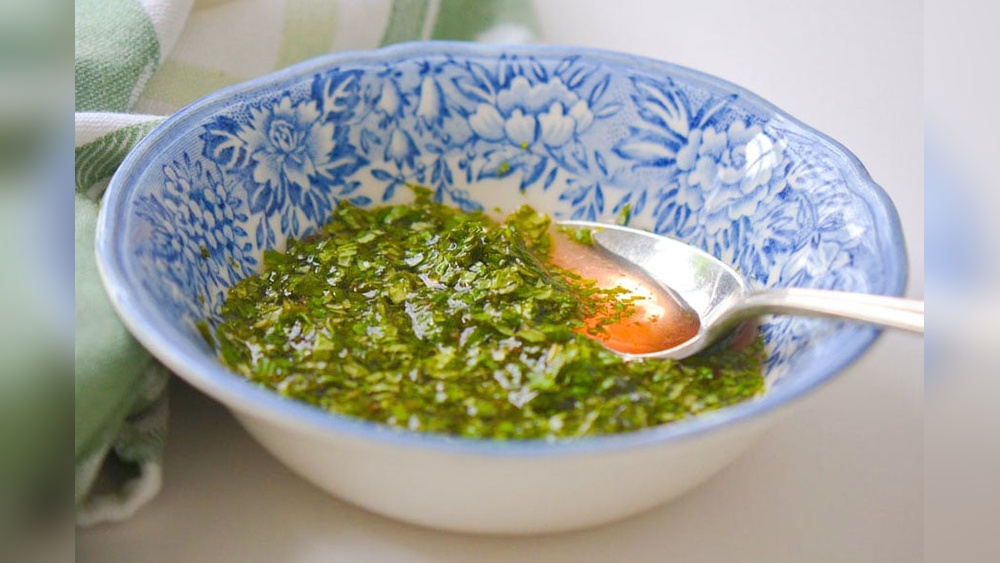
The vibrant, refreshing taste of mint sauce is a culinary classic, a perfect accompaniment to a wide range of dishes, most notably roast lamb. Its bright, herbaceous notes can cut through richness, elevate simple meals, and add a welcome zesty kick.
While many associate it with traditional British roasts, a well-made mint sauce is incredibly versatile, finding its place alongside grilled meats, in salads, or even as a unique marinade component.
Making mint sauce from scratch is surprisingly simple, allowing you to control the sweetness, tanginess, and intensity of the mint flavor. Store-bought versions often contain artificial colors and preservatives, and lack the fresh, lively punch of a homemade rendition. This guide will walk you through the essential steps, variations, and tips to create a truly exceptional mint sauce that will become a staple in your kitchen.
We’ll explore the core ingredients, the nuances of preparation, and how to adapt the recipe to suit your personal preferences and culinary needs.
Key Takeaways
- Fresh Mint is Paramount: Always use fresh mint leaves for the best flavor and aroma. Spearmint is the traditional choice, offering a balanced sweetness.
- Balance is Key: The perfect mint sauce strikes a delicate balance between sweetness (sugar), acidity (vinegar), and the fresh mint flavor.
- Simple Core Ingredients: The fundamental components are fresh mint, vinegar (white or cider), sugar, and often a pinch of salt.
- Vinegar Choice Matters: White vinegar provides a clean, sharp acidity, while cider vinegar offers a fruitier, more complex note.
- Sweetener Options: Granulated sugar is standard, but honey or agave nectar can be used for different flavor profiles and sweetness levels.
- Texture Control: For a smoother sauce, finely chop or blend the mint. For a chunkier texture, chop by hand.
- Resting Enhances Flavor: Allowing the sauce to sit for at least 30 minutes, or even overnight, allows the flavors to meld and deepen.
- Versatile Applications: Beyond roast lamb, mint sauce pairs well with pork, chicken, grilled vegetables, and can be a base for dressings.
The Essential Mint Sauce Recipe
At its heart, mint sauce is a simple concoction. The traditional recipe relies on a few key ingredients to achieve its signature taste. Understanding the role of each component is crucial for mastering this versatile condiment.
Core Ingredients And Their Purpose
The beauty of mint sauce lies in its simplicity. The foundational elements work in harmony to create a bright, refreshing flavor profile.
- Fresh Mint: This is the star of the show. Spearmint is the most common and recommended variety for its sweet, balanced flavor. Peppermint can be used but is often more intense and can overpower other ingredients. You’ll need a generous amount of fresh leaves, as they wilt down significantly during preparation. Aim for about 2 packed cups of fresh mint leaves.
- Vinegar: The acidity of the vinegar is vital for balancing the sweetness and providing a tangy counterpoint. White vinegar offers a clean, sharp bite that lets the mint flavor shine through. Cider vinegar provides a slightly fruitier, more mellow tang, which can add another layer of complexity. The amount can be adjusted to your preference for sharpness. A good starting point is ½ cup.
- Sugar: This provides the sweetness that balances the tartness of the vinegar and the inherent slight bitterness of some mint varieties. Granulated sugar is the most traditional choice. The quantity can be adjusted significantly based on how sweet you like your sauce and the sweetness of your chosen mint. Start with ½ cup and adjust.
- Salt: A pinch of salt enhances all the other flavors, rounding out the taste and preventing the sauce from tasting one-dimensionally sweet or sour. Just ¼ teaspoon is usually sufficient.
- Hot Water (Optional but Recommended): A small amount of hot water, around ¼ cup, helps to dissolve the sugar and create a smoother consistency, especially if you’re not using a blender. It also helps to “wilt” the mint slightly, releasing its essential oils.
Step-by-step Preparation Guide
Creating a delicious mint sauce is a straightforward process, requiring minimal culinary skill but a keen eye for balance.
- Prepare the Mint: Thoroughly wash and dry the fresh mint leaves. Remove the leaves from the stems, as the stems can be tough and fibrous.
- Finely Chop or Blend: This step determines the texture of your sauce.
- For a traditional, slightly textured sauce: Finely chop the mint leaves by hand using a sharp knife. Aim for a very fine mince.
- For a smoother sauce: Place the mint leaves in a food processor or blender. Pulse until finely chopped. You can add a tablespoon or two of the vinegar or water to help the blades catch the leaves.
- Combine Ingredients: In a medium bowl, combine the finely chopped or blended mint, sugar, vinegar, and salt.
- Dissolve Sugar: If using, add the hot water to the bowl. Stir vigorously until the sugar is completely dissolved. This is crucial for a smooth sauce without a gritty texture.
- Taste and Adjust: This is the most important step for personalization. Taste the sauce.
- Is it too tart? Add more sugar, a tablespoon at a time, stirring well after each addition.
- Is it too sweet? Add more vinegar, a tablespoon at a time.
- Does it need more minty flavor? If you have extra mint, you can finely chop and add more.
- Is the consistency too thick? Add a tablespoon of cold water or vinegar until it reaches your desired consistency.
- Rest and Meld: Cover the bowl and let the sauce sit at room temperature for at least 30 minutes. This allows the flavors to meld and deepen. For an even richer flavor, refrigerate the sauce for a few hours or overnight.
- Serve: Stir the sauce well before serving.
Variations On A Classic
While the basic mint sauce recipe is a winner, there are numerous ways to adapt it to different tastes and culinary applications. Experimenting with these variations can elevate your sauce from a simple condiment to a signature dish element.
Sweetener Substitutions
The type of sweetener used can subtly alter the flavor profile of your mint sauce.
- Honey: Replacing sugar with honey introduces a floral or earthy sweetness, depending on the honey variety. Use slightly less honey than sugar, as it’s sweeter. For example, use about 6-7 tablespoons of honey for every cup of sugar.
- Agave Nectar: Agave offers a neutral sweetness that allows the mint and vinegar flavors to dominate. It dissolves easily and has a thinner consistency. Use a 1:1 ratio with sugar, but be mindful that it can make the sauce thinner.
- Maple Syrup: While less common, maple syrup can add a warm, caramel-like note. This works particularly well with pork or duck. Use about ¾ cup of maple syrup for every cup of sugar.
Vinegar Choices
The type of vinegar you select will significantly impact the sauce’s tanginess and overall flavor.
- Red Wine Vinegar: Offers a slightly more robust, fruity acidity than white vinegar. It can add a beautiful pinkish hue to the sauce.
- Balsamic Vinegar: Use sparingly, as balsamic can be quite strong and sweet. A small amount can add depth and a darker color, pairing well with richer meats.
- Lemon Juice: For a brighter, fresher, and less pungent acidity, substitute some or all of the vinegar with fresh lemon juice. This creates a lighter, more summery sauce.
Adding Savory Depth
Incorporating other ingredients can add layers of complexity and make the mint sauce more versatile.
- Shallots or Garlic: Finely minced shallots or a tiny clove of garlic, added raw or very finely minced, can provide a subtle savory undertone. Ensure they are minced extremely fine to avoid overpowering the mint.
- Black Pepper: A crack of fresh black pepper adds a mild warmth and spice that complements the mint.
- Chili Flakes: For a hint of heat, add a pinch of red pepper flakes. This is particularly good with grilled meats or as a component in a glaze.
Texture Enhancements
Beyond simple chopping or blending, other methods can alter the sauce’s texture.
- Macerating: Some recipes suggest macerating the mint leaves with sugar for a period before adding liquids. This draws out moisture and intensifies the mint flavor.
- Infusing: For a very subtle mint flavor, you can gently warm the vinegar and sugar mixture with a few mint sprigs, let it steep, then strain and cool before combining with fresh, finely chopped mint.
The Science Of Flavor: Why Mint Sauce Works
The appeal of mint sauce isn’t just tradition; it’s rooted in fundamental principles of flavor pairing and sensory perception. Understanding these elements helps in creating a sauce that is not only delicious but also perfectly complements its intended dishes.
Flavor Balancing Act
Mint sauce is a masterclass in balancing primary tastes: sweet, sour, and savory (with the mint providing a unique aromatic and slightly bitter note).
- Sweetness: The sugar provides the necessary sweetness to counteract the acidity and the natural slight bitterness of mint. This sweetness makes the sauce palatable and appealing.
- Acidity: Vinegar provides the crucial sour element. This acidity cuts through the richness of fatty meats like lamb, cleansing the palate with each bite. It also brightens the overall flavor profile, preventing the sauce from tasting heavy.
- Aromatic Intensity: Mint’s volatile oils, particularly menthol, provide a cooling sensation and a powerful aroma. This aroma is perceived as “fresh” and “clean,” which is why it pairs so well with rich, savory dishes.
- Salt’s Role: Salt acts as a flavor enhancer. It doesn’t just add saltiness; it amplifies the perception of sweetness and diminishes bitterness, making the mint and sugar flavors more pronounced and balanced.
Mouthfeel And Texture
The texture of the mint sauce plays a significant role in how it’s perceived and how it interacts with food.
- Smooth vs. Chunky: A smooth sauce, often achieved through blending, coats food evenly and provides a consistent flavor delivery. A chunkier sauce, with finely chopped mint leaves, offers textural contrast and releases bursts of mint flavor as you eat. In my experience, a very finely minced texture strikes a good balance, offering some texture without being overpowering.
- Viscosity: The ratio of liquid (vinegar, water) to solids (mint, sugar) determines the sauce’s viscosity. A slightly syrupy consistency, achieved by dissolving the sugar thoroughly and allowing flavors to meld, allows the sauce to cling to food without being watery or overly thick.
The Role Of Menthol
Menthol, the primary active compound in mint, is responsible for the characteristic cooling sensation. This sensation is perceived by thermoreceptors in the mouth, creating a feeling of freshness. When paired with rich, fatty foods, this cooling effect provides a welcome contrast, making the meal feel lighter and more refreshing.
This is why mint sauce is so famously associated with roast lamb, a dish known for its richness.
:max_bytes(150000):strip_icc()/MSL-1158564-mint-jelly-hero-horiz-0723-276f7a2c829b4cf599c5b3c6c6aaa104.jpg)
Pairing Mint Sauce: Beyond Roast Lamb
While roast lamb is the quintessential partner for mint sauce, its bright, zesty profile makes it surprisingly versatile. Don’t limit yourself to one dish; explore the many ways this simple sauce can enhance a variety of meals.
Traditional Pairings
These are the classic pairings that have stood the test of time.
- Roast Lamb: This is the undisputed champion. The sauce’s acidity and freshness cut through the richness of the lamb, creating a perfectly balanced bite.
- Grilled Lamb Chops: Similar to roast lamb, grilled chops benefit from the sauce’s palate-cleansing qualities.
- Shepherd’s Pie: A spoonful of mint sauce on top of a traditional Shepherd’s Pie adds an unexpected but delightful twist.
Expanding Your Horizons
Don’t be afraid to experiment with less common pairings.
- Pork Dishes: Mint sauce pairs beautifully with roasted pork loin, pork chops, or even pulled pork. The sweetness in the sauce complements the natural sweetness of pork.
- Chicken and Turkey: Especially for roasted or grilled poultry, mint sauce can add a refreshing counterpoint. Consider it for holiday turkey or a simple grilled chicken breast.
- Vegetarian and Vegan Dishes:
- Roasted Vegetables: Toss roasted root vegetables like carrots or parsnips with mint sauce after cooking.
- Lentil Loaves or Patties: A dollop of mint sauce can add moisture and flavor.
- Grilled Halloumi: The salty cheese is a fantastic canvas for the sweet and tangy sauce.
- Salads and Dressings:
- In a Vinaigrette: Whisk a tablespoon or two of mint sauce into your favorite vinaigrette for a unique twist on a green salad or a grain salad.
- Potato Salad: A small amount can add a surprising freshness to a creamy potato salad.
- As a Marinade Component: Combine mint sauce with olive oil, garlic, and herbs to create a vibrant marinade for lamb, pork, or chicken.
The Science Behind The Pairings
The success of these pairings often comes down to flavor contrast and complementarity.
- Fat and Acidity: Rich, fatty foods (like lamb or pork) are balanced by acidic components. The vinegar in mint sauce provides this essential acidity.
- Sweetness and Savory: The sweetness in the sauce complements the natural savory notes of meats and some vegetables.
- Aroma and Palate Cleansing: The strong, fresh aroma of mint, combined with its cooling menthol effect, acts as a palate cleanser, making each bite of a rich dish feel as enjoyable as the first.
Consider the Ninja Foodi vs Wantjoin Professional Blender Comparison 2026 for understanding how different blending technologies can impact the final texture of sauces and purees, which is directly relevant to achieving your desired mint sauce consistency.
Storing And Preserving Your Mint Sauce
Proper storage ensures that your homemade mint sauce retains its freshness and flavor for as long as possible. Because it contains vinegar, it has a relatively good shelf life, but certain practices will maximize its quality.
Refrigeration Is Key
- Airtight Container: Transfer the finished mint sauce into a clean, airtight glass jar or container. This prevents the sauce from absorbing odors from other foods in the refrigerator and helps maintain its freshness.
- Shelf Life: Homemade mint sauce, when properly stored in the refrigerator, typically lasts for 2 to 3 weeks. The vinegar acts as a natural preservative, but the fresh mint will eventually lose its vibrancy.
- Signs of Spoilage: Discard the sauce if you notice any off-putting smells, mold growth, or significant changes in color or texture that suggest spoilage.
Freezing For Longer Storage
While not ideal for maintaining the freshest flavor and texture, freezing is an option for longer-term storage.
- Freezer-Safe Containers: Use small, airtight freezer-safe containers or ice cube trays. Freezing in smaller portions (like ice cube trays) makes it easy to thaw only what you need.
- Thawing: Thaw frozen mint sauce in the refrigerator overnight. The texture may change slightly upon thawing, becoming a bit more watery. You may need to stir it vigorously or whisk it to reintegrate the ingredients.
- Flavor Impact: Freezing can slightly diminish the intensity of the fresh mint flavor. It’s best used in dishes where the mint flavor doesn’t need to be the absolute primary note, or where it can be mixed into other components.
Reviving Stale Sauce
If your mint sauce has been in the fridge for a while and seems a bit dull:
- Add Fresh Mint: Finely chop a small amount of fresh mint and stir it into the existing sauce.
- Adjust Acidity/Sweetness: Taste and add a tiny bit more vinegar or a pinch more sugar if needed to rebalance the flavors.
- Lemon Zest: A small amount of finely grated lemon zest can add a boost of fresh citrus aroma.
Troubleshooting Common Mint Sauce Issues
Even with a simple recipe, occasional issues can arise. Here’s how to address common problems to ensure your mint sauce is always perfect.
Issue: Sauce Is Too Tart
- Cause: Too much vinegar relative to sugar, or insufficient resting time for flavors to meld.
- Solution: Add more sugar, one tablespoon at a time, stirring thoroughly until dissolved. Taste after each addition. If the sauce is still too sharp, consider adding a small amount of honey or agave nectar for a different kind of sweetness.
Issue: Sauce Is Too Sweet
- Cause: Too much sugar relative to vinegar.
- Solution: Add more vinegar, one tablespoon at a time, stirring well. Start with white vinegar for a clean acidity, or cider vinegar for a slightly fruitier tang. A squeeze of fresh lemon juice can also help balance excessive sweetness.
Issue: Mint Flavor Is Too Weak
- Cause: Not enough mint used, mint wasn’t fresh, or mint was overcooked (if any heating was involved).
- Solution: The best fix is to add more fresh, finely chopped mint. If the sauce has been resting for a while, the flavor may have mellowed. For future batches, ensure you are using plenty of fresh mint leaves and consider a variety known for its strong flavor like spearmint.
Issue: Sauce Is Gritty Or Sugary
- Cause: Sugar was not fully dissolved.
- Solution: If the sauce is freshly made, try stirring it more vigorously, especially if you used hot water. You can gently warm the mixture (do not boil) while stirring to help dissolve remaining sugar crystals. If it persists, you can strain the sauce through a fine-mesh sieve, though this will remove some of the mint pulp. For future batches, ensure the sugar is completely dissolved before the sauce cools.
Issue: Sauce Is Too Watery
- Cause: Too much liquid (vinegar or water) was added, or the mint released a lot of moisture.
- Solution: For immediate thickening, you can try adding a bit more finely chopped mint. If it’s still too thin after resting, you can gently simmer the sauce uncovered for a few minutes to evaporate some liquid, but be careful not to overcook the mint, which can dull its flavor. Alternatively, for a smoother, thicker sauce, you could blend in a small amount of finely ground breadcrumbs or a tiny bit of cornstarch slurry (though this is less traditional).
Issue: Sauce Is Bitter
- Cause: Certain mint varieties can be more bitter, or the stems were included.
- Solution: Add a bit more sugar or a touch of honey to balance the bitterness. Ensure only the leaves are used and that they are fresh. If a particular batch is consistently bitter, consider trying a different variety of mint, like spearmint, for your next attempt.
Pro Tips For Perfect Mint Sauce Every Time
Elevate your mint sauce from good to exceptional with these expert tips and tricks. These insights come from years of culinary practice and understanding the nuances of fresh ingredients.
- Use the Freshest Mint Possible: The quality of your mint directly impacts the final sauce. Spearmint is generally preferred for its sweet, balanced flavor. Avoid mint that looks wilted or bruised.
- Wash and Dry Thoroughly: Ensure mint leaves are completely dry after washing. Excess water can dilute the flavor and affect the sauce’s consistency. A salad spinner is excellent for this.
- Mince Finely: Whether by hand or in a processor, aim for a very fine mince. This ensures the mint flavor is evenly distributed and the texture is pleasant. Large chunks of mint can be overwhelming.
- Dissolve Sugar Completely: This is crucial for a smooth, non-gritty sauce. Use hot water or gently warm the liquid ingredients with the sugar until fully dissolved.
- Taste, Taste, Taste: This cannot be stressed enough. Your palate is the ultimate guide. Adjust sweetness and acidity until it’s perfect *for you*.
- Let it Rest: Allowing the sauce to sit for at least 30 minutes, preferably longer (even overnight in the fridge), allows the flavors to meld and deepen significantly. This step is non-negotiable for the best results.
- Consider the Vinegar: White vinegar provides a clean, sharp tang. Cider vinegar offers a fruitier, slightly milder acidity. Experiment to see which you prefer. For a less intense sauce, you can substitute some or all of the vinegar with fresh lemon juice.
- Don’t Be Afraid of Salt: A small amount of salt enhances all the other flavors and balances the sweetness and acidity.
- Storage Matters: Always store mint sauce in an airtight container in the refrigerator. It will keep for 2-3 weeks, but its flavor is best within the first week.
- Infuse for Subtlety: For a more delicate mint flavor, you can gently warm the vinegar and sugar with a few mint sprigs, let it steep, then strain and cool before adding finely chopped fresh mint. This method extracts a subtler essence.
- Consider a Blender for Smoothness: If you prefer a very smooth, almost pureed sauce, a blender or food processor is your best friend. Pulse carefully to avoid over-processing into a paste.
- Pair with Complementary Flavors: Remember that mint sauce isn’t just for lamb. Its bright flavor profile works wonders with pork, chicken, and even some vegetable dishes.
Example: The Sunday Roast Upgrade
Imagine your typical Sunday roast lamb. The meat is rich, savory, and tender. Without a sauce, it can feel a bit one-note after a
Leave a Reply