
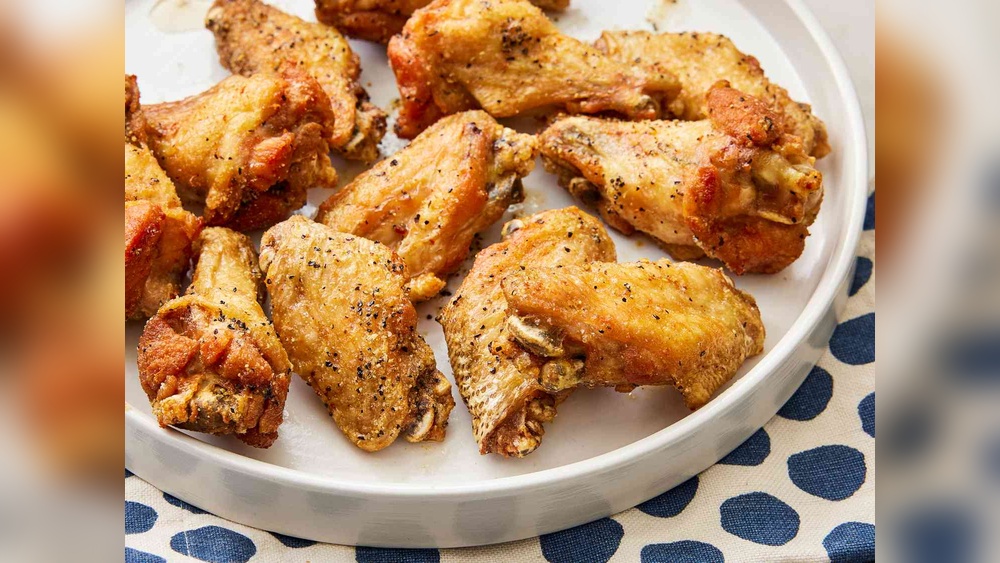
The tantalizing aroma of lemon pepper wings is a siren song for any food enthusiast. These culinary gems strike a perfect balance between zesty citrus and savory spice, making them a perennial favorite at gatherings, game nights, and casual dinners. While the allure of expertly crafted lemon pepper wings from your favorite restaurant is undeniable, recreating that same magic in your own kitchen is not only achievable but incredibly rewarding. This guide will walk you through the essential steps, from selecting the best chicken and mastering the cooking techniques to crafting that signature lemon pepper magic.
When it comes to achieving that perfect wing, the devil is truly in the details. It’s not just about tossing chicken with a spice blend; it’s about understanding the science of crispy skin, tender meat, and a sauce that clings just right.
Whether you’re a seasoned home cook or just starting your culinary journey, this comprehensive guide will equip you with the knowledge and techniques to produce lemon pepper wings that will impress even the most discerning palates. We’ll explore different cooking methods, ingredient variations, and tips to ensure your wings are a guaranteed hit every single time.
Key Takeaways
- Chicken Quality Matters: Opt for fresh, never-frozen chicken wings, preferably from the mid-joint and drumette sections, for the best texture and flavor.
- Dry Brining is Key: Patting the chicken dry and allowing it to rest uncovered in the refrigerator for at least an hour, or overnight, significantly enhances crispiness.
- Baking for Crispiness: Baking at a high temperature (around 400-425°F or 200-220°C) is a reliable method for achieving crispy skin without deep-frying.
- The Magic of Lemon Pepper: A well-balanced lemon pepper blend involves fresh lemon zest, finely ground black pepper, and a good quality salt, often enhanced with garlic powder and onion powder.
- Sauce Application Technique: Toss wings in the sauce *after* they are cooked and crispy to maintain texture; avoid drowning them.
- Multiple Cooking Methods: Explore baking, air frying, and even grilling for different textures and flavor profiles.
- Ingredient Precision: Using fresh lemon zest and good quality spices makes a noticeable difference in the final flavor.
Understanding The Anatomy Of A Perfect Lemon Pepper Wing
Before diving into recipes, it’s crucial to understand what makes a lemon pepper wing truly exceptional. It’s a delicate interplay of textures and flavors that must be harmonized. The skin needs to be shatteringly crisp, providing a satisfying crunch with every bite.
Beneath this crispy exterior, the chicken should be juicy and tender, not dry or tough. The lemon pepper seasoning itself is the star, offering a bright, zesty tang from the lemon that cuts through the richness of the chicken, followed by a warm, pungent kick from the black pepper.
The ideal lemon pepper wing isn’t just about the ingredients; it’s about the process. This includes how the chicken is prepped, the cooking method employed, and the precise moment the seasoning is applied. Achieving this perfect balance requires attention to detail at every stage.
For instance, the moisture content of the chicken is a critical factor. Excess moisture on the skin will steam the wings rather than crisp them, leading to a rubbery texture. Therefore, proper drying techniques are paramount.

Choosing The Right Chicken And Preparing It For Success
The foundation of any great wing recipe lies in the quality of the chicken. For lemon pepper wings, fresh, never-frozen chicken wings are always the superior choice. Frozen wings can lose moisture during the thawing process, potentially impacting the final texture. Wings typically come in two main parts: the drumette (resembling a small drumstick) and the flat (the middle section with two bones). Both are excellent, but some prefer the meatier drumette, while others enjoy the texture of the flat. You can often buy them separated or as whole wings that you can cut yourself.
The Importance Of Patting Dry And Dry Brining
This is arguably the most critical step for achieving crispy wings, especially when baking or air frying. Moisture is the enemy of crispiness. After rinsing (if you choose to rinse your chicken, though many chefs now advise against it for food safety reasons, patting dry is key regardless) and separating the wings if necessary, thoroughly pat them dry with paper towels. Get into every nook and cranny. For an even better result, consider dry brining. This involves seasoning the wings generously with salt and letting them rest, uncovered, in the refrigerator for at least an hour, or ideally, overnight. The salt draws out moisture from the chicken, and then the air circulation in the fridge dries the surface, resulting in exceptionally crispy skin.
To Marinate Or Not To Marinate?
For lemon pepper wings, the traditional approach often involves a dry seasoning or a sauce applied *after* cooking. However, some recipes incorporate a marinade. If you choose to marinate, be mindful of acidic ingredients like lemon juice, as prolonged exposure can “cook” the chicken and alter its texture, making it mushy.
A shorter marinade, perhaps for 30 minutes to an hour, focusing on oil, herbs, and spices (but not too much lemon juice if you aim for crispy skin), might work. In my experience, for the quintessential crispy lemon pepper wing, it’s best to let the dry brine and the final sauce do the heavy lifting.
:max_bytes(150000):strip_icc()/236418-Easy-Lemon-Pepper-Chicken-Wings-ddmfs-2x1-360-af6556aa05bb4d5391a8cca51b747bb1.jpg)
Mastering The Art Of Cooking Lemon Pepper Wings
There are several popular methods for cooking wings, each offering a slightly different outcome in terms of crispiness and flavor. The best method for you will depend on your equipment, time, and desired level of crispiness.
Baking To Crispy Perfection
Baking is a popular and relatively hands-off method for achieving delicious lemon pepper wings. The key is high heat and proper air circulation.
- Preheat your oven: Set your oven to a high temperature, typically between 400°F (200°C) and 425°F (220°C).
- Prepare your baking sheet: Line a baking sheet with parchment paper or aluminum foil for easier cleanup. For optimal air circulation, place a wire rack on top of the baking sheet and arrange the wings on the rack in a single layer, ensuring they don’t touch each other. This allows hot air to circulate around all sides of the wings, promoting even cooking and crisping.
- Season the wings: Lightly toss the dried wings with a little oil (like vegetable, canola, or avocado oil) and your dry seasoning blend. This helps the spices adhere and promotes browning.
- Bake: Place the baking sheet in the preheated oven. Bake for approximately 20-25 minutes per side, or until the wings are golden brown and crispy. The total cooking time will be around 40-50 minutes.
- Flip and continue: Flip the wings halfway through the baking time to ensure even crisping on all sides.
Pro Tip: For an extra crispy finish, you can finish the wings under the broiler for 1-2 minutes, watching them very carefully to prevent burning.
Air Frying For Ultimate Crispiness
Air fryers are fantastic for wings, as they circulate hot air rapidly, mimicking the effect of deep-frying with much less oil.
- Preheat your air fryer: Most air fryers recommend preheating for about 3-5 minutes at 375°F (190°C).
- Arrange wings in a single layer: Place the dried and seasoned wings in the air fryer basket in a single layer. Do not overcrowd the basket; cook in batches if necessary. Overcrowding will steam the wings, hindering crispiness.
- Cook: Air fry for 18-25 minutes, flipping the wings halfway through. The exact time will depend on your air fryer model and the size of the wings. They should be golden brown and cooked through.
- Check for doneness: Ensure the internal temperature reaches 165°F (74°C).
The air fryer method is remarkably efficient and consistently delivers crispy results. Many users find it to be their go-to for wings.
Grilling For Smoky Flavor
Grilling imparts a wonderful smoky char to the wings, adding another dimension of flavor. This method requires a bit more attention to prevent burning.
- Prepare the grill: Preheat your grill to medium-high heat. If using a charcoal grill, arrange the coals to create a two-zone cooking area (one side with direct heat, one with indirect heat).
- Indirect cooking first: Start by cooking the wings over indirect heat for about 15-20 minutes, turning occasionally, until they are mostly cooked through. This gentle cooking prevents the outside from burning before the inside is done.
- Direct heat for crisping: Move the wings to the direct heat side of the grill for the final 5-10 minutes, turning frequently, until they are nicely charred and crispy.
- Watch closely: Keep a close eye on the wings during the direct heat phase to avoid flare-ups and burning.
Grilling is a fantastic option for outdoor entertaining, offering a distinct flavor profile that’s hard to replicate indoors.
Deep Frying: The Classic Indulgence
Deep frying is the traditional method for achieving that unmistakable restaurant-style crispiness. It requires more oil and careful temperature management.
- Heat the oil: Fill a heavy-bottomed pot or deep fryer with about 3-4 inches of a high smoke point oil, such as peanut, canola, or vegetable oil. Heat the oil to 350-375°F (175-190°C). Use a thermometer to monitor the temperature accurately.
- Fry in batches: Carefully lower the seasoned wings into the hot oil, working in batches to avoid overcrowding the pot. Overcrowding will lower the oil temperature, resulting in greasy, soggy wings.
- Cook until golden and crisp: Fry for about 8-12 minutes, or until the wings are golden brown and float to the surface. They should be cooked through.
- Drain: Remove the wings with a slotted spoon or spider strainer and place them on a wire rack set over a baking sheet to drain any excess oil.
Deep-fried wings offer unparalleled crispiness, but they are the most labor-intensive and require careful safety precautions.
:max_bytes(150000):strip_icc()/236418-Easy-Lemon-Pepper-Chicken-Wings-ddmfs-4x3-356-0aaffc0d362f442aaa35a5dd2593fd80.jpg)
Crafting The Ultimate Lemon Pepper Seasoning And Sauce
The heart of lemon pepper wings lies in the seasoning. While pre-made blends are available, creating your own allows for customization and superior freshness.
The Essential Components Of Lemon Pepper
A truly great lemon pepper blend is more than just dried lemon and pepper. It’s a symphony of flavors.
- Black Pepper: Use freshly cracked black pepper for the most potent flavor. The grind size matters; a medium grind is usually best for wings, providing texture and bursts of spice. Avoid pre-ground pepper, which loses its volatile oils and flavor quickly.
- Lemon: Lemon zest is crucial. It provides the bright, aromatic citrus notes without the acidity that can make the wings soggy. Use a microplane or fine grater to zest fresh lemons. Avoid the white pith, as it’s bitter. Some recipes also call for a small amount of lemon powder for an intensified lemon flavor.
- Salt: Kosher salt or sea salt is preferred over table salt for its cleaner taste and texture.
- Optional Enhancers: Many recipes include garlic powder and onion powder to add savory depth. A pinch of cayenne pepper can add a subtle heat, and a touch of sugar can help with caramelization.
Building Your Custom Blend: A Starting Point
Here’s a balanced starting point for a homemade lemon pepper blend. Adjust to your taste!
- 2 tablespoons freshly cracked black pepper
- 1 tablespoon kosher salt
- 1 tablespoon lemon zest (from about 1-2 lemons)
- 1 teaspoon garlic powder
- 1 teaspoon onion powder
- ½ teaspoon cayenne pepper (optional)
Instructions: Combine all ingredients in a small bowl and mix well. For the best flavor, let the blend sit for at least 30 minutes to allow the flavors to meld. Store any unused blend in an airtight container.
The Lemon Pepper Sauce: Wet Vs. Dry
Lemon pepper wings can be enjoyed as a “dry rub” where the seasoning is applied directly to the cooked wings, or as a “wet” wing, coated in a flavorful sauce.
Dry Lemon Pepper Wings
This is the simplest method. Once the wings are cooked and crispy, toss them immediately in a bowl with your freshly made lemon pepper blend. Ensure an even coating. The residual heat and a touch of oil (from the chicken or a light drizzle) will help the seasoning adhere.
Wet Lemon Pepper Wings
For wet wings, you’ll create a sauce. A common base involves melted butter mixed with your lemon pepper seasoning.
Classic Butter-Based Sauce:
- ½ cup (1 stick) unsalted butter
- 2-3 tablespoons lemon pepper seasoning (adjust to taste)
- 1-2 tablespoons fresh lemon juice (optional, for extra tang)
- 1 teaspoon Worcestershire sauce (optional, for umami)
Instructions: Melt the butter in a saucepan over low heat. Stir in the lemon pepper seasoning, lemon juice (if using), and Worcestershire sauce (if using). Whisk until well combined. Once your wings are cooked and crispy, place them in a large bowl and pour the warm sauce over them. Toss gently until evenly coated.
Comparison Table: Dry vs. Wet Lemon Pepper Wings
| Feature | Dry Lemon Pepper Wings | Wet Lemon Pepper Wings |
|---|---|---|
| **Texture** | Crispier, more pronounced spice coating | Softer coating, less crispiness retained after saucing |
| **Flavor Profile** | Direct, bold spice with citrus notes | Richer, more integrated flavor, butter-forward |
| **Preparation** | Simpler, toss cooked wings with dry blend | Requires making a sauce, then tossing cooked wings |
| **Best For** | Those prioritizing maximum crispiness | Those who prefer a saucier, richer wing experience |
| **Sauce Adhesion** | Seasoning adheres directly to the skin | Sauce coats the entire wing |
Elevating Your Lemon Pepper Wings: Tips And Tricks
Beyond the basic steps, several techniques can elevate your lemon pepper wings from good to extraordinary.
The Role Of Baking Powder
For baked or air-fried wings, adding a small amount of baking powder (NOT baking soda) to your dry seasoning mix can work wonders. It helps to break down proteins on the surface of the chicken skin, promoting browning and creating an incredibly crisp texture, similar to what happens during deep-frying. Use about 1 tablespoon of baking powder per pound of chicken wings. Ensure it’s aluminum-free baking powder to avoid any metallic taste.
Double Baking For Maximum Crispiness
If you’re baking your wings and seeking unparalleled crispiness, consider a double-bake method.
- Bake the wings at a moderate temperature (e.g., 350°F or 175°C) for about 20-25 minutes until they are mostly cooked through.
- Remove them from the oven, let them cool slightly, and pat them dry again.
- Increase the oven temperature to a high heat (425°F or 220°C).
- Return the wings to the oven for another 15-20 minutes, flipping halfway, until deeply golden and crispy.
This method ensures the inside is cooked thoroughly before the high heat crisps up the exterior.
Don’t Overcrowd The Pan Or Basket
This is a cardinal rule for any cooking method involving crisping. Whether baking on a sheet pan or air frying in a basket, give your wings space. Overcrowding leads to steaming, which is the antithesis of crispy wings. Cook in batches if necessary. Your wings will thank you for it.
Resting The Wings
After cooking and saucing (if applicable), allow the wings to rest for a minute or two. This allows the sauce to settle and the juices within the chicken to redistribute slightly, resulting in a more tender bite.
Serving Suggestions And Pairings
Lemon pepper wings are incredibly versatile and can be enjoyed in various settings.
Classic Pairings
Traditionally, wings are served with cooling dipping sauces and sides that balance the richness and spice.
- Dipping Sauces: Ranch dressing and blue cheese dressing are classic choices. Other popular options include honey mustard, BBQ sauce, or even a simple garlic aioli.
- Vegetables: Celery sticks and carrot sticks provide a refreshing crunch and palate cleanser.
- Beverages: A cold beer, iced tea, or a crisp lemonade complements the flavors perfectly.
Beyond The Basics
Lemon pepper wings can also be the star of a larger meal.
- Appetizer Platter: Serve them as part of a larger appetizer spread with other finger foods.
- Main Course: Pair them with a side salad and some roasted potatoes or sweet potato fries for a complete meal.
- Tacos or Sliders: Shredded lemon pepper wing meat can be used as a flavorful filling for tacos or sliders.
Common Pitfalls And How To Avoid Them
Even with the best intentions, things can go awry. Here are common mistakes and how to sidestep them.
Greasy Wings
- Cause: Overcrowding the cooking vessel, oil temperature too low (if deep frying), not draining properly.
- Solution: Cook in batches, maintain correct oil temperature, drain on a wire rack.
Rubbery Skin
- Cause: Insufficient drying, cooking at too low a temperature, not enough time.
- Solution: Pat wings extremely dry, use high heat for baking/air frying, ensure adequate cooking time.
Bland Flavor
- Cause: Using stale spices, not enough seasoning, poor quality ingredients.
- Solution: Use fresh, high-quality spices, season generously, consider adding enhancers like garlic/onion powder.
Burnt Wings
- Cause: Oven temperature too high for too long, broiler used improperly, direct heat too intense on the grill.
- Solution: Monitor closely, adjust cooking times and temperatures, use a thermometer.
Frequently Asked Questions
What Is The Best Temperature For Baking Lemon Pepper Wings?
For baking, a temperature range of 400°F to 425°F (200°C to 220°C) is generally recommended. This high heat is crucial for rendering the fat in the chicken skin and achieving a crispy texture. Start with a slightly lower temp for the initial cooking if using a double-bake method, then crank it up for the final crisping stage.
How Long Do Lemon Pepper Wings Typically Take To Cook?
The cooking time varies significantly depending on the method:
- Baking: 40-50 minutes total, flipping halfway.
- Air Frying: 18-25 minutes, flipping halfway.
- Grilling: 25-30 minutes total, with a portion over direct heat.
- Deep Frying: 8-12 minutes per batch.
Always ensure the internal temperature reaches 165°F (74°C) for food safety.
Can I Use Pre-made Lemon Pepper Seasoning?
Yes, you can use pre-made lemon pepper seasoning. However, for the best flavor and aroma, using freshly ground black pepper and fresh lemon zest in a homemade blend is highly recommended. Pre-made blends can sometimes lack potency or contain fillers.
Why Are My Baked Wings Not Crispy?
Several factors can contribute to non-crispy baked wings: insufficient drying of the chicken skin before cooking, overcrowding the baking sheet (leading to steaming), insufficient oven temperature, or not baking long enough. Using a wire rack on the baking sheet also greatly improves air circulation and crispiness. Adding a bit of baking powder to the seasoning can also enhance crispiness.
How Do I Make The Lemon Pepper Sauce Stick To The Wings?
To ensure the sauce adheres well, toss the wings in the sauce immediately after they come out of the hot cooking environment (oven, air fryer, deep fryer). The residual heat and slight moisture from the wings will help the sauce cling.
Avoid letting the wings sit too long before saucing. If the sauce seems too thin, you can gently simmer it for a few minutes to reduce and thicken it slightly before applying.
The journey to crafting the perfect lemon pepper wings is a delicious one, filled with opportunities for experimentation and personalization. By understanding the fundamental principles of chicken preparation, mastering various cooking techniques, and perfecting your lemon pepper blend, you can consistently produce wings that rival your favorite restaurants.
Whether you prefer the intense crisp of dry-rubbed wings or the rich coating of a buttery sauce, the key lies in attention to detail and a willingness to play with flavors. So gather your ingredients, preheat your oven or air fryer, and get ready to impress yourself and your guests with your newfound lemon pepper wing expertise.
Leave a Reply