

The allure of a perfectly crafted Irish Coffee is undeniable. It’s more than just a drink; it’s an experience, a warm embrace on a chilly evening, a sophisticated yet comforting indulgence. While its popularity surged in the mid-20th century, its roots can be traced back to the 1940s, born from necessity and a touch of culinary genius. The story goes that Joe Sheridan, a chef at a restaurant in Foynes, Ireland, created the drink for American airmen returning from a transatlantic flight. When they asked if they had brought them to Brazil, Sheridan famously replied, “No, that’s an Irish Coffee.” This iconic beverage, with its distinct layers of hot coffee, Irish whiskey, sugar, and cream, has since become a global phenomenon, enjoyed in homes and bars worldwide.
Mastering the art of the Irish Coffee isn’t about complex techniques, but rather about understanding the interplay of simple, high-quality ingredients and precise execution. It’s a delicate balance, where each component plays a crucial role in creating the harmonious flavor profile that makes this drink so beloved.
From selecting the right coffee and whiskey to achieving the perfect cream topping, every step contributes to the final masterpiece. This guide will break down the process, offering insights and tips to help you recreate this classic cocktail with confidence and flair, ensuring your Irish Coffee is not just a drink, but a truly memorable experience.
Key Takeaways
- The Classic Ratio: A balanced Irish Coffee typically involves 1.5 oz Irish whiskey, 2 tsp sugar, 6 oz hot coffee, and a lightly whipped cream topping.
- Ingredient Quality Matters: Use freshly brewed, strong coffee and a good quality Irish whiskey for the best flavor.
- Sweetness Control: Adjust sugar to your preference, but ensure it dissolves completely in the hot coffee.
- Cream Technique: Lightly whip heavy cream to a pourable consistency, not stiff peaks, to allow it to float.
- Temperature is Key: Serve in a pre-heated glass to keep the coffee hot and the cream from wilting too quickly.
- Layering is Crucial: The distinct layers of coffee, whiskey, and cream are essential to the visual appeal and drinking experience.
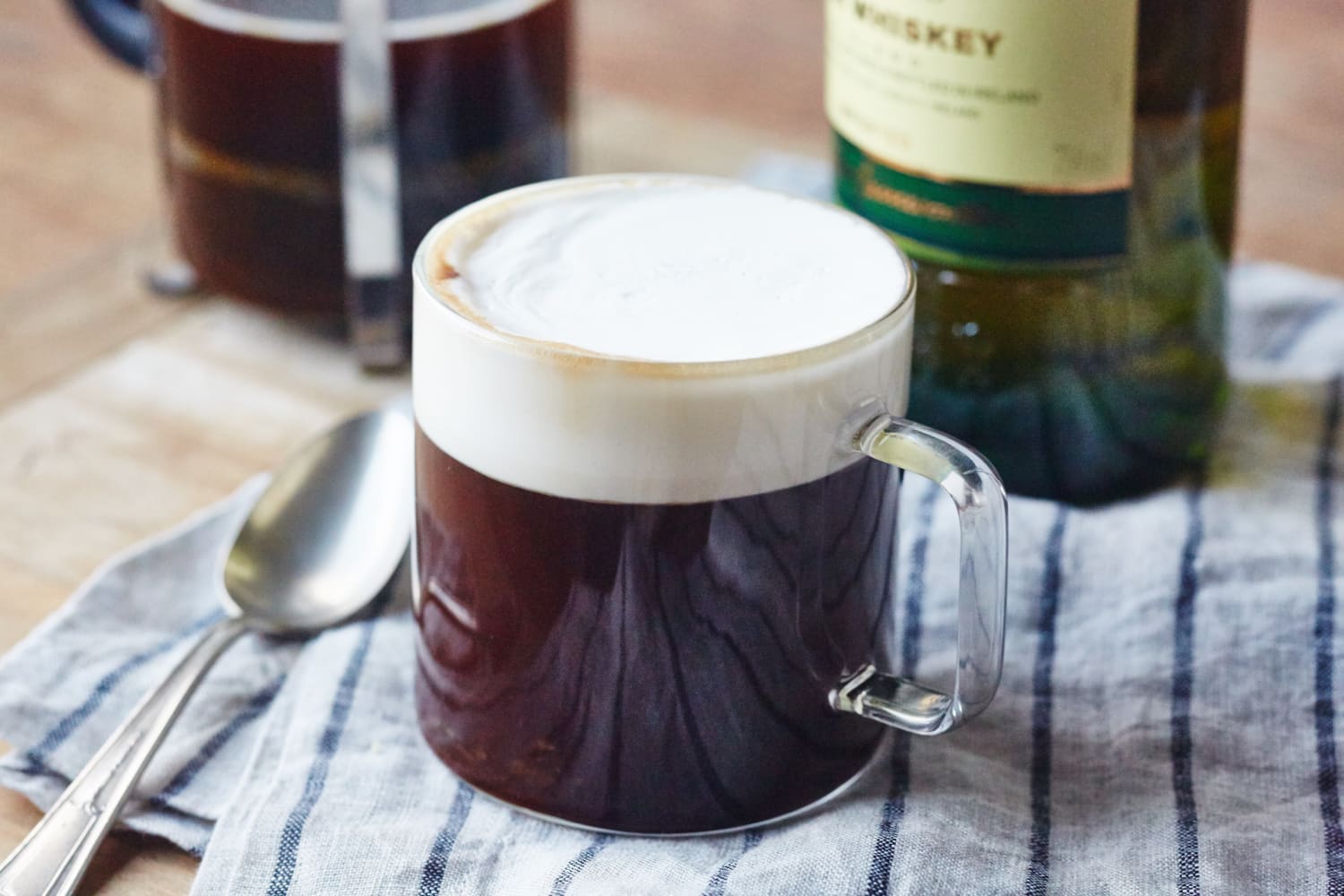
Understanding The Essential Components Of An Irish Coffee
The magic of an Irish Coffee lies in its simplicity, but this simplicity demands that each element be of the highest quality. It’s a symphony of distinct flavors and textures that come together to create something truly special. Understanding the role and ideal characteristics of each ingredient is the first step towards crafting an exceptional Irish Coffee.
The Coffee: The Foundation Of Flavor
The coffee is the backbone of your Irish Coffee. A weak, watery brew will result in a diluted drink that lacks depth. You need a strong, rich coffee that can stand up to the robust flavors of the whiskey and the sweetness of the sugar.
- Type of Coffee: A medium to dark roast is generally preferred. It offers a bolder flavor profile that complements the whiskey. Avoid overly acidic or fruity coffees, as they can clash with the other ingredients.
- Brewing Method:
- Drip Coffee: A well-brewed drip coffee can work perfectly. Ensure your machine is clean and you’re using fresh grounds.
- French Press: This method often yields a richer, more full-bodied coffee, which is ideal.
- Pour-Over: Offers great control over the brewing process, allowing you to extract maximum flavor.
- Freshness: Always use freshly ground beans for the best aroma and taste. Coffee loses its vibrancy quickly once ground.
- Strength: Aim for a brew that is at least twice as strong as your usual cup. This ensures the coffee flavor isn’t lost. Some recipes suggest using 1.5 to 2 tablespoons of coffee grounds per 6 ounces of water.
The Whiskey: The Spirit Of Ireland
This is where the drink gets its name and its characteristic warmth. While other whiskeys *can* be used, Irish whiskey is the authentic and traditional choice, offering a distinct smoothness and flavor profile.
- What Makes it “Irish”? Irish whiskey is typically triple-distilled, which contributes to its renowned smoothness. It is made from a mash of malted barley and other grains, and it must be distilled and aged in Ireland for at least three years.
- Flavor Profile: Good Irish whiskey often exhibits notes of fruit, honey, and spice, with a clean, smooth finish. This makes it an excellent partner for coffee without overpowering it.
- Recommended Brands: While personal preference plays a role, some popular and well-regarded Irish whiskeys for Irish Coffee include:
- Jameson: A widely available and consistently smooth option.
- Bushmills: Offers a slightly different character, often with more malty notes.
- Redbreast: A premium pot still whiskey, known for its rich and complex flavor.
- Tullamore D.E.W. : Another excellent, accessible choice with a balanced profile.
- Avoid Peated Whiskies: Unless you specifically enjoy the smoky flavor, opt for unpeated Irish whiskeys. The peat smoke can often overpower the delicate balance of the drink.
The Sugar: The Sweet Harmonizer
Sugar is essential for balancing the bitterness of the coffee and the sharpness of the whiskey. However, the type and amount of sugar can significantly impact the final taste and texture.
- Traditional Choice: Brown Sugar: Light or dark brown sugar is often preferred. Its molasses content adds a subtle caramel note that complements the whiskey and coffee beautifully. It also dissolves more readily than granulated sugar.
- Granulated Sugar: Can be used if brown sugar is unavailable. It provides pure sweetness without added flavor notes.
- Quantity: The standard is about 2 teaspoons per serving, but this is highly subjective. It’s best to start with the recommended amount and adjust to your personal taste. The goal is to sweeten, not to make it cloying.
- Dissolving: Ensure the sugar is fully dissolved in the hot coffee before adding the cream. Undissolved sugar granules will disrupt the texture and sweetness.
The Cream: The Silken Crown
The cream topping is arguably the most visually striking element of an Irish Coffee. It should be a light, velvety layer that floats atop the hot coffee, allowing you to sip the coffee and whiskey through it.
- Type of Cream: Use heavy whipping cream (also known as double cream). It has a high fat content (typically 35-40%), which is necessary for whipping and maintaining its structure.
- Whipping Technique: This is crucial. You do NOT want stiff peaks like you would for a dessert.
- Chill Everything: Ensure your cream, bowl, and whisk (or beaters) are thoroughly chilled. This helps the cream whip faster and to the desired consistency.
- Lightly Whip: Whip the cream just until it begins to thicken and hold soft, loose peaks. It should still be pourable, with a consistency similar to thick milk or thin syrup. Over-whipping will result in a stiff topping that sinks or is difficult to drink through.
- No Sugar (Usually): Traditionally, no sugar is added to the cream. The sweetness comes from the coffee and sugar mixture below. Adding sugar can make the cream too dense and sweet.
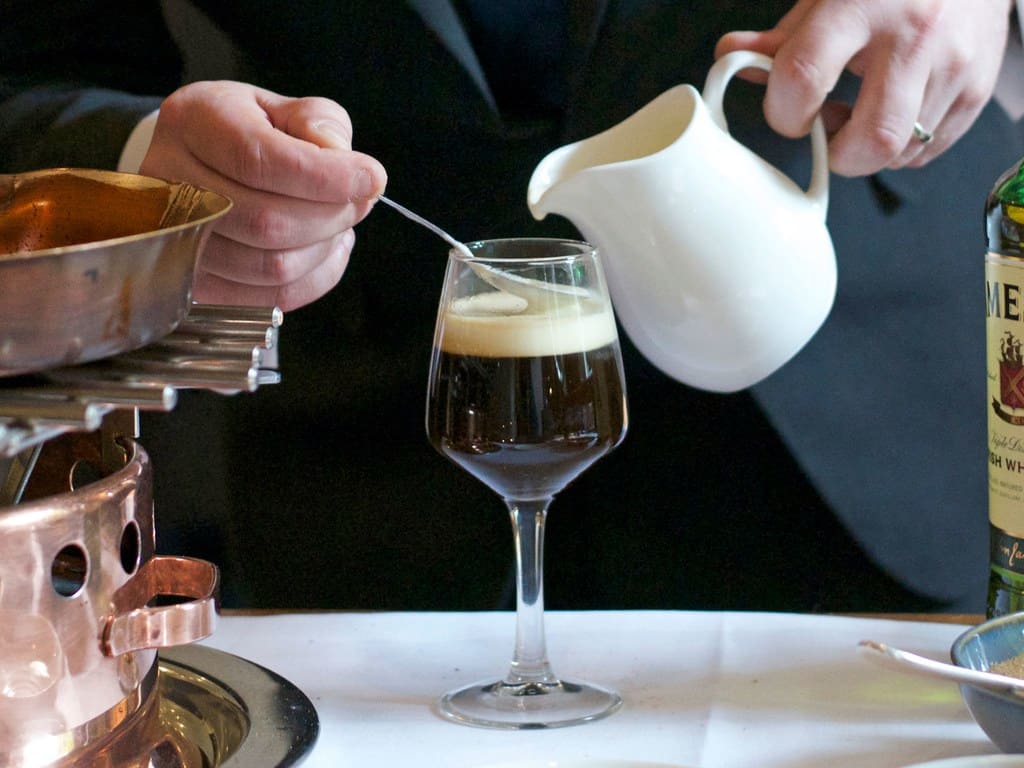
- Floating the Cream: The technique for pouring the cream is as important as the whipping. Pour it gently over the back of a spoon held just above the surface of the coffee. This helps it spread evenly and float.
The Classic Irish Coffee Recipe: Step-by-step
Creating a perfect Irish Coffee is a ritual that rewards attention to detail. Follow these steps to achieve that iconic layered drink.
Step 1: Gather Your Ingredients And Equipment
Before you begin, ensure you have everything ready. This makes the process smooth and prevents the coffee from cooling too much.
- Ingredients:
- 6 oz freshly brewed strong, hot coffee (medium to dark roast)
- 1.5 oz Irish whiskey
- 2 teaspoons brown sugar (or to taste)
- 3 oz heavy whipping cream, chilled
- Equipment:
- Irish Coffee Glass (or heatproof mug/glass)
- Coffee maker or brewing device
- Small bowl for whipping cream
- Whisk or electric mixer
- Teaspoon
- Bar spoon (optional, for pouring cream)
Step 2: Prepare The Glass
The glass is as important as the ingredients. An Irish Coffee glass is designed to showcase the layers and retain heat.
- Pre-heat the Glass: Fill your Irish Coffee glass with hot water and let it sit for a minute or two. This warms the glass, helping to keep the coffee hot and preventing the cream from collapsing too quickly. Discard the hot water before proceeding.
Step 3: Sweeten The Coffee
This step ensures the sugar fully dissolves and integrates with the coffee.
- Add Sugar: Place the 2 teaspoons of brown sugar into the bottom of the pre-heated, empty glass.
- Add Coffee: Pour about 2 ounces of the hot, freshly brewed coffee over the sugar.
- Stir Thoroughly: Stir until the sugar is completely dissolved. You should feel no grittiness when you stir. This step is crucial for a smooth texture and balanced sweetness.
Step 4: Add The Whiskey
Now it’s time to introduce the spirit.
- Measure and Pour: Add 1.5 ounces of your chosen Irish whiskey directly into the sweetened coffee.
- Stir Gently: Give it a brief, gentle stir to combine the whiskey with the coffee and sugar mixture.
Step 5: Top With Cream
This is the final, elegant touch that defines the Irish Coffee.
- Whip the Cream: In a chilled bowl, whip the 3 ounces of cold heavy cream until it thickens slightly and forms soft, loose peaks. It should still be pourable. Do not over-whip.
- Float the Cream: Gently pour the whipped cream over the back of a spoon held just above the surface of the coffee. This technique allows the cream to float delicately on top, creating a distinct layer. Aim for an even layer that covers the coffee.
Step 6: Serve Immediately
An Irish Coffee is best enjoyed fresh.
- Serve: Present the glass immediately to your guest or enjoy it yourself. The warmth of the coffee will contrast beautifully with the cool cream.
Variations And Customizations
While the classic recipe is a masterpiece in itself, there’s always room for personalization. Experimenting with different ingredients can lead to delightful new takes on this beloved drink.
Coffee Variations
- Espresso: For a more intense coffee flavor, use a shot or two of freshly pulled espresso instead of brewed coffee. You’ll likely need less sugar as espresso can be slightly sweeter. Be mindful of the volume; you may need to adjust the whiskey and cream accordingly. This variation is sometimes called an “Espresso Irish Coffee.”
- Cold Brew: For an iced version, use a strong cold brew concentrate. This is perfect for warmer climates or for those who prefer a chilled beverage. You’ll need to adjust the sweetness and potentially add ice.
Whiskey And Liqueur Twists
- Different Irish Whiskeys: As mentioned, explore brands like Bushmills, Redbreast, or Tullamore D.E.W. To discover subtle differences in flavor.
- Irish Cream Liqueur: A splash of Irish cream liqueur (like Baileys) can be added to the coffee before the cream topping for an extra layer of creamy, chocolatey sweetness. However, this deviates from the traditional recipe and can make the drink quite rich.
- Other Spirits: While not traditional, some enjoy experimenting with bourbon or even spiced rum. However, these will significantly alter the authentic “Irish” character of the drink.
Sweetener Alternatives
- Simple Syrup: If you prefer a liquid sweetener that dissolves instantly, use a simple syrup (equal parts sugar and water, heated until dissolved and cooled). This is especially useful if using granulated sugar.
- Maple Syrup: For a different flavor profile, a small amount of pure maple syrup can be used as a sweetener. It adds a distinct woody, caramel note.
- Agave Nectar: A vegan-friendly option, agave nectar can also be used, though it has a milder flavor than sugar or maple syrup.
Cream Topping Innovations
- Flavored Cream: Infuse your heavy cream with a hint of vanilla extract or a dash of cinnamon before whipping for a subtle aromatic twist.
- Non-Dairy Cream: For those avoiding dairy, a well-chilled coconut cream or a specifically formulated vegan whipping cream can be used. Achieving the right consistency might require experimentation, as non-dairy options behave differently. Ensure it’s unsweetened.
The Art Of The Pour: Achieving Perfect Layers
The visual appeal of an Irish Coffee is as important as its taste. The distinct separation of the dark coffee and the white cream is iconic. Achieving this requires a specific technique.
The Spoon Method
This is the most common and effective way to float the cream.
- Chill Your Spoon: A chilled spoon helps maintain the cream’s temperature and structure.
- Hold the Spoon: Position the spoon just above the surface of the hot coffee, with the curved side facing upwards.
- Pour Slowly: Gently and slowly pour the whipped cream over the back of the spoon. The spoon acts as a baffle, dispersing the cream evenly and preventing it from mixing aggressively with the coffee below.
- Cover the Surface: Aim to create a uniform layer of cream that covers the entire surface of the coffee.
The Bar Spoon Technique
A long-handled bar spoon can be particularly useful for deeper glasses. The principle is the same: use the back of the spoon to guide the cream onto the surface.
What To Avoid For Perfect Layers
- Over-whipped Cream: Stiff cream is dense and will likely sink or create an uneven, meringue-like topping.
- Hot Glass: A cold glass will cause the hot coffee to lose temperature rapidly, potentially causing the cream to break or melt too quickly.
- Aggressive Pouring: Dumping the cream in will cause it to mix with the coffee, ruining the distinct layers.
- Under-dissolved Sugar: Gritty sugar at the bottom can disrupt the liquid density, potentially affecting how the cream sits.
Historical Context And Cultural Significance
The Irish Coffee is more than just a beverage; it’s a symbol of Irish hospitality and a piece of culinary history. Its journey from a remote Irish airport to global acclaim is a fascinating story.
The Foynes Origin Story
The most widely accepted origin story places the creation of the Irish Coffee at the terminal building of Foynes Flying Boat Station in County Limerick, Ireland, during the 1940s. Joe Sheridan, the station’s chef, is credited with concocting the drink. During harsh winter nights, passengers arriving on long, cold flights would be greeted with this warming concoction. It was a stroke of genius, combining readily available ingredients, coffee, Irish whiskey, cream, and sugar, into something truly special. The drink quickly became a local legend.
Global Popularity Surge
While created in the 1940s, the Irish Coffee didn’t gain widespread international fame until the 1950s. Stanton Delaplane, a travel writer for the *San Francisco Chronicle*, tasted the drink at Foynes and was so impressed that he wrote about it.
He later introduced it to the Buena Vista Cafe in San Francisco. The cafe’s owner, Jack Koeppler, and Delaplane worked together to perfect the recipe and its presentation. By 1952, The Buena Vista Cafe had officially put Irish Coffee on its menu, and it became an instant sensation.
The cafe is famously said to serve thousands of Irish Coffees each day, solidifying its status as the drink’s unofficial ambassador.
The “authentic” Debate
Over the years, debates have arisen about the “true” or “authentic” Irish Coffee. While the core components remain the same, variations in whiskey, coffee strength, sugar type, and cream preparation have emerged. However, the essence of the drink, hot, strong coffee, quality Irish whiskey, dissolved sugar, and a lightly whipped cream float, remains constant. The Foynes and Buena Vista versions are often considered the benchmarks.
Troubleshooting Common Irish Coffee Problems
Even with the best intentions, sometimes an Irish Coffee doesn’t turn out quite right. Here are some common issues and how to fix them.
Problem: Cream Sinks Or Mixes Immediately
- Cause: The cream was over-whipped, the coffee was too cool, or the glass wasn’t pre-heated.
- Solution: Ensure you whip the cream to soft, loose peaks, it should still be pourable. Always pre-heat your glass. Let the coffee cool slightly *after* brewing but before adding whiskey, so it’s hot but not scalding, which can sometimes shock the cream. Pour the cream very gently over the back of a spoon.
Problem: Drink Is Too Strong (whiskey Or Bitter)
- Cause: Too much whiskey, not enough sugar, or weak coffee.
- Solution: Strictly adhere to the 1.5 oz whiskey measurement. Ensure the sugar is fully dissolved; the sweetness balances the whiskey and coffee bitterness. Use a stronger brew of coffee. If it’s still too strong, you can try adding a touch more sugar or a tiny bit more coffee, though this will dilute the flavor.
Problem: Drink Is Too Weak Or Watery
- Cause: Weak coffee, not enough whiskey, or too much cream added.
- Solution: Use a stronger coffee blend and brew it more robustly. Measure the whiskey carefully. Ensure the cream topping is a distinct layer, not a large volume of liquid cream.
Problem: Sugar Doesn’t Dissolve
- Cause: Insufficient stirring or using granulated sugar in very hot, but not boiling, coffee.
- Solution: Stir the sugar vigorously in the hot coffee until no grains remain. Pre-heating the glass helps maintain the coffee’s temperature, aiding dissolution. Consider using brown sugar, which tends to dissolve more easily.
The Perfect Irish Coffee Glass: More Than Just A Vessel
The choice of glassware for your Irish Coffee is not merely aesthetic; it plays a functional role in the enjoyment of the drink. The traditional Irish Coffee glass is specifically designed for this purpose.
Characteristics Of An Ideal Irish Coffee Glass
- Heatproof Material: Typically made of tempered glass, these glasses are designed to withstand hot liquids without cracking.
- Sturdy Handle: The handle allows you to hold the hot glass comfortably without burning your fingers. It also provides a good grip.
- Wide Base: A broad base ensures stability, reducing the risk of tipping, especially when carrying it.
- Tapered Shape: The glass often widens slightly towards the top, providing ample space for the cream layer to float beautifully. This shape also enhances the visual appeal, allowing you to clearly see the distinct layers.
- Capacity: They usually hold around 8-10 ounces, which is the perfect volume for a standard Irish Coffee.
Alternatives To The Traditional Glass
While the traditional Irish Coffee glass is ideal, you can still make a great drink in other vessels if necessary:
- Heatproof Mugs: A sturdy ceramic or glass mug that can handle hot beverages will work. Ensure it has a comfortable handle.
- Stemless Wine Glasses: Some larger, heatproof stemless wine glasses can work, provided they are stable and can accommodate the layers.
- Tulip Glasses: These glasses, often used for beer or cocktails, can also be suitable due to their shape, which can help concentrate aromas.
Crucially, regardless of the glass type, always ensure it is pre-heated by filling it with hot water for a minute before discarding the water and beginning your drink preparation. This step is vital for maintaining the drink’s temperature and the integrity of the cream layer.
The Science Behind The Float: Why Cream Stays On Top
The seemingly simple act of floating cream on coffee involves a bit of physics, specifically related to density and temperature. Understanding these principles helps ensure your cream stays where it belongs.
Density Matters
- Coffee Mixture: The hot coffee, whiskey, and dissolved sugar create a liquid with a certain density.
- Whipped Cream: Lightly whipped cream is essentially air bubbles trapped in fat and liquid. While it has volume, its overall density is lower than the coffee mixture *if prepared correctly*.
- The Sweet Spot: The key is to whip the cream just enough to incorporate air, making it less dense than the coffee below, but not so much that it becomes stiff and heavy. If over-whipped, the density increases, and it will sink. If under-whipped (too thin), it will mix in immediately.
Temperature’s Role
- Hot Coffee: The hot coffee provides the thermal energy.
- Cool Cream: The cream is significantly cooler than the coffee.
- The Interface: When the cool, less dense cream is gently placed on the hot, denser coffee, the temperature difference helps maintain the boundary between the two layers. If the coffee is too cool, or the cream is too warm, they are more likely to mix. Pre-heating the glass helps keep the coffee hot longer, reinforcing this temperature gradient.
The Importance Of Gentle Pouring
Pouring the cream gently, often over the back of a spoon, minimizes the initial turbulence. This allows the cream’s
Leave a Reply