
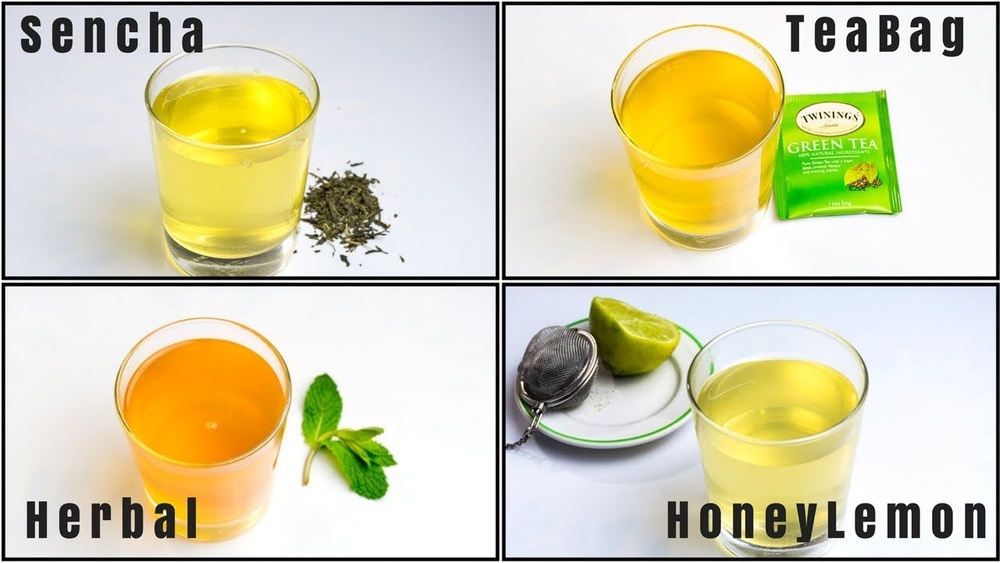
The art of brewing the perfect cup of green tea at home is a simple yet profound ritual, capable of transforming a mundane moment into an experience of tranquility and sensory delight. Far from being a mere beverage, green tea is a complex infusion, its nuanced flavors and health benefits deeply intertwined with the preparation method.
Understanding how to coax the best out of these delicate leaves involves more than just steeping; it requires attention to water temperature, steeping time, and the quality of the tea itself. Whether you’re a seasoned tea enthusiast or a curious newcomer, mastering the fundamentals of green tea preparation will unlock a world of subtle tastes and aromatic pleasures, offering a moment of calm in your day and a boost to your well-being.
This guide will demystify the process, providing you with the knowledge and techniques to consistently brew exceptional green tea in your own kitchen. From selecting the right tea to understanding the science behind optimal infusion, we’ll cover every essential step.
Prepare to elevate your daily tea-drinking habit from a simple act to a mindful practice.
Key Takeaways
- Water Temperature is Paramount: Overly hot water can scorch delicate green tea leaves, resulting in a bitter, unpleasant taste. Aim for temperatures between 160°F and 180°F (70°C to 80°C) for most green teas.
- Steeping Time Matters: Over-steeping is a common mistake that leads to bitterness. Most green teas require only 1 to 3 minutes of steeping.
- Quality of Tea is Crucial: High-quality loose-leaf green tea generally yields a superior flavor compared to tea bags.
- Rinsing Leaves (Optional but Recommended): A quick rinse can remove dust and help the leaves unfurl, enhancing flavor.
- Consider the Tea Type: Different types of green tea (e.g., Sencha, Gyokuro, Dragon Well) have slightly different optimal brewing parameters.
- Use Good Water: Filtered or spring water is preferable to tap water, which can contain minerals that affect taste.
- Preheat Your Teaware: Warming your teapot and cups helps maintain the ideal brewing temperature.
:max_bytes(150000):strip_icc()/secrets-better-green-tea--94146903135845908ea80426bd4bd2a6.jpg)
Understanding The Nuances Of Green Tea
Green tea, unlike its oxidized counterparts like black or oolong tea, is made from the *Camellia sinensis* plant leaves that have undergone minimal oxidation during processing. This preservation of the leaf’s natural state is what gives green tea its characteristic fresh, vegetal, and sometimes subtly sweet flavor profile, along with its rich antioxidant content.
The journey from leaf to cup is a delicate dance, and the brewing process is the final, critical step in unlocking its full potential.
The world of green tea is vast and diverse, encompassing varieties from Japan, China, Korea, and beyond. Each type has its own unique characteristics shaped by cultivation, harvesting, and processing methods. For instance, Japanese green teas like Sencha are often steamed, resulting in a brighter, more grassy flavor, while Chinese green teas like Dragon Well (Longjing) are typically pan-fired, lending them a nuttier, smoother profile. Understanding these differences is the first step toward appreciating the complexity of green tea and how to best prepare it.
The Science Behind The Steep: Oxidation And Flavor
The key difference between green tea and other tea varieties lies in oxidation. When tea leaves are harvested, enzymes within them begin to react with oxygen, a process called oxidation. This reaction changes the chemical composition of the leaves, altering their color, aroma, and flavor.
Black tea is fully oxidized, while oolong tea is partially oxidized. Green tea, however, is processed to halt oxidation very early on, usually through steaming (common in Japan) or pan-firing (common in China).
This minimal oxidation means that green tea retains more of its natural compounds, including catechins, a type of antioxidant. However, these delicate compounds are also more susceptible to heat. Brewing green tea with water that is too hot can cause these compounds to break down, releasing bitter tannins and destroying the subtle, nuanced flavors that make green tea so appealing.
This is why precise temperature control is so vital.
Factors Influencing The Perfect Brew
Several key elements contribute to the quality of your brewed green tea:
- Tea Leaf Quality: The foundation of any great cup of tea is the quality of the leaves. Loose-leaf tea is generally superior to tea bags, which often contain lower-grade “dust” or “fannings” that can release flavor too quickly and harshly. Look for whole or partially broken leaves with vibrant color.
- Water Quality: The taste of your tap water can significantly impact your tea. Hard water, with its high mineral content, or water with a strong chlorine taste, can mask or alter the delicate flavors of green tea. Using filtered water or spring water is highly recommended.
- Water Temperature: As discussed, this is arguably the most critical factor. Too hot, and you get bitterness; too cool, and you won’t extract enough flavor.
- Steeping Time: The duration the leaves are in contact with water dictates the strength and flavor profile. Short steeping times preserve delicate notes, while longer times can extract more caffeine and antioxidants, but also risk bitterness.
- Leaf-to-Water Ratio: The amount of tea used per volume of water affects the tea’s strength. A common starting point is one teaspoon of loose-leaf tea per 6-8 ounces of water.
Essential Tools For Brewing Green Tea
While you can technically brew green tea with just leaves and hot water, having a few key tools can significantly enhance the experience and the quality of your brew. These tools help control the variables that are crucial for a perfect cup.
The Teapot Or Infuser
Choosing the right vessel for brewing is important.
- Glass Teapots: These are excellent for visually appreciating the unfurling leaves and the color of the infusion. They are non-reactive and easy to clean. Look for teapots with a fine-mesh infuser basket that allows the leaves ample room to expand.
- Ceramic or Porcelain Teapots: These materials are classic choices, known for retaining heat well, which helps maintain a consistent brewing temperature. They are also non-reactive.
- Infuser Baskets/Balls: If you prefer to brew directly in your mug, a good quality stainless steel infuser basket is essential. Ensure it’s large enough for the leaves to expand fully. Avoid small, cramped tea balls, as they restrict leaf expansion and can lead to uneven extraction.
- Gaiwan: A traditional Chinese lidded bowl, the gaiwan is perfect for brewing green teas, especially for multiple infusions. It allows for precise control over steeping time and temperature, and its wide opening makes it easy to observe the leaves.
Water Heating Equipment
Precise temperature control is key, making the right heating tool indispensable.
- Variable Temperature Kettle: This is the gold standard for tea enthusiasts. A variable temperature electric kettle allows you to set the exact water temperature you need, taking the guesswork out of brewing. Many models have preset temperatures for different types of tea.
- Thermometer: If you don’t have a variable temperature kettle, a simple kitchen thermometer (ideally one that can read temperatures down to 160°F/70°C) can be used in conjunction with a regular kettle or even a saucepan.
- Stovetop Kettle: A basic stovetop kettle works, but requires careful monitoring to reach the desired temperature without boiling over.
Other Useful Accessories
- Tea Scoop: For accurately measuring loose-leaf tea.
- Timer: Essential for precise steeping times. Many variable temperature kettles have built-in timers.
- Mugs or Cups: Preheating your cups will help keep the tea warm for longer.

Step-by-step Guide To Brewing Green Tea
Mastering the art of brewing green tea at home is a rewarding process that involves a few key steps. By paying close attention to each stage, you can unlock the full spectrum of flavor and aroma that these delicate leaves offer.
Step 1: Select Your Green Tea
The journey begins with choosing your tea. For the best results, opt for high-quality loose-leaf green tea. Consider the origin and type:
- Japanese Sencha: Grassy, slightly oceanic, with a refreshing astringency. Best brewed around 170-175°F (75-80°C).
- Chinese Dragon Well (Longjing): Nutty, toasty, smooth. Ideal temperature is around 170-180°F (75-80°C).
- Japanese Gyokuro: Rich, umami, sweet. Requires cooler water, around 140-160°F (60-70°C).
- Chinese Gunpowder: Bold, slightly smoky, with a minty finish. Can handle slightly hotter water, around 180-185°F (80-85°C).
If you’re new to green tea, starting with a well-regarded Sencha or Dragon Well is often a good choice.
Step 2: Choose Your Water
As mentioned, water quality is paramount. Filtered or spring water is best. If you must use tap water, let it run for a minute to clear any staleness and consider using a water filter pitcher. Avoid distilled water, as it lacks the minerals that contribute to tea’s flavor.
Step 3: Heat The Water To The Correct Temperature
This is where precision pays off. Different green teas require different temperatures to prevent scorching the leaves and to properly extract their complex flavors.
- General Guideline: For most green teas, aim for 160°F to 180°F (70°C to 80°C).
- Delicate Teas (like Gyokuro): May require even cooler water, as low as 140°F (60°C).
- Bolder Teas (like Gunpowder): Can sometimes tolerate slightly higher temperatures, up to 185°F (85°C).
How to achieve the right temperature:
- Variable Temperature Kettle: Set your desired temperature and let the kettle do the work.
- Regular Kettle: Bring water to a boil, then let it cool. A general rule of thumb is to let boiling water sit for 2-5 minutes to cool down to the target range, but this varies greatly depending on the kettle and ambient temperature. Using a thermometer is the most accurate method.
- Microwave (Use with Caution): Heat water in a microwave-safe container. Stop heating just before it boils, or heat to boiling and then let it cool significantly. Be aware that microwaves can heat water unevenly.
Step 4: Preheat Your Teaware
While the water is heating or cooling, pour a little hot water into your teapot and cups, swirl it around, and then discard it. This preheating ritual ensures that the brewing temperature remains stable and doesn’t drop too quickly when the hot water meets a cool vessel.
Step 5: Measure And Add Tea Leaves
Use a tea scoop or a spoon to measure your loose-leaf tea. A good starting point is one teaspoon (about 2-3 grams) per 6-8 ounces (180-240 ml) of water. Adjust this ratio based on your preference for strength and the specific tea you are using. Place the leaves into your teapot’s infuser or directly into the brewing vessel if using a gaiwan.
Step 6: The Rinse (optional But Recommended)
For some green teas, especially tightly rolled ones like Gunpowder or some Chinese varieties, a quick rinse can be beneficial. Pour a small amount of hot water (at the brewing temperature) over the leaves and immediately discard the water. This helps to wash away any dust and allows the leaves to begin unfurling, preparing them for a better infusion.
Step 7: Infuse The Tea
Pour the heated water (at the correct temperature) over the tea leaves. Start your timer immediately.
- Steeping Time: For most green teas, 1 to 3 minutes is sufficient.
- Japanese Sencha: 45 seconds to 1 minute.
- Chinese Dragon Well: 1 to 2 minutes.
- Gyokuro: 1 to 1.5 minutes.
- Gunpowder: 2 to 3 minutes.
It’s always best to consult the specific recommendations for your tea if available. Under-steeping is better than over-steeping, as you can always steep for a little longer if the flavor is too weak, but you can’t undo bitterness from over-steeping.
Step 8: Stop The Infusion
Once the steeping time is complete, promptly remove the infuser basket from the teapot or mug, or pour the tea from the gaiwan into a serving pitcher (gong dao bei) and then into cups. This stops the leaves from continuing to steep and releasing bitter compounds. If brewing loose in a pot without an infuser, you can pour the tea through a fine-mesh sieve into your cups.
Step 9: Enjoy And Re-steep (optional)
Savor the aroma and taste of your freshly brewed green tea. Many high-quality loose-leaf green teas can be re-steeped multiple times. Subsequent infusions may require slightly higher water temperatures or longer steeping times, and will often reveal new layers of flavor. Experiment with the second and third infusions to discover their unique characteristics.
Common Mistakes To Avoid When Brewing Green Tea
Even with the best intentions, a few common pitfalls can detract from your green tea experience. Being aware of these mistakes can help you consistently brew a more enjoyable cup.
Over-heating The Water
This is the most frequent culprit behind bitter green tea. When water is too hot, it scalds the delicate leaves, releasing excessive amounts of tannins and catechins that translate to a harsh, unpleasant taste. Always use a thermometer or a variable temperature kettle to ensure you’re within the optimal range of 160°F to 180°F (70°C to 80°C) for most green teas. For particularly delicate varieties like Gyokuro, even cooler temperatures are necessary.
Over-steeping The Leaves
Just as crucial as water temperature is steeping time. Leaving the leaves in hot water for too long will also result in bitterness. Green tea leaves are designed to release their flavor gradually. Rushing this process or leaving them in too long over-extracts the compounds that contribute to astringency. Stick to the recommended steeping times, typically between 1 to 3 minutes. It’s always better to start with a shorter steep and taste; you can always steep a little longer if needed.
Using Poor Quality Water
Your tea is made mostly of water, so the quality of your water directly impacts the final taste. Tap water often contains chlorine, minerals, or other impurities that can impart off-flavors, masking the subtle notes of the green tea. Using filtered or spring water makes a noticeable difference in clarity and taste. Avoid distilled water, as it lacks the necessary minerals for optimal flavor extraction.
Using Low-quality Tea
While convenience can be tempting, tea bags often contain fannings and dust, which are the smallest particles of tea leaves. These brew very quickly and can release bitter flavors easily. They also lack the space to properly unfurl and release their full aroma and flavor profile. Investing in high-quality loose-leaf green tea will provide a significantly richer and more nuanced experience. Look for whole or broken leaves that are vibrant and fragrant.
Not Allowing Leaves To Expand
Tea leaves need space to unfurl and release their flavor into the water. Using a cramped tea ball infuser or a teapot with a very small infuser basket can restrict this expansion. This leads to uneven extraction and a weaker, less flavorful brew. Opt for infusers with ample space for the leaves to move freely, or brew directly in a teapot or gaiwan without an infuser, using a strainer when pouring.
Not Preheating Teaware
Pouring hot water into a cold teapot or mug causes a significant drop in temperature. This can lead to under-extraction and a lukewarm cup of tea. A simple preheating step, swirling a bit of hot water in your vessels before brewing, maintains the optimal brewing temperature for a more consistent and flavorful infusion.
Exploring Different Types Of Green Tea And Their Brewing Parameters
The world of green tea is wonderfully diverse, with each type offering a unique sensory experience. While the general principles of brewing green tea apply across the board, subtle adjustments in water temperature and steeping time can significantly enhance the enjoyment of specific varieties.
Understanding these nuances allows you to tailor your brewing to the tea’s origin and processing.
Japanese Green Teas
Japanese green teas are typically processed using steam, which halts oxidation and results in a bright, vegetal, and often oceanic flavor profile.
- Sencha: The most popular Japanese green tea. It has a balanced flavor with grassy notes and a refreshing finish.
- Water Temperature: 170-175°F (75-80°C)
- Steeping Time: 45 seconds to 1 minute. For subsequent infusions, increase time slightly.
- Gyokuro: A shade-grown tea, prized for its rich, sweet, umami flavor. Its delicate nature requires cooler water.
- Water Temperature: 140-160°F (60-70°C)
- Steeping Time: 1 to 1.5 minutes. Re-steeps very well.
- Matcha: Finely ground powder of specially grown and processed green tea leaves. It’s whisked into water, not steeped.
- Water Temperature: 175°F (80°C)
- Preparation: Sift 1-2 tsp of matcha into a bowl, add a small amount of hot water, and whisk vigorously until frothy.
- Bancha: A later harvest tea, often coarser leaves. It has a more robust, sometimes slightly smoky flavor.
- Water Temperature: 175-180°F (80-82°C)
- Steeping Time: 1 to 2 minutes.
Chinese Green Teas
Chinese green teas are often pan-fired, which imparts a slightly toasty or nutty character.
- Dragon Well (Longjing): A famous pan-fired tea known for its flat, jade-green leaves and smooth, nutty, slightly sweet flavor.
- Water Temperature: 170-180°F (75-80°C)
- Steeping Time: 1 to 2 minutes. Often good for multiple infusions.
- Gunpowder: Leaves are rolled into small pellets resembling gunpowder. It has a bolder, slightly smoky flavor with a hint of mint.
- Water Temperature: 180-185°F (80-85°C)
- Steeping Time: 2 to 3 minutes. Can handle hotter water and longer steeps than many other green teas.
- Biluochun: Known for its delicate, fruity, and floral aroma, with tightly spiraled leaves.
- Water Temperature: 170-175°F (75-80°C)
- Steeping Time: 1 to 2 minutes.
Comparison Of Brewing Parameters
Here’s a table summarizing the recommended brewing parameters for some popular green teas:
| Tea Type | Origin | Processing Method | Recommended Water Temperature (°F) | Recommended Water Temperature (°C) | Typical Steeping Time (Minutes) | Flavor Profile |
|---|---|---|---|---|---|---|
| Sencha | Japan | Steamed | 170-175 | 75-80 | 0.75 – 1 | Grassy, vegetal, refreshing, slightly astringent |
| Gyokuro | Japan | Shade-grown, Steamed | 140-160 | 60-70 | 1 – 1.5 | Rich, sweet, umami, vegetal |
| Matcha | Japan | Shade-grown, Steamed, Ground | 175 | 80 | N/A (Whisked) | Intense, rich, vegetal, slightly bitter |
| Dragon Well | China | Pan-fired | 170-180 | 75-80 | 1 – 2 | Nutty, toasty, smooth, slightly sweet |
| Gunpowder | China | Pan-fired | 180-185 | 80-85 | 2 – 3 | Bold, smoky, slightly minty, robust |
| Biluochun | China | Pan-fired | 170-175 | 75-80 | 1 – 2 | Fruity, floral, delicate, light |
*Note: These are general guidelines. Always refer to the specific recommendations provided by your tea vendor if available, as variations in harvest and processing can influence optimal brewing.*
The Health Benefits Of Green Tea
Beyond its delightful taste and aroma, green tea is celebrated for its significant health benefits, largely attributed to its rich concentration of antioxidants, particularly catechins like epigallocatechin gallate (EGCG). These compounds are believed to
Leave a Reply