
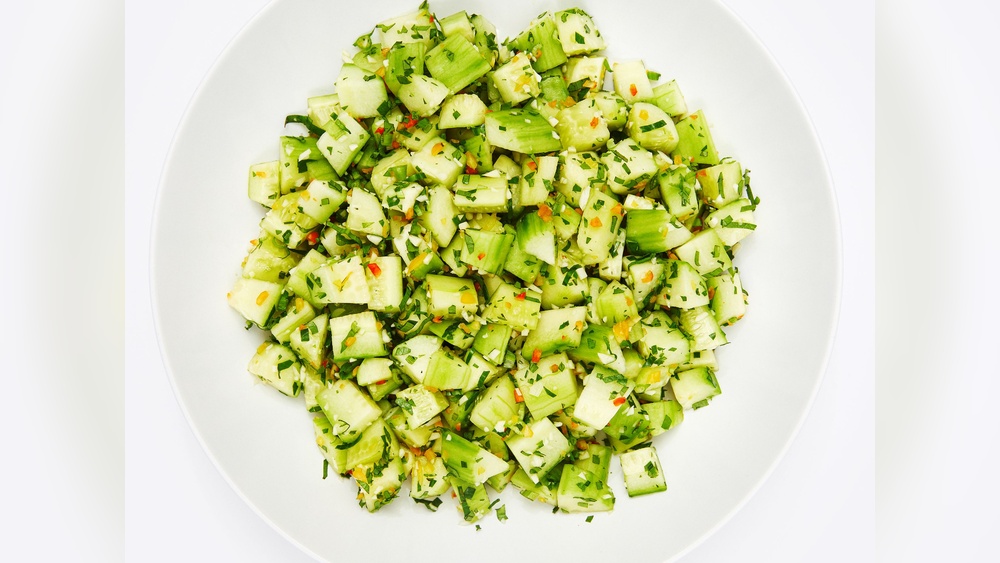
Cucumber chow chow is a delightful condiment that offers a unique blend of sweet, sour, and spicy flavors, making it a versatile addition to any meal. Originating from the American South, this relish-style preserve is traditionally made with finely chopped cucumbers, onions, peppers, and a blend of spices, all simmered in a tangy brine.
It’s the perfect accompaniment to savory dishes like barbecue, fried chicken, and sandwiches, adding a refreshing crunch and a burst of flavor.
Creating your own cucumber chow chow at home might seem daunting, but it’s a rewarding process that allows you to customize the taste to your exact preferences. From adjusting the spice level to experimenting with different vinegars, the possibilities are endless.
This guide will walk you through everything you need to know to make a delicious batch of cucumber chow chow, from selecting the best ingredients to proper canning techniques for long-term storage.
Key Takeaways
- Cucumber chow chow is a Southern relish made from chopped cucumbers, onions, peppers, and spices, preserved in a sweet and tangy brine.
- It complements a wide range of savory dishes, adding a unique flavor and crunchy texture.
- Homemade chow chow allows for customization of ingredients and spice levels.
- Key steps include preparing the vegetables, making the brine, cooking the mixture, and proper canning for preservation.
- Using fresh, high-quality ingredients is crucial for the best flavor and texture.
- Proper sterilization of jars and lids is essential for safe canning.

Understanding Cucumber Chow Chow: A Southern Staple
Cucumber chow chow is more than just a condiment; it’s a piece of culinary history, deeply rooted in the traditions of Southern American cuisine. Its origins can be traced back to resourceful home cooks who sought to preserve the bounty of their gardens, particularly cucumbers, during the peak harvest season.
The “chow chow” name itself is thought to derive from the French word “chou,” meaning cabbage, though the Southern version is distinctly cucumber-forward. This relish embodies a spirit of preservation and flavor enhancement, transforming simple ingredients into a complex and delicious accompaniment.
The magic of cucumber chow chow lies in its balanced flavor profile. The sweetness comes from sugar, the tanginess from vinegar, and the heat can be adjusted with various types of peppers. This interplay of tastes makes it incredibly versatile.
It cuts through the richness of fried foods, adds a bright counterpoint to smoked meats, and provides an unexpected zest to everyday sandwiches. Its texture, a delightful mix of tender vegetables and a slightly crisp bite, further enhances its appeal.
Understanding these fundamental characteristics helps in appreciating why this relish has endured as a beloved staple.

Selecting The Best Ingredients For Your Chow Chow
The quality of your cucumber chow chow hinges significantly on the quality of the ingredients you choose. For this relish, freshness and the right variety of produce are paramount.
Cucumbers: The Star Of The Show
When selecting cucumbers for chow chow, opt for varieties that are firm, crisp, and have thin skins. Kirby cucumbers are an excellent choice due to their ideal texture and minimal seed development. Slicing cucumbers like English cucumbers can also work, but be mindful of their larger seed cavities, which might require scooping out before chopping. Avoid pickling cucumbers if you’re aiming for a specific texture, as they are bred for a different kind of preservation. Always choose unblemished cucumbers, free from soft spots or yellowing, as these can indicate over-ripeness or spoilage.
Peppers: Adding Heat And Color
Chow chow typically includes a mix of bell peppers and hotter varieties. For color and a mild sweetness, red and green bell peppers are standard. For heat, consider adding jalapeños or serrano peppers. The number of hot peppers you include will directly impact the spice level of your final product. If you prefer a milder chow chow, remove the seeds and membranes from the hot peppers, as this is where most of the capsaicin (the compound responsible for heat) resides. For an extra kick and a more complex flavor, some recipes even call for a small amount of habanero or cayenne peppers, but use these with extreme caution.
Onions And Other Aromatics
Yellow onions are generally preferred for their balanced flavor, which sweetens nicely when cooked. Sweet onions like Vidalia or Walla Walla can also be used for a sweeter relish. You might also incorporate garlic for an added layer of savory depth.
Spices And Seasonings: The Flavor Architects
The spice blend is where much of the chow chow’s distinctive character comes from. Common spices include:
- Mustard powder: Provides a classic tangy, slightly pungent base.
- Turmeric: Adds a vibrant yellow color and a subtle earthy note.
- Celery seed: Contributes a distinct aromatic flavor that pairs beautifully with cucumbers.
- Black pepper: For a general peppery warmth.
- Red pepper flakes: To enhance the heat, if desired.
- Cinnamon or cloves: Some recipes include a pinch of these warm spices for complexity, especially around the holidays.
Vinegar And Sugar: The Balancing Act
The brine is typically made with white vinegar for a clean, sharp acidity. Apple cider vinegar can be used for a slightly fruitier, milder tang. Granulated sugar is the sweetener of choice, but brown sugar can add a molasses note if desired, though it might alter the color.
The Essential Chow Chow Recipe: A Step-by-step Guide
This recipe provides a balanced flavor profile that can be adjusted to your liking. It yields approximately 6-8 pints of chow chow.
Ingredients:
- 4 pounds cucumbers (about 8-10 medium Kirby cucumbers)
- 2 pounds yellow onions (about 4 medium)
- 1 large red bell pepper
- 1 large green bell pepper
- 2-4 jalapeño peppers (or to taste), seeds and membranes removed for less heat
- 1/4 cup pickling salt (or kosher salt), for drawing out moisture
- 4 cups white vinegar (5% acidity)
- 2 cups granulated sugar
- 1/4 cup mustard powder
- 2 tablespoons turmeric
- 1 tablespoon celery seed
- 1 tablespoon black pepper
- 1 teaspoon red pepper flakes (optional, for extra heat)
Equipment:
- Large non-reactive bowls (glass, ceramic, or stainless steel)
- Sharp knife or food processor with a chopping blade
- Large non-reactive pot or Dutch oven
- Canning jars (pint or quart size) with lids and bands
- Canning funnel
- Jar lifter
- Large pot for water bath canning (if canning)
- Ladle
Instructions:
- Prepare the Vegetables:
- Wash cucumbers thoroughly. Trim off the ends. You can peel them if the skins are thick or waxed, but thin-skinned cucumbers like Kirby can be left unpeeled. If using larger cucumbers, you may want to scoop out the seeds.
- Chop the cucumbers into small, uniform pieces. A food processor can speed this up, but be careful not to over-process into a mush. Aim for a coarse chop.
- Peel and coarsely chop the onions.
- Core, seed, and coarsely chop the bell peppers and jalapeños.
- Salt and Drain:
- In a large non-reactive bowl, combine the chopped cucumbers, onions, and peppers.
- Sprinkle the pickling salt over the vegetables and toss well to combine.
- Cover the bowl and let it sit at room temperature for at least 2-3 hours, or refrigerate for up to 12 hours. This process, known as salting, draws out excess moisture, which helps to prevent the chow chow from becoming watery and ensures a better texture.
- After salting, drain the vegetables thoroughly in a colander. Rinse the vegetables under cold running water to remove excess salt and then drain again very well, pressing gently to remove as much liquid as possible.
- Prepare the Brine:
- In a large non-reactive pot or Dutch oven, combine the white vinegar, granulated sugar, mustard powder, turmeric, celery seed, black pepper, and optional red pepper flakes.
- Stir well to combine.
- Cook the Chow Chow:
- Add the well-drained vegetables to the pot with the brine mixture.
- Stir everything together.
- Bring the mixture to a boil over medium-high heat, stirring occasionally.
- Once boiling, reduce the heat to low, cover the pot, and simmer for about 20-30 minutes. Stir occasionally to prevent sticking. The vegetables should be tender but still retain a slight bite. Be careful not to overcook, as they will continue to soften as they cool.
- Jarring (for Refrigeration or Canning):
- For immediate use or refrigeration: Let the chow chow cool completely in the pot. Transfer it to clean jars or airtight containers and store in the refrigerator. It will keep for several weeks.
- For canning (water bath method):
- Sterilize your canning jars, lids, and bands by boiling them in water for at least 10 minutes. Keep them hot until ready to fill.
- Using a canning funnel and ladle, fill the hot jars with the hot chow chow mixture, leaving about 1/2 inch of headspace (the space between the top of the food and the rim of the jar).
- Wipe the rims of the jars with a clean, damp cloth to remove any residue.
- Place the lids on the jars and screw on the bands until fingertip tight.
- Carefully place the filled jars into a boiling water bath canner (or a large pot with a rack). Ensure the jars are covered by at least 1 inch of water.
- Bring the water back to a rolling boil, then process the jars for 15 minutes (for half-pint or pint jars) at sea level. Adjust processing time for higher altitudes if necessary.
- After processing, turn off the heat, remove the canner lid, and let the jars sit in the hot water for 5 minutes.
- Carefully remove the jars from the canner using a jar lifter and place them on a towel-lined counter to cool completely, undisturbed, for 12-24 hours. You should hear a “ping” sound as the lids seal.
- Check seals by pressing the center of each lid. If it doesn’t flex, the jar is sealed. Unsealed jars should be refrigerated and used within a few weeks.
- Remove the bands from sealed jars, wipe them clean, and store the jars with the lids on. Properly canned chow chow will last for at least a year.
Variations And Customizations
While the classic recipe is delicious, don’t hesitate to experiment. The beauty of homemade chow chow is its adaptability.
Spice Level Adjustments
The easiest way to customize your chow chow is by adjusting the heat. For a milder version, omit the jalapeños entirely or use only one with seeds and membranes removed. For a fiery kick, add more jalapeños, use hotter peppers like serranos or habaneros, or increase the red pepper flakes.
In my experience, starting with fewer hot peppers and adding more later, if desired, is a safer bet than overdoing it initially.
Sweetness And Tanginess Control
You can slightly alter the sweetness and tanginess by adjusting the sugar and vinegar ratios. For a sweeter chow chow, add an extra 1/4 to 1/2 cup of sugar. For a tangier profile, increase the vinegar by 1/4 to 1/2 cup. However, be cautious when altering these ratios, as they are crucial for the preservation process, especially in canning. Always maintain at least a 1:1 ratio of vinegar to sugar for adequate acidity.
Adding Other Vegetables
Some regional variations include other vegetables. Finely chopped cabbage can be added along with the onions and peppers for a more traditional relish texture. Small amounts of finely diced carrots can add color and a hint of sweetness. Green tomatoes can also be incorporated for a slightly different flavor profile and texture.
Herb And Spice Innovations
Beyond the standard spices, consider adding:
- Dill seed: For a flavor reminiscent of dill pickles.
- Ground ginger: A small amount can add a warm, zesty note.
- Bay leaf: Add one or two to the pot while cooking and remove before jarring.
- Fresh herbs: While not typical for canning, you could add finely chopped fresh dill or parsley to batches intended for immediate refrigeration.
Troubleshooting Common Chow Chow Issues
Even with careful preparation, you might encounter challenges. Here’s how to address them:
Watery Chow Chow
This is often due to insufficient draining after salting. Ensure you press out as much liquid as possible from the vegetables. If the chow chow is still too thin after cooking, you can simmer it uncovered for a bit longer to allow some of the liquid to evaporate, but be careful not to overcook the vegetables.
Mushy Texture
Overcooking is the primary culprit. Vegetables should be tender-crisp, not falling apart. Reduce the simmering time. Also, over-processing in a food processor can lead to a mushy texture. A coarse chop is best.
Off-flavors Or Spoilage
This is usually a result of improper canning techniques. Always use clean, sterilized jars and lids, ensure proper headspace, and follow the correct processing times for water bath canning. If a jar fails to seal, refrigerate it immediately and use it first.
Any chow chow with a metallic smell, mold, or unusual cloudiness should be discarded.
Too Salty
If you find your chow chow too salty after cooking, you can try rinsing the cooked vegetables briefly under cold water and then re-draining them thoroughly. However, this might slightly alter the flavor and texture. It’s best to be mindful of the salt during the salting stage.
Serving Suggestions: Beyond The Barbecue Pit
Cucumber chow chow is incredibly versatile and can elevate many dishes. While it’s a classic pairing with Southern comfort foods, its bright, tangy flavor profile makes it suitable for a much wider culinary landscape.
With Meats And Poultry
- Barbecue: Pulled pork, brisket, ribs, chow chow cuts through the richness and adds a refreshing contrast.
- Fried Chicken: A classic pairing that provides a tangy counterpoint to the crispy, savory chicken.
- Sandwiches and Burgers: Adds a gourmet touch to ham sandwiches, turkey clubs, grilled cheese, and burgers.
- Hot Dogs: A flavorful alternative to traditional relish or ketchup.
- Roast Meats: Serve alongside roasted pork loin, turkey, or beef for an added flavor dimension.
With Seafood
- Fried Fish: Particularly good with catfish or other white fish.
- Shrimp: A dollop can add zest to shrimp salads or remoulade sauces.
In Dips And Salads
- Tuna or Chicken Salad: Finely chop the chow chow and mix it in for an extra layer of flavor and texture.
- Deviled Eggs: A small amount of finely minced chow chow adds a surprising tang to the yolk mixture.
- Cream Cheese Dip: Mix with softened cream cheese for a savory spread served with crackers.
As A Side Dish
- Potato Salad: A tablespoon or two can add a unique twist.
- Coleslaw: Incorporate it into your coleslaw dressing for a relish-like kick.
- Grain Bowls: Adds a bright, acidic element to hearty grain bowls.
Comparison: Chow Chow Vs. Other Relishes
Cucumber chow chow occupies a unique space in the world of relishes. Understanding its differences from other popular condiments can help you choose the right one for your meal.
| Relish Type | Primary Ingredient(s) | Texture | Flavor Profile | Common Uses |
|---|---|---|---|---|
| **Cucumber Chow Chow** | Cucumbers, peppers, onions | Chunky, crunchy | Sweet, tangy, slightly spicy | BBQ, fried chicken, sandwiches, burgers, hot dogs |
| **Sweet Pickle Relish** | Cucumbers (pickled) | Finely chopped, soft | Very sweet, slightly vinegary | Hot dogs, burgers, tuna salad, egg salad |
| **Corn Relish** | Corn kernels, peppers, onions | Chewy, tender | Sweet, savory, often spiced (e.g., with cumin) | Tacos, grilled meats, side dish, dips |
| **Piccalilli** | Mixed vegetables (cauliflower, gherkins, onions, peppers) | Chunky, firm | Tangy, sharp, mustard-forward, often spiced with turmeric | Sandwiches, Ploughman’s lunch, cheese boards, sausages |
| **Salsa** | Tomatoes, onions, peppers, cilantro | Chunky, fresh | Fresh, spicy, acidic, herbaceous | Mexican cuisine, chips, grilled meats, fish |
As you can see, cucumber chow chow stands out with its distinct chunky texture and a balanced sweet-tangy-spicy profile, primarily driven by cucumbers rather than pickles or other vegetables.
Frequently Asked Questions
What Is The Best Type Of Cucumber To Use For Chow Chow?
The best cucumbers for chow chow are firm, crisp varieties with thin skins and minimal seeds, such as Kirby cucumbers. These hold their shape well during cooking and salting, contributing to a better final texture. If you use larger slicing cucumbers, it’s advisable to scoop out the seeds to prevent a watery result.
How Long Does Homemade Cucumber Chow Chow Last?
When properly canned using the water bath method, homemade cucumber chow chow can last for at least one year when stored in a cool, dark place. If you choose to refrigerate it without canning, it will typically keep for 3-4 weeks. Always check for signs of spoilage before consuming.
Can I Make Cucumber Chow Chow Without Canning It?
Absolutely. If you don’t plan to can your chow chow, you can simply let it cool completely after cooking and store it in airtight containers in the refrigerator. This refrigerated version is best consumed within a few weeks for optimal freshness and flavor.
Why Is My Chow Chow Watery?
A watery chow chow is usually a result of insufficient draining after the salting process. The salt is crucial for drawing out excess moisture from the vegetables. Ensure you allow ample time for draining (at least 2-3 hours) and press out as much liquid as possible before cooking. Overcooking can also contribute to a thinner consistency if the vegetables break down too much.
How Can I Make My Chow Chow Spicier?
To increase the heat, you can add more jalapeño peppers or use hotter varieties like serrano or even habanero peppers. Remember to remove the seeds and membranes from the peppers for a cleaner heat, or leave them in for an even more intense kick. You can also increase the amount of red pepper flakes in the recipe. Always start with a smaller amount of hot peppers and taste as you go, adding more if desired.
Cucumber chow chow is a testament to the art of preserving and enhancing flavor. From its humble Southern roots to its versatile presence on modern tables, this relish offers a unique culinary experience. Whether you’re a seasoned canner or trying your hand at it for the first time, the process of creating your own batch is incredibly rewarding.
The ability to tailor the ingredients, spice level, and sweetness ensures a result that perfectly suits your palate. Enjoy the vibrant flavors and satisfying crunch that homemade cucumber chow chow brings to your favorite dishes, and savor a taste of tradition that remains as relevant and delicious today as it ever was.
Leave a Reply