
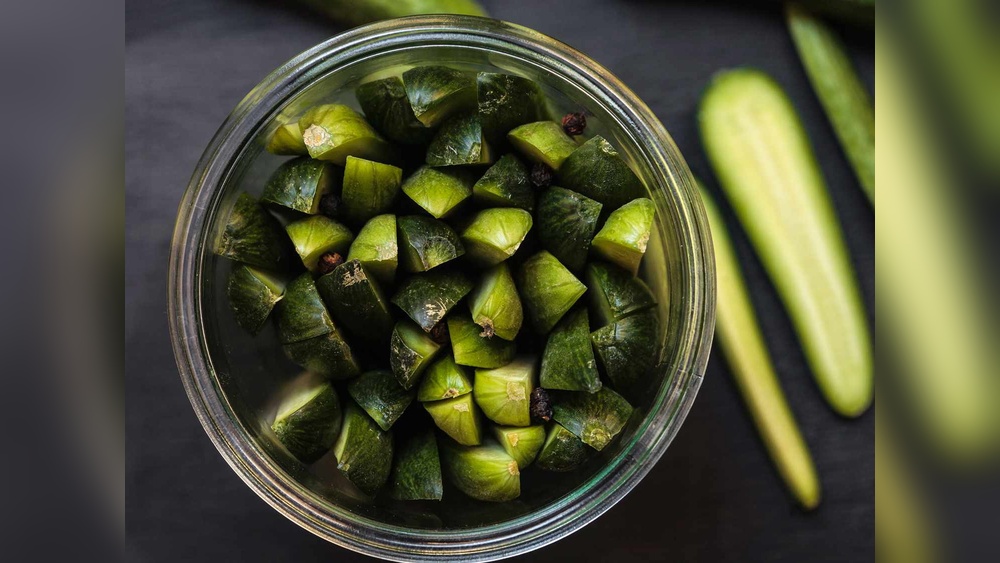
The humble pickle, a briny, crunchy delight, has been a culinary staple for centuries. From its origins as a preservation method to its current status as a beloved snack and condiment, the pickle’s journey is as rich as its flavor.
But achieving that perfect, satisfying crunch at home can sometimes feel like a culinary quest. Many home cooks find their homemade pickles turn out disappointingly soft or soggy, lacking the crisp texture that makes a great pickle truly exceptional.
Fear not, aspiring picklers! The secret to achieving consistently crunchy pickles lies in understanding a few key principles and employing specific techniques. It’s not about magic, but about science and attention to detail. By mastering the right ingredients, proper preparation, and careful brining, you can transform your kitchen into a pickle-making paradise, producing jars of crisp, flavorful pickles that rival any deli or gourmet shop.
Key Takeaways
- Choose the Right Cucumber: Small, firm, unwaxed pickling cucumbers like Kirby or Persian varieties are best for crunch.
- Maintain Crispness: Use calcium chloride or grape leaves to help preserve cucumber cell structure.
- Proper Brine Balance: The correct ratio of vinegar, water, salt, and sugar is crucial for both flavor and texture.
- Temperature Control: Refrigeration during the brining process helps maintain crispness.
- Avoid Over-Processing: Overcooking or over-fermenting can lead to mushy pickles.
- Freshness Matters: Use fresh ingredients and process pickles promptly.

Selecting The Perfect Cucumber For Maximum Crunch
The foundation of any great crunchy pickle is, undeniably, the cucumber itself. Not all cucumbers are created equal when it comes to pickling, and choosing the right variety is the first, and arguably most critical, step towards achieving that sought-after snap.
Ideal Cucumber Varieties
For the crispiest pickles, you’ll want to seek out cucumbers specifically bred for pickling. These tend to be smaller, firmer, and have thinner skins than slicing cucumbers.
- Kirby Cucumbers: These are the quintessential pickling cucumbers in North America. They are firm, bumpy, and have a relatively thin skin, making them ideal for absorbing brine without becoming waterlogged.
- Persian Cucumbers: While often used for salads, Persian cucumbers (also known as mini cucumbers) can also make excellent pickles. They are seedless or have very small seeds and are typically quite firm.
- English Cucumbers (Seedless): These can work in a pinch, but their larger size and often thinner skin can sometimes result in a less crisp pickle. If using, ensure they are very fresh and firm.
What To Avoid
- Slicing Cucumbers: Varieties like the American slicing cucumber are bred for their tender skin and high water content, which can lead to a softer, less crunchy pickle.
- Waxed Cucumbers: Many commercially grown cucumbers are waxed to preserve moisture and extend shelf life. This wax can prevent the brine from penetrating the cucumber effectively, leading to uneven pickling and a less desirable texture. Always opt for unwaxed varieties, or wash waxed cucumbers thoroughly to remove as much wax as possible.
- Overripe Cucumbers: Cucumbers with yellowing skin or soft spots should be avoided. They are past their prime for pickling and will likely yield a mushy result.
Size And Firmness
Regardless of the variety, always select cucumbers that are small, firm, and heavy for their size. Gently press on the cucumber; it should feel solid and unyielding. Avoid any with soft spots or blemishes. The smaller the cucumber, the less likely it is to have developed large, watery seeds, which can contribute to a softer texture.
Prepping Your Cucumbers For Peak Crispness
Once you’ve selected your cucumbers, proper preparation is key to locking in that desirable crunch. This involves cleaning, trimming, and sometimes even a pre-treatment step.
Thorough Washing And Trimming
Start by washing your cucumbers thoroughly under cold running water. Use a vegetable brush to gently scrub away any dirt or debris, especially from the bumpy skins of Kirby cucumbers. Trim off the blossom end of each cucumber. This end contains enzymes that can soften the pickles.
Some picklers also trim the stem end, though the primary concern is the blossom end.
Slicing Vs. Whole Pickles
The way you cut your cucumbers can affect their crunch.
- Whole Pickles: These often retain the most crunch as the skin and flesh remain intact, creating a barrier against rapid softening. However, they take longer to brine and absorb flavor.
- Spears or Slices: Cutting cucumbers into spears or slices allows the brine to penetrate more quickly, speeding up the pickling process and infusing flavor faster. For maximum crunch in sliced pickles, aim for slices that are not too thin, about 1/4 to 1/2 inch thick is ideal. Thinner slices are more prone to becoming soggy.
The Salting Trick (optional But Recommended)
Many experienced picklers swear by a pre-salting step to draw out excess moisture from the cucumbers. This process, sometimes called “sweating,” can significantly improve the final crunch.
- Slice or halve your cucumbers.
- Layer them in a colander with a generous sprinkling of non-iodized salt (kosher salt or pickling salt) between each layer. Use about 1 tablespoon of salt per pound of cucumbers.
- Place the colander over a bowl or in the sink.
- Let them sit for 1 to 3 hours. You’ll see a significant amount of liquid drain from the cucumbers.
- Rinse the cucumbers thoroughly under cold water to remove all the salt.
- Pat them completely dry with paper towels. This is a crucial step; any remaining surface moisture can dilute your brine.
This process removes water from the cucumber’s cells, making them firmer and more receptive to the pickling brine while also helping them resist becoming mushy.

Crafting The Perfect Brine For Crunchy Pickles
The brine is the heart of your pickle, providing flavor, preservation, and, crucially, contributing to texture. A well-balanced brine is essential for both taste and that satisfying crunch.
Understanding Brine Components
A typical pickle brine consists of four main components:
- Vinegar: Provides acidity, which is key for preservation and flavor. Use distilled white vinegar for a clean, sharp taste, or apple cider vinegar for a slightly fruitier note. A common ratio is 1:1 vinegar to water, but this can be adjusted.
- Water: Dilutes the vinegar to a palatable level and helps create the pickling liquid.
- Salt: Essential for flavor and preservation. It also plays a role in texture by drawing out moisture. Use non-iodized salt like kosher salt or pickling salt. Iodized salt can make pickles cloudy and impart an off-flavor.
- Sugar (Optional): Adds a touch of sweetness and can balance the acidity. The amount can be adjusted to your preference.
The Golden Ratio: Vinegar, Water, Salt, And Sugar
While recipes vary, a good starting point for a crunchy pickle brine is often a 1:1 ratio of vinegar to water. For every 2 cups of liquid (1 cup vinegar, 1 cup water), you’ll typically use:
- 1 to 2 tablespoons of kosher salt (or 3/4 to 1.5 tablespoons of pickling salt)
- 1 to 4 tablespoons of sugar (optional, adjust to taste)
Example Brine Recipe (for approximately 4 cups of brine):
- 2 cups distilled white vinegar (5% acidity)
- 2 cups water
- 2 tablespoons kosher salt
- 2 tablespoons sugar (optional)
Spices And Aromatics: Flavor Enhancers
While not directly related to crunch, the right spices and aromatics elevate your pickles from simple preserved cucumbers to culinary delights. Common additions include:
- Dill: Fresh dill sprigs or dried dill weed are classic.
- Garlic: Whole cloves, smashed or peeled.
- Peppercorns: Black, white, or mixed peppercorns.
- Mustard Seeds: Yellow or brown.
- Coriander Seeds
- Bay Leaves
- Red Pepper Flakes: For a touch of heat.
Add these to your jars before pouring in the brine.
Heating The Brine
To ensure the salt and sugar dissolve completely and to infuse the spices, the brine should be heated.
- Combine vinegar, water, salt, and sugar (if using) in a saucepan.
- Add your desired spices and aromatics.
- Bring the mixture to a boil over medium-high heat, stirring until the salt and sugar are dissolved.
- Reduce heat and simmer for 5 minutes to allow flavors to meld.
- Let the brine cool slightly before pouring it over the cucumbers in the jars. Pouring boiling hot brine can sometimes cook the cucumbers, leading to a softer texture.

The Secret Weapons: Preserving Crispness With Additives
Beyond the cucumber and the brine, certain natural additives can act as allies in your quest for ultimate crunch. These work by providing calcium, which strengthens the pectin in the cucumber cell walls, making them more resistant to softening.
Calcium Chloride: The Professional’s Choice
Calcium chloride is a food-grade salt that is widely used commercially for its remarkable ability to maintain the crispness of pickles. It’s readily available in powder or pellet form from canning supply stores or online.
- How to Use: Add about 1/4 to 1/2 teaspoon of calcium chloride per quart (32 oz) jar of pickles directly into the jar before adding the brine. Alternatively, you can dissolve it in the brine itself. Follow product instructions carefully, as too much can affect flavor.
- Benefits: It’s highly effective and doesn’t significantly alter the taste of the pickles.
Grape Leaves, Oak Leaves, Or Horseradish Leaves
For a more traditional, natural approach, certain leaves contain tannins that act similarly to calcium chloride.
- Grape Leaves: A classic addition. Use fresh leaves (ensure they are from a source not treated with pesticides) or canned, unseasoned grape leaves. Place one or two leaves at the bottom of the jar and/or on top of the packed cucumbers.
- Oak Leaves: Similar to grape leaves, they contain tannins that help preserve crispness. Ensure they are clean and pesticide-free.
- Horseradish Root or Leaves: The root itself adds flavor, but the leaves also contain tannins that aid in crispness.
Pro Tip: While these natural additives are helpful, they are not a substitute for proper cucumber selection, preparation, and brine balance. They are best used in conjunction with other best practices.
The Brining Process: Refrigerator Vs. Countertop Pickling
The method you choose for brining, refrigeration or room temperature fermentation, will significantly impact both flavor development and texture. For maximum, consistent crunch, refrigerator pickling (also known as quick pickling) is generally the preferred method.
Refrigerator Pickling (quick Pickles)
This method involves submerging prepared cucumbers and flavorings in a vinegar-based brine and storing them in the refrigerator.
- Pack Jars: Tightly pack your prepared cucumbers into clean jars. Add your desired spices and aromatics (garlic, dill, peppercorns, etc. ).
- Add Calcium Source (Optional): If using, add your calcium chloride, grape leaf, or other crisping agent now.
- Pour Brine: Pour the slightly cooled brine over the cucumbers, ensuring they are fully submerged. Leave about 1/2 inch of headspace at the top of the jar.
- Seal and Refrigerate: Wipe the jar rims clean, secure the lids, and place the jars in the refrigerator.
- Wait: Pickles are typically ready to eat within 24-48 hours, but the flavor and texture continue to develop over the next few days. They will reach peak crunchiness within the first week.
Advantages for Crunch:
- Low Temperature: The cold environment inhibits the growth of softening bacteria and slows down the natural enzymatic processes that can break down cucumber cell walls.
- Vinegar Dominance: The high acidity of the brine works quickly to preserve the cucumber without extensive fermentation, which can sometimes lead to softer textures.
- Faster Results: You can enjoy crunchy pickles much sooner than with fermentation.
Fermented Pickles (lacto-fermentation)
This traditional method relies on beneficial bacteria (lactobacillus) naturally present on the cucumber skins to convert sugars into lactic acid. This process creates a tangy, complex flavor and a probiotic-rich food.
- Brine: Typically uses a salt-only brine (e.g., 2-3 tablespoons of kosher salt per quart of water) or a very low vinegar brine.
- Room Temperature: Jars are left at room temperature for several days to weeks to allow fermentation.
- Flavor Development: The flavor is more complex and sour than refrigerator pickles.
Challenges for Crunch:
- Softer Texture: The extended time at room temperature and the action of fermentation bacteria can inevitably lead to a softer pickle texture over time. While delicious, they are rarely as overtly “crunchy” as quick pickles.
- Variable Results: Success can depend heavily on ambient temperature and the specific bacterial cultures present.
Recommendation for Crunch: If your primary goal is a super crunchy pickle, stick with the refrigerator pickling method.
Key Factors Affecting Pickle Crispness: A Comparison
Understanding the variables at play is crucial. Here’s a look at how different choices impact the final crunch:
| Factor | High Crunch Outcome | Lower Crunch Outcome | Reason |
|---|---|---|---|
| **Cucumber Variety** | Kirby, Persian, other firm pickling varieties | Slicing cucumbers, large market cucumbers | Smaller size, thicker skin, fewer watery seeds in pickling varieties. |
| **Cucumber Freshness** | Very firm, recently picked | Slightly soft, old, or bruised | Enzymes in older cucumbers contribute to softening; moisture loss affects firmness. |
| **Pre-Salting** | Yes, significantly improves crunch | No | Draws out excess moisture, firms up cucumber cell structure. |
| **Brining Method** | Refrigerator pickling (quick pickles) | Room temperature fermentation | Cold temperature slows softening; vinegar-based brine preserves firmness better than salt brine alone. |
| **Calcium Source** | Use of Calcium Chloride or tannin-rich leaves | No additives | Calcium strengthens pectin in cell walls, resisting breakdown. |
| **Brine Acidity** | Sufficient vinegar (e.g., 5% acidity) | Low acidity vinegar or mostly salt brine | Acidity helps preserve cell structure and inhibits softening enzymes. |
| **Jar Headspace** | Adequate (1/2 inch) | Overfilled (no headspace) | Allows for proper sealing and prevents cucumbers from being exposed to air, which can cause spoilage. |
| **Storage Temperature** | Consistent refrigeration | Fluctuating temperatures or warmer storage | Cold temperatures are paramount for maintaining crispness. |
| **Processing Time** | Consume within weeks (e.g., 1-4 weeks for peak) | Extended storage (months) or over-fermentation | Over time, even well-made pickles will soften as cell structures inevitably break down. |
Troubleshooting Common Pickle Problems
Even with the best intentions, sometimes pickles don’t turn out as planned. Here are solutions to common issues, particularly those affecting crunch:
My Pickles Are Soft/soggy
- Cause: Likely due to using the wrong cucumber variety, not trimming the blossom end, inadequate pre-salting, using iodized salt, or improper brining temperature (too warm).
- Solution: For future batches, ensure you’re using firm pickling cucumbers, follow the pre-salting and trimming steps meticulously, use non-iodized salt, and always refrigerate your quick pickles. If using fermented pickles, understand that softness is part of the process.
My Pickles Turned Cloudy
- Cause: Can be caused by using iodized salt, spices that aren’t fully rinsed (like dill flowers), insufficient heat processing of the brine, or secondary fermentation from airborne yeast or bacteria.
- Solution: Use only pickling or kosher salt. Ensure spices are clean. Heat your brine thoroughly. For refrigerator pickles, ensure jars are properly sealed and stored cold. Cloudiness doesn’t always mean spoilage, but it can affect appearance and sometimes texture.
My Pickles Don’t Taste “pickled” Enough
- Cause: Insufficient vinegar or salt in the brine, or not allowing enough time for flavors to meld.
- Solution: Adjust your brine ratio in future batches, ensuring you use at least a 1:1 ratio of vinegar to water for quick pickles. Let the pickles brine in the refrigerator for at least 48 hours before tasting, and ideally wait a week for full flavor development.
My Pickles Have An Off-flavor
- Cause: Using old or poor-quality spices, unwashed produce, or improper storage leading to spoilage.
- Solution: Always use fresh, high-quality spices. Ensure all produce is thoroughly washed. If a pickle smells or tastes “off” in a way that suggests spoilage (e.g., yeasty, alcoholic, or putrid), discard it immediately. This is less common with refrigerator pickles due to the high acidity.
Storing Your Crunchy Pickles
Proper storage is essential to maintain the crispness and quality of your homemade pickles.
Refrigerator Pickles
- Storage: Keep sealed jars in the refrigerator.
- Shelf Life: For optimal crunch and flavor, consume within 1 to 4 weeks. While they remain safe to eat for longer (often several months), the crisp texture will gradually diminish over time. The cell structure naturally breaks down, leading to a softer pickle.
- Maintaining Quality: Always use clean utensils when removing pickles from the jar to prevent introducing contaminants. Ensure the brine covers the pickles after each use.
Other Storage Considerations
- Canning: If you intend to can your pickles for shelf-stable storage, you’ll need to follow specific water bath canning guidelines. However, the heat processing required for shelf-stable canning often results in a softer pickle texture compared to refrigerator pickles. If maximum crunch is the priority, refrigerator pickling is the way to go. For more information on safe canning practices, the National Center for Home Food Preservation is an excellent resource. National Center for Home Food Preservation.
Frequently Asked Questions
Can I Use Regular Table Salt For Pickling?
No, It Is Strongly Recommended To Use Non-iodized Salt, Such As Kosher Salt Or Pickling Salt. Table Salt Contains Anti-caking Agents And Iodine, Which Can Make Your Brine Cloudy And Impart An Undesirable Metallic Or Off-flavor To Your Pickles.
How Long Do Crunchy Refrigerator Pickles Typically Last?
For The Best Crunch And Flavor, Aim To Consume Refrigerator Pickles Within 1 To 4 Weeks Of Making Them. While They Remain Safe To Eat For Longer If Kept Refrigerated, Their Crisp Texture Will Gradually Soften Over Time As The Cucumber’s Cell Structure Naturally Breaks Down.
What Is The Difference Between Refrigerator Pickles And Fermented Pickles Regarding Crunch?
Refrigerator Pickles (quick Pickles) Are Typically Much Crunchier. They Are Made With A Vinegar-based Brine And Stored Cold, Which Preserves The Cucumber’s Crispness. Fermented Pickles Rely On Lactic Acid Bacteria And Room Temperature Storage, A Process That, While Creating Complex Flavors, Tends To Result In A Softer Texture Over Time.
Can I Reuse Pickle Brine?
While You Can Reuse Brine For Making More Refrigerator Pickles (sometimes Called “re-brining”), The Quality And Crunchiness Will Diminish With Each Subsequent Batch. The Brine Loses Potency, And The Cucumbers May Not Be As Crisp. For The Best Results, It’s Advisable To Make A Fresh Brine For Each Batch.
Do I Really Need To Trim The Blossom End Of The Cucumber?
Yes, Trimming The Blossom End Is A Crucial Step For Achieving Crunchy Pickles. This End Contains Enzymes (like Lipoxygenase) That Accelerate The Softening Process. Removing It Helps Maintain The Cucumber’s Firmness Throughout The Pickling Process.
The journey to perfectly crunchy pickles is a rewarding one, combining culinary tradition with a dash of science. By carefully selecting your cucumbers, meticulously preparing them, balancing your brine, and employing the right brining method, you can consistently achieve that satisfying snap.
Remember that freshness, temperature control, and the use of specific additives like calcium chloride are your greatest allies in this endeavor. Embrace the process, experiment with flavors, and soon you’ll be enjoying homemade pickles that are not just delicious, but wonderfully, audibly crunchy.
Leave a Reply