
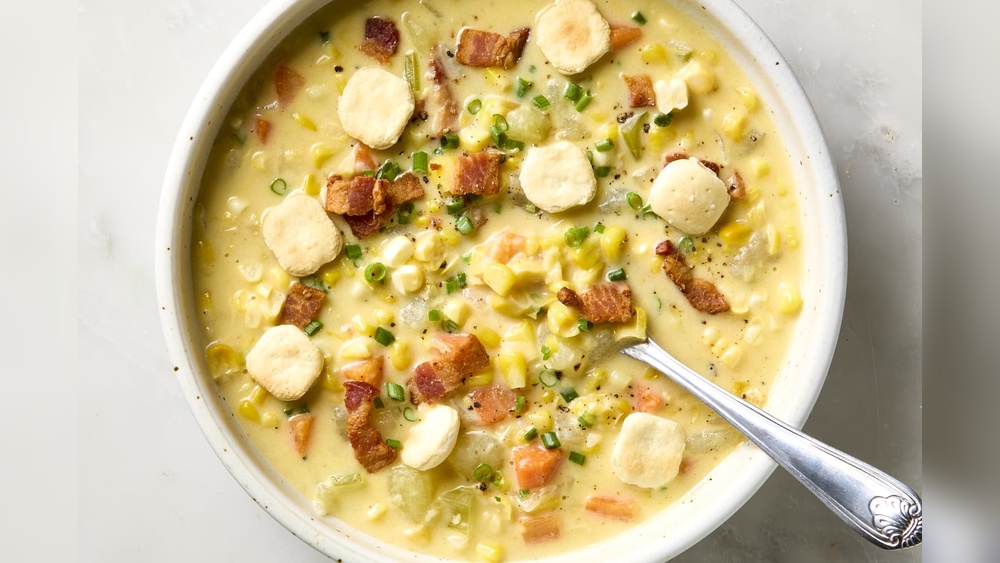
The comforting aroma of simmering potatoes and sweet corn, blended into a velvety smooth soup, is a culinary hug in a bowl. Creamy corn potato chowder is a timeless classic, a dish that evokes feelings of warmth, home, and simple pleasures.
Its rich texture and satisfying flavors make it a perfect meal for a chilly evening or a hearty lunch. While it might seem like a straightforward soup, achieving that perfect creamy consistency and balanced taste requires understanding a few key techniques and ingredient choices.
This guide will walk you through creating an exceptional creamy corn potato chowder, from selecting the best ingredients to mastering the art of achieving that luxurious, velvety texture that sets a truly great chowder apart.
Key Takeaways
- Ingredient Quality Matters: Fresh, high-quality corn (fresh, frozen, or canned) and starchy potatoes are foundational for flavor and texture.
- Building Flavor Layers: Sautéing aromatics like onions and celery, and using a good quality broth, significantly enhances the chowder’s depth.
- Achieving Creaminess: Several methods contribute to creaminess, including pureeing a portion of the soup, using dairy (milk, cream, half-and-half), or incorporating starchy elements like potatoes or corn starch.
- Texture Control: Deciding how much to blend or mash the potatoes and corn allows for customization of the chowder’s final texture.
- Seasoning is Crucial: Proper seasoning with salt, pepper, and herbs throughout the cooking process is essential for a well-rounded flavor profile.
- Garnishes Enhance: Toasted bread, fresh herbs, or a drizzle of cream elevate the presentation and taste of the finished chowder.
The Art Of A Perfect Creamy Corn Potato Chowder
Crafting a truly delicious creamy corn potato chowder involves more than just boiling ingredients together. It’s about understanding the interplay of textures, flavors, and the techniques that transform simple components into a rich, satisfying meal. This chowder is a versatile dish, capable of being adapted to suit your preferences, whether you prefer a chunky texture or a silken smooth consistency.
The foundation of any great chowder lies in the quality of its core ingredients and the careful layering of flavors during the cooking process.
Selecting Your Core Ingredients
The success of your chowder hinges on the quality of the main players: potatoes and corn.
The Humble Potato: Starch And Structure
Potatoes are the backbone of this chowder, providing both substance and a natural thickening agent. The type of potato you choose can significantly impact the final texture.
- Starchy Potatoes: Varieties like Russets or Idaho potatoes are ideal. Their high starch content breaks down beautifully during cooking, contributing to a naturally creamy and slightly thickened broth without the need for excessive added thickeners. They become tender and almost dissolve, creating a luscious base.
- Waxy Potatoes: While less common for creamy chowders, potatoes like Yukon Gold or red potatoes can be used if you prefer a more distinct potato texture within your soup. They hold their shape better, offering bite-sized pieces. If using waxy potatoes, you might need a bit more effort in pureeing a portion of the soup to achieve the desired creaminess.
When preparing your potatoes, aim for uniform dicing, approximately 1/2 to 3/4 inch cubes. This ensures they cook evenly and at the same rate as other ingredients.
Corn: Sweetness And Texture
Corn brings a delightful sweetness and pops of texture to the chowder. You have several excellent options:
- Fresh Corn: When in season, fresh corn is unparalleled. The kernels are plump, sweet, and bursting with flavor. You’ll need to cut the kernels off the cob. For an extra boost of flavor, you can simmer the cobs in your broth before discarding them. This technique, known as “cob stock,” infuses a subtle, sweet corn essence.
- Frozen Corn: A convenient and readily available option, frozen corn kernels are picked at their peak ripeness and flash-frozen, preserving much of their flavor and sweetness. It’s a fantastic year-round choice.
- Canned Corn: While convenient, canned corn can sometimes have a less vibrant flavor and a softer texture than fresh or frozen. If using canned, opt for “sweet corn” and drain it well before adding. You might need to adjust your seasoning to compensate for any slight metallic taste.
The amount of corn you use can also influence the chowder’s sweetness and texture. Some recipes call for pureeing some of the corn along with the potatoes to enhance the creamy, sweet base.
The Importance Of Aromatics And Broth
Beyond the stars of the show, the supporting cast of aromatics and a quality broth are crucial for building a complex and satisfying flavor profile.
Building Flavor With Aromatics
Aromatic vegetables form the flavor foundation of many soups and stews, and this chowder is no exception.
- Onions: Yellow or sweet onions are excellent choices for their mild sweetness and ability to soften and meld into the soup. They should be finely diced to distribute their flavor evenly.
- Celery: Adds a subtle, savory depth and a hint of freshness. Finely chopped celery complements the sweetness of the corn and onions beautifully.
- Garlic: A small amount of minced garlic adds pungency and complexity. Be careful not to burn the garlic, as this can impart a bitter taste. Add it towards the end of sautéing the onions and celery.
Sautéing these vegetables in butter or oil until they are soft and translucent, but not browned, releases their natural sugars and aromas, creating a more robust flavor base than simply boiling them.
Broth: The Liquid Soul
The broth you use will significantly impact the overall taste of your chowder.
- Chicken Broth: A popular choice, chicken broth provides a savory and slightly rich base. Use a good quality, low-sodium broth so you can control the salt level yourself.
- Vegetable Broth: For a vegetarian or vegan version, a well-seasoned vegetable broth is essential. Look for one with a good depth of flavor.
- Water: While possible, using plain water will result in a less flavorful chowder. If you must use water, consider adding a bay leaf or other herbs during simmering to impart some taste.
The amount of liquid needed will depend on how thick you want your chowder. It’s often best to start with the recommended amount and add more if necessary.
:max_bytes(150000):strip_icc()/86096-grandmas-corn-chowder-ddmfs-3x4_9570-3c93413e70c840c6b061a2bd47ca677d.jpg)
Mastering The Creamy Texture
The “creamy” in creamy corn potato chowder is key. Achieving that luxurious, velvety mouthfeel can be done through several methods, often used in combination.
The Puree Power
One of the most effective ways to achieve a naturally creamy texture is by pureeing a portion of the soup itself.
Partial Pureeing Technique
This method involves cooking the potatoes and some of the corn until very tender. Then, a portion of the soup, typically about one-third to one-half, is carefully ladled into a blender or processed with an immersion blender directly in the pot.
- Using a Blender: If using a standard blender, work in batches and never fill the blender more than halfway with hot liquid. Remove the center cap from the blender lid and cover the opening with a folded kitchen towel. This allows steam to escape and prevents pressure buildup, which can cause the lid to blow off. Blend until smooth, then return the pureed mixture to the pot.
- Using an Immersion Blender: An immersion blender (also known as a stick blender) is a safer and often easier option for pureeing directly in the pot. Simply submerge the blender head into the soup and blend until you reach your desired consistency. You can blend more or less of the soup to control the chunkiness.
This technique leverages the starch from the potatoes and corn to create a thick, creamy base without relying heavily on dairy or flour.
Dairy And Beyond: Enhancing Richness
While pureeing provides a natural creaminess, dairy products can add an extra layer of richness and decadence.
Dairy Options For Creaminess
- Milk: Whole milk is a good option for adding creaminess without making the chowder overly heavy.
- Half-and-Half: This blend of milk and cream offers a richer texture and mouthfeel.
- Heavy Cream: For the ultimate indulgence, heavy cream provides unparalleled richness and a luxurious finish. Use it sparingly, as too much can make the chowder greasy.
- Evaporated Milk: A shelf-stable option, evaporated milk can be used similarly to regular milk to add creaminess.
When adding dairy, it’s crucial to temper it first. This means gradually warming the dairy product by whisking in a small amount of the hot soup before adding the mixture back to the main pot. This prevents the dairy from curdling.
Non-dairy Creaminess
For vegan or dairy-free versions, several alternatives can achieve a similar creamy effect:
- Coconut Milk (Full-Fat): Canned, full-fat coconut milk can add a wonderful richness. Be aware that it imparts a subtle coconut flavor, which can be pleasant but might not be desired by everyone.
- Cashew Cream: Soaked and blended raw cashews create a neutral-flavored, rich cream that emulsifies beautifully into soups.
- Silken Tofu: Blended silken tofu can add body and a creamy texture to soups without significantly altering the flavor.
Alternative Thickeners
If you find your chowder isn’t as thick as you’d like, or if you prefer not to use dairy or extensive pureeing, a few other thickeners can be employed.
Flour Or Cornstarch Slurry
A classic thickening method involves creating a slurry, a mixture of a starch (flour or cornstarch) and a cold liquid (water or broth).
- Flour: Whisk about 2-3 tablespoons of all-purpose flour with an equal amount of cold water or broth until smooth. Stir this slurry into the simmering chowder and cook for several minutes until thickened.
- Cornstarch: Cornstarch is a more potent thickener. Whisk about 1-2 tablespoons of cornstarch with an equal amount of cold liquid. Add to the simmering soup and cook until thickened. Cornstarch tends to give a slightly glossier finish than flour.
Pro Tip: Always use a cold liquid when making a slurry to prevent lumps. Add the slurry gradually to the simmering soup, stirring constantly, until the desired thickness is reached.
The Chowder-making Process: Step-by-step
Creating a perfect bowl of creamy corn potato chowder is a rewarding process. Here’s a detailed breakdown of the steps involved, ensuring you capture all the nuances for a superior result.
Step 1: Preparation And Mise En Place
Before you even turn on the stove, ensure all your ingredients are prepped and ready. This is known as mise en place, and it makes the cooking process much smoother.
- Dice Vegetables: Finely dice the onion and celery. Mince the garlic. Cube the potatoes into uniform pieces (about 1/2 to 3/4 inch). If using fresh corn, cut the kernels off the cob.
- Measure Liquids: Have your broth, milk, or cream measured and ready.
- Gather Seasonings: Prepare your salt, pepper, herbs, and any other desired spices.
Having everything prepared prevents you from scrambling for ingredients mid-cook, which can lead to errors or overcooking.
Step 2: Sautéing The Aromatics
This step is crucial for developing the foundational flavors of your chowder.
- In a large pot or Dutch oven, melt butter or heat oil over medium heat.
- Add the diced onions and celery. Sauté, stirring occasionally, for about 5-7 minutes, or until the vegetables are softened and translucent but not browned.
- Add the minced garlic and cook for another minute until fragrant, being careful not to burn it.
This gentle cooking process releases the natural sweetness of the vegetables and creates a more complex flavor base.
Step 3: Adding Potatoes And Broth
Now, we build the body of the chowder.
- Add the cubed potatoes to the pot with the sautéed aromatics.
- Pour in the chicken or vegetable broth. Ensure the potatoes are mostly submerged. If not, add a little more broth or water.
- Add any desired herbs, such as a bay leaf or a sprig of thyme.
- Bring the mixture to a boil, then reduce the heat to a simmer. Cover the pot and let it cook for about 15-20 minutes, or until the potatoes are fork-tender.
Step 4: Incorporating Corn And Achieving Creaminess
This is where the chowder starts to take on its signature characteristics.
- Add the corn kernels (fresh, frozen, or drained canned) to the pot.
- Continue to simmer for another 5-10 minutes, or until the corn is tender.
- For Creaminess: At this stage, you have several options:
- Partial Puree: Carefully ladle about one-third to one-half of the soup into a blender (following safety precautions for hot liquids) or use an immersion blender directly in the pot. Blend until smooth, then return to the pot and stir to combine.
- Mashing Potatoes: If you prefer a chunkier chowder but still want some thickness, you can use the back of a spoon or a potato masher to gently mash some of the cooked potatoes against the side of the pot.
- Adding Dairy/Non-Dairy: If using milk, half-and-half, or cream, temper it first (as described previously) and stir it into the chowder. Simmer gently for a few more minutes, but do not boil.
- Adding a Slurry: If using a flour or cornstarch slurry, whisk it in and simmer until thickened.
Step 5: Seasoning And Finishing Touches
Proper seasoning is paramount for a well-balanced chowder.
- Remove the bay leaf or herb sprigs.
- Taste the chowder and season generously with salt and freshly ground black pepper. Remember that the broth and any added dairy can affect the saltiness, so taste as you go.
- Consider adding other seasonings like a pinch of nutmeg, a dash of cayenne pepper for a hint of heat, or fresh herbs like chives or parsley.
- Stir everything together thoroughly. If the chowder is too thick, you can thin it with a little more broth or milk. If it’s too thin, you can simmer it uncovered for a few more minutes or use a cornstarch slurry.
Step 6: Serving The Chowder
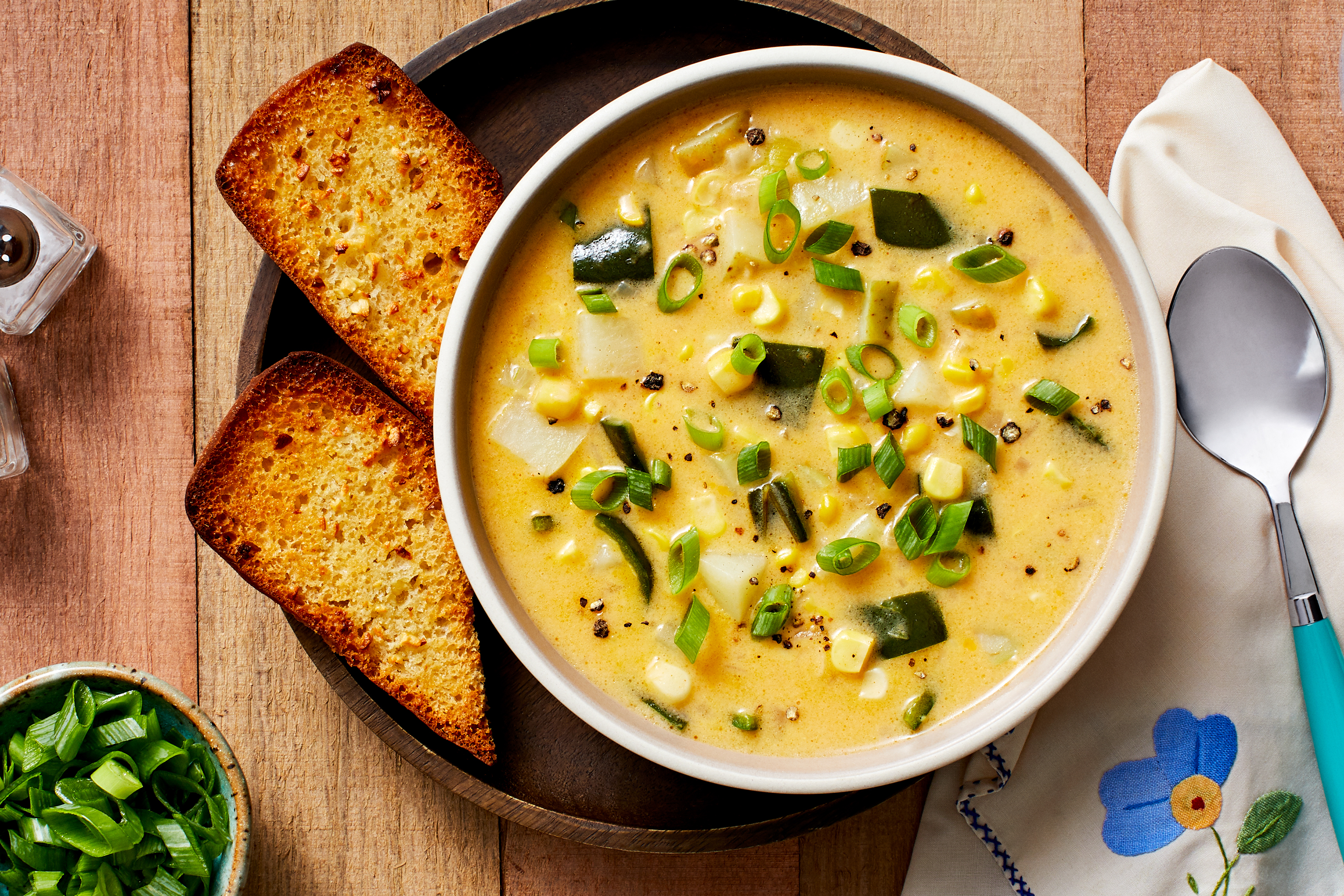
Ladle the hot chowder into bowls. Garnish generously to enhance the flavor and visual appeal.
- Classic Garnishes: Freshly chopped chives, parsley, or dill.
- Richness: A dollop of sour cream, a swirl of heavy cream, or a sprinkle of shredded cheddar cheese.
- Crunch: Toasted croutons, crumbled bacon, or crispy fried onions.
- Bread: Serve with crusty bread for dipping.
Variations And Customizations
While the classic creamy corn potato chowder is delightful on its own, it’s also a fantastic canvas for culinary creativity. Experimenting with different ingredients can lead to exciting new flavor profiles and textures.
Adding Protein For A Heartier Meal
Chowder is often associated with seafood, but other proteins can also elevate this dish.
- Bacon: Crispy, crumbled bacon is a classic addition, adding a smoky, salty crunch. Cook the bacon first, reserve the rendered fat to sauté the aromatics, and then crumble the bacon to use as a garnish or stir into the soup.
- Ham: Diced, cooked ham can add a savory, slightly sweet, and salty dimension. Add it during the last 10-15 minutes of simmering to heat through.
- Chicken: Cooked, shredded, or diced chicken breast or thigh can transform the chowder into a more substantial meal. Add it towards the end of cooking to prevent it from drying out.
- Sausage: Crumbled and cooked sausage (like Italian or chorizo) can add a spicy kick and rich flavor.
- Seafood: For a more traditional chowder feel, consider adding cooked shrimp, crab meat, or clams during the last few minutes of cooking. Ensure seafood is cooked through but not overcooked.
Vegetable Additions For Color And Nutrition
Boosting the vegetable content can add more nutrients, color, and complexity to your chowder.
- Carrots: Diced carrots add a touch of sweetness and vibrant color. Add them with the potatoes as they take a similar amount of time to cook.
- Bell Peppers: Diced bell peppers (any color) can add a subtle sweetness and crunch. Sauté them with the onions and celery.
- Leeks: For a milder onion flavor, leeks can be substituted or used in addition to onions. Ensure they are thoroughly washed to remove any grit.
- Peas: Frozen peas can be added during the last few minutes of cooking for a burst of sweetness and color.
- Broccoli or Cauliflower Florets: Small florets can be added during the last 10-15 minutes of simmering for added texture and nutrients.
Flavor Enhancements And Spices
Beyond the basics, a few additions can take your chowder to the next level.
- Herbs: Fresh herbs like thyme, rosemary, or sage can be added during simmering for deeper flavor. Fresh parsley, chives, or dill are excellent for finishing.
- Spices: A pinch of smoked paprika can add a lovely smoky depth. A dash of nutmeg complements the dairy and corn beautifully. For a spicy kick, consider a pinch of cayenne pepper or a finely minced jalapeño pepper added with the aromatics.
- Lemon Juice: A small squeeze of fresh lemon juice at the end of cooking can brighten the flavors and cut through the richness.
- Worcestershire Sauce: A dash can add a complex umami note.
Dairy-free And Vegan Adaptations
Creating a delicious vegan or dairy-free chowder is entirely achievable.
- Broth: Use a high-quality vegetable broth.
- Creaminess: Rely on the partial puree method, and consider adding full-fat coconut milk (for richness and a subtle sweetness) or cashew cream for a neutral, velvety texture.
- Fat: Use olive oil or vegan butter for sautéing aromatics.
- Protein (Optional): Add hearty vegetables like mushrooms or white beans for added substance.
Tools Of The Trade: Essential Kitchen Equipment
While you don’t need specialized gadgets to make a great chowder, having the right tools can make the process more efficient and enjoyable.
Essential Cookware
- Large Pot or Dutch Oven: A heavy-bottomed pot (at least 5-6 quarts) is essential for simmering the chowder. A Dutch oven is ideal as its even heat distribution prevents scorching and its lid helps maintain a consistent temperature. For a large batch, consider a pot around 8 quarts.
- Cutting Board and Sharp Knife: Precision in dicing vegetables ensures even cooking. A good chef’s knife is indispensable for this task. For dicing potatoes and onions efficiently, a sharp knife is key. You might find a good knife set, such as the 15 Piece Kitchen Knife Set, beneficial.
- Measuring Cups and Spoons: Accuracy in measuring ingredients, especially liquids and thickeners, is important for consistent results.
Tools For Creaminess And Texture
- Blender (Standard or Immersion): As discussed, a blender is crucial for achieving that signature creamy texture through pureeing. An immersion blender offers convenience and safety for direct pot blending. If you’re looking for a powerful blender that can handle pureeing soups and more, consider models like the Ninja Foodi vs Wantjoin Professional Blender comparison to find one that suits your needs.
- Whisk: Essential for making smooth slurries and tempering dairy to prevent curdling.
- Wooden Spoon or Heat-Resistant Spatula: For stirring, sautéing, and gently mashing potatoes if desired.
Other Helpful Utensils
- Ladle: For serving the finished chowder.
- Colander or Strainer: Useful for draining canned corn or rinsing frozen corn.
Nutritional Considerations And Healthier Options
While creamy corn potato chowder is a comforting dish, its richness can sometimes mean a higher calorie and fat content. Fortunately, it can be adapted to be a more health-conscious meal without sacrificing flavor.
Understanding The Nutritional Profile
A typical creamy corn potato chowder can be relatively high in carbohydrates (from potatoes and corn) and, depending on the amount of dairy or added fats, can also be high in saturated fat and calories. However, it also provides:
- Fiber: From the potatoes and corn.
- Vitamins: Particularly Vitamin C and B vitamins from the vegetables.
- Minerals: Potassium from potatoes, and other trace minerals depending on the broth and additions.
Making Healthier Choices
- Reduce Fat:
- Use low-fat milk or skim milk instead of heavy cream or half-and-half.
- Sauté vegetables in a small amount of
Leave a Reply