
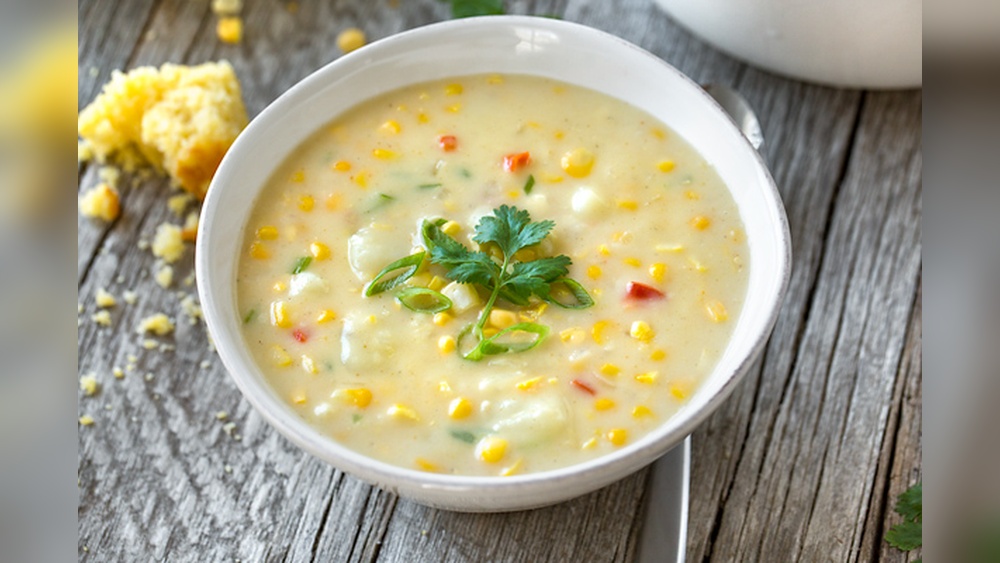
The vibrant hues of sweet corn and bell peppers, simmered into a creamy, comforting broth, create a chowder that’s both visually appealing and deliciously satisfying. Corn and red pepper chowder is a delightful dish that bridges the gap between hearty soup and a light, flavorful meal.
Its appeal lies in its simplicity, the natural sweetness of the corn, and the subtle, smoky notes that can be introduced with the peppers. This chowder is a fantastic option for a weeknight dinner, a cozy lunch, or even a starter for a larger meal.
This recipe celebrates fresh ingredients, allowing their natural flavors to shine. While often associated with autumn, the bright flavors of corn and red pepper make it a welcome dish year-round. It’s a versatile recipe, adaptable to various dietary needs and flavor preferences, making it a staple in many home kitchens.
The creamy texture, achieved through dairy or dairy-free alternatives, coats the palate, while the tender vegetables provide delightful bursts of flavor and texture.
Key Takeaways
- Flavor Foundation: The sweetness of corn and the mild, slightly smoky flavor of roasted red peppers form the base of this chowder.
- Creamy Texture: Achieve a luxurious mouthfeel using heavy cream, half-and-half, milk, or plant-based alternatives like coconut milk or cashew cream.
- Aromatics are Key: Sautéing onions, garlic, and celery builds a crucial flavor base for the chowder.
- Vegetable Variety: Beyond corn and red pepper, consider adding other vegetables like potatoes, carrots, or zucchini for added nutrition and texture.
- Flavor Boosters: Enhance the chowder with herbs like thyme or chives, spices like paprika or cayenne, and a touch of acidity from lemon juice or vinegar.
- Garnishes Elevate: Fresh herbs, a swirl of cream, crispy croutons, or a sprinkle of cheese can transform the presentation and taste.
- Customization Options: This recipe is easily adapted for vegan, vegetarian, or gluten-free diets by selecting appropriate ingredients.

Understanding The Core Components Of Corn And Red Pepper Chowder
At its heart, a successful corn and red pepper chowder relies on a few fundamental elements. The first is the quality of the corn. Whether you opt for fresh, frozen, or canned, the sweetness and texture of the corn are paramount. Fresh corn, when in season, offers unparalleled sweetness and a delightful pop. Frozen corn is a fantastic year-round alternative, retaining much of its flavor and texture. Canned corn can be used in a pinch, but it often has a softer texture and a slightly less vibrant flavor.
The second key component is the red pepper. For the best flavor, I highly recommend roasting your red peppers. Roasting them under a broiler or over an open flame until the skins are blackened and blistered, then steaming them in a bowl to loosen the skins, imparts a wonderful smoky depth that raw peppers cannot provide. Once peeled and seeded, these roasted peppers add a complex sweetness and a subtle char that elevates the entire chowder. If time is short, good quality jarred roasted red peppers can be a convenient substitute, though they may lack some of the fresh, roasted intensity.
The creamy base is the third pillar. Traditionally, chowders are thickened with dairy. Heavy cream or half-and-half provides the richest, most luxurious texture. Whole milk can be used for a lighter option, though it may result in a less decadent soup. For those seeking dairy-free alternatives, full-fat coconut milk or a homemade cashew cream are excellent choices, offering richness without compromising flavor.
Finally, the aromatic foundation, typically sautéed onions, garlic, and sometimes celery, provides the savory depth that balances the sweetness of the corn and peppers. These vegetables, softened and fragrant in a bit of butter or oil, form the essential flavor base upon which the entire chowder is built.
The Sweetness Of Corn: Varieties And Preparation
Corn, the star of this chowder, offers a delightful natural sweetness and a satisfying texture. There are several types of corn suitable for this recipe, each with its unique characteristics. Sweet corn, such as Golden Bantam or Silver Queen, is the most common and ideal choice due to its high sugar content. When corn is in season, using freshly shucked corn is highly recommended. You can cut the kernels directly off the cob, or for an even richer flavor, you can scrape the cob with the back of your knife to release the “milk”, a milky liquid that adds extra sweetness and body to the chowder.
Frozen corn is a widely available and convenient alternative. Look for high-quality brands that freeze corn at its peak ripeness. It typically retains its sweetness and texture well, making it a reliable option when fresh corn is out of season. When using frozen corn, there’s usually no need to thaw it before adding it to the simmering chowder, as it will cook quickly in the hot liquid.
Canned corn is the most accessible and cost-effective option, but it often sacrifices some flavor and texture. If using canned corn, opt for whole kernel varieties packed in water or brine, and be sure to drain it thoroughly. You might find that canned corn requires a bit more seasoning to achieve the desired depth of flavor.
Regardless of the type of corn used, proper preparation is key. If using fresh corn on the cob, ensure the kernels are plump and juicy. For a smoother chowder, you can even briefly process some of the corn kernels in a blender or food processor to release their starches and create a creamier texture naturally.
The Char And Sweetness Of Red Peppers
Red bell peppers are crucial for adding not only color but also a distinct sweet and slightly smoky flavor to the chowder. While you can use raw red bell peppers, roasting them first will significantly enhance the depth and complexity of your chowder. Roasting brings out their natural sugars and imparts a pleasant char that complements the sweetness of the corn beautifully.
To roast red peppers, you have a few options:
- Broiler Method: Place whole red peppers on a baking sheet and position them under a hot broiler. Turn them frequently until the skin is blackened and blistered on all sides.
- Gas Stove Method: If you have a gas stove, you can directly roast the peppers over an open flame, turning them with tongs until charred.
- Oven Roasting: Halve and seed the peppers, then place them cut-side down on a baking sheet and roast at a high temperature (around 400-425°F or 200-220°C) until the skin is blistered and slightly charred.
Once charred, immediately place the hot peppers into a bowl and cover it tightly with plastic wrap or a lid. Let them steam for about 10-15 minutes. This steaming process loosens the skins, making them easy to peel off. After peeling, remove the stem and seeds.
You can then chop the roasted pepper flesh to add to your chowder.
If you’re pressed for time, jarred roasted red peppers are a convenient alternative. Look for high-quality brands packed in water or oil. Drain them well before chopping and adding them to the soup. While convenient, they may not offer the same intense, freshly roasted flavor.
Crafting The Flavor Base: Aromatics And Sautéing
The foundation of any great soup or chowder is a well-developed flavor base, and for corn and red pepper chowder, this means expertly sautéing your aromatics. This step is critical for unlocking the full potential of your ingredients and creating a rich, savory profile that balances the sweetness of the corn and peppers.
The classic trio of aromatics for this chowder includes onions, garlic, and often celery. Finely dicing these vegetables ensures they cook evenly and meld seamlessly into the chowder.
- Onions: Yellow or sweet onions are excellent choices. Their natural sugars caramelize during sautéing, adding a layer of sweetness and depth.
- Garlic: Minced garlic provides pungent, aromatic notes that are essential for savory dishes. Be careful not to burn the garlic, as this can impart a bitter taste.
- Celery: While not always included, finely chopped celery adds a subtle earthy note and a pleasant textural element.
The sautéing process itself is an art. It’s best performed in a heavy-bottomed pot or Dutch oven over medium heat. You’ll want to use a fat, such as butter or olive oil, to help soften and sweeten the vegetables. Start by adding your chosen fat to the pot. Once shimmering, add the diced onions and celery (if using). Cook, stirring occasionally, until the onions are translucent and softened, usually about 5-7 minutes. This gentle cooking process draws out their moisture and begins the caramelization process.
Next, add the minced garlic and cook for another minute until fragrant. It’s important to add garlic later in the sautéing process because it cooks much faster than onions and can burn easily. Stirring constantly ensures even cooking.
The goal here isn’t to brown the vegetables deeply, but rather to soften them and release their inherent flavors. This fragrant mixture will then form the savory backdrop for the sweet corn, roasted red peppers, and creamy broth, ensuring your chowder is far more than just a collection of ingredients, it becomes a harmonious symphony of flavors.
The Role Of Fat: Butter Vs. Olive Oil
The choice of fat used for sautéing aromatics can subtly influence the final flavor profile of your chowder. Both butter and olive oil are excellent choices, and the decision often comes down to personal preference and the desired outcome.
Butter brings a richness and a slightly sweet, creamy note to the sauté. It helps to mellow the sharpness of the onions and garlic, contributing to a smoother, more decadent flavor. For a classic, comforting chowder, butter is often the preferred choice. Its lower smoke point means you need to be a bit more attentive to prevent burning, especially when cooking at higher heats.
Olive oil, particularly a good quality extra virgin olive oil, offers a fruitier, more herbaceous flavor. It can add a subtle complexity that complements the sweetness of the corn and peppers. Olive oil also has a higher smoke point than butter, making it a bit more forgiving if your heat gets a little too high. For a slightly lighter, yet still flavorful, base, olive oil is a superb option.
Some cooks even opt for a combination of both butter and olive oil. This approach can provide the richness of butter with the slightly elevated smoke point and complementary flavor of olive oil.
Building Depth With Herbs And Spices
While the corn and red peppers provide sweetness and the aromatics offer savory depth, judicious use of herbs and spices can elevate your chowder from good to truly exceptional. These additions provide layers of flavor and aroma that make the chowder more complex and satisfying.
Herbs:
- Thyme: Fresh or dried thyme is a classic pairing with creamy soups and vegetables. Its earthy, slightly floral notes complement both corn and peppers beautifully. Add fresh thyme sprigs during simmering and remove them before serving, or stir in chopped fresh thyme near the end of cooking.
- Chives: Freshly snipped chives offer a mild oniony bite and a vibrant green color, making them an excellent garnish. They are best added just before serving to preserve their freshness and color.
- Parsley: Fresh flat-leaf parsley, chopped, adds a touch of brightness and herbaceousness. It can be stirred in at the end of cooking or used as a garnish.
Spices:
- Paprika: Sweet paprika adds a lovely reddish hue and a mild, sweet pepper flavor. Smoked paprika (pimentón) is a fantastic choice for this chowder, as it amplifies the smoky notes from the roasted red peppers and adds significant depth. A little goes a long way.
- Cayenne Pepper or Red Pepper Flakes: For a touch of heat, a pinch of cayenne pepper or red pepper flakes can be added during the sautéing process or simmered in the broth. This provides a pleasant warmth that cuts through the richness of the chowder.
- Black Pepper: Freshly ground black pepper is essential for balancing flavors. Add it during cooking and adjust to your taste.
When incorporating herbs and spices, it’s often best to add dried herbs and ground spices during the simmering phase so their flavors can fully infuse into the broth. Fresh herbs and delicate spices are usually best added towards the end of cooking or as a garnish to maintain their vibrant flavor and aroma.
The Creamy Element: Achieving The Perfect Texture
The “chowder” in corn and red pepper chowder implies a certain richness and thickness, typically achieved through a creamy element. This is where you can customize the chowder to your dietary preferences and desired level of indulgence.
Dairy Options: From Rich To Light
For a traditional, decadent chowder, heavy cream is the gold standard. It provides unparalleled richness and a velvety smooth texture. Half-and-half offers a slightly lighter alternative, still delivering creaminess without being overly heavy.
If you prefer to use whole milk, you can do so, but you might need a bit of extra thickening. This can be achieved by:
- Roux: Making a simple roux (equal parts butter and flour cooked together) and whisking it into the simmering broth before adding the milk.
- Cornstarch Slurry: Dissolving cornstarch in a small amount of cold water or milk and then whisking it into the chowder.
- Pureeing some of the soup: As mentioned earlier, pureeing a portion of the corn and vegetables can naturally thicken the chowder.
Using evaporated milk can also provide creaminess with a slightly more concentrated flavor than regular milk.
Dairy-free Alternatives
Creating a delicious dairy-free corn and red pepper chowder is entirely achievable with a few smart substitutions. The goal is to mimic the richness and body that dairy provides.
- Full-Fat Coconut Milk: This is one of the best dairy-free options for creamy soups. Choose canned full-fat coconut milk (not the beverage kind in a carton) for the creamiest results. It imparts a subtle tropical flavor that can be quite pleasant, especially with the sweetness of corn.
- Cashew Cream: To make cashew cream, soak raw cashews in water for at least 2 hours (or in boiling water for 15 minutes), then drain and blend them with fresh water until completely smooth and creamy. This creates a neutral-flavored, rich base.
- Almond Milk or Soy Milk: While these can be used, they are generally thinner and less rich than coconut milk or cashew cream. For a thicker chowder, consider using them in combination with a cornstarch slurry or by pureeing some of the soup’s solids.
- Oat Milk: Some brands of unsweetened, full-fat oat milk can also work well, providing a creamy texture without an overpowering flavor.
When using dairy-free alternatives, it’s important to add them towards the end of the cooking process and avoid boiling them vigorously, as some can curdle or separate.
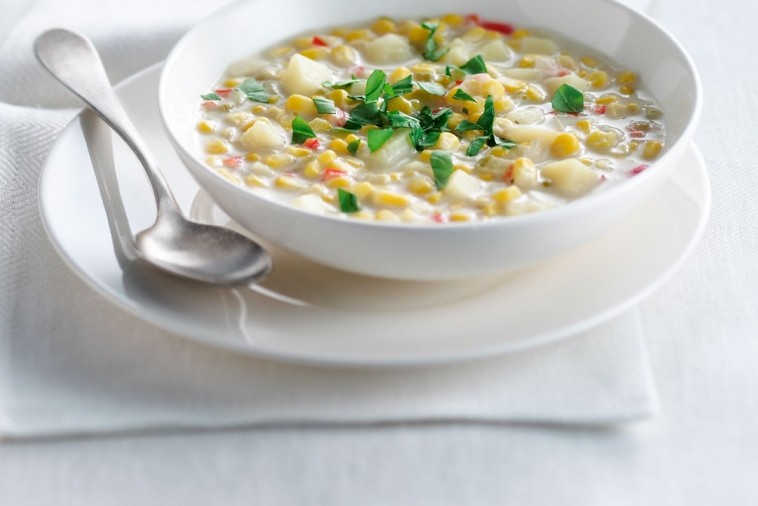
Essential Steps For Making Corn And Red Pepper Chowder
Creating a delicious bowl of corn and red pepper chowder involves a series of well-defined steps, from preparing your ingredients to the final simmer. Following these steps will ensure a flavorful, well-textured soup.
Step 1: Prepare Your Vegetables
Begin by prepping all your vegetables. This includes dicing the onions, mincing the garlic, and finely chopping the celery (if using). If you are roasting your red peppers, do this first. Once roasted, peeled, and seeded, chop them into bite-sized pieces.
If using fresh corn, cut the kernels off the cob. If using frozen corn, have it ready. If using canned corn, drain it well. Dice any potatoes you might be adding for extra heartiness.
Step 2: Sauté The Aromatics
In a large, heavy-bottomed pot or Dutch oven, heat your chosen fat (butter or olive oil) over medium heat. Add the diced onions and celery (if using) and sauté until softened and translucent, about 5-7 minutes. Add the minced garlic and cook for another minute until fragrant, being careful not to burn it.
Step 3: Build The Base
If you are using potatoes, add them now and sauté for a couple of minutes. Add your chosen spices (like paprika, smoked paprika, or red pepper flakes) and stir for about 30 seconds until fragrant. This toasts the spices and blooms their flavor.
Step 4: Add Liquids And Corn
Pour in your broth (vegetable or chicken). If using fresh corn kernels, add them now. If using frozen corn, you can add it now or a little later. Add your chopped roasted red peppers. Bring the mixture to a simmer.
Step 5: Simmer And Thicken
Reduce the heat to low, cover the pot, and let the chowder simmer. The simmering time will depend on whether you’ve added potatoes. If potatoes are included, simmer until they are tender, typically 15-20 minutes. If not, a shorter simmer of about 10 minutes will suffice to meld the flavors.
If you desire a thicker chowder without using cream or dairy-free milk yet, you can carefully ladle out about 1-2 cups of the soup, transfer it to a blender or use an immersion blender to puree it until smooth, and then stir it back into the pot.
This will naturally thicken the chowder using the starch from the corn and potatoes.
Step 6: Add The Creamy Element
Once the vegetables are tender and the chowder has reached your desired consistency, stir in your chosen creamy element: heavy cream, half-and-half, milk, coconut milk, or cashew cream. Heat gently until the chowder is warmed through, but do not let it boil vigorously, especially if using dairy or certain dairy-free alternatives, as they can curdle or separate.
Step 7: Season And Serve
Taste the chowder and adjust seasonings as needed. Add salt, freshly ground black pepper, and any additional herbs like fresh thyme or parsley. A squeeze of lemon juice or a dash of white wine vinegar can brighten the flavors. Ladle the hot chowder into bowls and garnish as desired.
Enhancing Your Chowder: Add-ins And Variations
While the core recipe for corn and red pepper chowder is delicious on its own, there are numerous ways to customize and enhance it, transforming it into a truly unique culinary creation. These additions can introduce new textures, flavors, and nutritional benefits.
Protein Boosters
For a more substantial meal, consider adding a protein source.
- Cooked Chicken or Turkey: Diced rotisserie chicken or leftover cooked poultry can be stirred into the chowder during the last few minutes of simmering to heat through.
- Bacon or Pancetta: Crispy, crumbled bacon or pancetta makes an excellent savory topping or can be stirred into the chowder for a smoky, salty kick. Reserve some for garnish.
- Sausage: Crumbled and cooked Italian sausage or chorizo can add a wonderful depth of flavor and a touch of spice.
- Seafood: For a surf-and-turf twist, consider adding cooked shrimp or bay scallops during the final minutes of cooking.
Vegetable Additions
Beyond the core corn and red pepper, other vegetables can add complexity and nutritional value.
- Potatoes: Diced Yukon Gold or red potatoes add heartiness and help thicken the chowder naturally.
- Carrots: Finely diced carrots add a touch of sweetness and color.
- Zucchini or Yellow Squash: Diced zucchini or yellow squash can be added during the last 10-15 minutes of simmering for a lighter, tender vegetable addition.
- Peas: Frozen peas can be added during the last 5 minutes of cooking for a pop of sweetness and color.
Flavor And Texture Enhancers
- Cornbread Croutons: Homemade or store-bought cornbread, cubed and toasted, provides a delightful crunchy topping.
- Shredded Cheese: A sprinkle of sharp cheddar, Monterey Jack, or even a smoky Gouda can add a savory, cheesy dimension.
- Crispy Onions: Fried or crispy baked onions offer a delightful crunch and savory flavor.
- A Touch of Spice: For those who enjoy a bit of heat, a dash of hot sauce or a pinch of extra red pepper flakes can be added.
Vegan And Vegetarian Adaptations
As previously discussed, using plant-based milks and vegetable broth makes this chowder easily adaptable for vegan and vegetarian diets. Ensure any added proteins, like bacon or sausage, are omitted or replaced with vegan alternatives. For instance, vegan bacon bits or plant-based sausage crumbles can be used.
Serving And Garnishing Your Chowder
The presentation of your corn and red pepper chowder can be as delightful as its taste. Thoughtful garnishes not only enhance the visual appeal but also add extra layers of flavor and texture.
Toppings And Garnishes
- Fresh Herbs: Finely chopped fresh chives, parsley, or cilantro add a burst of freshness and vibrant color.
- A Swirl of Cream: A small drizzle of heavy cream, half-and-half, or a dollop of dairy-free sour cream or coconut cream can add visual appeal and extra richness.
- Crispy Elements: Toasted croutons (plain, garlic, or cornbread), crispy fried onions, or crumbled cooked bacon provide a welcome textural contrast to the creamy soup.
- Cheese: A sprinkle of shredded sharp cheddar, Monterey Jack, or even crumbled cotija cheese can add a savory, salty element. For vegan versions, consider nutritional yeast or a sprinkle of vegan shredded cheese.
- A Dash of Smoked Paprika: A final dusting of smoked paprika not only adds color but also reinforces the smoky notes in the chowder.
- Toasted Pumpkin Seeds or Pepitas: These offer a nutty crunch and are a great option
Leave a Reply