
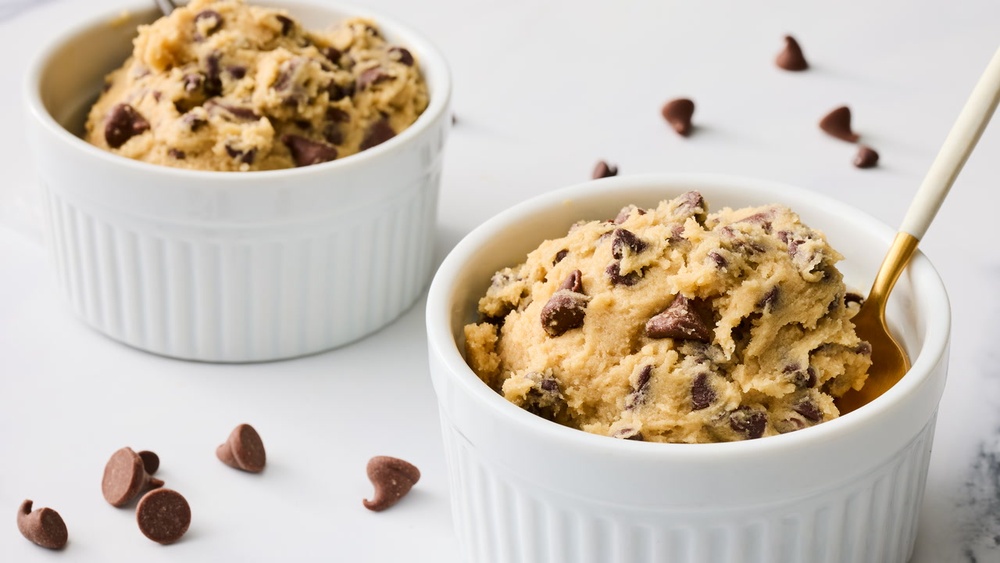
The aroma of freshly baked cookies is one of life’s simple pleasures, evoking warmth, comfort, and nostalgia. But before that delightful scent fills your kitchen, there’s the crucial step of making the cookie dough itself. While it might seem straightforward, mastering cookie dough is an art that balances precision with a touch of intuition.
Whether you’re a seasoned baker or just starting, understanding the fundamentals of dough creation, from ingredient selection to mixing techniques, can elevate your cookies from good to absolutely unforgettable.
This guide will walk you through the essential elements of making perfect cookie dough, covering everything from the role of each ingredient to the best methods for achieving that ideal texture. We’ll explore common pitfalls and offer expert tips to ensure your next batch of cookies is a resounding success.
Get ready to transform your kitchen into a haven of delicious, homemade treats.
Key Takeaways
- Ingredient Quality Matters: Using fresh, high-quality ingredients like unsalted butter, large eggs, and pure vanilla extract significantly impacts flavor and texture.
- Creaming Butter and Sugar: This step is vital for incorporating air, leading to lighter, airier cookies. Cream until light and fluffy, not just combined.
- Egg Temperature: Room temperature eggs emulsify better, creating a smoother dough and preventing a greasy texture.
- Flour Measurement: Spooning flour into the measuring cup and leveling off is crucial to avoid dense, dry cookies.
- Don’t Overmix: Overmixing dough after adding flour develops gluten, resulting in tough cookies. Mix until just combined.
- Chilling Dough: Chilling cookie dough allows the fats to solidify and the flour to hydrate, preventing excessive spreading and deepening flavor.
- Understanding Leavening Agents: Baking soda and baking powder have different activation methods and impact cookie spread and lift.
The Foundation: Essential Cookie Dough Ingredients
The magic of any cookie lies in its constituent parts. Each ingredient plays a specific role, and understanding their function is key to achieving the desired outcome. From the structure provided by flour to the richness of butter, getting these elements right sets the stage for cookie perfection.
Butter: The Heart Of The Dough
Butter is more than just a fat; it’s a flavor powerhouse and a texture influencer. Its fat content (typically 80-82% in the US) contributes to tenderness, richness, and spread.
- Unsalted vs. Salted: Unsalted butter is generally preferred in baking because it allows for greater control over the salt content in the recipe. Salted butter can introduce too much sodium, potentially altering the flavor profile.
- Temperature is Key: The temperature of your butter dictates the dough’s texture.
- Softened Butter: This is the most common state for cookie dough. It should be pliable but not melted. Softened butter creams beautifully with sugar, incorporating air for lighter cookies. To achieve this, leave butter at room temperature for about 30-60 minutes.
- Melted Butter: Using melted butter results in chewier, denser cookies. It doesn’t incorporate air as effectively as softened butter.
- Cold Butter: Cold butter is used for recipes like shortbread or cut-out cookies where you want minimal spread and a more crumbly texture. It needs to be cut into the dry ingredients.
Sugar: Sweetness And Structure
Sugar does more than just sweeten; it contributes to browning, tenderness, spread, and crispness.
- Granulated Sugar (White Sugar): This is the most common sugar. Its fine crystals dissolve easily and contribute to crispness and spread.
- Brown Sugar: Packed with molasses, brown sugar (both light and dark) adds moisture, chewiness, and a caramel-like flavor. The molasses in brown sugar also contributes to a softer texture and deeper color.
- Light Brown Sugar: Contains less molasses, offering a milder flavor and lighter color.
- Dark Brown Sugar: Contains more molasses, providing a richer, more intense flavor and darker hue.
- Confectioners’ Sugar (Powdered Sugar): Used in some specific cookie recipes (like shortbread or Mexican wedding cookies), it creates a tender, melt-in-your-mouth texture due to its fine particle size.
Eggs: Binding And Enrichment
Eggs are crucial for binding ingredients, adding moisture, richness, and leavening.
- Temperature: Room temperature eggs are essential. They emulsify better with fats, creating a smoother, more cohesive dough. Cold eggs can cause the butter to seize, leading to a greasy or lumpy texture. To quickly bring eggs to room temperature, place them in a bowl of warm (not hot) water for 5-10 minutes.
- Whole Eggs vs. Yolks vs. Whites:
- Whole Eggs: Provide both binding and moisture.
- Egg Yolks: Add richness, fat, and help create a tender, chewy texture.
- Egg Whites: Contribute to structure and a slightly crispier texture.
Flour: The Backbone Of The Cookie
Flour provides the structure for your cookies. The type and amount of flour used significantly impact the final texture.
- All-Purpose Flour: This is the standard choice for most cookie recipes. It has a moderate protein content (around 10-12%), which develops gluten when mixed with liquid.
- Measuring Flour Correctly: This is one of the most critical steps. Too much flour results in dry, dense, and crumbly cookies, while too little can lead to excessive spreading.
- The Spoon and Level Method: The most accurate way to measure flour is to spoon it lightly into your measuring cup until it’s overflowing, then use a straight edge (like the back of a knife) to level off the excess. Never scoop directly from the flour bag with your measuring cup, as this compacts the flour.
- Cake Flour vs. Bread Flour: While less common in standard cookie recipes, cake flour (lower protein) can yield a more tender cookie, and bread flour (higher protein) can result in a chewier cookie.
Leavening Agents: Lift And Spread
Leavening agents create air bubbles, causing cookies to rise and spread.
- Baking Soda (Sodium Bicarbonate): Requires an acidic ingredient (like brown sugar, molasses, or buttermilk) to activate. It promotes spreading and browning.
- Baking Powder: A complete leavening agent containing both an acid and a base. It provides lift and is used when a recipe lacks sufficient acidic ingredients. Double-acting baking powder reacts once when it gets wet and again when heated.
Flavor Enhancers: Vanilla And Salt
These ingredients might seem minor, but they play a huge role in the overall taste.
- Vanilla Extract: Pure vanilla extract provides warmth and depth of flavor. Imitation vanilla can be used, but the taste difference is noticeable.
- Salt: Salt balances the sweetness and enhances the other flavors in the cookie. Even sweet cookies benefit from a pinch of salt.
The Art Of Mixing: Techniques For Perfect Dough
How you combine your ingredients is just as important as the ingredients themselves. Different mixing methods yield different results, influencing the texture and spread of your cookies.
:max_bytes(150000):strip_icc()/255365-Edible-Cookie-Dough-DDMFS-4x3-1187-884d3382ffa2431b8179e2f0f12b4255.jpg)
Creaming Butter And Sugar: The Gateway To Lightness
This is arguably the most critical step in making many types of cookies, especially drop cookies like chocolate chip. The goal is to incorporate air into the butter and sugar mixture, which acts as a leavening agent, resulting in lighter, airier cookies.
Achieving The Right Consistency
- Start with Softened Butter: Ensure your butter is at room temperature, pliable but not melted.
- Combine Butter and Sugar: Add your granulated and/or brown sugar to the softened butter.
- Beat Thoroughly: Using an electric mixer (stand or hand mixer), beat the butter and sugar together on medium speed. Start slowly to avoid scattering sugar, then increase speed.
- Look for the Visual Cues: Continue beating until the mixture is light in color (pale yellow) and fluffy in texture. This process can take anywhere from 3 to 7 minutes, depending on your mixer. You should see no distinct grains of sugar. This stage is crucial for creating the airy structure that defines many cookies. Skipping this or not creaming long enough will result in denser, flatter cookies.
Example Of Creaming Impact
Consider a classic chocolate chip cookie recipe. If you only mix the butter and sugar until just combined, the cookies will likely spread more and have a denser, crisper texture. By creaming properly for several minutes until the mixture is light and fluffy, you’ll introduce air pockets that expand during baking, leading to a cookie that is softer in the center with a slightly crisp edge.

Incorporating Eggs And Vanilla
Once your butter and sugar are perfectly creamed, it’s time to add the liquid ingredients.
Adding Eggs
- One at a Time: Add eggs one at a time, beating well after each addition until fully incorporated. This helps maintain the emulsion created during the creaming process.
- Room Temperature Eggs: As mentioned earlier, using room temperature eggs is vital here. Cold eggs can cause the creamed butter mixture to curdle or separate, leading to an undesirable texture.
- Don’t Overbeat: After the eggs are incorporated, avoid excessive beating. You want a smooth, homogenous mixture, but overbeating can break down the structure you worked to create.
Adding Vanilla And Other Extracts
- Scrape Down the Bowl: Before adding vanilla, use a spatula to scrape down the sides and bottom of the bowl, ensuring all ingredients are evenly mixed.
- Incorporate Vanilla: Add your vanilla extract (and any other liquid flavorings) and mix on low speed until just combined.
The Flour Stage: Mixing With Care
This is where you combine the dry ingredients with the wet ingredients. This stage requires the most caution to prevent tough cookies.
Combining Dry Ingredients
- Whisk Flour, Leavening, and Salt: In a separate bowl, whisk together the flour, baking soda and/or baking powder, and salt. Whisking ensures the leavening agents and salt are evenly distributed throughout the flour, preventing pockets of saltiness or uneven rising.
The “just Combined” Rule
- Add Dry to Wet: Add the whisked dry ingredients to the creamed butter-egg mixture.
- Mix on Low Speed: Begin mixing on the lowest speed of your mixer.
- Stop When Just Combined: Mix only until the streaks of flour disappear. It’s better to have a few tiny streaks of flour remaining than to overmix. You can finish incorporating any remaining flour by hand with a spatula.
- Why Overmixing is Bad: When flour is mixed with liquid, gluten develops. Gluten is the protein network that gives bread its structure. In cookies, excessive gluten development leads to tough, dense, and rubbery cookies. For tender cookies, you want to minimize gluten formation.
Incorporating Mix-ins (chocolate Chips, Nuts, Etc.)
- Add Last: Mix-ins like chocolate chips, nuts, or dried fruit should be added after the flour is just combined.
- Use Low Speed or Fold: Add them and mix on the lowest speed for just a few seconds until they are evenly distributed. Alternatively, remove the bowl from the mixer and gently fold them in with a spatula. This further prevents overmixing the dough.
The Importance Of Chilling Cookie Dough
Chilling cookie dough is a step that many bakers overlook or skip, but it’s a game-changer for achieving superior cookie texture and flavor. It allows the ingredients to meld and the fats to firm up, leading to better results.
Why Chill Your Dough?
- Prevents Excessive Spreading: Cold butter melts more slowly in the oven. This means the cookies will spread less, resulting in thicker, chewier cookies rather than thin, crispy ones. This is especially important for recipes that call for a lot of butter or sugar.
- Deepens Flavor: As the dough rests in the refrigerator, the flour absorbs moisture from the other ingredients, and the flavors have time to meld and deepen. This results in a more complex and robust cookie flavor.
- Improves Texture: Chilling allows the gluten in the flour to relax and the starches to hydrate. This can lead to a more tender and chewy texture.
- Easier Handling: Chilled dough is firmer and less sticky, making it easier to scoop and shape, especially for cut-out cookies.
How Long To Chill?
- Minimum: At least 30 minutes to an hour is usually sufficient for basic chilling benefits.
- Ideal: Many bakers find that chilling for 24-72 hours yields the best results in terms of flavor and texture.
- Freezing: Cookie dough can also be frozen for longer storage (up to 3 months). Thaw in the refrigerator overnight before baking.
Example: The Chocolate Chip Cookie Difference
Imagine making chocolate chip cookies. Dough that is baked immediately after mixing might spread too much, becoming thin and crisp. Dough that has been chilled for at least 24 hours will hold its shape better, bake up thicker, and have a more developed, buttery, caramel-like flavor from the melded ingredients.
In my experience, the difference is night and day.
Common Cookie Dough Mistakes And How To Avoid Them
Even with the best intentions, cookie dough can sometimes go awry. Understanding common mistakes can help you troubleshoot and prevent them in future baking endeavors.
Mistake 1: Incorrect Flour Measurement
- The Problem: Scooping flour directly from the bag compacts it, leading to too much flour in the dough. This results in dry, tough, and crumbly cookies that don’t spread well.
- The Solution: Always use the spoon and level method for measuring flour. Spoon the flour into the measuring cup and level off the excess with a straight edge.
Mistake 2: Overmixing The Dough
- The Problem: Overmixing after adding flour develops too much gluten, making cookies tough and dense.
- The Solution: Mix the dry ingredients into the wet ingredients only until just combined. Stop as soon as you no longer see streaks of flour. Finish incorporating by hand if necessary.
Mistake 3: Butter Temperature Issues
- The Problem: Using butter that is too cold will result in a dough that doesn’t cream properly, leading to dense cookies. Using butter that is too warm or melted can cause excessive spreading and a greasy texture.
- The Solution: Ensure your butter is softened to room temperature (about 65-70°F or 18-21°C). It should be pliable to the touch but not greasy or melted.
Mistake 4: Skipping The Chill Time
- The Problem: Unchilled dough often spreads too much, leading to thin, flat cookies with less developed flavor.
- The Solution: Make time to chill your cookie dough for at least 30 minutes, and ideally 24-72 hours, for improved texture, flavor, and spread control.
Mistake 5: Using Old Or Expired Leavening Agents
- The Problem: Baking soda and baking powder lose their potency over time. Old leavening agents won’t provide adequate lift, resulting in flat, dense cookies.
- The Solution: Check the expiration dates on your baking soda and baking powder. To test their freshness, add about a teaspoon of baking soda to a splash of vinegar, it should fizz vigorously. For baking powder, add a teaspoon to hot water, it should bubble immediately. Replace them if they are expired or don’t react.
Recipe Variations And Customization
Once you’ve mastered the basic techniques, you can start experimenting with variations to create your signature cookies.
Classic Chocolate Chip Cookies
The quintessential cookie, the chocolate chip cookie, relies heavily on the creaming method and the balance of sugars. Using both granulated and brown sugar contributes to both crisp edges and chewy centers. The quality of chocolate chips, whether semi-sweet, milk, or dark, can dramatically alter the final taste.
For a truly gourmet experience, consider using a mix of chocolate chunks and chips.
Peanut Butter Cookies
Often characterized by their distinctive criss-cross pattern, peanut butter cookies get their unique flavor and texture from peanut butter. The type of peanut butter used (creamy vs. crunchy, natural vs. processed) will affect the outcome. Natural peanut butters, which tend to be oilier, might cause more spread.
Oatmeal Cookies
Oatmeal cookies incorporate rolled oats (old-fashioned oats are best for texture) into the dough. This adds chewiness and a heartier texture. Some recipes call for soaking the oats in liquid, while others add them directly. The ratio of oats to flour and other ingredients is crucial for preventing dryness.
Shortbread Cookies
Shortbread is known for its rich, buttery flavor and crumbly texture. It typically uses a higher ratio of butter to flour and often uses confectioners’ sugar for a finer crumb. Minimal mixing is key to prevent gluten development, and cold butter is often used.
Sugar Cookies For Decorating
These cookies are designed to hold their shape well when baked, making them ideal for cut-outs and decorating. They often use a higher proportion of flour and less leavening compared to other cookie types. Chilling the dough and the cut-out shapes before baking is essential to prevent spreading and maintain crisp edges.
Dough Storage And Baking Tips
Proper storage and baking are the final steps to cookie success.
Storing Cookie Dough
- Refrigeration: Wrapped tightly in plastic wrap or stored in an airtight container, cookie dough can typically be refrigerated for 2-3 days. For longer storage, up to a week, ensure it’s well-sealed.
- Freezing: For long-term storage, freeze dough balls or logs. Wrap them tightly in plastic wrap, then in aluminum foil or place them in a freezer-safe bag. Dough can be frozen for up to 3 months. Bake directly from frozen, adding a few extra minutes to the baking time.
Baking Your Cookies
- Preheat Your Oven: Always preheat your oven to the temperature specified in the recipe. An oven that isn’t fully preheated can affect baking time and cookie spread.
- Use Parchment Paper or Silicone Mats: Lining your baking sheets with parchment paper or silicone baking mats prevents sticking and helps ensure even browning on the bottom of the cookies.
- Consistent Scooping: Use a cookie scoop or measuring spoons to ensure all cookies are the same size. This promotes even baking.
- Baking Time: Baking times are approximate. Look for visual cues: edges should be golden brown, and the centers should look set but may still appear slightly soft. Cookies continue to bake slightly on the hot baking sheet after removal from the oven.
- Cooling: Let cookies cool on the baking sheet for a few minutes before transferring them to a wire rack to cool completely. This prevents them from breaking.
Frequently Asked Questions
What Is The Best Type Of Butter To Use For Cookies?
For most cookie recipes, unsalted butter is recommended. This allows you to control the amount of salt in your recipe accurately. Ensure the butter is at room temperature (softened) for optimal creaming with sugar, which incorporates air for lighter cookies. Using melted butter will result in chewier cookies, while cold butter is best for cookies that require minimal spread, like shortbread.
Why Are My Cookies Spreading Too Much?
Excessive spreading can be caused by several factors:
- Butter temperature: If the butter is too soft or melted, it will spread rapidly.
- Too much sugar or fat: These ingredients contribute to spread.
- Insufficient flour: If flour is not measured correctly, too little flour can lead to excessive spreading.
- Overmixing: Overmixing can break down fat structure.
- Not chilling the dough: Chilling allows the fats to solidify, preventing rapid melting and spread in the oven.
- Oven temperature: An oven that is too hot can melt the fats too quickly, causing spread before the cookie structure sets. Conversely, an oven that is too cool might not set the cookie structure quickly enough.
How Can I Make My Cookies Chewier?
To achieve chewier cookies, consider these tips:
- Use more brown sugar than granulated sugar, as the molasses in brown sugar adds moisture and chewiness.
- Use melted butter instead of softened butter.
- Add an extra egg yolk to the recipe. Yolks add fat and richness, contributing to chewiness.
- Underbake the cookies slightly. Remove them from the oven when the edges are golden but the centers still look soft and slightly underdone. They will continue to cook on the baking sheet.
- Ensure you are using all-purpose flour or even a lower-protein flour. High-protein flours can lead to tougher cookies.
Can I Substitute Ingredients In Cookie Recipes?
While substitutions can be made, they can significantly alter the final outcome.
- Butter: You can substitute margarine or shortening for butter, but it will affect flavor and texture. Margarine may contain more water, leading to spread. Shortening lacks flavor but can create a tender cookie.
- Sugars: Substituting granulated for brown sugar (or vice versa) will change the flavor, moisture, and texture. Using different types of sugar can affect spread and crispness.
- Eggs: Egg substitutes can be used for dietary reasons, but they may impact binding and texture.
- Flour: Substituting different types of flour (e.g., whole wheat for all-purpose) will change the texture and absorption rate.
Always try to stick to the recipe, especially when starting, and research specific substitutions thoroughly if needed.
Leave a Reply