

Do you ever wish your coffee felt richer and more satisfying with every sip? If your morning brew feels a bit thin or watery, you’re not alone.
A thicker coffee can transform your daily cup into a luxurious experience, boosting flavor and texture in ways you might not expect. You’ll discover simple expert tips to make your coffee thicker and more indulgent—without any complicated gadgets or expensive ingredients.
Keep reading to unlock the secrets that will change how you enjoy your coffee forever.
Choosing The Right Beans
Choosing the right beans is essential for making coffee thicker and richer. The type of coffee bean affects the flavor, texture, and body of the brew. Selecting beans with qualities that enhance thickness can improve your coffee experience. Understanding roast levels and freshness helps pick beans that produce a fuller, creamier cup. Focus on beans that deliver bold flavors and a heavier mouthfeel to enjoy a satisfying, thick coffee.
Dark Roast Benefits
Dark roast coffee beans are ideal for a thicker brew. The roasting process breaks down the bean structure, allowing more oils to surface. These oils add richness and body to the coffee. Dark roast beans often have a stronger, bolder taste that feels heavier on the palate.
- More natural oils: Dark roasts release oils that create a creamy texture.
- Fuller body: The beans produce a dense, rich cup with less acidity.
- Strong aroma: The intense smell adds to the experience of thickness.
Comparing roast levels in terms of body and flavor:
| Roast Level | Body | Flavor | Acidity |
|---|---|---|---|
| Light Roast | Light | Bright, Fruity | High |
| Medium Roast | Medium | Balanced, Nutty | Medium |
| Dark Roast | Full | Bold, Smoky | Low |
Dark roast beans work best for those who want a thick, strong coffee with a smooth finish. They hold up well to milk and cream, further enhancing the richness.
Freshness Matters
Fresh coffee beans produce a richer and thicker cup. Over time, beans lose oils and flavor, resulting in thin, flat coffee. Buying fresh beans ensures maximum taste and body in your brew. Always check the roast date before purchasing.
Tips for keeping coffee beans fresh:
- Buy whole beans and grind just before brewing.
- Store beans in an airtight container away from light and heat.
- Use beans within two to four weeks of roasting for best flavor.
Freshness impacts the coffee’s thickness because:
- Oils stay intact, adding to the mouthfeel.
- Flavors remain vibrant and strong.
- Carbon dioxide release during brewing helps create crema, adding richness.
Use this simple freshness checklist:
| Factor | Ideal Condition |
|---|---|
| Roast Date | Less than 2 weeks old |
| Storage | Cool, dark, airtight container |
| Grinding | Just before brewing |
Choosing fresh beans preserves the natural oils and flavors that make coffee thick and satisfying. Fresh coffee means a fuller body and a richer taste with every cup.
Grinding For Thickness
Grinding for Thickness plays a key role in making coffee richer and thicker. The grind size affects how water flows through the coffee grounds and how much flavor and oils get extracted. A thicker coffee needs the right grind to hold more texture and body. Choosing the correct grind size and keeping it consistent helps in brewing a coffee with a fuller mouthfeel and stronger taste. Small changes in grind size can change how thick your brew feels. Understanding the difference between coarse and fine grind and using tips for consistent grinding will improve your coffee’s thickness.
Coarse Vs. Fine Grind
The grind size impacts the extraction speed and thickness of coffee. Coarse grind has larger particles, which let water flow quickly. This results in a lighter, less thick brew. On the other hand, fine grind has very small particles. It slows down water flow, allowing more oils and flavors to mix, creating a thicker coffee.
Here is a simple comparison:
| Grind Size | Particle Size | Extraction Speed | Resulting Coffee Thickness |
|---|---|---|---|
| Coarse | Large particles (like sea salt) | Fast | Light, thin body |
| Fine | Small particles (like sugar) | Slow | Thick, rich body |
Use a fine grind for thicker coffee. Avoid too fine, or it may taste bitter. Coarse grind is best for quick brews but makes thinner coffee.
Consistent Grinding Tips
Consistency in grind size is essential for a rich and thick brew. Uneven grind sizes cause uneven extraction. Some parts get over-extracted and bitter, while others are weak. This lowers the coffee’s overall thickness and flavor.
Follow these tips for consistent grinding:
- Use a burr grinder: It cuts beans evenly compared to blade grinders.
- Grind fresh: Grind just before brewing to keep flavors strong.
- Adjust grind size slowly: Small changes make big differences in thickness.
- Keep grinder clean: Old grounds affect grind quality and taste.
- Measure grind time: Use a timer to get the same amount each time.
Example grind settings for thickness:
Grind Setting Thickness Level Fine (7-9) Thick and rich Medium-Fine (10-12) Medium body Coarse (13-15) Thin and light Stick to one setting for consistent thickness. Change only if you want a different coffee style.
Brewing Techniques
Brewing techniques greatly affect the thickness and richness of coffee. Different methods extract flavors and oils in unique ways. This impacts the body and texture of your brew. Choosing the right technique can make your coffee feel fuller and more satisfying. Below, explore three popular brewing methods that help create a thicker, richer cup of coffee.
French Press Method
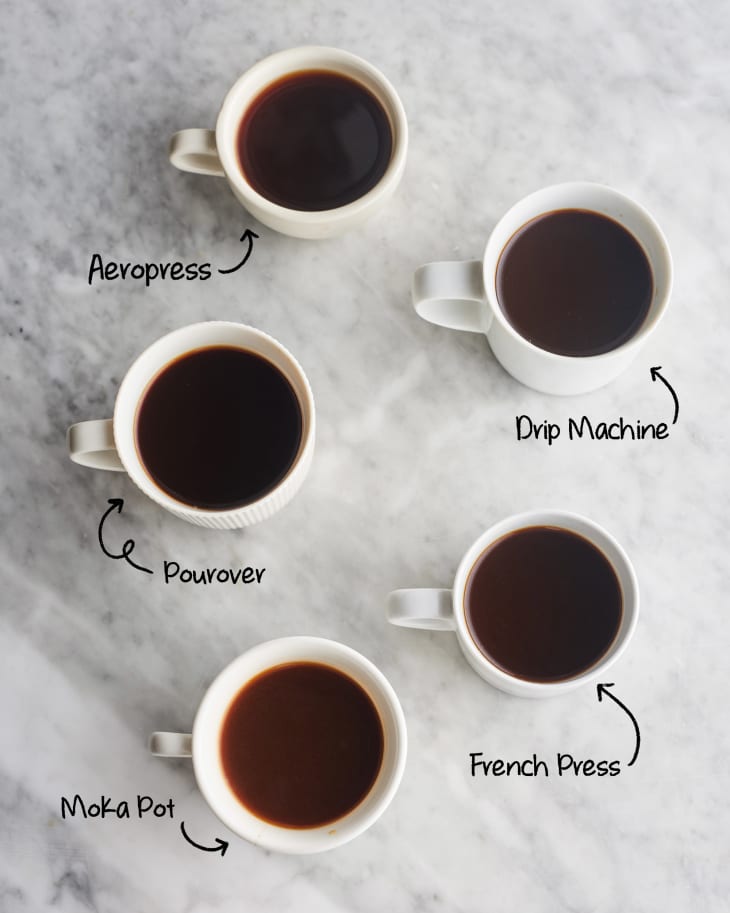
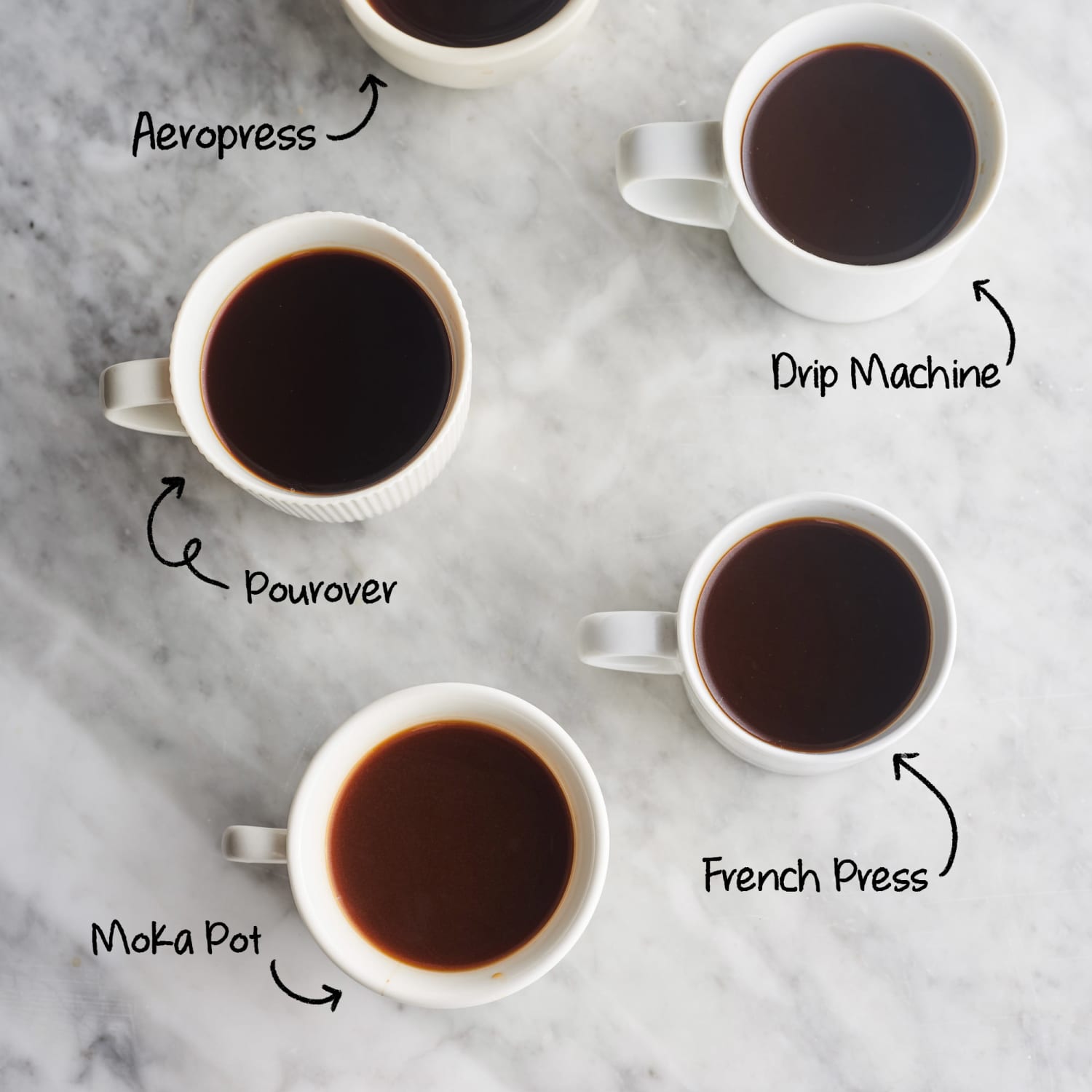
The French Press is a classic way to brew thick coffee. It uses a metal mesh filter that allows natural oils and fine coffee particles to pass through. These elements add to the coffee’s body and richness.
Steps for a thicker French Press brew:
- Use coarsely ground coffee to prevent over-extraction.
- Increase coffee amount to water ratio (about 1:12 or stronger).
- Steep coffee for 4 to 5 minutes to extract full flavors.
- Press the plunger slowly to avoid disturbing grounds.
The French Press retains more coffee oils compared to paper filters. This results in a bold and creamy texture. Here is a quick comparison of filter types and their impact on thickness:
| Filter Type | Effect on Thickness |
|---|---|
| Metal Mesh (French Press) | Allows oils, creates thicker coffee |
| Paper Filter | Removes oils, produces lighter coffee |
Using a French Press is simple and delivers a rich experience. Experiment with steep time and coffee amount to find your perfect thickness.
Cold Brew Advantages
Cold brew coffee is known for its smooth, thick texture. It uses cold water and a long steep time to extract coffee slowly. This process reduces bitterness and emphasizes sweetness and body.
Benefits of cold brew for thicker coffee:
- Slow extraction preserves natural oils.
- Less acidity, leading to a fuller mouthfeel.
- Can be concentrated for a denser brew.
To make thick cold brew:
- Use a coarse grind to avoid cloudiness.
- Mix coffee and cold water in a 1:4 ratio for strong brew.
- Steep for 12 to 24 hours in the fridge.
- Filter using a fine mesh or cloth filter.
Cold brew can be served straight or diluted with milk or water. Its natural sweetness and oil content make it feel richer than hot brewed coffee.
Espresso Insights
Espresso is a concentrated coffee form that naturally tastes thick and rich. It uses high pressure to force hot water through finely ground coffee. This creates a dense liquid with a creamy foam layer called crema.
Key factors for thick espresso:
- Use finely ground coffee for maximum extraction.
- Tamp grounds firmly to create resistance for water.
- Extract for about 25 to 30 seconds to balance strength and flavor.
- Maintain water temperature around 90-95°C (194-203°F).
The crema contains oils and emulsified coffee solids. It adds a velvety texture and enhances thickness. Here is a simple table outlining espresso variables and their effect on thickness:
| Variable | Effect on Thickness |
|---|---|
| Grind Size | Finer grind increases thickness |
| Extraction Time | Longer extraction creates richer taste |
| Tamping Pressure | Firm tamping improves crema and body |
Espresso requires practice but rewards with a thick and bold coffee experience.

Water Quality And Temperature
Water quality and temperature play a vital role in making coffee thicker and richer. These two factors influence how coffee compounds dissolve and develop flavor. Using the right water and correct temperature helps extract deeper tastes and fuller body. Poor water or wrong heat can make coffee taste weak or flat. Understanding these basics improves every cup.
Optimal Brewing Temperature
The best temperature for brewing coffee is between 195°F and 205°F (90°C to 96°C). Within this range, hot water extracts the right amount of oils, acids, and flavors from coffee grounds. Too hot water over-extracts, causing bitterness. Too cool water under-extracts, leading to sour or weak coffee.
Keep these points in mind:
- Use a thermometer to check water temperature.
- Boil water, then wait 30 seconds before pouring.
- Adjust temperature for altitude—higher places need slightly hotter water.
- Maintain consistent temperature throughout brewing.
Here is a simple guide for water temperature and brewing method:
| Brewing Method | Ideal Temperature (°F) | Ideal Temperature (°C) |
|---|---|---|
| French Press | 195 – 205 | 90 – 96 |
| Pour Over | 195 – 205 | 90 – 96 |
| Espresso | 190 – 200 | 88 – 93 |
Water temperature affects thickness by controlling how much coffee solids dissolve. Use water just off the boil for best results.
Using Filtered Water
Water quality affects coffee taste and thickness deeply. Tap water often has minerals and chemicals that change flavor. Using filtered water removes impurities and improves extraction. This gives coffee a cleaner and richer taste with fuller body.
Benefits of filtered water include:
- Removes chlorine and odors that ruin flavor.
- Balances mineral content for better extraction.
- Prevents scale buildup in coffee machines.
- Enhances coffee’s natural sweetness and thickness.
Water hardness impacts coffee extraction. Ideal mineral levels help dissolve coffee oils and solids. Use this table to check water hardness:
| Water Type | Calcium & Magnesium (mg/L) | Effect on Coffee |
|---|---|---|
| Soft Water | 0 – 50 | May under-extract, thin taste |
| Moderately Hard | 50 – 150 | Best for balanced extraction |
| Hard Water | 150+ | Can cause bitterness, dull flavor |
Use water filters or pitchers that reduce chlorine and balance minerals. Regularly clean your filter to keep water pure. Good water makes coffee thicker, smoother, and more flavorful.
Enhancing Texture Naturally
Enhancing the texture of your coffee naturally can make every sip feel richer and more satisfying. A thicker coffee does not always mean adding cream or sugar. There are simple ways to boost the body and mouthfeel of your brew using natural methods. These tips focus on deepening the texture without extra additives, keeping your coffee pure and bold.
Adding Coffee Grounds After Brew
One easy way to make coffee thicker is by adding a small amount of coffee grounds after brewing. This method increases the strength and density of your drink naturally. Use finely ground coffee for a smoother finish and less grit.
Here’s how to do it:
- Brew your coffee as usual.
- Add a pinch (about 1/4 teaspoon) of fresh, finely ground coffee to your cup.
- Stir slowly to blend the grounds into the liquid.
- Let it sit for 1-2 minutes to release more flavor.
- Drink carefully to avoid the grounds.
Benefits of adding grounds after brew:
- Boosts coffee thickness without altering flavor too much.
- Enhances the body and richness naturally.
- Simple and quick method with no extra ingredients.
| Step | Action | Effect |
|---|---|---|
| 1 | Brew coffee | Base liquid ready |
| 2 | Add fine grounds | Increases thickness |
| 3 | Stir & rest | Extracts more flavor |
Using Coffee Oils
Coffee oils carry much of the rich flavor and body of coffee. These oils make the brew feel thicker and smoother on the palate. Retaining or adding coffee oils can create a more luxurious texture naturally.
Here are some ways to use coffee oils effectively:
- Choose dark roast beans: Dark roasts release more oils during brewing.
- Use a French press: This method keeps most oils in the coffee compared to paper filters.
- Skip paper filters: Metal or cloth filters allow oils to pass through, enhancing texture.
- Add a drop of coffee oil: Pure coffee oil, available in stores, can boost richness without bitterness.
These tips help keep oils in your cup, which naturally thickens the brew without cream or additives. Oils add a velvety mouthfeel and deepen the flavor profile for a satisfying experience.
Ingredients To Boost Richness
Thick coffee feels rich and full, making every sip more satisfying. The right ingredients can change your brew from thin to creamy. Knowing which ingredients add richness helps you enjoy coffee with a smooth, thick texture. Simple additions can boost flavor and body without extra effort. This section shows how milk, cream, and natural thickeners improve coffee thickness.
Milk And Cream Choices
Milk and cream are the easiest ways to make coffee thicker. They add fat and protein, which improve texture and taste. Different types of milk and cream give different thickness levels and flavors.
Here are common options to try:
- Whole Milk: Adds moderate creaminess and a slightly sweet taste.
- Heavy Cream: Very thick and rich, perfect for a decadent coffee.
- Half-and-Half: A mix of milk and cream, balances thickness and flavor.
- Evaporated Milk: Thicker than regular milk, adds a caramel-like taste.
- Oat Milk: Naturally creamy and thick, great for dairy-free coffee.
Use this table to pick the right milk or cream for your coffee:
| Ingredient | Fat Content | Texture | Flavor Notes |
|---|---|---|---|
| Whole Milk | 3.5% | Lightly creamy | Sweet, mild |
| Heavy Cream | 36-40% | Very thick | Rich, buttery |
| Half-and-Half | 10-12% | Medium creamy | Balanced, smooth |
| Evaporated Milk | 6-8% | Thick | Caramel-like |
| Oat Milk | 2-3% | Creamy | Sweet, oaty |
Start by adding a small amount of your chosen milk or cream. Stir well and taste. Increase slowly until the coffee reaches the desired thickness. Warm milk blends better and feels smoother. Avoid boiling milk as it changes flavor.
Natural Thickeners
Natural thickeners add body without changing coffee flavor too much. They help create a creamy, rich texture while keeping the brew fresh. These ingredients work well for those who want thick coffee without dairy.
Common natural thickeners include:
- Coconut Oil: Adds richness and a hint of tropical flavor. Use 1 teaspoon per cup.
- MCT Oil: Flavorless and smooth, perfect for thickening coffee.
- Collagen Peptides: Boost protein and thickness without affecting taste.
- Chia Seeds: Soaked chia seeds create a gel that thickens coffee.
- Flaxseed Meal: Similar to chia, adds texture and fiber.
Try these tips to use natural thickeners:
- Add oils slowly to hot coffee and stir vigorously.
- Mix collagen peptides into warm coffee to dissolve fully.
- Soak chia seeds in water for 10 minutes, then add to coffee.
- Use flaxseed meal sparingly to avoid grainy texture.
Natural thickeners offer a healthy boost to coffee. They can improve fullness and create a unique taste. Experiment with small amounts to find the best balance for your brew.
Common Mistakes To Avoid
Making coffee thicker and richer requires attention to detail. Many people try hard but miss simple mistakes that ruin their brew. Avoiding common errors can improve coffee texture and taste significantly. These mistakes often lead to thin, bitter, or flat coffee. Understanding what to avoid helps create a fuller and more satisfying cup every time.
Over-extraction Issues
Over-extraction happens when coffee grounds brew for too long or the water temperature is too high. This pulls out unwanted bitter and harsh flavors. The coffee becomes thin or unpleasant despite efforts to make it thicker.
Signs of over-extraction:
- Bitter taste
- Dry or chalky aftertaste
- Thin or watery texture
How to prevent over-extraction:
- Use the correct grind size: coarser for longer brews, finer for quick methods.
- Keep water temperature between 195°F and 205°F (90°C–96°C).
- Limit brew time based on method: e.g., 4 minutes for French press, 25-30 seconds for espresso.
- Use the right coffee-to-water ratio to avoid weak or overly strong coffee.
| Brew Method | Ideal Brew Time | Recommended Grind Size |
|---|---|---|
| French Press | 4 minutes | Coarse |
| Espresso | 25-30 seconds | Fine |
| Pour Over | 2.5 to 3 minutes | Medium-fine |
Keeping these points in mind avoids over-extraction and helps achieve a thicker, well-balanced coffee.
Using Stale Coffee
Fresh coffee beans make a big difference in flavor and thickness. Stale coffee loses oils and aromas, resulting in weak and flat coffee. Using old beans prevents the coffee from developing a rich body.
How to recognize stale coffee:
- Dull aroma
- Flat or lifeless taste
- Less crema on espresso
Tips to keep coffee fresh:
- Buy whole beans and grind just before brewing.
- Store coffee in an airtight container away from light and heat.
- Use coffee within 2-3 weeks of roasting.
- Avoid buying large amounts that stay unused for long.
| Storage Tip | Reason |
|---|---|
| Airtight container | Prevents exposure to air and moisture |
| Cool, dark place | Protects from heat and light damage |
| Grind before use | Preserves flavor and oils until brewing |
Fresh beans produce more oils, helping coffee feel thicker. Avoid stale coffee for a richer, fuller brew.
Maintenance For Better Brews
Making coffee thicker and richer starts with more than just the coffee grounds. Proper maintenance of your coffee equipment and beans plays a big role in creating a deep, full-bodied brew. Clean machines and fresh beans help your coffee taste its best every time. This section covers simple maintenance tips to keep your coffee strong and flavorful.
Cleaning Coffee Equipment
Dirty coffee equipment affects the taste and thickness of your brew. Old coffee oils and residue build up inside your machine, making coffee taste bitter or weak. Regular cleaning removes these leftovers and improves the quality of each cup.
Follow these steps to clean your coffee equipment properly:
- Daily: Rinse the coffee basket, filter, and carafe with warm soapy water.
- Weekly: Use a coffee machine cleaner or a mixture of vinegar and water to descale the machine.
- Monthly: Deep clean removable parts like grinders and milk frothers according to manufacturer instructions.
Here is a simple cleaning schedule you can follow:
| Frequency | Cleaning Task | Why It Matters |
|---|---|---|
| Daily | Rinse coffee basket and carafe | Prevents oil build-up and stale flavors |
| Weekly | Descale machine with vinegar or cleaner | Removes mineral deposits that block flow |
| Monthly | Deep clean grinder and frother | Ensures fresh coffee grind and texture |
Consistent cleaning helps your coffee taste fresh and thick. It also extends the life of your equipment. Never skip this step if you want a richer brew.
Storing Beans Properly
Fresh beans are key for thick, flavorful coffee. Poor storage causes beans to lose oils, making your coffee thin and weak. Store your beans correctly to keep their rich taste and aroma.
Keep these tips in mind for proper bean storage:
- Use airtight containers to keep air and moisture out.
- Store beans in a cool, dark place away from heat and sunlight.
- Avoid the fridge or freezer as moisture can damage beans.
- Buy small amounts to use beans before they go stale.
Here is a comparison of storage methods:
| Storage Method | Best For | Drawbacks |
|---|---|---|
| Airtight container at room temperature | Daily use, keeps beans fresh for weeks | Needs a cool, dark spot |
| Fridge or freezer | Long-term storage (over a month) | Moisture risk, flavor loss when thawed |
| Original bag with valve | Short-term storage, convenient | Not fully airtight after opening |
Good storage keeps coffee beans rich and full of flavor. It helps you brew thicker coffee every time.
Frequently Asked Questions
How Can I Make My Coffee Thicker At Home?
Use a coarser grind and brew with less water. Adding a pinch of coffee grounds or instant coffee powder can also thicken the brew. Cold brew and adding milk or cream increase richness and texture.
Does Brewing Time Affect Coffee Thickness?
Yes, longer brewing extracts more oils and solids, making coffee thicker. Avoid over-extracting to prevent bitterness. Adjust brewing time based on method for optimal thickness and flavor.
What Additives Help Create A Richer Coffee Texture?
Add milk, cream, or coconut milk for creaminess. Using butter or coconut oil creates a thicker, richer mouthfeel. Sweeteners like honey or syrups can enhance texture and taste.
Is Coffee Grind Size Important For Thicker Coffee?
Yes, a coarser grind slows extraction and enhances thickness. Fine grinds can produce bitter, thin coffee. Match grind size to your brewing method for the best rich brew.
Conclusion
Thicker coffee means a richer, fuller taste you will enjoy. Use fresh, coarser coffee grounds for better texture. Try brewing methods like the French press or espresso. Adding a small amount of coffee powder or milk powder helps too. Control water amount to keep your brew strong and thick.
Experiment with these simple tips until you find your perfect cup. Enjoy each sip with a smooth, rich flavor every time. Making coffee thicker is easy and fun to try at home.
Leave a Reply