
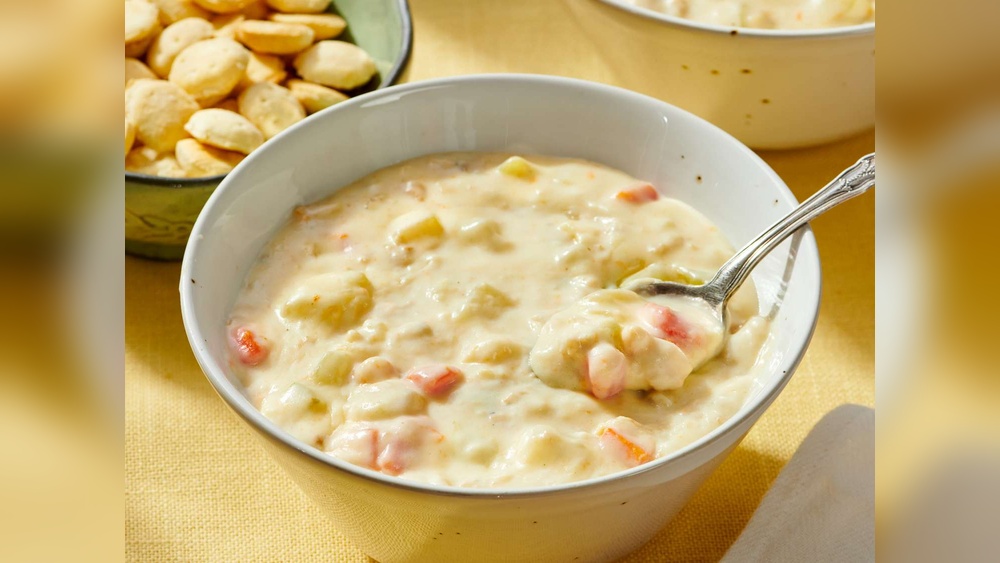
The comforting aroma of simmering broth, the briny sweetness of fresh clams, and the creamy richness of a well-made chowder, these are the hallmarks of a truly satisfying bowl of clam chowder. Whether you prefer the hearty, tomato-based Rhode Island style, the thick, creamy New England variety, or the clear, broth-forward Manhattan rendition, mastering this classic dish is a rewarding culinary endeavor.
It’s more than just a soup; it’s a taste of coastal tradition, a warm embrace on a chilly evening, and a versatile dish that can be adapted to various tastes and occasions.
Understanding the nuances of clam chowder, from selecting the freshest ingredients to perfecting the simmering time, can elevate your home cooking. This guide will walk you through the essential steps, from choosing your clams and vegetables to achieving that perfect creamy or brothy consistency, ensuring you can confidently create a chowder that rivals your favorite seaside restaurant.
We’ll explore the different styles, the critical components, and the techniques that make for an unforgettable chowder experience.
Key Takeaways
- Clam Selection is Crucial: Fresh, live clams are ideal for the best flavor and texture; canned or frozen are acceptable alternatives with some caveats.
- New England Style Dominates: The classic creamy chowder relies on a base of dairy, potatoes, and salt pork or bacon.
- Mise en Place is Key: Preparing all ingredients before cooking ensures a smooth and efficient process.
- Broth is Flavor: The liquid from steaming fresh clams is vital for authentic chowder taste.
- Thickening Techniques Vary: Flour roux, cornstarch slurry, or potato starch are common methods for achieving desired consistency.
- Balancing Flavors: Saltiness from bacon/pork, sweetness from clams, and savory notes from aromatics need careful balance.
- Don’t Overcook: Overcooking clams makes them tough, and over-simmering can break down potatoes too much.
Understanding The Core Components Of Clam Chowder
At its heart, clam chowder is a symphony of carefully chosen ingredients. While variations abound, a few key elements form the foundation of most recipes. Understanding their role and how to select the best quality will set you on the path to chowder perfection.
From the star of the show, the clams themselves, to the supporting cast of vegetables and aromatics, each component plays a vital part in the final flavor profile and texture.
The Star: Choosing Your Clams
The quality of your clams directly impacts the final taste of your chowder. For the most authentic and flavorful chowder, fresh, live clams are the gold standard. They release their own briny liquor as they cook, which is essential for building a deep, oceanic flavor base.
- Live Hard-Shell Clams:
- Littleneck Clams: These are small, tender clams with a sweet flavor, perfect for chowder. They cook quickly and release a good amount of liquor.
- Cherrystones: Slightly larger than littlenecks, they have a more robust flavor and are a good all-around choice.
- Quahogs: These are the largest of the hard-shell clams, with a chewier texture and a strong, briny taste. They are often used for chowder, especially in traditional New England recipes.
- How to Select Live Clams: Look for clams with tightly closed shells. If a clam is slightly open, tap it gently; it should close. Discard any clams that are open and do not close when tapped, or those with cracked or broken shells. Store them in a bowl covered with a damp cloth in the refrigerator, never in water or an airtight container.
- Canned Clams:
- Whole Baby Clams or Chopped Clams: These are a convenient option when fresh clams are unavailable. They come packed in their own juice.
- Flavor Profile: Canned clams can sometimes have a slightly less vibrant flavor than fresh ones, and their texture can be softer.
- Usage: Drain the canned clams, reserving the juice. You’ll want to add this juice to your chowder for extra clam flavor. Some recipes suggest rinsing them briefly to remove any metallic taste, though this can also wash away flavor.
- Frozen Clams:
- Availability: You can find shucked clam meat that has been frozen.
- Thawing: Thaw them in the refrigerator overnight. Drain any liquid released during thawing, but consider adding it to your chowder if it smells fresh and briny.
- Texture: Frozen clam meat can sometimes be a bit chewier or tougher than fresh.
The Supporting Cast: Vegetables And Aromatics
Beyond the clams, a medley of vegetables and aromatics provides texture, sweetness, and depth to the chowder.
- Potatoes: The quintessential chowder potato is a waxy variety like Yukon Gold or red potatoes. Their firm texture holds up well during simmering without becoming mushy. Russets, while starchy, can break down too much and thicken the chowder excessively. Cut them into uniform ½-inch dice for even cooking.
- Onions: Yellow or white onions are standard. Finely dice them to ensure they meld into the chowder rather than remaining in large chunks.
- Celery: Adds a subtle savory note and a pleasant crunch. Dice it finely, similar to the onions.
- Bacon or Salt Pork: This is a cornerstone of New England clam chowder, providing a smoky, salty foundation and rendering fat for sautéing the aromatics. Diced bacon or salt pork should be rendered until crisp, then removed, leaving the flavorful fat behind.
- Garlic: While not traditional in all recipes, a minced clove or two can add a welcome layer of flavor.
- Herbs: Fresh thyme and bay leaves are common additions during simmering. Fresh parsley is often used as a garnish.
The Creamy Foundation (new England Style)
For the classic New England clam chowder, dairy is key to achieving that rich, velvety texture.
- Milk: Whole milk is preferred for its richness.
- Cream: Heavy cream or half-and-half adds luxurious body and mouthfeel. The ratio of milk to cream can be adjusted based on your preference for richness.
- Butter: Often used in conjunction with flour to create a roux, which thickens the chowder and adds a smooth, buttery flavor.
Crafting The Perfect New England Clam Chowder
New England clam chowder, often referred to as Boston clam chowder, is the most iconic and widely recognized version of this coastal classic. Its hallmark is a thick, creamy broth, studded with tender clams, diced potatoes, and often, crisp pieces of bacon or salt pork.
Achieving this beloved consistency and flavor requires attention to detail at each step.
Step 1: Preparing The Base, Rendering And Sautéing
The flavor journey begins with rendering the salt pork or bacon. This process not only crisps up the meat for texture but also yields its flavorful fat, which is crucial for building the chowder’s savory foundation.
- Render the Pork/Bacon: In a large, heavy-bottomed pot or Dutch oven, cook diced salt pork or bacon over medium heat until it’s golden brown and crisp. This typically takes about 8-10 minutes.
- Remove and Reserve: Using a slotted spoon, remove the crisp pork/bacon bits and set them aside on a paper towel-lined plate. Leave about 2-3 tablespoons of the rendered fat in the pot. Discard any excess fat, or save it for another culinary use.
- Sauté Aromatics: Add the diced onions and celery to the rendered fat in the pot. Cook over medium heat, stirring occasionally, until the vegetables are softened and translucent, usually about 5-7 minutes. Avoid browning them; you want them tender. If using garlic, add it during the last minute of sautéing and cook until fragrant.
Step 2: Building The Body, Roux And Potatoes
The roux is the traditional thickening agent for New England clam chowder, creating a smooth, emulsified base that prevents the dairy from separating.
- Create the Roux: Sprinkle all-purpose flour over the softened vegetables. Stir continuously for 1-2 minutes, allowing the flour to cook slightly and absorb the fat. This cooks out the raw flour taste.
- Add Liquid Gradually: Slowly whisk in about 2 cups of the clam liquor (from canned clams or the strained liquid from steaming fresh clams) and 2 cups of fish or chicken broth (or water). Whisk constantly to prevent lumps from forming. Bring the mixture to a simmer, stirring until it thickens into a smooth, gravy-like consistency.
- Incorporate Potatoes: Add the diced potatoes to the pot. Stir to combine.
- Simmering the Potatoes: Add enough milk (about 2-3 cups) to cover the potatoes and vegetables. Bring the mixture to a gentle simmer. Reduce the heat to low, cover the pot, and let it simmer for about 15-20 minutes, or until the potatoes are fork-tender but not mushy. Stir occasionally to prevent sticking.
Step 3: Adding The Stars, Clams And Dairy
This is where the chowder truly comes to life. Adding the clams and dairy at the right time is crucial to avoid overcooking the delicate clam meat and to ensure a creamy, smooth finish.
- Add Clams: If using canned clams, drain them and add them to the pot along with their reserved liquor (if not already added). If using fresh clams, steam them separately until they just open (see section on steaming fresh clams). Remove the clams from their shells, chop them roughly, strain their liquor, and add both the chopped clams and their strained liquor to the chowder. Crucially, do not boil the chowder after adding the clams. Simmering them for too long will make them tough and rubbery.
- Enrich with Dairy: Stir in the heavy cream or half-and-half (about 1-1.5 cups). Gently heat the chowder through over low heat. Do not allow it to boil, as this can cause the dairy to curdle.
- Seasoning: Season generously with salt and freshly ground black pepper. Taste and adjust as needed. Remember that bacon/salt pork is salty, so season cautiously at first. A pinch of cayenne pepper or a dash of hot sauce can add a subtle warmth.
Step 4: Finishing Touches And Serving
The final steps involve adding texture and serving your masterpiece.
- Add Crisp Toppings: Stir in about half of the reserved crisp bacon/salt pork bits.
- Garnish: Ladle the hot chowder into bowls. Garnish each serving with the remaining crisp bacon/salt pork. A sprinkle of fresh chopped parsley adds a touch of color and freshness.
- Serve: Serve immediately with crusty bread or oyster crackers for dipping.
Steaming Fresh Clams For Chowder
Using fresh, live clams is the ultimate way to achieve authentic clam flavor in your chowder. Steaming them is a quick and efficient method to open them and capture their precious liquor.
The Process
- Clean the Clams: Scrub the outside of the clams under cold running water to remove any dirt or grit. Discard any clams that are open and don’t close when tapped, or those with cracked shells.
- Prepare for Steaming: Place the cleaned clams in a large pot with about 1 inch of water, clam juice, or dry white wine. Add a sprig of thyme or a bay leaf if desired.
- Steam Until Open: Cover the pot tightly and bring the liquid to a boil over medium-high heat. Steam for about 5-10 minutes, or until the clam shells have opened. Shake the pot occasionally to ensure even steaming.
- Strain the Liquor: Carefully remove the opened clams from the pot using a slotted spoon. Crucially, strain the steaming liquid through a fine-mesh sieve lined with cheesecloth or a coffee filter into a clean bowl. This removes any grit or shell fragments, leaving you with pure, flavorful clam liquor.
- Shuck the Clams: Once the clams are cool enough to handle, remove them from their shells. Discard the shells. Roughly chop the clam meat.
- Incorporate into Chowder: Add the chopped clam meat and the strained clam liquor to your chowder base during the final stages of cooking, as described in Step 3 of the New England style preparation. Remember, do not boil after adding the clams.
Exploring Other Clam Chowder Styles
While New England clam chowder reigns supreme in popularity, other regional variations offer distinct flavor profiles and textures, each with its own loyal following. Understanding these differences can broaden your culinary horizons and inspire new ways to enjoy this beloved soup.
Manhattan Clam Chowder: A Tomato-based Delight
Manhattan clam chowder stands in stark contrast to its creamy New England cousin. It features a clear, tomato-based broth and is often packed with a wider array of vegetables.
- Key Ingredients: Tomatoes (crushed, diced, or puréed), clams, potatoes, onions, celery, carrots, and sometimes bell peppers. It typically does not contain dairy.
- Flavor Profile: Brighter, tangier, and more robust due to the tomatoes and vegetables. It’s often seasoned with herbs like oregano and basil.
- Texture: Lighter and brothier than New England style, with distinct pieces of vegetables and clams.
- Preparation: Similar to New England style in that aromatics are sautéed, but the base is built with tomatoes and broth instead of a dairy or roux base. Potatoes are simmered until tender, and clams are added near the end.
Rhode Island (newport) Clam Chowder: The Clear Broth Champion
Rhode Island clam chowder is perhaps the simplest and purest expression of clam flavor. It is characterized by a clear, broth-based soup with no dairy or tomato.
- Key Ingredients: Clams, potatoes, onions, and clam broth. Sometimes a touch of butter or cream is added at the very end for richness, but it’s not a defining characteristic.
- Flavor Profile: Clean, briny, and highlights the natural sweetness of the clams.
- Texture: Lightest of the three main styles, with tender clams and potatoes swimming in a clear, savory broth.
- Preparation: Involves sautéing onions, simmering potatoes in clam broth, and adding clams just before serving to prevent overcooking. It focuses on the pure essence of the clams.
Comparison Of Chowder Styles
To better illustrate the differences, consider this table:
| Feature | New England Style | Manhattan Style | Rhode Island Style |
|---|---|---|---|
| Broth Base | Creamy (Milk, Cream) | Tomato-based | Clear Broth |
| Dairy | Yes | No | Optional (minimal) |
| Tomatoes | No | Yes | No |
| Vegetables | Potatoes, Onions, Celery | Potatoes, Onions, Celery, Carrots, sometimes Bell Peppers | Potatoes, Onions |
| Flavor Profile | Rich, Creamy, Savory | Tangy, Robust, Slightly Sweet | Clean, Briny, Pure Clam |
| Texture | Thick, Velvety | Brothy, Chunky Vegetables | Light, Brothy |
Tips For Chowder Success
Beyond the basic steps, a few pro tips can elevate your clam chowder from good to exceptional. These often involve small adjustments that make a big difference in flavor, texture, and overall quality.
Pro Tip: Don’t Discard The Clam Liquor!
The liquid released from fresh or canned clams is liquid gold for chowder. It’s packed with briny, oceanic flavor that’s impossible to replicate. Always reserve and strain this liquor. If you’re steaming fresh clams, the liquor is arguably the most important component of the steaming liquid. If using canned clams, ensure you use the juice they are packed in.
Mastering The Roux
A well-made roux is essential for a smooth, lump-free, creamy chowder.
- Ratio: A common ratio for chowder is roughly equal parts fat (butter, bacon fat) and flour by weight, though volume measurements are often used. For example, 1/4 cup butter to 1/4 cup flour.
- Cooking Time: Cook the roux for at least 1-2 minutes over medium heat after adding the flour. This cooks out the raw flour taste, which can otherwise impart a pasty flavor to your chowder. You want a pale blonde roux for chowder.
- Adding Liquid: Always add cool or room temperature liquid (broth, milk) to a hot roux, or hot liquid to a cool roux, while whisking vigorously. This helps prevent lumps. For chowder, adding the clam liquor and broth to the hot roux gradually while whisking is a standard and effective method.
The Art Of Potato Cooking
Potatoes are a crucial textural element.
- Uniform Cuts: Ensure your potato cubes are roughly the same size (around ½ inch). This guarantees even cooking.
- Avoid Overcooking: Potatoes should be tender enough to be easily pierced with a fork but still hold their shape. Overcooked potatoes will disintegrate, turning your chowder into a starchy mush.
- Waxy vs. Starchy: As mentioned, waxy potatoes (like Yukon Gold or red potatoes) are preferred for their ability to hold their shape. Starchy potatoes (like Russets) tend to break down more readily.
When To Add The Clams
This is a critical point that determines the tenderness of your clams.
- Freshly Steamed Clams: Add them during the last 5 minutes of simmering. The goal is just to heat them through.
- Canned or Frozen Clams: These are already cooked. Add them during the last 5-10 minutes of simmering, again, just to heat them through.
- The Golden Rule: Never boil your chowder after the clams have been added. Boiling will toughen and shrink the clam meat, making it unpleasantly chewy.
Adjusting Consistency
Chowder thickness is a matter of personal preference.
- Too Thin?
- Cornstarch Slurry: Whisk 1-2 tablespoons of cornstarch with an equal amount of cold water until smooth. Stir this slurry into the simmering chowder and cook for a minute or two until thickened.
- Mashed Potato: Mash a few cooked potato pieces against the side of the pot or remove a ladleful of potatoes, mash them, and return them to the pot.
- Too Thick?
- Add More Liquid: Stir in more milk, cream, or broth until the desired consistency is reached.
Flavor Enhancements
- Smoked Paprika: A pinch can add a subtle smoky depth without the need for bacon in some variations.
- Worcestershire Sauce: A dash can add umami complexity.
- Dry Sherry or White Wine: A small amount added with the clam liquor can brighten the flavors.
A Culinary Journey: My Experience With Chowder
In my experience, the difference between a mediocre clam chowder and an outstanding one often comes down to a few key details. I remember my first attempt at making New England clam chowder from scratch. I’d used canned clams, which were fine, but the flavor lacked that certain *je ne sais quoi*.
The texture was a bit too uniform, and the broth, while creamy, felt a little flat.
The turning point came when I decided to tackle steaming fresh littleneck clams. The process itself was surprisingly simple, but the aroma that filled my kitchen as they steamed was intoxicating. The real revelation, however, was tasting the strained liquor, it was pure essence of the sea.
When I incorporated that liquor, along with the tender, freshly cooked clam meat, into my chowder, the transformation was remarkable. The soup gained a depth of flavor and a subtle sweetness that I hadn’t achieved before.
Another time, I experimented with using Yukon Gold potatoes versus Russets. The Yukon Golds held their shape beautifully, providing delightful little bites of potato throughout the creamy soup. The Russets, unfortunately, had begun to break down, making the chowder slightly grainy and overly thick. This experience solidified my preference for waxy potatoes in chowder.
Finally, I learned the hard way about overcooking clams. I’d gotten distracted while adding the cream and let the chowder simmer a bit too long. The result was chewy, rubbery clams that detracted from the overall enjoyment. Since then, I’ve become meticulous about adding the clams just at the very end and ensuring the soup only gently heats through, never boils.
These small lessons, learned through practice and a willingness to experiment, have made all the difference in creating a truly memorable bowl of clam chowder.
Leave a Reply