
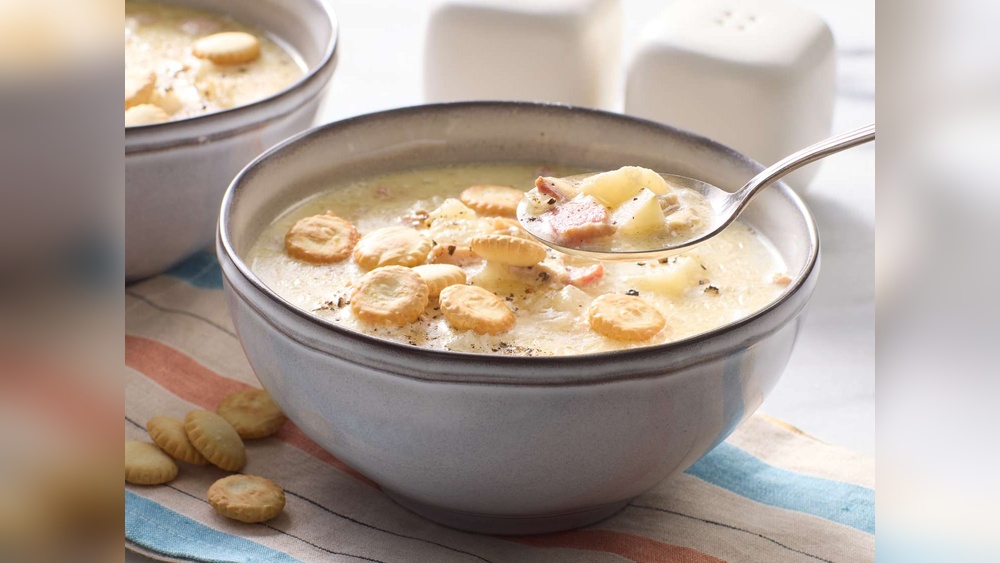
Savoring The Sea: Crafting Exquisite Clam Chowder Without Potatoes
Clam chowder, a beloved classic of coastal cuisine, conjures images of cozy evenings and the briny essence of the ocean. While creamy New England clam chowder often relies on the humble potato for its signature thickness and texture, a world of delicious possibilities exists for those seeking to omit this starchy staple.
Whether for dietary reasons, a desire for a lighter dish, or simply to explore new culinary horizons, crafting a flavorful and satisfying clam chowder without potatoes is entirely achievable. This guide will lead you through the art of creating a rich, comforting chowder that stands proudly on its own, highlighting alternative thickening agents and flavor-building techniques that capture the soul of this iconic soup.
The beauty of clam chowder lies in its adaptability. The fundamental elements, clams, broth, aromatics, and dairy, provide a robust foundation that can be enhanced and modified to suit various preferences. By understanding the role potatoes typically play and exploring their functional substitutes, you can unlock a new dimension of chowder creation.
This journey will not only demystify the process but also empower you to create a chowder that is both familiar and uniquely your own, proving that a potato-free version can be just as hearty, if not more so, than its traditional counterpart.
Key Takeaways
- Flavor Foundation is Crucial: Without potatoes, building a deep flavor base with quality clams, rich broth, and well-sautéed aromatics is paramount.
- Strategic Thickening: Explore alternatives like heavy cream, roux (butter and flour), cornstarch slurry, or even pureed vegetables (like cauliflower or parsnips) to achieve the desired consistency.
- Ingredient Quality Matters: Use fresh or high-quality canned clams, good stock, and fresh herbs for the best taste.
- Texture Variety: Incorporate ingredients like celery, onions, and even other seafood or vegetables for textural interest.
- Seasoning is Key: Proper seasoning throughout the cooking process is vital to enhance all the flavors.
The Art Of The Potato-free Chowder Base
Creating a truly exceptional clam chowder without potatoes begins with a deep understanding of how to build a robust flavor profile and achieve a desirable texture. Potatoes, while serving as a thickener, also contribute a subtle sweetness and a creamy mouthfeel.
Replicating these qualities requires a mindful approach to ingredient selection and cooking techniques. The foundation of any great chowder lies in the quality of its core components.
Selecting The Finest Clams
The star of any clam chowder is, undoubtedly, the clam. The type and quality of clams you choose will significantly impact the final taste and aroma of your soup. For the most authentic and vibrant flavor, fresh clams are highly recommended. These can range from small littlenecks and cherrystones to larger quahogs, each offering a slightly different flavor intensity and texture. When purchasing fresh clams, ensure they are live and tightly closed, or close when tapped. They should also smell fresh and briny, not fishy or unpleasant.
If fresh clams are unavailable or seem daunting to prepare, canned clams are a perfectly acceptable and convenient alternative. Look for whole or chopped clams packed in their own juice or water, rather than brine, as this juice can be a valuable addition to your chowder’s flavor base. Draining the canned clams will still leave you with a delicious chowder, but reserving and incorporating some of the clam liquor can add an extra layer of oceanic depth. For a truly premium experience, consider frozen shucked clams, which offer a good balance of convenience and quality.
Building A Rich Broth And Aromatic Foundation
The broth is the soul of your chowder, and without potatoes to absorb and mellow flavors, its quality becomes even more critical. A high-quality fish or clam broth is ideal. You can make your own by simmering clam shells, fish bones, and aromatic vegetables like carrots, celery, and onions. Alternatively, good quality store-bought seafood stock or even a mild vegetable broth can serve as a base, though it may require more assertive seasoning to achieve the desired depth.
The aromatic foundation is built with mirepoix, a combination of finely diced onion, celery, and sometimes carrots. Sautéing these vegetables slowly in butter or a good quality olive oil until they are softened and translucent is crucial. This process, known as sweating, releases their natural sugars and creates a sweet, complex flavor base that permeates the entire chowder. Don’t rush this step; patience here pays dividends in the final taste. Garlic is another essential aromatic, typically added a minute or two before the liquid to prevent it from burning.
The Importance Of Clam Liquor
The liquid that the clams are packed in, known as clam liquor, is a goldmine of flavor. Whether you’re using fresh or canned clams, never discard this liquid. It contains the natural briny essence of the clams and will significantly enhance the overall oceanic taste of your chowder. When using fresh clams, you’ll steam them open, and the resulting liquid can be strained and added to your broth. For canned clams, simply drain them, reserving the liquor, and add it to the pot along with the broth. This concentrated flavor is a key component in achieving an authentic-tasting chowder.
Mastering Alternative Thickeners For Potato-free Chowder
One of the primary roles of potatoes in traditional clam chowder is to act as a natural thickener, breaking down as they cook and releasing starch. When omitting potatoes, you’ll need to employ alternative methods to achieve that desirable creamy, comforting consistency.
The choice of thickener can subtly influence the final flavor and texture, so experimenting with a few options is often rewarding.
The Classic Roux Method
A roux, a mixture of equal parts fat (usually butter) and flour cooked together, is a time-tested thickening agent used in countless sauces and soups, including chowders. This method provides a smooth, velvety texture and a slightly nutty flavor that complements the seafood.
How to make a roux:
- Melt butter in a saucepan over medium heat.
- Whisk in all-purpose flour until a smooth paste forms.
- Cook the roux, stirring constantly, for 1 to 3 minutes. This cooks out the raw flour taste. A pale roux is sufficient for chowder; darker rouxs are used for richer, deeper flavors.
- Gradually whisk in your cold or warm liquid (broth or milk/cream) to the roux. Be sure to whisk thoroughly to prevent lumps.
- Continue to cook and stir until the chowder thickens to your desired consistency.
The ratio of roux to liquid is key. A common starting point is 2 tablespoons of butter and 2 tablespoons of flour per cup of liquid, but you can adjust this based on how thick you want your chowder.
Cornstarch Or Arrowroot Slurry
For a quicker and often lighter thickening option, a cornstarch or arrowroot slurry is an excellent choice. These starches create a glossy, smooth texture without adding the richness that a roux might. Arrowroot is particularly good for achieving a clear, shimmering finish.
How to make a slurry:
- In a small bowl, combine 1-2 tablespoons of cornstarch or arrowroot powder with an equal amount of cold water or broth.
- Whisk until completely smooth and no lumps remain.
- Slowly pour the slurry into the simmering chowder while whisking constantly.
- Continue to simmer gently for 1-2 minutes until the chowder thickens. Avoid boiling vigorously after adding the slurry, as it can break down.
This method is ideal if you want to thicken the chowder towards the end of the cooking process without altering the base flavor significantly.
Cream And Evaporated Milk
Heavy cream is a luxurious thickener that also adds richness and a beautiful mouthfeel. It’s often used in conjunction with other thickening methods or as the primary liquid component. For a slightly lighter but still creamy result, evaporated milk can be used. It provides a concentrated dairy flavor and a velvety texture that is less likely to curdle than regular milk when heated.
Using cream or evaporated milk:
- Heavy cream: Stir in heavy cream during the last few minutes of cooking. Do not boil rapidly after adding cream, as it can curdle.
- Evaporated milk: Can be added earlier in the cooking process, similar to milk, and provides a richer flavor than regular milk.
These dairy-based thickeners contribute significantly to the overall richness and mouthfeel of the chowder, making it feel substantial even without potatoes.
Pureed Vegetables As A Natural Thickener
A more health-conscious and flavor-integrating approach is to use pureed vegetables to thicken the chowder. While not as common in traditional chowder, certain vegetables can add creaminess and body without overpowering the clam flavor.
- Cauliflower: Steamed and pureed cauliflower can create a surprisingly creamy texture that is relatively neutral in flavor.
- Parsnips: These root vegetables offer a subtle sweetness and a creamy consistency when pureed.
- White Beans: Cooked cannellini or Great Northern beans, pureed until smooth, can add significant body and a subtle earthy note.
These purees should be added towards the end of the cooking process and stirred in until fully incorporated. You can either puree them separately and add them, or, if you’ve cooked other vegetables like celery and onions until very soft, you might be able to blend a portion of the soup directly (using an immersion blender carefully) to thicken it.
The Role Of Flour-dusted Clams
A less common but effective technique involves lightly dusting your clams (if using fresh, shucked clams) with flour before adding them to the pot. This flour coating will adhere to the clams as they cook, releasing a small amount of starch into the chowder and contributing to its thickness. This method works best when combined with other thickening strategies, as it provides only a modest thickening effect on its own.
:max_bytes(150000):strip_icc()/17893-new-england-clam-chowder-II-Allrecipes-Magazine-4x3-1-eedf77d1d1794f3daa2863658b5b289e.jpg)
Flavor Enhancements And Complementary Ingredients
Beyond the thickening agents, a host of ingredients can elevate your potato-free clam chowder from good to extraordinary. These additions contribute layers of flavor, aroma, and texture, ensuring a complex and satisfying dish.
The Importance Of Bacon
Bacon is a cornerstone of many classic chowders, and its absence in a potato-free version would be a significant loss for many palates. The smoky, salty, and savory notes of well-cooked bacon provide a crucial depth of flavor that complements the briny clams beautifully.
How to incorporate bacon:
- Dice and render: Dice several strips of good quality bacon and cook them in your soup pot over medium heat until crispy.
- Remove bacon bits: Use a slotted spoon to remove the crispy bacon bits and set them aside. Leave the rendered bacon fat in the pot.
- Sauté aromatics: Use this flavorful bacon fat to sauté your onions, celery, and other aromatics. This infuses them with smoky goodness from the start.
- Garnish: Sprinkle the reserved crispy bacon bits over the finished chowder just before serving for a textural contrast and a burst of smoky flavor.
The amount of bacon can be adjusted to your preference, but using it to start the flavor base is a technique that yields exceptional results.
Herbs And Spices For Depth
While the clams and bacon provide the primary savory notes, herbs and spices play a vital role in rounding out the flavor profile.
- Thyme: Fresh or dried thyme offers an earthy, slightly floral aroma that pairs wonderfully with seafood. Add it early in the cooking process to allow its flavor to meld.
- Bay Leaf: A single bay leaf simmered in the broth adds a subtle, complex herbal note that enhances the overall savory character. Remove it before serving.
- Parsley: Freshly chopped parsley, added at the end of cooking or as a garnish, provides a burst of freshness and a vibrant green color.
- Black Pepper: Freshly ground black pepper is essential for adding a gentle warmth and spice.
- Paprika: A pinch of smoked paprika can add another layer of smoky complexity and a hint of color.
Be judicious with spices; the goal is to complement, not overpower, the delicate flavor of the clams.
Incorporating Other Vegetables For Texture And Flavor
While potatoes are omitted, other vegetables can add welcome texture, sweetness, and nutritional value to your chowder.
- Celery: Finely diced celery adds a subtle crispness and a fresh, slightly peppery flavor. It’s a classic aromatic in chowder.
- Onions: Yellow or sweet onions provide a foundational sweetness when sautéed. Leeks, with their milder, more delicate onion flavor, can also be used.
- Carrots: While not traditional in all chowders, finely diced carrots can add a touch of sweetness and color. Be sure to dice them small so they cook through.
- Corn: Sweet corn kernels (fresh or frozen) add pops of sweetness and a delightful texture. They are particularly good in chowders with a slightly lighter, brothier base.
- Bell Peppers: Finely diced green or red bell peppers can add a subtle sweetness and a hint of vegetal complexity.
The key is to dice these vegetables uniformly and cook them until tender but not mushy, ensuring they contribute positively to the overall texture.
The Creamy Finish: Dairy Choices
The choice of dairy contributes significantly to the richness and mouthfeel of your chowder.
- Heavy Cream: For the ultimate indulgence, heavy cream provides unparalleled richness and a velvety texture.
- Half-and-Half: A good compromise between richness and lightness, half-and-half offers a creamy consistency without being overly heavy.
- Whole Milk: While lighter, whole milk can still contribute to creaminess, especially when used in conjunction with a roux or other thickening agent. Be mindful that milk is more prone to curdling than cream.
- Evaporated Milk: As mentioned earlier, evaporated milk offers concentrated dairy flavor and creaminess without the risk of curdling.
- Non-Dairy Alternatives: For a dairy-free version, unsweetened coconut milk (full-fat canned variety) or a cashew cream can provide richness and body. These will impart their own subtle flavors, so choose wisely based on your desired taste profile.
A Note On Acidity: Lemon And White Wine
A touch of acidity can brighten the rich flavors of clam chowder and cut through the creaminess, making the dish more balanced.
- Lemon Juice: A squeeze of fresh lemon juice added just before serving can lift all the flavors and add a fresh, zesty finish.
- Dry White Wine: A splash of dry white wine, such as Sauvignon Blanc or Pinot Grigio, can be added after sautéing the aromatics and cooked down before adding the broth. It adds a subtle complexity and acidity that enhances the seafood notes.
Step-by-step Guide To Potato-free Clam Chowder
This comprehensive guide outlines the process for creating a delicious, hearty clam chowder without relying on potatoes. We’ll focus on building layers of flavor and achieving a satisfying texture through alternative methods.
Ingredients You’ll Need
This recipe aims for a rich, creamy chowder, using a roux for thickening and incorporating classic flavor elements.
- Clams: 2 (6.5 oz) cans whole or chopped clams, undrained (reserve liquor) OR 3 lbs fresh clams, scrubbed clean
- Bacon: 4-6 strips thick-cut bacon, diced
- Butter: 2 tablespoons unsalted butter
- Aromatics: 1 large yellow onion, finely diced; 2 celery stalks, finely diced
- Garlic: 2-3 cloves garlic, minced
- Flour: 1/4 cup all-purpose flour (for roux)
- Broth: 4 cups good quality seafood stock or clam juice (use reserved clam liquor)
- Dairy: 2 cups heavy cream or half-and-half
- Seasoning: 1 teaspoon dried thyme; 1 bay leaf; Salt and freshly ground black pepper to taste
- Garnish: Fresh parsley, chopped; reserved crispy bacon bits
Preparation And Cooking Process
- Render the Bacon: In a large heavy-bottomed pot or Dutch oven, cook the diced bacon over medium heat until crispy. Using a slotted spoon, remove the bacon bits to a paper towel-lined plate, reserving about 2 tablespoons of the rendered bacon fat in the pot. Discard any excess fat.
- Sauté Aromatics: Add the 2 tablespoons of butter to the bacon fat in the pot. Once melted, add the diced onion and celery. Sauté over medium heat, stirring occasionally, until the vegetables are softened and translucent, about 8-10 minutes. Add the minced garlic and cook for another minute until fragrant.
- Create the Roux: Sprinkle the 1/4 cup of flour over the softened vegetables. Stir well to coat everything and cook for 1-2 minutes, stirring constantly, to cook out the raw flour taste. This forms the base of your roux.
- Build the Broth Base: Gradually whisk in the reserved clam liquor and the seafood stock (or clam juice). Whisk continuously to ensure no lumps form. Add the dried thyme and bay leaf. Bring the mixture to a gentle simmer, stirring occasionally.
- Simmer and Thicken: Reduce the heat to low, cover the pot, and let the chowder simmer gently for about 15-20 minutes. This allows the flavors to meld and the broth to thicken slightly from the roux. Stir occasionally to prevent sticking.
- Add Clams and Dairy: If using canned clams, drain them, reserving the liquor (if you haven’t already). Add the drained clams to the pot. Stir in the heavy cream or half-and-half. Bring the chowder back to a gentle simmer (do not boil vigorously after adding dairy).
- Final Seasoning and Finishing: Remove the bay leaf. Taste the chowder and season generously with salt and freshly ground black pepper. Remember that clams can be salty, so season gradually. Stir in most of the chopped fresh parsley, reserving some for garnish.
- Serve: Ladle the hot chowder into bowls. Garnish with the reserved crispy bacon bits and the remaining fresh parsley. Serve immediately with crusty bread or oyster crackers.
Potato-free Chowder Variations And Flavor Profiles
The beauty of this potato-free approach is its inherent flexibility. You can tailor the chowder to your specific taste preferences by adjusting ingredients and incorporating different flavor profiles. Here are a few popular variations:
The Lighter, Brothier Style
For those who prefer a less dense chowder, focus on a higher broth-to-dairy ratio and potentially a lighter thickening agent.
- Thickener: Use a cornstarch slurry instead of a roux, or a very light roux.
- Dairy: Opt for whole milk or even a blend of milk and broth.
- Additions: Incorporate corn and finely diced celery for texture and sweetness. A splash of dry white wine can add complexity.
- Garnish: Fresh dill or chives can offer a lighter herbal note than parsley.
This style is reminiscent of Rhode Island-style clam chowder, which is typically broth-based and clear, often featuring tomatoes and no dairy. While we aren’t aiming for a Rhode Island style here, the principle of a lighter broth is applicable.
The Smoked Seafood Twist
Elevate your chowder with the addition of smoked ingredients for a robust, complex flavor.
- Smoked Clams: If available, use smoked chopped clams in addition to or instead of regular clams.
- Smoked Sausage: Add diced smoked sausage (like andouille or kielbasa) along with the bacon for an extra layer of smoky spice.
- Smoked Paprika: Increase the amount of smoked paprika used in the seasoning.
This variation creates a deeply savory and smoky chowder that is incredibly satisfying.
The “ocean’s Bounty” Chowder
Expand beyond just clams to include other treasures from the sea.
- Seafood Additions: Add cooked shrimp, scallops, or chunks of firm white fish (like cod or haddock) during the last 5-10 minutes of cooking. Ensure they are cooked through but not overcooked.
- Lobster: For a truly decadent chowder, add chunks of cooked lobster meat along with the clams.
- Mussels or Cockles: If using fresh clams, you can steam mussels or cockles along with them and add their briny liquor to the broth.
This approach transforms a simple clam chowder into a luxurious seafood medley.
Dairy-free/vegan Adaptation
Creating a delicious dairy-free or vegan version requires careful substitution to mimic the richness and creaminess.
- Dairy Replacement: Use full-fat canned coconut milk or a homemade cashew cream (soaked cashews blended with water) in place of heavy cream. Unsweetened almond or soy milk can be used for a lighter option.
- Broth: Use a rich vegetable broth or mushroom broth.
- “Bacon” Flavor: Use smoked tofu or tempeh, diced and pan-fried until crisp, or utilize a good quality liquid smoke sparingly.
- Thickener: A roux made with vegetable oil or vegan butter and flour, or a cornstarch slurry, works well.
- Umami Boost: Add a tablespoon of nutritional yeast or miso paste to the broth for added savory depth.
While this deviates significantly from traditional clam chowder,
Leave a Reply