
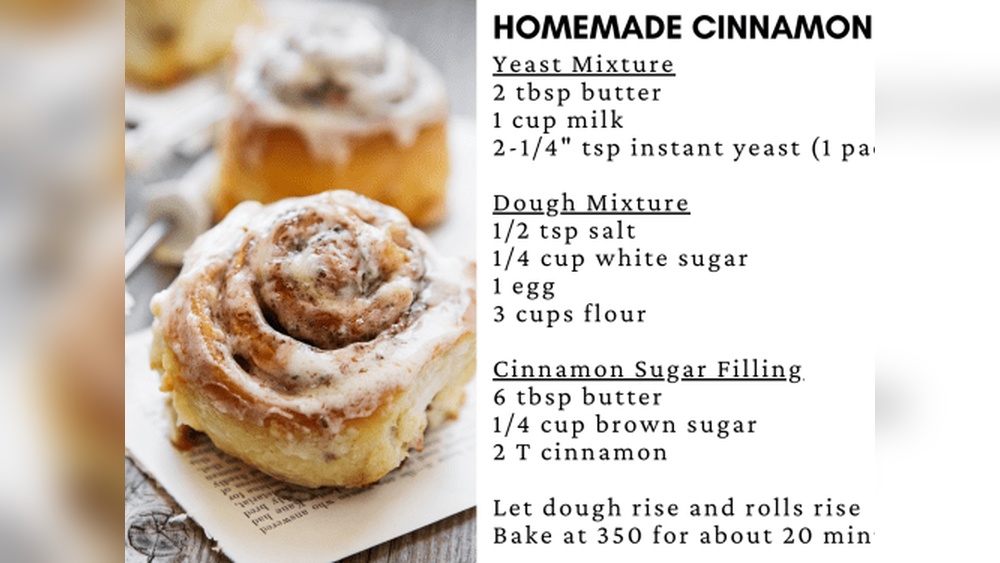
The aroma of warm cinnamon and sweet dough, wafting from the oven, is one of life’s simple yet profound pleasures. Cinnamon rolls, those soft, swirled delights, are more than just a breakfast pastry; they are a symbol of comfort, a treat for special occasions, and a project that brings joy to kitchens worldwide.
While the idea of making them from scratch might seem daunting, with the right guidance, anyone can master the art of creating perfect, gooey cinnamon rolls. This comprehensive guide will walk you through every step, from understanding the essential ingredients and techniques to troubleshooting common issues, ensuring your homemade cinnamon rolls are a resounding success.
Key Takeaways
- Yeast Activation is Crucial: Properly activating yeast ensures your dough rises properly, leading to light and fluffy rolls.
- Dough Hydration Matters: The correct balance of wet and dry ingredients creates a pliable dough that’s easy to work with and yields tender rolls.
- The Filling is Key: A generous, well-mixed cinnamon-sugar filling, often enhanced with butter, is vital for flavor and moisture.
- Proper Rolling and Cutting: Tight, even rolls and clean cuts prevent the filling from escaping and ensure uniform baking.
- Proofing is Essential: Allowing the shaped rolls to rise a second time before baking is critical for their final texture.
- Don’t Overbake: Overbaking leads to dry, tough cinnamon rolls. Aim for a golden-brown exterior and a slightly gooey center.
- The Frosting Seals the Deal: A classic cream cheese or simple glaze frosting adds the perfect finishing touch.
Understanding The Core Components Of Perfect Cinnamon Rolls
Crafting exceptional cinnamon rolls relies on a foundational understanding of their primary components: the dough, the filling, and the frosting. Each element plays a distinct role in the final texture, flavor, and overall appeal of these beloved pastries.
The Dough: A Foundation Of Softness And Structure
The dough is the backbone of any cinnamon roll. It needs to be soft, slightly sweet, and elastic enough to be rolled out without tearing, yet sturdy enough to hold its delicious filling. The primary ingredients are flour, yeast, liquid (milk or water), fat (butter or oil), sugar, and salt.
- Flour: All-purpose flour is the standard choice, providing the gluten structure necessary for the dough to rise and hold its shape. Some bakers experiment with bread flour for a chewier texture, but all-purpose is generally recommended for its balance.
- Yeast: This is the leavening agent that makes the dough rise. Active dry yeast or instant yeast are most commonly used. Proper yeast activation is paramount. For active dry yeast, it needs to be dissolved in warm liquid (around 105-115°F or 40-46°C) with a pinch of sugar until foamy, indicating it’s alive and active. Instant yeast can often be mixed directly into the dry ingredients, though blooming it first is still a good practice for assurance.
- Liquid: Warm milk is preferred over water as it adds richness and tenderness to the dough due to its fat and sugar content. The warmth is crucial for activating the yeast without killing it.
- Fat: Unsalted butter, melted or softened, is the traditional fat source. It contributes to a tender crumb, rich flavor, and helps keep the rolls moist.
- Sugar: Granulated sugar sweetens the dough and also feeds the yeast, aiding in its activation and fermentation.
- Salt: Salt is essential for flavor balance and also helps control the yeast’s activity, preventing it from fermenting too quickly.
The Filling: A Sweet, Spicy Swirl
The filling is what gives cinnamon rolls their signature flavor and gooey texture. It’s typically a mixture of softened butter, brown sugar, and cinnamon.
- Butter: Softened, unsalted butter is spread evenly over the rolled-out dough. It acts as a binder for the sugar and cinnamon and adds moisture and richness.
- Brown Sugar: Light or dark brown sugar is ideal. Its molasses content provides a deeper, caramelly flavor compared to white sugar, and it creates that wonderfully sticky, gooey texture when baked.
- Cinnamon: This is the star spice. A generous amount of ground cinnamon is crucial. Ceylon cinnamon is often preferred for its sweeter, more delicate flavor profile, but Cassia cinnamon, the more common variety, also works well and offers a bolder taste. The ratio of cinnamon to sugar can be adjusted to personal preference.
The Frosting: The Crown Jewel
No cinnamon roll is complete without a decadent frosting. The two most popular options are a classic cream cheese frosting and a simple powdered sugar glaze.
- Cream Cheese Frosting: This rich, tangy frosting balances the sweetness of the roll. It typically includes cream cheese, softened butter, powdered sugar, and a splash of vanilla extract, sometimes with a little milk or cream for consistency.
- Powdered Sugar Glaze: A simpler, quicker option, this glaze is made by whisking powdered sugar with milk or water and a touch of vanilla extract until smooth. It provides a sweet, slightly crisp coating.

Mastering The Dough: From Mixing To Kneading
The journey to delicious cinnamon rolls begins with a well-made dough. This involves precise mixing and adequate kneading to develop the gluten structure necessary for a light and airy final product.
Ingredients And Proportions
A typical recipe for about 12-15 cinnamon rolls might include:
- 2 ¼ teaspoons (1 packet) active dry yeast
- ½ cup warm milk (105-115°F / 40-46°C)
- ¼ cup granulated sugar, plus 1 teaspoon for yeast
- 1 large egg, at room temperature
- ⅓ cup unsalted butter, melted and slightly cooled
- 1 teaspoon salt
- 3 to 3 ½ cups all-purpose flour, plus more for dusting
Step-by-step Dough Preparation
- Activate the Yeast: In a small bowl or the bowl of your stand mixer, combine the warm milk, 1 teaspoon of sugar, and the active dry yeast. Stir gently and let it sit for 5-10 minutes until it becomes foamy and bubbly. If it doesn’t foam, your yeast may be inactive, and you’ll need to start over with fresh yeast.
- Combine Wet Ingredients: To the foamy yeast mixture, add the granulated sugar, egg, melted butter, and salt. Whisk until just combined.
- Incorporate Flour: Gradually add the flour, starting with 3 cups. If using a stand mixer, attach the dough hook and mix on low speed until a shaggy dough forms. If mixing by hand, use a wooden spoon or spatula.
- Knead the Dough:
- Stand Mixer: Increase the speed to medium-low and knead for 5-7 minutes. The dough should become smooth, elastic, and pull away from the sides of the bowl. If it’s too sticky, add flour 1 tablespoon at a time. If it seems too dry, add milk 1 teaspoon at a time.
- By Hand: Turn the dough out onto a lightly floured surface. Knead by pushing the dough away from you with the heel of your hand, then folding it back over itself. Rotate the dough and repeat. Continue kneading for 8-10 minutes until the dough is smooth, elastic, and no longer excessively sticky. Proper kneading develops the gluten network, which is crucial for the dough’s texture.
- First Rise (Bulk Fermentation): Lightly grease a large bowl with oil or cooking spray. Place the kneaded dough in the bowl, turning it once to coat all sides. Cover the bowl tightly with plastic wrap or a clean kitchen towel. Let the dough rise in a warm place (around 75-80°F / 24-27°C) for 1 to 1.5 hours, or until doubled in size.
Shaping The Perfect Swirl: Rolling And Filling
Once the dough has completed its first rise, it’s time to shape the rolls. This stage involves rolling out the dough, spreading the filling, and carefully forming the signature swirl.
Rolling Out The Dough
- Deflate and Prepare: Gently punch down the risen dough to release the air. Turn it out onto a lightly floured surface.
- Shape into a Rectangle: Using a rolling pin, roll the dough into a large rectangle. Aim for a consistent thickness, typically around ¼ to ½ inch. For about 12-15 rolls, a rectangle of approximately 12×18 inches is common. Ensure the edges are relatively straight for even rolling later.
Applying The Filling
- Butter Application: Spread the softened butter evenly over the surface of the dough, leaving about a ½-inch border along one of the long edges. The butter should be soft enough to spread easily but not melted.
- Sugar and Cinnamon Mixture: In a separate bowl, mix together:
- 1 cup packed light brown sugar
- 2-3 tablespoons ground cinnamon (adjust to your preference)
- Optional: ¼ teaspoon nutmeg or cardamom for added warmth.
- Distribute Evenly: Sprinkle the cinnamon-sugar mixture generously and evenly over the buttered dough, right up to the edges (except the border you left). Press it down gently with your hands or the rolling pin to help it adhere.
Rolling And Cutting
- The Tight Roll: Starting from the long edge *opposite* the clean border, begin to tightly roll the dough into a log. Apply even pressure as you roll to ensure the filling stays contained and the swirl is compact. A tight roll prevents gaps and ensures the cinnamon filling doesn’t ooze out during baking.
- Sealing the Seam: Once rolled, gently pinch the seam closed to seal the log.
- Cutting the Rolls:
- Using a Knife: Use a sharp knife to cut the log into 12-15 equal pieces, about 1 to 1.5 inches thick. For cleaner cuts, you can lightly dust the knife with flour or use a sawing motion.
- Using Floss or Thread: For the cleanest cuts that don’t compress the dough, use unflavored dental floss or strong thread. Slide a piece of floss under the log, cross the ends over the top, and pull to slice through the dough. This method is particularly useful for achieving perfect, un-squashed rolls.
- Using a Bench Scraper: A sharp bench scraper can also be effective for clean cuts.
:max_bytes(150000):strip_icc()/229276-easy-cinnamon-rolls-DDMFS-4x3-a225ddff4e7948e9b239557f14a9c05b.jpg)
The Second Rise And Baking: Patience For Perfection
After shaping, the rolls need a second proofing period before baking. This allows the dough to relax and rise again, resulting in lighter, fluffier cinnamon rolls. Baking requires careful temperature and timing to achieve a golden exterior and a perfectly tender interior.
Second Rise (proofing)
- Arrange the Rolls: Place the cut cinnamon rolls, cut-side up, into a greased baking dish (a 9×13 inch pan is standard). Ensure they are snug but not tightly packed, as they will expand.
- Cover and Let Rise: Cover the baking dish loosely with plastic wrap or a kitchen towel. Let the rolls rise in a warm place for another 30-60 minutes, or until they appear visibly puffy and have increased in size. They should be touching each other. Proper proofing is key to a light texture.
Baking The Cinnamon Rolls
- Preheat the Oven: Preheat your oven to 350°F (175°C). It’s important to have the oven at the correct temperature before the rolls go in.
- Bake: Place the baking dish in the preheated oven. Bake for 20-25 minutes, or until the tops are golden brown and the centers are cooked through. You can test for doneness by gently pressing the center of a roll; it should spring back slightly. If the tops are browning too quickly, you can loosely tent the pan with aluminum foil.
- Cooling: Remove the pan from the oven. Let the cinnamon rolls cool in the pan for about 10-15 minutes before frosting. This allows them to set slightly and prevents the frosting from melting off completely.
Pro Tip: For an even more decadent, bakery-style roll, you can add a tablespoon or two of heavy cream over the tops of the rolls during the last 5 minutes of baking. This adds moisture and richness.
Frosting And Finishing Touches: The Sweet Finale
The frosting is the crowning glory of any cinnamon roll. Whether you opt for a rich cream cheese frosting or a simple glaze, applying it while the rolls are still slightly warm ensures it melts just enough to coat every nook and cranny.
Classic Cream Cheese Frosting
This is arguably the most popular frosting for cinnamon rolls, offering a perfect balance of sweetness and tang.
Ingredients:
- 4 oz (113g) cream cheese, softened
- ¼ cup (57g) unsalted butter, softened
- 1 ½ cups (180g) powdered sugar, sifted
- ½ teaspoon vanilla extract
- 1-2 tablespoons milk or heavy cream (optional, for thinning)
Instructions:
- In a medium bowl, beat the softened cream cheese and butter together with an electric mixer until smooth and creamy.
- Gradually add the sifted powdered sugar, beating on low speed until incorporated, then increase speed to medium and beat until smooth and fluffy.
- Stir in the vanilla extract. If the frosting is too thick, add milk or cream, one tablespoon at a time, until it reaches your desired spreading consistency.
- Spread generously over the warm cinnamon rolls.
Simple Powdered Sugar Glaze
For a quicker, lighter option, this glaze is a perfect choice.
Ingredients:
- 1 cup (120g) powdered sugar, sifted
- 2-3 tablespoons milk or water
- ½ teaspoon vanilla extract
Instructions:
- In a small bowl, whisk together the sifted powdered sugar, 2 tablespoons of milk/water, and vanilla extract.
- Continue whisking until smooth. If the glaze is too thick, add more milk or water, a teaspoon at a time, until it reaches a drizzling consistency.
- Drizzle over the slightly cooled cinnamon rolls.
Application: It’s best to frost the rolls when they are still warm, but not hot. The residual heat will help the frosting spread and melt slightly, coating the rolls beautifully. If you prefer a firmer frosting, let the rolls cool completely before applying.
Troubleshooting Common Cinnamon Roll Problems
Even with the best intentions, homemade cinnamon rolls can sometimes present challenges. Understanding common issues and their solutions can help you achieve perfect results every time.
Dough Isn’t Rising
- Problem: The dough didn’t double in size after the first or second rise.
- Causes:
- Inactive Yeast: The yeast was old, expired, or killed by liquid that was too hot.
- Temperature: The rising environment was too cold.
- Too Much Salt/Sugar: Excessive amounts can inhibit yeast activity.
- Under-kneading: Insufficient gluten development.
- Solutions:
- Always check the expiration date on your yeast. Test active dry yeast by blooming it in warm water with sugar before adding to the recipe. Use a thermometer to ensure liquids are in the 105-115°F (40-46°C) range.
- Find a warm spot for rising: Near a preheating oven, on top of a slightly warm (not hot) appliance, or in an oven with just the light on.
- Measure salt and sugar accurately.
- Ensure you knead the dough sufficiently until it’s smooth and elastic.
Filling Oozing Out
- Problem: The cinnamon-sugar filling leaked out during baking.
- Causes:
- Dough Rolled Too Thin: A very thin layer of dough can’t contain the filling.
- Uneven Filling Distribution: Pockets of too much filling.
- Loose Roll: The dough wasn’t rolled tightly enough.
- Over-proofing: The dough expanded too much, breaking the structure.
- Solutions:
- Roll the dough to a consistent thickness (around ¼ to ½ inch).
- Spread the filling evenly, avoiding excessive amounts in any one area.
- Roll the dough log tightly and pinch the seam to seal it.
- Don’t let the rolls over-proof; they should look puffy but not excessively so.
Dry Or Tough Rolls
- Problem: The finished cinnamon rolls are dry and lack tenderness.
- Causes:
- Over-baking: The most common culprit.
- Too Much Flour: The dough was too dry to begin with.
- Insufficient Fat/Liquid: Not enough butter or milk in the dough.
- Over-kneading: Excessive gluten development can make them tough.
- Solutions:
- Bake only until golden brown and the center springs back slightly. Use a timer and check frequently.
- Measure flour accurately, preferably by weight, or spoon it into the measuring cup and level off. Add flour gradually during kneading.
- Ensure you’re using the correct amounts of butter and milk as per the recipe.
- Avoid over-kneading; stop when the dough is smooth and elastic.
Dough Is Sticky And Hard To Handle
- Problem: The dough is too sticky to roll out or shape.
- Causes:
- Too Much Liquid: The ratio of liquid to flour is off.
- Humidity: High humidity can affect flour absorption.
- Insufficient Kneading: Gluten hasn’t developed enough to provide structure.
- Solutions:
- Add flour incrementally during kneading (1 tablespoon at a time) until the dough is manageable but still slightly tacky.
- If it’s very humid, you might need slightly more flour.
- Knead thoroughly until the dough becomes less sticky and more elastic. Chilling the dough briefly (15-30 minutes) can also make it easier to handle.
Variations And Enhancements For Your Cinnamon Rolls
Once you’ve mastered the classic cinnamon roll, the possibilities for customization are endless. Experimenting with different flavors and additions can elevate your baking and cater to diverse tastes.
Flavor Additions To The Filling
- Pecans or Walnuts: Toasted chopped nuts add a delightful crunch and nutty flavor. Sprinkle them over the buttered dough before the cinnamon-sugar mixture.
- Chocolate: Add cocoa powder to the cinnamon-sugar mix, or layer thin chocolate chips or chopped chocolate over the butter before the sugar.
- Cardamom or Nutmeg: A pinch of these warm spices alongside cinnamon can add complexity.
- Orange Zest: Finely grated orange zest in the filling offers a bright, citrusy counterpoint to the sweet spice.
Frosting Variations
- Maple Frosting: Replace some of the powdered sugar with maple syrup and a touch of butter for a distinct maple flavor.
- Caramel Drizzle: After frosting, drizzle melted caramel sauce over the top.
- Cream Cheese with Citrus: Add a bit of lemon or orange zest to the cream cheese frosting for a brighter taste.
Dough Enhancements
- Brioche Dough: For an exceptionally rich and tender roll, adapt a brioche dough recipe, which incorporates more eggs and butter.
- Whole Wheat Flour: Substitute a portion of the all-purpose flour with whole wheat flour for a nuttier flavor and increased fiber. Start with substituting 25-50% of the flour.
Example: Spiced Apple Cinnamon Rolls
A popular variation involves adding finely diced, sautéed apples to the filling. Sauté ½ cup of finely diced apple with 1 tablespoon of butter and a pinch of cinnamon until slightly softened. Drain any excess liquid and then spread this mixture over the buttered dough before adding the cinnamon-sugar.
This creates a moist, fruity center that complements the classic cinnamon flavor beautifully. This variation often pairs wonderfully with a cream cheese frosting that has a hint of maple.
Frequently Asked Questions
What Is The Best Way To Store Leftover Cinnamon Rolls?
Leftover cinnamon rolls can be stored in an airtight container at room temperature for up to 2 days, or in the refrigerator for up to 5 days. For longer storage, wrap them tightly in plastic wrap and then place them in a freezer-safe bag or container.
They can be frozen for up to 3 months. Reheat gently in the oven or microwave.
Can I Make Cinnamon Roll Dough Ahead Of Time?
Yes, you can. After the first rise, you can punch down the dough, wrap it tightly in plastic wrap, and refrigerate it for up to 2 days. The cold temperature slows down the yeast activity. When you’re ready to use it, let it sit at room temperature for about 30-60 minutes to soften slightly before rolling and shaping.
Why Are My Cinnamon Rolls Flat?
Flat cinnamon rolls are often a result of over-proofing, where the dough rises too much and then collapses, or insufficient gluten development from under-kneading, which doesn’t provide enough structure to hold the air. Ensure you’re not letting the dough rise for too long and that you’ve kneaded it thoroughly until it’s elastic.
Leave a Reply