
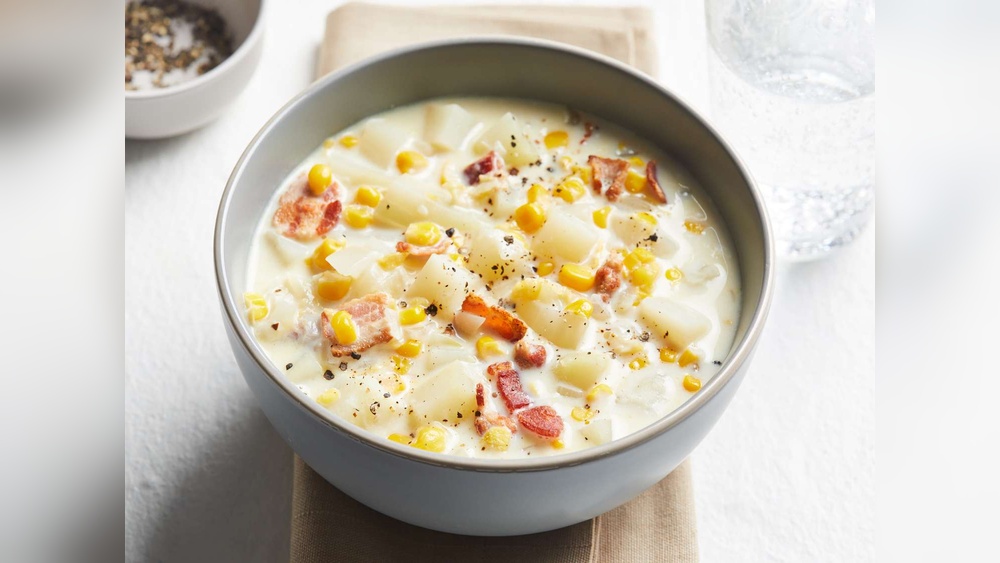
Chowder: The Hearty, Comforting Base For Creamy Delights
Chowder is more than just a soup; it’s a culinary hug, a warm embrace on a chilly evening, and a versatile canvas for a myriad of delicious ingredients. At its core, a well-crafted chowder base is the foundation upon which these rich, creamy, and satisfying soups are built.
Understanding how to create this essential base is key to unlocking a world of flavorful possibilities, from classic clam chowder to innovative vegetable or seafood variations. It’s about mastering the balance of flavors, achieving the perfect creamy consistency, and preparing ingredients that will stand up to the simmering process without becoming mushy.
The beauty of a chowder base lies in its simplicity and adaptability. While many recipes call for specific ingredients, the fundamental techniques remain consistent. This involves building layers of flavor through aromatic vegetables, creating a rich liquid from stock or broth, and achieving that signature creamy texture, often with dairy or a dairy-free alternative.
Whether you’re a seasoned home cook or just beginning your culinary journey, mastering the chowder base will elevate your soup-making skills and impress your guests with comforting, homemade goodness.
:max_bytes(150000):strip_icc()/SEA-the-best-corn-chowder-recipe-hero-1df17c05fc8440aeaed24085b3ab83b2.jpg)
Key Takeaways
- A robust chowder base relies on the aromatic foundation of mirepoix (onions, celery, carrots) and often garlic.
- The thickening agent is crucial, commonly achieved through a roux (butter and flour), cornstarch slurry, or pureed starchy vegetables.
- Quality liquid (fish stock, vegetable broth, chicken broth) is vital for depth of flavor.
- Dairy (milk, cream, half-and-half) is traditionally used for richness, but dairy-free alternatives can be equally effective.
- Seasoning is a continuous process, with salt, pepper, and herbs playing key roles throughout cooking.
- The cooking method involves sautéing aromatics, building the liquid, thickening, and simmering to meld flavors.
- Ingredient preparation is important; vegetables should be cut uniformly for even cooking.
The Essential Aromatics: Building Flavor From The Ground Up
The soul of any great chowder begins with its aromatic base. This foundational layer of flavor is typically built using a combination of mirepoix, a classic culinary blend of finely diced onions, celery, and carrots. These vegetables, when gently sautéed, release their natural sugars and complex flavors, creating a sweet and savory depth that permeates the entire soup. Onions provide sweetness and pungency, celery offers a subtle earthy note and a pleasant crunch if not overcooked, and carrots contribute sweetness and a beautiful color.
Beyond the mirepoix, garlic is another indispensable aromatic. Minced or finely chopped, garlic adds a pungent, savory kick that complements the other vegetables and pairs exceptionally well with seafood, poultry, or heartier vegetable bases. The key to unlocking their full potential is gentle sautéing in a fat, usually butter or oil, over medium-low heat. This process, known as sweating the vegetables, allows them to soften and release their volatile flavor compounds without browning or burning, which could impart a bitter taste. The aroma that fills your kitchen during this stage is a true indicator of the deliciousness to come.
Selecting And Preparing Your Mirepoix
Choosing fresh, high-quality vegetables is the first step. Look for firm celery stalks, crisp onions (yellow or sweet onions are excellent choices for chowder), and vibrant, smooth carrots. For the most consistent results in your chowder base, it’s crucial to dice these vegetables into uniform, small pieces. This ensures they cook evenly and break down slightly to contribute their essence to the broth without leaving large, unappetizing chunks. A sharp knife, such as those found in a quality 15 Piece Kitchen Knife Set, is invaluable for achieving this precise dicing.
The Role Of Fat In Sautéing
The choice of fat significantly impacts the final flavor profile. Butter lends a rich, creamy, and slightly sweet flavor that is traditional in many chowders, particularly those featuring seafood. Olive oil offers a fruitier, more robust flavor, suitable for vegetable-forward chowders or those seeking a lighter profile. A combination of both butter and oil can provide the best of both worlds: the flavor of butter with the higher smoke point of oil, preventing the butter from burning too quickly. The fat acts as a flavor carrier, absorbing the aromatic compounds released by the vegetables and distributing them throughout the cooking liquid.
:max_bytes(150000):strip_icc()/easy-creamy-one-pot-weeknight-salmon-chowder-recipe-hero-Diana-Chistruga-c3499e9b962a4bc2a534cff948f23f9b.JPG)
Crafting The Creamy Consistency: Thickening Techniques
Achieving that signature velvety, thick texture is paramount to a successful chowder base. This is where the magic of thickening agents comes into play, transforming a simple broth into a luxurious, spoonable soup. Several methods can be employed, each yielding slightly different results and requiring varying levels of technique. Understanding these options allows you to tailor your chowder base to your desired consistency and dietary preferences.
The Roux: A Classic Foundation
The most traditional method for thickening chowder is the roux. A roux is a cooked mixture of equal parts fat (butter is most common for chowder) and flour. It’s typically made by melting butter in the pot after the aromatics have been sautéed, then whisking in the flour until a smooth paste forms. The roux is then cooked for a minute or two to eliminate the raw flour taste. A white roux (cooked briefly) is ideal for chowders as it maintains a neutral flavor and pale color. A blond roux (cooked slightly longer) can add a hint of nutty flavor, while a brown roux would impart too much color and a strong flavor for most chowders. The roux is then gradually whisked into the simmering liquid, thickening it as it cooks.
Cornstarch And Flour Slurries
For a quicker thickening method, or for those avoiding gluten, a cornstarch slurry or a flour slurry can be used. This involves mixing cornstarch or flour with a small amount of cold liquid (water, broth, or milk) until completely smooth, ensuring no lumps. This mixture is then whisked into the simmering chowder towards the end of the cooking process. Cornstarch creates a glossy, translucent finish and is a potent thickener, so less is needed than flour. Flour slurries provide a more opaque finish and a slightly softer texture. It’s important to cook slurries for a few minutes after adding them to eliminate any raw starchy taste.
Pureed Vegetables For Natural Thickness
Another effective and healthy way to thicken chowder is by pureeing a portion of the cooked vegetables themselves. Potatoes are a common choice, as their starch content naturally thickens liquids beautifully. After the vegetables have softened during simmering, a portion can be carefully removed, blended until smooth using an immersion blender or a standard blender, and then returned to the pot. This method not only thickens the chowder but also adds body and flavor from the vegetables themselves, creating a richer, more integrated taste and texture. This technique is particularly useful for seafood or corn chowders, where the pureed element can be a star ingredient.
Selecting The Right Liquid: The Soul Of The Broth
The liquid base of your chowder is where much of its foundational flavor resides. The choice of liquid can dramatically influence the final taste, richness, and overall character of the soup. While water can be used, it offers no inherent flavor, leaving the burden of taste entirely on the other ingredients. Opting for a flavorful broth or stock is essential for creating a truly satisfying chowder base.
Broth Vs. Stock: Understanding The Difference
While often used interchangeably, broth and stock have distinct origins and flavor profiles. Stock is typically made by simmering bones (poultry, fish, or meat) with vegetables and aromatics for an extended period, extracting collagen and gelatin, which results in a richer, more viscous liquid. Broth, on the other hand, is usually made by simmering meat or vegetables, resulting in a lighter, more seasoned liquid. For chowder, both can be effective. Fish stock is the classic choice for clam chowder, providing an authentic oceanic depth. Vegetable broth is ideal for vegetarian or vegan chowders, while chicken or turkey stock can be used for chowders featuring those meats.
Dairy And Non-dairy Liquids
The creamy element is what defines many chowders. Milk (whole milk for richness, skim for lighter options), half-and-half, or heavy cream are traditional choices that lend a luxurious texture and mouthfeel. For those with dairy sensitivities or following a vegan diet, non-dairy milks like unsweetened almond milk, soy milk, or oat milk can be used. Coconut milk, particularly full-fat canned coconut milk, can also add a wonderful richness, though it imparts a distinct coconut flavor that pairs well with certain ingredients like corn or certain seafood. When incorporating dairy or non-dairy milks, it’s important to temper them or add them towards the end of cooking to prevent curdling.
The Art Of Seasoning: Enhancing Every Bite
Seasoning is not a one-time event but a continuous process that evolves as the chowder base simmers and its flavors meld. From the initial sauté of aromatics to the final adjustments, judicious use of salt, pepper, and herbs is crucial for bringing out the best in every ingredient and creating a balanced, delicious soup. Over-seasoning can be as detrimental as under-seasoning, so tasting and adjusting at various stages is key.
Salt And Pepper: The Foundation Of Flavor
Salt is the most fundamental seasoning, enhancing all other flavors. It’s best to start with a moderate amount when sautéing the aromatics and then add more incrementally as the liquid is introduced and the soup simmers. Black pepper, freshly ground, adds a subtle warmth and pungency that complements the richness of a chowder. Consider using white pepper for a cleaner, sharper heat if you want to maintain a lighter color in your chowder.
Herbs And Spices: Adding Complexity
Herbs play a vital role in adding layers of complexity and freshness to a chowder base. Thyme and bay leaves are classic choices that infuse a subtle, earthy aroma during simmering. They are often added early and removed before serving. Fresh parsley or chives, added at the end of cooking or as a garnish, provide a bright, fresh counterpoint to the richness of the soup. For a touch of warmth, a pinch of nutmeg can be a delightful addition, particularly in creamy chowders. Smoked paprika can add a subtle smoky depth, especially in vegetable or corn chowders.
Building The Base: Step-by-step Assembly
Creating a chowder base is a methodical process that builds flavor and texture layer by layer. While recipes vary, the core steps remain consistent, ensuring a delicious and satisfying result. Following these steps carefully will set you up for success, whether you’re making a classic seafood chowder or a hearty vegetable version.
Step 1: Sautéing The Aromatics
Begin by melting your chosen fat (butter, oil, or a combination) in a heavy-bottomed pot or Dutch oven over medium heat. Add your finely diced onions, celery, and carrots (the mirepoix). Sauté gently for 8-10 minutes, stirring occasionally, until the vegetables are softened and translucent, but not browned.
Add minced garlic and cook for another minute until fragrant. This initial sauté is crucial for developing the sweet, savory foundation of your chowder.
Step 2: Incorporating The Thickener (roux Method)
If using the roux method, sprinkle the flour over the sautéed vegetables. Stir continuously for 1-2 minutes, ensuring the flour is fully incorporated and cooks slightly to remove the raw taste. This mixture will form a thick paste.
Step 3: Adding The Liquid
Gradually whisk in your chosen liquid (stock, broth, or a combination). Start with a small amount, whisking vigorously to incorporate it into the roux and create a smooth base. Once smooth, begin adding the remaining liquid, stirring constantly. Bring the mixture to a gentle simmer, continuing to stir to ensure no lumps form.
If using a slurry or pureed vegetables, this step would be different (see sections above).
Step 4: Simmering And Flavor Development
Once the liquid is incorporated and the base is simmering, add any dried herbs (like bay leaves or thyme sprigs) and season lightly with salt and pepper. Reduce the heat to low, cover the pot, and let the base simmer gently for at least 15-20 minutes.
This allows the flavors to meld and the base to thicken slightly. The exact simmering time will depend on the ingredients and desired thickness.
Step 5: Adding Dairy And Final Seasoning
If using dairy or non-dairy milk/cream, temper it before adding to prevent curdling. Gradually whisk a small amount of the hot liquid into the milk/cream, then pour the tempered mixture back into the pot. Stir gently and heat through, but do not boil vigorously after adding dairy.
Taste the chowder base and adjust seasoning with salt and pepper as needed. Remove any bay leaves or herb sprigs. Your chowder base is now ready to have its star ingredients added.
Variations And Adaptations For Diverse Chowders
The beauty of a well-made chowder base is its incredible versatility. It serves as a perfect starting point for a wide array of chowder styles, accommodating different dietary needs and flavor preferences. Whether you’re craving seafood, vegetables, or a hearty meat option, the fundamental base can be adapted with ease.
Seafood Chowders: The Classic And Beyond
The quintessential chowder is undoubtedly clam chowder. Two prominent styles exist: the creamy New England clam chowder and the tomato-based Manhattan clam chowder. For the New England style, the base described above, enriched with diced clams and their liquor, is perfect. Fish chowder can be made similarly, using white fish like cod or haddock, often with potatoes. Corn and crab chowder offers a delightful sweet and savory combination, where sweet corn kernels and lump crab meat are folded into the creamy base. In my experience, ensuring the seafood is added towards the end of cooking, so it doesn’t overcook and become tough, is a critical detail for optimal texture.
Vegetable And Vegetarian Chowders
For a hearty vegetable chowder, the base can be built with vegetable broth and a variety of seasonal vegetables. Potatoes, corn, peas, carrots, and leeks are excellent choices. For a richer vegetarian option, consider adding pureed white beans or cashew cream for extra creaminess. A broccoli cheddar chowder is a popular choice, where the base is thickened and then infused with sharp cheddar cheese and tender steamed broccoli florets. A mushroom chowder can be incredibly savory and earthy, utilizing a variety of mushrooms sautéed to develop their deep flavor.
Meat And Poultry Chowders
While less common than seafood or vegetable versions, meat and poultry can also star in chowders. Chicken chowder often features diced chicken breast or thighs, corn, potatoes, and a creamy base, sometimes seasoned with herbs like sage. Bacon is a frequent addition, its rendered fat used to sauté the aromatics and its crispy bits added back for texture and flavor. A ham and potato chowder is a comforting and economical choice, utilizing leftover ham for a smoky, savory depth.
Pro Tips For Chowder Base Perfection
Mastering the chowder base involves understanding a few key principles that elevate it from good to exceptional. These tips, honed through countless hours in the kitchen, can help you achieve consistently delicious results.
- Uniform Dicing: Ensure all your aromatic vegetables (onions, celery, carrots) are diced to a similar, small size. This promotes even cooking and allows them to break down more readily into the base, contributing their flavors seamlessly.
- Don’t Rush the Sauté: Allow the aromatics to sweat gently over medium-low heat. Patience here develops sweetness and depth without the bitterness that can come from browning.
- Temper Dairy: When adding milk or cream, temper it by gradually whisking in some hot liquid before adding it to the main pot. This prevents the dairy from curdling due to the sudden temperature change.
- Taste and Adjust: Seasoning is iterative. Taste your base at multiple stages, after adding the liquid, after simmering, and especially after adding dairy, and adjust salt and pepper accordingly.
- Quality Broth Matters: Use the best quality stock or broth you can find or make. It forms the backbone of your chowder’s flavor. For seafood chowders, fish stock or clam juice is invaluable.
- Prevent Sticking: When using a roux or thickening with flour, stir constantly as the liquid is added and as it simmers to prevent sticking and burning on the bottom of the pot. A good quality pot, like a Ninja Foodi or a heavy-bottomed Dutch oven, helps distribute heat evenly.
Frequently Asked Questions
How Can I Make My Chowder Base Thicker If It’s Too Thin?
If your chowder base is too thin, you can thicken it further using a slurry. Whisk together 1-2 tablespoons of cornstarch or flour with an equal amount of cold water or broth until completely smooth. Gradually whisk this slurry into the simmering chowder and cook for a few minutes until it thickens.
Alternatively, you can mash some of the cooked potatoes against the side of the pot, or remove a portion of the soup, blend it until smooth, and return it to the pot.
Can I Make A Chowder Base Ahead Of Time?
Yes, you can absolutely make a chowder base ahead of time. In fact, it’s often beneficial as the flavors have more time to meld. Allow the base to cool completely, then store it in an airtight container in the refrigerator for up to 3-4 days.
When ready to use, gently reheat the base and proceed with adding your main ingredients.
What Is The Best Type Of Potato For Chowder?
Waxy potatoes like Yukon Gold or red potatoes are generally best for chowder. They hold their shape well during simmering and don’t break down into a mushy consistency as easily as starchy potatoes like Russets. Their creamy texture also contributes positively to the overall mouthfeel of the chowder. However, if you desire a naturally thicker soup, incorporating some pureed starchy potatoes can be beneficial.
How Do I Prevent My Chowder From Tasting Bland?
Blandness in chowder often stems from insufficient seasoning or a weak liquid base. Ensure you are using a flavorful stock or broth. Don’t be afraid to season progressively with salt and pepper throughout the cooking process, tasting as you go.
Adding a splash of lemon juice or a dash of hot sauce at the end can also brighten and enhance the flavors. Fresh herbs like parsley or chives added just before serving also add a fresh zest.
Can I Make A Dairy-free Chowder Base?
Certainly! To make a dairy-free chowder base, simply substitute the butter with olive oil or a plant-based butter alternative. For the creamy element, use unsweetened, unflavored non-dairy milk such as oat milk, soy milk, or cashew milk. Full-fat canned coconut milk is another excellent option for richness, though it will impart a subtle coconut flavor.
Ensure your broth is also vegetable-based and free from any animal products.
The foundation of a truly exceptional chowder lies in its base. By mastering the techniques of building aromatic depth, achieving the perfect creamy consistency, selecting quality liquids, and seasoning judiciously, you unlock a world of comforting and delicious possibilities. Whether you’re a seasoned chef or a home cook looking to expand your repertoire, understanding how to craft this versatile base is an invaluable skill that will undoubtedly lead to many satisfying meals.
The simple act of combining good ingredients with careful technique transforms humble components into a rich, hearty soup that warms the soul.
Leave a Reply