
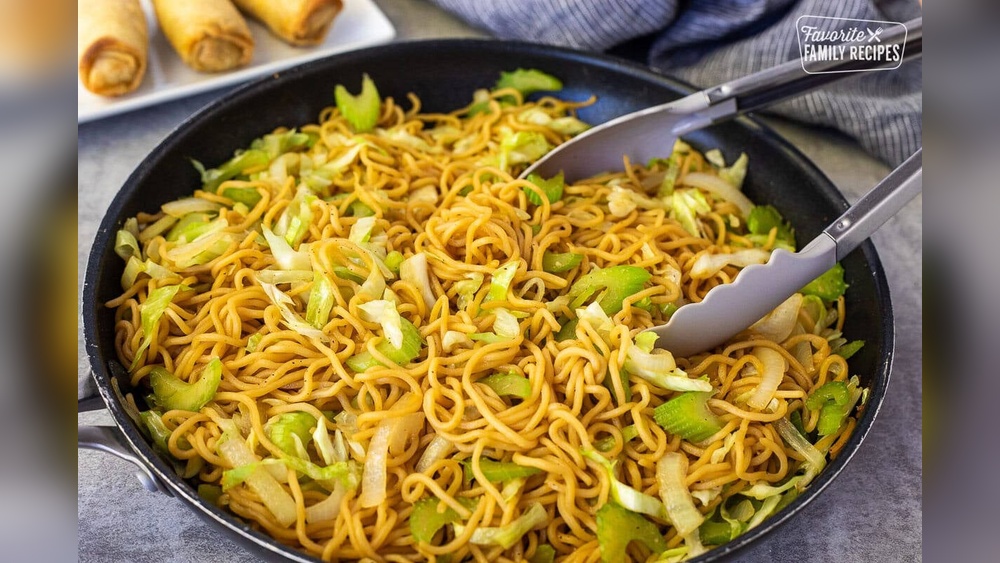
Chow mein is a beloved Chinese noodle dish known for its savory sauce, tender noodles, and crisp vegetables. While oyster sauce is a traditional ingredient that lends a rich, umami depth, it’s not the only way to achieve a delicious chow mein.
Whether you’re vegetarian, vegan, have an allergy, or simply ran out of oyster sauce, there are numerous effective substitutes and techniques to create an equally satisfying chow mein experience. This guide will walk you through how to make incredible chow mein without oyster sauce, exploring various flavor profiles and ingredient swaps to ensure your homemade noodle dish is a culinary triumph.
Key Takeaways
- Oyster Sauce Alternatives: A variety of ingredients can replace oyster sauce, including soy sauce, vegetarian oyster sauce, mushroom-based sauces, hoisin sauce, and even simple combinations of sweet and savory elements.
- Umami Boosters: To compensate for the lack of oyster sauce’s deep flavor, incorporate other umami-rich ingredients like shiitake mushrooms, garlic, ginger, and a touch of sugar or honey.
- Noodle Preparation is Crucial: Properly cooked noodles are essential for good chow mein. Boiling or stir-frying them until al dente, then rinsing or tossing with oil, prevents clumping.
- Vegetable Selection and Cooking: A mix of colorful, crisp vegetables adds texture and visual appeal. Stir-fry them quickly to maintain their crunch.
- Protein Options: Chicken, pork, beef, shrimp, tofu, and tempeh are all excellent choices for adding protein to your chow mein.
- Sauce Balancing: The key to a great chow mein sauce is balancing salty, sweet, savory, and sometimes a hint of sour or spicy.
Understanding The Role Of Oyster Sauce In Chow Mein
Oyster sauce is a staple in many Asian cuisines, particularly Chinese cooking, for good reason. Its complex flavor profile is a blend of savory, slightly sweet, and deeply umami notes, derived from simmering oysters. This unique taste adds a characteristic richness and depth to dishes that is difficult to replicate precisely.
In chow mein, oyster sauce acts as a primary flavor base for the sauce, contributing to the dish’s signature savory character and giving the noodles and vegetables a glossy sheen.
The umami, or savory taste, is a crucial component of what makes oyster sauce so desirable in stir-fries. Umami is often described as a “meaty” or “brothy” flavor, and it is responsible for enhancing the overall taste experience of a dish.
Without it, chow mein can sometimes taste flat or one-dimensional. When aiming to make chow mein without oyster sauce, the primary challenge is to recreate this depth of flavor and umami using alternative ingredients. This involves understanding what oyster sauce brings to the table and finding suitable substitutes that can mimic its function and taste.
Popular Oyster Sauce Substitutes
The good news is that the culinary world offers a wide array of ingredients that can effectively stand in for oyster sauce. The best substitute will often depend on the specific flavor profile you’re aiming for and any dietary restrictions you might have.
Vegetarian Oyster Sauce
This is often the most direct substitute for traditional oyster sauce. Vegetarian oyster sauce is typically made from mushrooms (like shiitake) or fermented soybeans, providing a similar savory and slightly sweet flavor profile without any animal products. The texture and color are usually very close to the original.
- Flavor Profile: Savory, umami-rich, slightly sweet.
- Best For: Replicating the classic oyster sauce flavor in traditional chow mein recipes.
- Where to Find: Available in most Asian grocery stores and increasingly in the international aisle of larger supermarkets.
Soy Sauce And Mushroom Combination
A simple yet effective combination involves using soy sauce for saltiness and umami, and adding dried shiitake mushrooms or mushroom-flavored sauce to boost the savory depth.
- Flavor Profile: Salty, deeply savory, with a distinct mushroom essence.
- Best For: Adding significant umami and a complex savory base.
- How to Use: Rehydrate dried shiitake mushrooms, finely chop them, and sauté them with aromatics. Alternatively, use a good quality mushroom stir-fry sauce.
Hoisin Sauce
Hoisin sauce is a thick, dark sauce made from fermented soybeans, garlic, chili peppers, and various spices. It has a sweet and savory flavor that can work well in chow mein, though it tends to be sweeter and more complex than oyster sauce.
- Flavor Profile: Sweet, savory, slightly tangy, with hints of garlic and spice.
- Best For: Adding a bold, sweet-savory flavor.
- Considerations: Use it in conjunction with soy sauce, and adjust sweetness if needed, as it can be quite sweet on its own.
Fish Sauce (for Non-vegetarians)
While not a direct substitute in terms of flavor, fish sauce provides a powerful umami punch due to its fermented anchovy base. It’s a common ingredient in Southeast Asian cooking.
- Flavor Profile: Intensely savory, salty, with a pungent, fermented aroma that mellows when cooked.
- Best For: Adding a significant umami boost.
- Considerations: Use sparingly as it can be very potent. Best paired with soy sauce and a touch of sweetness to balance its intensity. It is not suitable for vegetarian or vegan diets.
Soy Sauce, Sugar, And Miso Paste
This combination creates a rich, savory, and slightly sweet sauce. Miso paste, a fermented soybean paste, brings a deep umami flavor.
- Flavor Profile: Salty, deeply savory, with fermented undertones from miso and sweetness from sugar.
- Best For: A complex, layered savory sauce.
- How to Use: Whisk together soy sauce, a sweetener (like honey, maple syrup, or brown sugar), and a tablespoon of miso paste until smooth.
Worcestershire Sauce
Though originating from Britain, Worcestershire sauce has a complex savory and tangy flavor profile that can contribute umami to a dish.
- Flavor Profile: Savory, tangy, slightly sweet, with notes of anchovy and tamarind.
- Best For: Adding a Western-style umami depth.
- Considerations: It has a different flavor profile than oyster sauce, so use it as part of a blend rather than a direct 1:1 replacement.
Building The Flavor Base: Beyond Oyster Sauce
Even with the right oyster sauce substitute, a truly great chow mein relies on building a robust flavor base. This involves aromatics and other savory elements that contribute to the overall deliciousness of the dish.
The Power Of Aromatics: Garlic, Ginger, And Scallions
These three ingredients are the foundation of flavor in countless Asian dishes, including chow mein.
- Garlic: Finely minced or grated garlic provides a pungent, savory bite that mellows and sweetens when cooked.
- Ginger: Freshly grated ginger adds a warm, spicy, and slightly citrusy note that cuts through richness and brightens the dish.
- Scallions (Green Onions): The white and light green parts are excellent for stir-frying to build an aromatic base, while the green tops are often used as a fresh garnish.
Sautéing these aromatics in hot oil at the beginning of the cooking process releases their essential oils and infuses the oil with flavor, which then coats the noodles and other ingredients.
Enhancing Umami Without Oyster Sauce
To truly capture the essence of chow mein without its traditional oyster sauce, actively seek out other ingredients that provide a significant umami boost.
- Dried Shiitake Mushrooms: As mentioned, these are powerhouses of umami. Rehydrating them in hot water not only softens them for use in the stir-fry but also creates a flavorful broth that can be incorporated into the sauce.
- Soy Sauce/Tamari: The fermented soybeans in soy sauce (or tamari for a gluten-free option) are rich in glutamates, the compounds responsible for umami. Using a good quality, naturally brewed soy sauce will yield better results.
- Fermented Bean Pastes: Beyond miso, other fermented bean pastes like doubanjiang (spicy broad bean paste) or doenjang (Korean soybean paste) can add complex savory notes, though they also bring their own distinct flavors and spice levels.
- Nutritional Yeast: For a vegan option, nutritional yeast offers a cheesy, nutty, and savory flavor that can contribute to umami.
- Vegetable Broth/Stock: A rich vegetable broth can add depth and liquid to the sauce, carrying other flavors effectively.
The Sweetness Factor
A touch of sweetness is crucial for balancing the savory and salty elements in chow mein.
- Sugar: White sugar, brown sugar, or palm sugar can be used. Brown sugar adds a slight caramel note.
- Honey: Provides a distinct floral sweetness.
- Maple Syrup: Offers a rich, complex sweetness.
- Mirin: A Japanese sweet rice wine that adds sweetness and a subtle tang.
The amount of sweetener needed will depend on the other ingredients used in the sauce. For example, if using hoisin sauce, you might need less added sugar.
Noodle Selection And Preparation: The Chow Mein Canvas
The noodles are the heart of chow mein, and their preparation is key to achieving the right texture. The goal is to have noodles that are tender yet firm enough to hold up to stir-frying without becoming mushy or clumping together.
Choosing The Right Noodles
Several types of noodles work well for chow mein:
- Fresh Egg Noodles: These are often considered the best for authentic chow mein. They have a good chew and absorb sauce beautifully. Available in the refrigerated section of Asian markets.
- Dried Egg Noodles: A widely available option. Look for medium-thick varieties.
- Lo Mein Noodles: Similar to egg noodles, often a good choice.
- Spaghetti or Linguine: In a pinch, Italian pasta can be used, though the texture will be different. Cook them slightly less than al dente.
The Art Of Noodle Cooking
Properly cooking and preparing noodles prevents them from sticking and ensures they are ready for the stir-fry.
- Boiling: Bring a large pot of generously salted water to a rolling boil. Add the noodles and cook according to package directions, usually until they are just shy of al dente (they will continue to cook in the wok).
- Rinsing: Once cooked, drain the noodles immediately and rinse them thoroughly under cold running water. This stops the cooking process and washes away excess starch, preventing them from sticking together.
- Tossing with Oil: After rinsing, toss the noodles with a tablespoon or two of neutral cooking oil (like vegetable, canola, or peanut oil). This creates a barrier that further prevents sticking and gives the noodles a nice sheen.
Pro Tip: If using fresh noodles, they often cook very quickly, sometimes in just 1-2 minutes. Be careful not to overcook them.
Assembling Your Flavorful Chow Mein: Step-by-step
Making chow mein without oyster sauce involves preparing your ingredients (mise en place) and then stir-frying them in a specific order to ensure everything cooks perfectly.
Step 1: Prepare Your Ingredients (mise En Place)
This is arguably the most critical step in stir-frying. Have everything chopped, measured, and ready before you even turn on the stove.
- Noodles: Cooked, rinsed, and oiled as described above.
- Protein: Slice thinly against the grain (for meat) or cube (for tofu). Marinate if desired.
- Vegetables: Wash and chop into bite-sized pieces. Common choices include:
- Onions (sliced)
- Carrots (julienned or thinly sliced)
- Celery (sliced diagonally)
- Bell Peppers (sliced)
- Cabbage (shredded)
- Broccoli florets
- Bean Sprouts
- Mushrooms (sliced)
- Aromatics: Mince garlic and ginger, chop scallions (separating whites from greens).
- Sauce: Whisk together your chosen oyster sauce substitute, soy sauce, sweetener, sesame oil, and any other sauce components (like rice vinegar or chili flakes).
Step 2: Cook Your Protein
Heat a wok or large, heavy-bottomed skillet over high heat with a tablespoon of high-smoke-point oil (like peanut or canola oil).
- Add your protein (meat, shrimp, or tofu) in a single layer.
- Cook, stirring occasionally, until browned and cooked through.
- Remove the protein from the wok and set aside. This prevents it from overcooking while the vegetables are being stir-fried.
Step 3: Stir-fry Aromatics And Vegetables
Add a little more oil to the wok if needed.
- Add the white parts of the scallions, garlic, and ginger. Stir-fry for about 30 seconds until fragrant. Be careful not to burn the garlic.
- Add the firmer vegetables first (like carrots, broccoli, celery). Stir-fry for 2-3 minutes.
- Add softer vegetables (like bell peppers, cabbage, mushrooms). Stir-fry for another 2-3 minutes until the vegetables are tender-crisp. You want them to retain some bite. Add bean sprouts in the last minute.
Step 4: Combine And Sauce
- Return the cooked protein to the wok with the vegetables.
- Add the prepared noodles to the wok.
- Pour the sauce mixture over everything.
- Toss vigorously using tongs or spatulas to coat all ingredients evenly with the sauce. Stir-fry for another 1-2 minutes, allowing the sauce to thicken slightly and coat the noodles.
Step 5: Garnish And Serve
- Stir in the green parts of the scallions.
- Serve immediately. Garnish with toasted sesame seeds or additional chopped scallions if desired.
Vegetarian And Vegan Chow Mein Variations
Creating a delicious vegetarian or vegan chow mein without oyster sauce is entirely achievable and opens up a world of flavor possibilities. The key is to maximize umami and texture using plant-based ingredients.
Tofu And Tempeh Powerhouses
- Tofu: Extra-firm or firm tofu is ideal. Press it well to remove excess water, then cube or slice and pan-fry, bake, or air-fry until golden and slightly crispy before adding it to the chow mein. This gives it a satisfying chew.
- Tempeh: This fermented soybean product has a firmer, nuttier texture than tofu. Steam it briefly to soften, then crumble or cube and pan-fry until golden brown.
Mushroom Magic
As highlighted earlier, mushrooms are essential for vegan umami.
- Shiitake: Their deep, earthy flavor is unparalleled.
- Oyster Mushrooms: Their name is fitting, and their texture can be wonderfully meaty when stir-fried.
- King Oyster Mushrooms: These have thick stems that can be sliced and scored to mimic scallops or shredded for a pulled-meat texture.
Vegetable Focus
Beyond the standard chow mein vegetables, consider adding:
- Edamame: Adds a pop of green and a slightly sweet, nutty flavor.
- Bok Choy: Offers a crisp texture and mild flavor.
- Snow Peas or Sugar Snap Peas: Provide a delightful crunch and sweetness.
Vegan Sauce Strategies
For a fully vegan chow mein, avoid any ingredients derived from animals.
- Vegetarian Oyster Sauce: Many brands are inherently vegan. Check labels.
- Mushroom Soy Sauce: Offers a mushroom-infused savory base.
- Tamari: A gluten-free soy sauce alternative, often richer in flavor.
- Miso Paste: Adds deep umami complexity.
- Nutritional Yeast: Contributes a cheesy, savory depth.
- Sweeteners: Use maple syrup, agave nectar, or brown sugar.
Protein Options: Beyond The Basics
While chicken and pork are common in traditional chow mein, a world of protein choices exists, catering to various tastes and dietary needs.
Poultry And Pork
- Chicken: Thighs are more flavorful and tender than breasts for stir-fries. Slice thinly.
- Pork: Tenderloin or shoulder cut into thin strips works well. Marinating pork can enhance its tenderness.
Beef
- Flank Steak or Sirloin: Thinly sliced against the grain, these cuts offer a good balance of flavor and texture. Marinating with soy sauce, cornstarch, and a little oil (velveting) helps keep it tender.
Seafood
- Shrimp: Peel and devein. Cook quickly until pink and opaque. Add them towards the end of the stir-frying process to prevent overcooking.
- Scallops: Like shrimp, cook quickly. Large sea scallops are excellent.
Plant-based Proteins
- Tofu: As discussed, extra-firm tofu is a versatile choice.
- Tempeh: Offers a firmer, nuttier alternative.
- Seitan: A wheat gluten-based protein with a chewy, meat-like texture.
Flavor Variations And Additions
Once you’ve mastered the basic chow mein without oyster sauce, feel free to experiment with different flavor profiles and additions.
Spicy Chow Mein
Add heat with:
- Chili Garlic Sauce: A staple for a direct chili flavor.
- Sriracha: Adds heat and a touch of garlic.
- Red Pepper Flakes: Sprinkle into the oil when sautéing aromatics for infused heat.
- Fresh Chilies: Sliced jalapeños or Thai chilies can be stir-fried with the vegetables.
Tangy Chow Mein
A splash of acidity can brighten the dish:
- Rice Vinegar: A mild, classic choice.
- Black Vinegar: Offers a more complex, malty tang.
- Lime Juice: Adds a fresh, zesty note, especially good with seafood.
Nutty Flavors
- Sesame Oil: A drizzle at the end adds a distinct nutty aroma and flavor. Use toasted sesame oil for a more intense taste.
- Peanut Butter: A small amount whisked into the sauce can add richness and a nutty depth, particularly in a more Americanized chow mein style.
Umami Boosters Table
Here’s a quick comparison of common umami-boosting ingredients suitable for chow mein:
| Ingredient | Primary Flavor Contribution | Best Use | Dietary Suitability |
|---|---|---|---|
| Soy Sauce / Tamari | Salty, Savory (Umami) | Base for sauce, marinades | Vegetarian, Vegan (Tamari is GF) |
| Dried Shiitake Mushrooms | Deep Earthy Umami | Rehydrated & chopped, mushroom broth | Vegetarian, Vegan |
| Miso Paste | Fermented Savory (Umami) | Whisked into sauce | Vegetarian, Vegan |
| Hoisin Sauce | Sweet, Savory, Tangy | Adds complex sweetness and depth | Often Vegetarian/Vegan (check labels) |
| Nutritional Yeast | Cheesy, Nutty, Savory | Whisked into sauce (vegan option) | Vegan |
| Fish Sauce | Intense Salty Umami | Use sparingly in sauce (non-veg) | Non-Vegetarian |
Example Chow Mein Recipes Without Oyster Sauce
Let’s look at two distinct approaches to making chow mein without oyster sauce.
Recipe 1: Classic Savory Chow Mein (vegetarian/vegan Adaptable)
This recipe focuses on replicating the traditional savory profile using readily available ingredients.
Ingredients:
- 8 oz medium-thick egg noodles or lo mein noodles
- 2 tbsp soy sauce (or tamari for GF)
- 1 tbsp vegetarian oyster sauce (or mushroom stir-fry sauce)
- 1 tsp sugar (or maple syrup)
- 1 tsp sesame oil
- 1 tbsp neutral cooking oil, plus more for noodles
- 1/2 lb protein of choice (chicken, pork, tofu, tempeh), thinly sliced or cubed
- 2 cloves garlic, minced
- 1 tsp grated ginger
- 1/2 cup sliced carrots
- 1/2 cup sliced celery
- 1/2 cup sliced bell pepper
- 1 cup shredded cabbage
- 1/4 cup sliced scallions (whites and greens separated)
- Optional: 1/4 cup shiitake mushrooms, rehydrated and sliced
Instructions:
- Cook noodles according to package directions, drain, rinse with cold water, and toss with 1 tbsp oil. Set aside.
- In a small bowl, whisk together soy sauce, vegetarian oyster sauce (or mushroom sauce), sugar, and sesame oil. Set aside.
- Heat 1 tbsp oil in a wok or large skillet over high heat. Add protein and stir-fry until cooked through. Remove and set aside.
- Add a little more oil if needed. Add scallion whites, garlic, and ginger. Stir-fry for 30 seconds until fragrant.
- Add carrots, celery, and bell pepper (and shiitake mushrooms if using). Stir-fry for 2-3 minutes.
- Add cabbage and stir-fry for another
Leave a Reply