

Chicken and Vegetable Chow Mein is a beloved dish that perfectly balances savory flavors, tender noodles, and a vibrant medley of crisp vegetables. It’s a versatile meal, easily adaptable to personal preferences and what’s available in your pantry. While often associated with takeout menus, creating an authentic and delicious chow mein at home is surprisingly straightforward and rewarding.
This guide will walk you through every step, from selecting the right ingredients to mastering the cooking techniques that will elevate your homemade chow mein from good to extraordinary.
This comprehensive guide aims to demystify the process of making chicken and vegetable chow mein. We’ll cover everything from choosing the best noodles and protein to preparing a flavorful sauce and stir-frying to perfection. Whether you’re a seasoned home cook or just starting, you’ll gain the confidence and knowledge to create a restaurant-quality dish that your family will love.
Get ready to transform your kitchen into your favorite Chinese restaurant.
Key Takeaways
- Noodle Selection is Crucial: Opt for fresh or dried chow mein noodles designed for stir-frying; avoid thin spaghetti or ramen noodles.
- Marinate Your Chicken: Marinating chicken breast or thighs in soy sauce, cornstarch, and a touch of oil tenderizes the meat and helps it brown beautifully.
- Prep is Paramount: Have all vegetables chopped, sauce mixed, and noodles cooked before you begin stir-frying.
- High Heat, Quick Cooking: Stir-frying requires high heat and constant movement to cook ingredients quickly and prevent sogginess.
- The Sauce is Key: A balanced sauce of soy sauce, oyster sauce, Shaoxing wine, and a touch of sweetness is essential for authentic flavor.
- Vegetable Variety: Aim for a mix of textures and colors, such as broccoli, carrots, bell peppers, snow peas, and mushrooms.
- Don’t Overcrowd the Pan: Cook ingredients in batches if necessary to maintain high heat and achieve proper searing.
Understanding The Components Of A Great Chow Mein
Before diving into the cooking process, it’s essential to understand the core elements that make a chicken and vegetable chow mein truly exceptional. This dish is a symphony of textures and flavors, where each component plays a vital role. From the foundation of the noodles to the vibrant crunch of the vegetables and the savory depth of the sauce, attention to detail in each element contributes to the final masterpiece.
The Noodles: The Heart Of The Dish
The choice of noodles is perhaps the most critical decision in making authentic chow mein. Traditional chow mein noodles are typically wheat-based, often with an alkaline ingredient like baked baking soda or kansui, which gives them a distinct chewy texture and yellow hue.
They are usually boiled briefly or sometimes even steamed before being incorporated into the stir-fry.
When selecting noodles, look for packages specifically labeled “chow mein noodles. ” These can be found in the refrigerated section of most Asian supermarkets or sometimes in the international aisle of larger grocery stores. They come in various thicknesses, but medium-thick noodles are generally preferred for their ability to hold up to stir-frying without becoming mushy.
If fresh noodles are unavailable, dried chow mein noodles are a good substitute. Avoid using spaghetti or other Italian pasta, as their starch content and texture are different and will not yield the desired result.
The Protein: Tender And Flavorful Chicken
Chicken is a popular choice for chow mein due to its mild flavor and ability to absorb marinades. Both chicken breast and thighs can be used. Chicken breast is leaner and cooks quickly, but it can become dry if overcooked.
Chicken thighs are more forgiving, staying moist and tender even with slightly longer cooking times, and they offer a richer flavor.
The key to tender, flavorful chicken lies in marinating. A simple marinade typically includes soy sauce for saltiness and umami, cornstarch to tenderize the meat and create a slight coating that helps it brown, and a touch of oil (like sesame oil or neutral vegetable oil) to keep it moist. Some recipes also add a pinch of sugar or white pepper. Marinating for at least 15-30 minutes allows the flavors to penetrate the meat.
The Vegetables: Color, Crunch, And Nutrients
A vibrant assortment of vegetables is what gives chow mein its appeal and nutritional value. The goal is to achieve a balance of colors, textures, and flavors. Common choices include:
- Carrots: Provide sweetness and a firm crunch.
- Broccoli Florets: Add a slightly bitter note and a satisfying bite.
- Bell Peppers (any color): Offer sweetness and a tender-crisp texture.
- Snow Peas or Sugar Snap Peas: Bring a delicate sweetness and a crisp snap.
- Onions (yellow or green): Add pungency and depth of flavor.
- Mushrooms (shiitake or cremini): Contribute an earthy, umami-rich flavor and a meaty texture.
- Cabbage (Napa or green): Adds bulk and a subtle sweetness.
Proper preparation is crucial. All vegetables should be cut into uniform, bite-sized pieces to ensure even cooking. Harder vegetables like carrots and broccoli should be cut smaller or blanched briefly to ensure they cook through in the short stir-frying time.
The Sauce: The Umami Bomb
The chow mein sauce is the flavor powerhouse that ties all the ingredients together. A well-balanced sauce should be savory, slightly sweet, and rich with umami. The foundational ingredients typically include:
- Soy Sauce: The primary source of saltiness and umami. Light soy sauce is often preferred for its color and flavor.
- Oyster Sauce: Adds a complex, savory depth and a hint of sweetness. It also helps to thicken the sauce slightly.
- Shaoxing Wine (Chinese Cooking Wine): Provides a unique aromatic quality and depth. If unavailable, dry sherry or even mirin can be used as a substitute, though the flavor will differ.
- Sesame Oil: Adds a nutty aroma and flavor, typically added towards the end of cooking or in the sauce mixture.
- Sugar: Balances the saltiness of the soy sauce and oyster sauce, adding a subtle sweetness.
- Cornstarch (optional, for thickening): A small amount can be mixed with water to create a slurry, which is added to the sauce to give it a glossy sheen and help it cling to the noodles and vegetables.
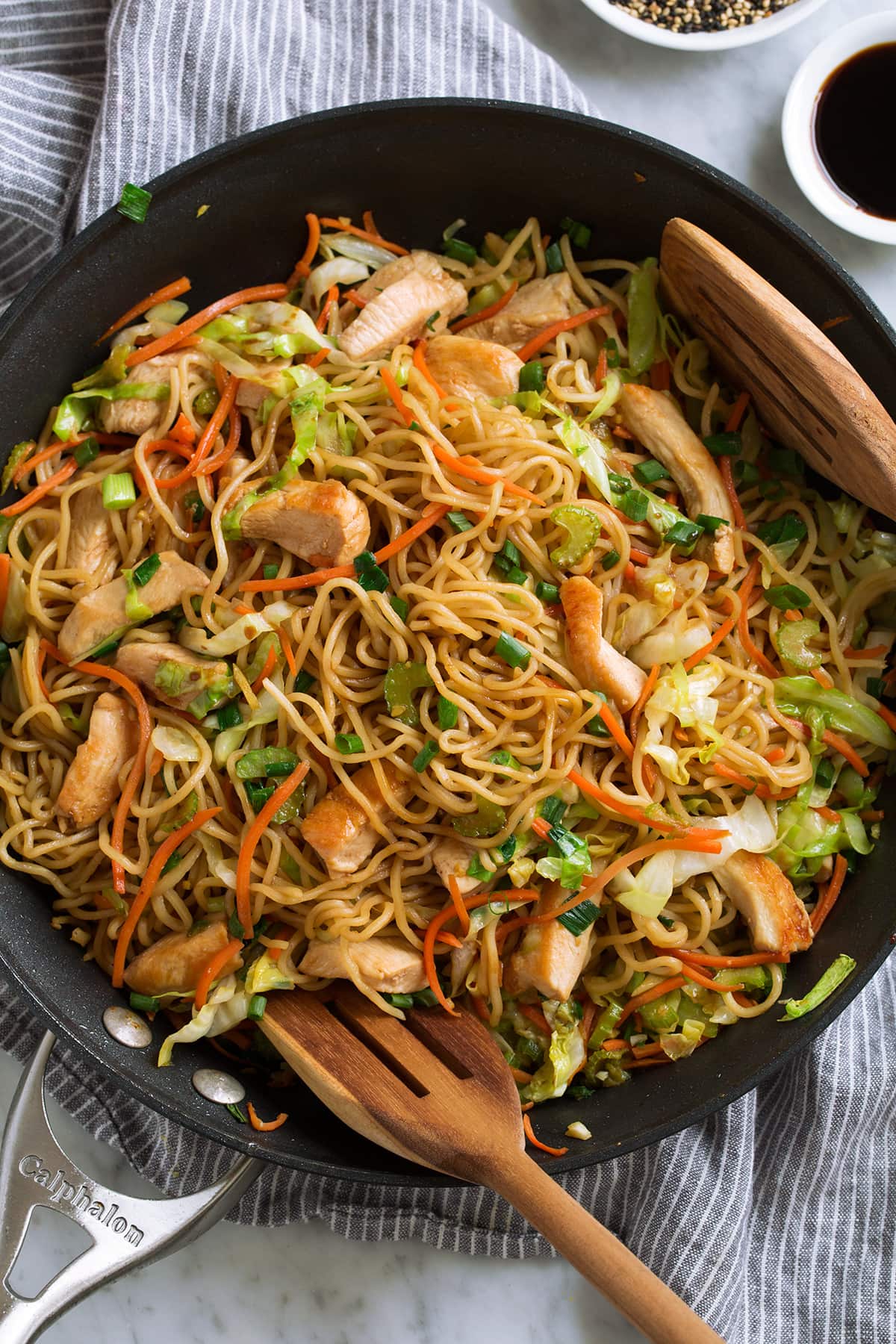
Preparing Your Ingredients: The Art Of Mise En Place
In the fast-paced world of stir-frying, mise en place, having all your ingredients prepped and ready before you start cooking, is not just a suggestion; it’s a necessity. Chow mein cooks very quickly over high heat, leaving little time for chopping or measuring once the wok or pan is hot. Taking the time to prepare everything beforehand ensures a smooth cooking process and a perfectly executed dish.
Step 1: Marinate The Chicken
For approximately 1 pound (450g) of chicken breast or thighs, you’ll want to prepare a marinade. Cut the chicken into thin, bite-sized strips or cubes.
Chicken Marinade:
- 2 tablespoons soy sauce
- 1 tablespoon cornstarch
- 1 teaspoon sesame oil
- 1/2 teaspoon sugar (optional)
- Pinch of white pepper (optional)
Combine all marinade ingredients in a medium bowl. Add the chicken pieces and toss to coat thoroughly. Let it marinate at room temperature for at least 15 minutes, or cover and refrigerate for up to 30 minutes. If you plan to marinate longer, it’s best to refrigerate.
The cornstarch in the marinade will help create a velvety texture and a slight crisping effect when cooked.
Step 2: Prepare The Vegetables
Wash and chop all your chosen vegetables. Aim for consistent, bite-sized pieces. This ensures they cook evenly and are easy to eat with chopsticks or a fork.
- Carrots: Peel and slice thinly into rounds or julienne.
- Broccoli: Cut into small florets. You can also thinly slice the tender part of the stem.
- Bell Peppers: Remove seeds and membranes, then slice into strips or dice.
- Onion: Slice into thin wedges or dice.
- Mushrooms: Clean and slice.
- Snow Peas: Trim the ends and remove the tough string if present.
- Garlic and Ginger: Finely mince 2-3 cloves of garlic and a 1-inch piece of fresh ginger. These aromatics are crucial for foundational flavor.
Step 3: Prepare The Noodles
Follow the package directions for cooking your chow mein noodles. Typically, this involves boiling them in water for a few minutes until they are al dente (cooked through but still firm). Fresh noodles often cook much faster than dried ones, sometimes in as little as 1-3 minutes.
Once cooked, drain the noodles thoroughly. It’s a good idea to rinse them briefly under cold water to stop the cooking process and prevent them from sticking together. You can toss them with a teaspoon of sesame oil or neutral cooking oil to further prevent clumping while they wait to be stir-fried.
Step 4: Mix The Chow Mein Sauce
In a small bowl or measuring cup, whisk together all the sauce ingredients. This allows the flavors to meld and ensures the sauce is evenly distributed during the quick stir-fry process.
Chow Mein Sauce:
- 4 tablespoons soy sauce (low sodium is recommended)
- 2 tablespoons oyster sauce
- 1 tablespoon Shaoxing wine (or dry sherry)
- 1 teaspoon sugar
- 1 teaspoon sesame oil
- 2 tablespoons water or chicken broth
- 1 teaspoon cornstarch (optional, for thickening)
If using cornstarch for thickening, ensure it’s fully dissolved in the liquid ingredients. Having the sauce pre-mixed means you can pour it directly into the wok when needed, preventing any interruption to the high-heat cooking.
The Stir-frying Process: Mastering The Wok
Stir-frying is a cooking technique that originated in China, characterized by cooking small pieces of food in a hot wok or pan with a small amount of oil, while stirring and tossing constantly. The high heat and constant motion cook the ingredients quickly, preserving their texture, color, and nutrients.
Mastering this technique is key to achieving that authentic chow mein flavor and texture.
Heating The Wok Or Pan
Begin by heating your wok or a large, heavy-bottomed skillet over high heat. Add about 1-2 tablespoons of a high smoke point oil, such as peanut oil, canola oil, or grapeseed oil. Swirl the oil to coat the bottom and sides of the pan. The oil should shimmer but not smoke excessively. A properly heated wok is crucial for achieving the “wok hei”, the smoky, slightly charred flavor characteristic of well-executed stir-fries.
Cooking The Chicken
Once the oil is hot, add the marinated chicken in a single layer. Do not overcrowd the pan. If necessary, cook the chicken in batches to ensure each piece gets direct contact with the hot surface for proper searing. Stir-fry the chicken for 2-3 minutes, or until it’s browned on all sides and cooked through. Remove the cooked chicken from the wok and set it aside on a plate. This prevents the chicken from overcooking while the vegetables are being prepared.
Sautéing Aromatics And Vegetables
Add a little more oil to the wok if needed. Add the minced garlic and ginger and stir-fry for about 30 seconds until fragrant. Be careful not to burn them.
Next, add the harder vegetables that require more cooking time, such as carrots, broccoli, and onions. Stir-fry for 2-3 minutes, tossing them constantly. Then, add the softer vegetables like bell peppers, snow peas, and mushrooms. Continue to stir-fry for another 2-4 minutes, or until the vegetables are tender-crisp.
You want them to be cooked but still retain a slight bite. Overcooked, soggy vegetables are a common pitfall in homemade chow mein.
Combining Everything
Return the cooked chicken to the wok with the vegetables. Give the pre-mixed sauce a quick stir (especially if you used cornstarch) and pour it over the ingredients in the wok. Toss everything together quickly to coat evenly.
Now, add the cooked and drained chow mein noodles to the wok. Using tongs or two spatulas, gently toss the noodles with the chicken, vegetables, and sauce. Continue to stir-fry for another 1-2 minutes, allowing the noodles to heat through and absorb the sauce.
The cornstarch in the sauce (if used) will help to thicken it slightly, creating a glossy coating on all the ingredients.
Final Touches And Serving
Once everything is well combined and heated through, remove the wok from the heat. Stir in any final additions like chopped green onions or a drizzle of extra sesame oil for aroma.
Serve the chicken and vegetable chow mein immediately. Chow mein is best enjoyed fresh off the wok when the noodles are perfectly chewy and the vegetables are crisp. Garnish with toasted sesame seeds or extra chopped green onions if desired.

Variations And Customizations
The beauty of Chicken and Vegetable Chow Mein lies in its adaptability. While the core recipe provides a fantastic foundation, you can easily customize it to suit your taste preferences, dietary needs, or the ingredients you have on hand. Experimenting with different proteins, vegetables, and even noodle types can lead to delightful new versions of this classic dish.
Protein Swaps
While chicken is a staple, feel free to substitute other proteins:
- Beef: Thinly sliced flank steak or sirloin, marinated similarly to the chicken, works wonderfully. Marinate for at least 30 minutes.
- Pork: Thinly sliced pork tenderloin or shoulder can be used. Marinate as you would chicken.
- Shrimp: Add shrimp during the last few minutes of vegetable cooking, as they cook very quickly. No marinating is typically needed.
- Tofu: Firm or extra-firm tofu, pressed and cubed, can be pan-fried until golden before adding to the stir-fry. For a vegan option, omit the oyster sauce and use a vegetarian stir-fry sauce.
Vegetable Adventures
Don’t be afraid to get creative with your vegetable selection. Consider adding:
- Bok Choy: Adds a lovely leafy green element and crunch.
- Bean Sprouts: Introduce a fresh, crisp texture, usually added right at the end.
- Water Chestnuts: Provide a unique, crisp, and slightly sweet crunch.
- Zucchini or Yellow Squash: Sliced and added with other softer vegetables.
- Baby Corn: Adds a subtle sweetness and crunch.
Noodle Alternatives
If chow mein noodles are hard to find, you can experiment with other types of noodles, keeping in mind that the texture will change:
- Lo Mein Noodles: Similar to chow mein noodles, often slightly thicker and chewier.
- Udon Noodles: Thick, chewy Japanese wheat noodles. Boil according to package directions.
- Ramen Noodles (without the flavor packet): Can work in a pinch, but they are often thinner and may become mushy if overcooked.
- Spaghetti or Linguine: While not traditional, they can be used. Cook them al dente and rinse well.
Sauce Adjustments
Tailor the sauce to your liking:
- Spicy Kick: Add a teaspoon of chili garlic sauce, Sriracha, or a pinch of red pepper flakes to the sauce mixture.
- Extra Umami: A splash of dark soy sauce can add color and a deeper, richer flavor.
- Sweeter Palate: Increase the sugar slightly or add a tablespoon of honey.
- Vegetarian/Vegan: Use vegetarian oyster sauce or hoisin sauce instead of traditional oyster sauce, and ensure your soy sauce is vegan if needed.
Tips For Restaurant-quality Chow Mein At Home
Achieving that authentic, craveable chow mein taste and texture often found in Chinese restaurants comes down to a few key techniques and considerations. It’s not just about the ingredients; it’s about how you handle them.
High Heat Is Your Friend
As mentioned, high heat is paramount for stir-frying. This is what gives the food that slightly smoky flavor known as “wok hei.” Ensure your pan or wok is thoroughly preheated before adding oil. If your stovetop doesn’t get hot enough, consider using a cast-iron skillet, which retains heat exceptionally well. Don’t be afraid of a little sizzle; that’s a sign you’re on the right track.
Don’t Overcrowd The Pan
This is a common mistake that leads to steamed rather than stir-fried food. When you add too much food to the pan at once, the temperature drops significantly. This causes the ingredients to release moisture and steam, resulting in a soggy texture and a lack of browning. Cook in batches if necessary, especially the protein and denser vegetables. Remove cooked items and set them aside, then return them all to the pan at the end for the final toss.
Cut Ingredients Uniformly
Ensuring all your ingredients are cut into similar, bite-sized pieces is crucial for even cooking. Harder vegetables like carrots and broccoli should be cut smaller than softer ones like bell peppers or mushrooms. This allows everything to cook in roughly the same amount of time, preventing some items from becoming mushy while others are still raw.
The Importance Of Cornstarch
Cornstarch plays a dual role in chow mein. In the chicken marinade, it tenderizes the meat and helps create a velvety coating that browns nicely. In the sauce, a small amount of cornstarch mixed with liquid (a slurry) acts as a thickener, giving the sauce a glossy finish that clings beautifully to the noodles and other ingredients. Ensure the cornstarch is fully dissolved before adding it to either the marinade or the sauce.
Taste And Adjust
Always taste your sauce before adding it to the wok, and taste the final dish before serving. The balance of salty, sweet, and savory can be adjusted to your preference. You might find you need a touch more soy sauce for saltiness, a bit more sugar for sweetness, or an extra splash of Shaoxing wine for aroma. This final adjustment is key to perfecting the flavor profile.
Serve Immediately
Chow mein is a dish that truly shines when served fresh. The noodles will continue to absorb sauce and soften as they sit, and the vegetables will lose their crispness. For the best experience, plate the chow mein as soon as it’s finished cooking and enjoy it while it’s hot.
Flavor Pairings And Serving Suggestions
Chicken and Vegetable Chow Mein is a complete meal in itself, offering a satisfying combination of protein, carbohydrates, and vegetables. However, like many popular dishes, it pairs well with other complementary flavors and can be enhanced with simple garnishes.
Appetizers
To start your meal with a bang, consider some classic Chinese appetizers that won’t overpower the main dish:
- Spring Rolls or Egg Rolls: Crispy and savory, these are a popular choice.
- Wonton Soup: A light and flavorful broth with delicate wontons.
- Crab Rangoon: Creamy, cheesy, and slightly sweet, these fried dumplings are a crowd-pleaser.
- Steamed Edamame: A simple, healthy, and satisfying option.
Side Dishes
While chow mein is hearty, some might enjoy additional small sides:
- Steamed Rice: Plain white or brown rice can act as a neutral base if you prefer less noodle-heavy meals.
- Stir-fried Bok Choy with Garlic: A simple, fresh green vegetable dish that complements the richness of the chow mein.
- Pickled Ginger: The sharp, refreshing taste of pickled ginger can cut through the richness of the dish, cleansing the palate between bites.
Garnishes
Elevate the presentation and flavor of your chow mein with simple garnishes:
- Toasted Sesame Seeds: Add a nutty flavor and a pleasant crunch.
- Chopped Green Onions (Scallions): Provide a fresh, sharp onion flavor and a pop of color.
- Fresh Cilantro: For those who enjoy its distinct citrusy notes.
- Chili Oil or Sriracha: For those who like an extra kick of heat.
Beverage Pairings
The right beverage can enhance the dining experience:
- Chinese Tea: Jasmine, oolong, or green tea are traditional and refreshing choices that cleanse the palate.
- Light Beer: A crisp lager or pilsner complements the savory flavors without being too heavy.
- Sake: A dry sake can pair well with the umami notes of the dish.
- Sparkling Water or Soda: Simple, refreshing options like sparkling water, ginger ale, or lemon-lime soda are always safe bets.
Frequently Asked Questions
How Can I Make My Chow Mein Noodles Less Sticky?
To prevent chow mein noodles from becoming sticky, it’s essential to rinse them thoroughly under cold water immediately after draining them from the boiling water. This washes away excess starch. You can also toss the drained noodles with about a teaspoon of neutral cooking oil or sesame oil before adding them to the wok.
This creates a slight barrier that helps keep them separated.
What Is Shaoxing Wine And Can I Substitute It?
Shaoxing wine is a type of Chinese rice wine used extensively in Chinese cooking for its unique fermented, nutty, and slightly sweet flavor profile. It adds a depth and complexity that is hard to replicate. If you cannot find Shaoxing wine, you can substitute it with dry sherry, mirin (a sweeter Japanese rice wine), or even a dry white wine.
However, be aware that the flavor profile of your chow mein will be slightly altered depending on the substitute used.
Can I Make Chicken And Vegetable Chow Mein Ahead Of Time?
Chow mein is best enjoyed fresh, as the noodles can become soggy and absorb too much sauce if stored for too long. However, you can prepare components in advance. Marinate the chicken, chop all the vegetables, and mix the sauce
Leave a Reply