
The rich tang and creamy texture of buttermilk are staples in countless beloved recipes, from fluffy pancakes and tender biscuits to moist cakes and savory marinades. Its unique acidic properties play a crucial role in activating leavening agents like baking soda, resulting in baked goods that are exceptionally light and airy.
However, the need for buttermilk often strikes when a recipe calls for it, and a carton isn’t readily available in the refrigerator. Fortunately, you don’t need to make a special trip to the grocery store. With a few common pantry ingredients and a little bit of patience, you can easily make your own buttermilk substitute that performs just as beautifully in your culinary creations.
This guide will walk you through the simple methods of creating homemade buttermilk, exploring the science behind why it works, and offering tips for using it effectively in your cooking and baking. Understanding how to whip up this versatile ingredient on demand ensures you’re always prepared to tackle your favorite recipes, no matter what.
Key Takeaways
- Homemade buttermilk is easy to make: Using common kitchen staples like milk and an acid (vinegar or lemon juice) is a quick and effective substitute.
- The acid is key: The acidity of buttermilk reacts with leavening agents like baking soda, creating lift and tenderness in baked goods.
- Allow resting time: The milk needs to curdle slightly, which typically takes 5-10 minutes, to achieve the desired consistency and acidity.
- Fat content matters: Whole milk yields the richest, most authentic-tasting homemade buttermilk, but lower-fat options can also be used.
- Versatility beyond baking: Buttermilk can be used in marinades, dressings, and beverages for added flavor and tenderness.
- Shelf life: Homemade buttermilk should be used within a few days and stored properly in the refrigerator.
The Science Behind Buttermilk: Why It Matters In Recipes
Buttermilk, in its traditional form, is the liquid left behind after churning butter from cream. This traditional buttermilk is cultured and has a distinct tangy flavor and slightly thicker consistency due to the presence of lactic acid bacteria. The “sour” or tangy taste comes from these beneficial bacteria fermenting lactose (milk sugar) into lactic acid.
Modern commercial buttermilk is typically made by adding a starter culture of lactic acid bacteria to pasteurized milk, or by adding an acidulant like citric acid or vinegar to milk. This process mimics the flavor and acidity of traditional buttermilk. The magic of buttermilk in baking lies primarily in its acidity.
When recipes call for buttermilk, it’s often for two main reasons:
- Leavening Activation: The lactic acid in buttermilk is a powerful activator for baking soda. Baking soda is a base, and when combined with an acid and moisture, it produces carbon dioxide gas. This gas creates bubbles, causing doughs and batters to rise and become light and fluffy. If a recipe relies on baking soda for leavening and you use regular milk instead of buttermilk, the leavening reaction will be significantly less effective, resulting in denser, heavier baked goods.
- Tenderness and Flavor: The acidity also helps to denature proteins in flour, specifically gluten. This process breaks down some of the gluten strands, resulting in a more tender crumb structure in cakes, muffins, and biscuits. Furthermore, the subtle tang of buttermilk adds a depth of flavor that plain milk cannot replicate, contributing to a richer taste profile.
Understanding this science is crucial for appreciating why a simple milk substitute might not always suffice and why making a proper buttermilk substitute is often necessary for achieving the best results in your cooking. The goal when making a substitute is to replicate both the acidity and the slightly thickened texture that real buttermilk provides.
Simple Methods To Make Buttermilk At Home
Creating your own buttermilk substitute is remarkably straightforward and requires only a couple of ingredients you likely already have in your kitchen. The primary methods involve combining milk with an acidic agent and allowing it to curdle.
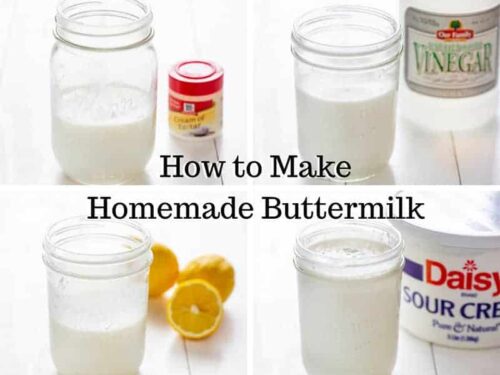
Method 1: Milk And Vinegar
This is perhaps the most common and easiest method. The vinegar acts as the acidifier, mimicking the lactic acid found in traditional buttermilk.
Ingredients:
- 1 cup of milk (whole, 2%, or skim)
- 1 tablespoon of white vinegar or apple cider vinegar
Instructions:
- Measure the milk: Pour 1 cup of milk into a measuring cup or a bowl.
- Add the vinegar: Add 1 tablespoon of white vinegar or apple cider vinegar to the milk.
- Stir gently: Give the mixture a quick, gentle stir. Don’t overmix.
- Let it sit: Allow the mixture to stand at room temperature for 5 to 10 minutes. During this time, the acid from the vinegar will begin to curdle the milk, causing it to thicken slightly and develop small clumps.
- Check for readiness: The milk should look slightly thicker than normal milk and may have a curdled appearance. It’s now ready to use as a buttermilk substitute.
Pro Tip: For a more authentic flavor, you can use apple cider vinegar, which has a milder taste than white vinegar.
Method 2: Milk And Lemon Juice
Similar to the vinegar method, lemon juice provides the necessary acidity to curdle the milk and create a buttermilk substitute.
Ingredients:
- 1 cup of milk (whole, 2%, or skim)
- 1 tablespoon of fresh lemon juice
Instructions:
- Measure the milk: Pour 1 cup of milk into a measuring cup or a bowl.
- Add the lemon juice: Add 1 tablespoon of fresh lemon juice to the milk.
- Stir gently: Stir the mixture briefly.
- Let it sit: Let the mixture stand at room temperature for 5 to 10 minutes until it thickens and curdles slightly.
Considerations: Lemon juice can sometimes impart a very subtle citrus note, which is usually undetectable in baked goods but might be noticeable in recipes where buttermilk is a primary flavor component, like dressings.
Method 3: Milk And Cream Of Tartar
Cream of tartar is another acidic powder that can be used to create a buttermilk substitute. This method is particularly useful if you don’t have vinegar or lemon juice on hand.
Ingredients:
- 1 cup of milk (whole, 2%, or skim)
- 1 ½ teaspoons of cream of tartar
Instructions:
- Measure the milk: Pour 1 cup of milk into a bowl.
- Add cream of tartar: Sprinkle 1 ½ teaspoons of cream of tartar over the milk.
- Whisk well: Whisk the mixture thoroughly until the cream of tartar is dissolved.
- Let it sit: Allow it to stand for about 10 minutes to thicken.
Note: Cream of tartar is a bit more potent than vinegar or lemon juice, hence the slightly smaller amount needed for the same volume of milk.
Method 4: Using Yogurt Or Sour Cream (cultured Buttermilk Substitute)
While not a direct substitute for the quick methods above, using yogurt or sour cream can create a cultured buttermilk flavor profile and is excellent for marinades or recipes where a richer, tangier taste is desired.
Ingredients:
- ¾ cup plain yogurt or sour cream
- ¼ cup milk (or water)
Instructions:
- Combine ingredients: In a bowl, combine the yogurt or sour cream with the milk or water.
- Whisk until smooth: Whisk vigorously until the mixture is smooth and lump-free, achieving a consistency similar to buttermilk.
- Use immediately: This mixture can be used right away.
This method results in a more complex flavor profile due to the live cultures in the yogurt or the fermentation in the sour cream. It’s a fantastic choice for recipes like fried chicken marinades or creamy salad dressings.
Choosing The Right Milk For Your Homemade Buttermilk
The type of milk you use for your homemade buttermilk substitute can impact the final texture and richness of your dish. While most recipes will work with any type of milk, understanding the differences can help you achieve optimal results.
Whole Milk
Using whole milk (typically 3.25% milkfat) is often recommended for the most authentic and richest homemade buttermilk. The higher fat content contributes to a creamier texture and a more luxurious mouthfeel in baked goods. Cakes made with buttermilk from whole milk tend to be exceptionally moist and tender. In my experience, when a recipe truly hinges on the richness of buttermilk, whole milk is the best choice.
Reduced-fat Milk (2% Or 1%)
Reduced-fat milk can also be used successfully. The resulting buttermilk will be slightly less rich and creamy than that made from whole milk, but it will still provide the necessary acidity for leavening and tenderness. For most everyday baking, such as pancakes or muffins, the difference will be negligible.
Skim Milk (non-fat)
Skim milk (non-fat milk) can be used in a pinch, but it will result in the least rich and thinnest buttermilk substitute. While the acidity will still be present and activate baking soda, the texture and moisture contribution will be minimal. This is generally the least preferred option for baking where moisture and richness are key.
Lactose-free Milk
For individuals with lactose intolerance, lactose-free milk can be acidified with vinegar or lemon juice just like regular milk. The process is identical, and the resulting substitute will function effectively in recipes.
Non-dairy Milks
Non-dairy milks such as almond, soy, oat, or cashew milk can also be used to create a vegan buttermilk substitute. The process is the same: add 1 tablespoon of vinegar or lemon juice per cup of non-dairy milk and let it sit for 5-10 minutes. The final consistency and flavor will vary depending on the type of non-dairy milk used. Soy and oat milk tend to curdle more readily and produce a thicker result compared to almond milk.
Quantities And Ratios For Buttermilk Substitutes
When a recipe calls for a specific amount of buttermilk, you’ll need to scale your homemade substitute accordingly. The standard ratio of 1 tablespoon of acid (vinegar or lemon juice) to 1 cup of milk is a reliable guideline.
- For ½ cup of buttermilk: Use ½ cup milk + ½ tablespoon vinegar (or lemon juice).
- For ¾ cup of buttermilk: Use ¾ cup milk + ¾ tablespoon (or 2 ¼ teaspoons) vinegar (or lemon juice).
- For 1 ½ cups of buttermilk: Use 1 ½ cups milk + 1 ½ tablespoons vinegar (or lemon juice).
- For 2 cups of buttermilk: Use 2 cups milk + 2 tablespoons vinegar (or lemon juice).
Important Note: When using the yogurt or sour cream method for a cultured flavor, the ratio is different. For 1 cup of buttermilk substitute, you would use ¾ cup yogurt/sour cream and ¼ cup milk.
Always measure your milk first, then add the corresponding amount of acid. The resting time of 5-10 minutes is crucial for the milk to properly curdle and thicken, so don’t skip this step.
When To Use Homemade Buttermilk
Homemade buttermilk substitutes are incredibly versatile and can be used in almost any recipe that calls for buttermilk. The key is to ensure you’re using the substitute in applications where its properties are beneficial.
Baking Applications
This is where homemade buttermilk truly shines. Its acidity is vital for activating baking soda, leading to:
- Pancakes and Waffles: For extra fluffy and tender results.
- Biscuits and Scones: To achieve a light, flaky texture.
- Cakes and Cupcakes: To ensure a moist crumb and tender bite. Chocolate cakes, in particular, benefit from the tanginess that balances the richness.
- Muffins: For a tender, well-risen crumb.
- Quick Breads: To enhance moisture and texture.
Savory Cooking
Buttermilk’s tenderizing properties and tangy flavor are also excellent in savory dishes:
- Marinades: For chicken, pork, or fish. The acid helps to break down tough muscle fibers, resulting in incredibly tender and juicy meat. Think of classic Southern fried chicken, which is often marinated in buttermilk.
- Fried Foods: Breading chicken, fish, or vegetables in a buttermilk soak before coating them in flour or breadcrumbs helps the coating adhere better and results in a crispier, more flavorful crust.
- Dressings and Dips: Buttermilk forms the base for many creamy salad dressings (like ranch) and dips, providing a tangy, slightly rich flavor.
- Mashed Potatoes: Adding a splash of buttermilk can make mashed potatoes exceptionally creamy and flavorful.
Beverages
While less common, buttermilk can also be used in drinks:
- Smoothies: For a creamy, tangy addition.
- Lassi: A traditional Indian yogurt-based drink that can be adapted with buttermilk.
Example: Consider making a batch of buttermilk pancakes from scratch. If you only have regular milk, your pancakes might turn out flat and dense. By using your homemade buttermilk substitute, you ensure the baking soda reacts properly, leading to those coveted tall, fluffy pancakes with a slightly tangy, delightful flavor. This is a clear instance where the substitute is not just an option but a necessity for achieving the desired outcome.
Storing And Using Your Homemade Buttermilk
Once you’ve made your buttermilk substitute, it’s important to know how to store and use it effectively.
Storage
- Refrigeration is Key: Always store your homemade buttermilk substitute in an airtight container in the refrigerator.
- Shelf Life: Because it’s essentially soured milk, it won’t last as long as commercial buttermilk. It’s best to use it within 2 to 3 days of making it. The flavor and texture might degrade over time.
- Labeling: It’s a good practice to label your container with the date you made it, so you can easily track its freshness.
Usage
- Consistency: The consistency of homemade buttermilk might be slightly thinner than commercial buttermilk, especially if you used lower-fat milk. This is usually not an issue in most recipes, as the primary function is its acidity. If a recipe specifically calls for a very thick buttermilk, you might consider using whole milk or letting it sit a few minutes longer.
- Flavor: The flavor will be tangy, similar to commercial buttermilk. As mentioned, white vinegar can sometimes leave a faint taste, while apple cider vinegar or lemon juice are generally milder. The flavor is usually masked by other ingredients in baked goods.
- Replacement Ratio: Use your homemade substitute in a 1:1 ratio for any recipe calling for buttermilk. For example, if a recipe requires 1 cup of buttermilk, use 1 cup of your homemade substitute.
- Don’t Over-Stir: Once the milk has curdled, avoid excessive stirring, especially if you’re using it for baking. You want to preserve the curdled texture, as this contributes to the leavening process.
Comparing Homemade Buttermilk To Commercial Options
While homemade buttermilk is a fantastic solution for immediate needs, it’s helpful to compare it to commercial options in terms of convenience, cost, flavor, and performance.
Here’s a breakdown:
| Feature | Homemade Buttermilk (Vinegar/Lemon Juice Method) | Commercial Cultured Buttermilk | Commercial “Low-Fat Buttermilk” |
|---|---|---|---|
| Convenience | High – Uses pantry staples, quick to make. | Moderate – Requires a grocery trip. | Moderate – Requires a grocery trip. |
| Cost | Very Low – Uses existing milk and acid. | Moderate – Price of a carton. | Moderate – Often similar price to whole buttermilk. |
| Flavor Profile | Tangy, slightly acidic. Can have subtle notes of vinegar or lemon depending on the acid used. | Distinctly tangy, rich, smooth, cultured flavor. | Tangy, but often less rich and smooth than whole buttermilk. |
| Texture/Consistency | Slightly curdled, can be thinner than commercial depending on milk fat. | Smooth, creamy, slightly thicker than regular milk. | Smoother than homemade substitute, but typically thinner than whole buttermilk. |
| Performance in Baking | Excellent for leavening and tenderizing due to acidity. | Excellent, provides consistent results for leavening and tenderizing. | Good for leavening and tenderizing, but may result in slightly less moist/rich baked goods. |
| Shelf Life (Once Opened/Made) | 2-3 days (refrigerated). | Up to 1 week after opening (refrigerated). | Up to 1 week after opening (refrigerated). |
When Homemade Outshines Commercial
- Immediate Need: When a recipe demands buttermilk *now*, and you don’t have time for a store run.
- Cost Savings: For frequent bakers, consistently making your own can be more economical.
- Specific Flavor Needs: If you prefer the subtle notes of apple cider vinegar or lemon juice, or if you want to avoid potential additives in commercial products.
When Commercial Is Preferred
- Consistency and Predictability: Commercial buttermilk offers a very consistent flavor and texture profile batch after batch.
- Longer Shelf Life: If you don’t bake or cook with buttermilk frequently, a commercial carton lasts longer once opened.
- Convenience for Large Batches: If you need several cups of buttermilk for a large recipe, a commercial carton might be simpler than making multiple batches at home.
- Specific Recipe Requirements: Some very delicate recipes might benefit from the precisely controlled acidity and fat content of commercial cultured buttermilk.
Ultimately, both homemade and commercial buttermilk have their place. The homemade version is a reliable, cost-effective, and readily available solution that performs admirably in most culinary applications.
Troubleshooting Common Issues With Homemade Buttermilk
While making buttermilk at home is generally foolproof, a few common issues can arise. Understanding these can help you ensure success.
Issue: Milk Not Curdling Or Thickening
- Possible Cause: The acid was not potent enough, or the milk was too cold.
- Solution: Ensure you are using the correct amount of fresh vinegar or lemon juice. If using a very cold milk, let it sit for a few extra minutes. For a stronger reaction, you can gently warm the milk *slightly* before adding the acid, but do not make it hot, as this can cook the milk proteins and prevent proper curdling. A temperature around lukewarm is ideal.
- Another Cause: Using ultra-pasteurized (UHT) milk can sometimes be more resistant to curdling. While it usually works, it might require a bit more time or slightly more acid.
Issue: The Taste Of Vinegar Is Too Strong
- Possible Cause: Using white vinegar, which has a sharper flavor, or using too much acid.
- Solution: Opt for apple cider vinegar or fresh lemon juice, which have milder flavors. Ensure you’re using the correct ratio (1 tablespoon per cup). In most baked goods, this subtle flavor is masked by other ingredients. If it’s a recipe where buttermilk flavor is very prominent (like a dressing), consider using lemon juice or the yogurt/sour cream method.
Issue: Homemade Buttermilk Is Too Thin
- Possible Cause: Using skim milk or low-fat milk, or not allowing sufficient resting time.
- Solution: For a thicker consistency, use whole milk. Ensure you let the mixture sit for the full 5-10 minutes. The curdling process should thicken it. If it’s still too thin for your liking but the acidity is present, it will still function correctly in terms of leavening.
Issue: Using Homemade Buttermilk In A Recipe That Calls For “sour Milk”
- Understanding “Sour Milk”: Historically, “sour milk” referred to milk that had naturally soured or had a bit of vinegar/lemon juice added. It’s essentially the same concept as a buttermilk substitute.
- Solution: Your homemade buttermilk substitute works perfectly as a replacement for “sour milk” in recipes. Just use the same 1:1 ratio.
Issue: Can I Freeze Homemade Buttermilk?
- Answer: It’s generally not recommended to freeze homemade buttermilk made with vinegar or lemon juice. Freezing can alter the texture, and when thawed, it may separate significantly and not regain its desired consistency. Commercial buttermilk often freezes better due to stabilizers. If you need to store buttermilk for longer than a few days, consider buying a commercial carton or freezing small portions of it if absolutely necessary, understanding the texture might be compromised.
Recipes Where Homemade Buttermilk Excels
The versatility of homemade buttermilk means it can elevate a wide array of dishes. Here are a few examples of recipes where the substitute performs exceptionally well:
Classic Buttermilk Pancakes
The tangy acidity of buttermilk reacts with baking soda to create incredibly light, fluffy pancakes. Without it, pancakes can be dense and chewy. Using your homemade substitute ensures those perfect diner-style pancakes every time. The subtle tang complements the sweetness of maple syrup beautifully.
Tender Buttermilk Biscuits
Buttermilk is a cornerstone of tender, flaky biscuits. The acid helps to tenderize the gluten in the flour, preventing the biscuits from becoming tough. When making biscuits, the slight curdling of the milk also contributes to the creation of steam pockets during
Leave a Reply