
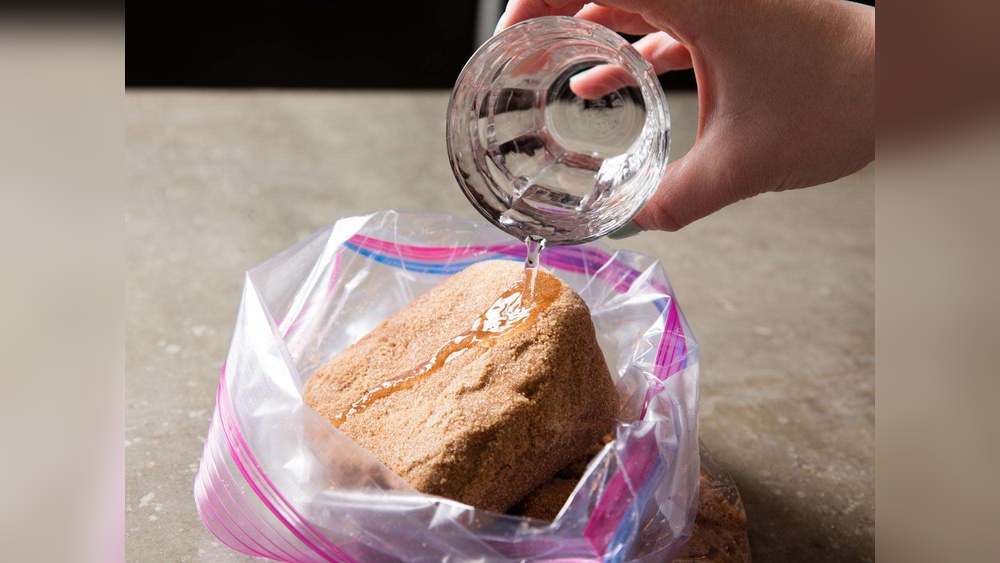
The dreaded rock-hard brown sugar. It’s a common kitchen conundrum, turning your baking dreams into a grainy, unworkable mess. Whether it’s been sitting in your pantry for a few weeks or a few months, that once-soft, molasses-rich sweetness can transform into a solid brick, making it impossible to measure, cream, or dissolve.
This transformation isn’t magic; it’s a simple matter of moisture loss. Brown sugar is essentially granulated white sugar with molasses added back in. When exposed to air, this molasses dries out, causing the sugar crystals to clump together and harden.
But don’t toss that hardened block just yet! Fortunately, there are several effective and surprisingly simple methods to bring your brown sugar back to its pliable, bake-ready state. These techniques leverage basic principles of moisture transfer, using common household items to rehydrate the sugar without compromising its flavor or texture.
From quick fixes for immediate baking needs to longer-term storage solutions, you’ll be able to rescue your brown sugar and save your recipes from disaster.
Key Takeaways
- Moisture is Key: Brown sugar hardens due to the evaporation of its molasses content. Reintroducing moisture is the primary solution.
- Quick Fixes: For immediate needs, methods like using a damp paper towel with a slice of bread or an apple slice in an airtight container work within hours.
- Microwave Method: A fast, but potentially risky, method involving a damp paper towel and short microwave bursts can soften sugar in minutes.
- Oven Revival: Low oven heat can also rehydrate sugar, but requires careful monitoring to prevent melting or burning.
- Preventative Storage: Storing brown sugar in an airtight container with a moisture-retaining element (like a terra cotta disc) is crucial for long-term softness.
- Understanding Sugar Types: Light and dark brown sugars have different molasses content, affecting their texture and how quickly they harden.
The Science Behind Hardened Brown Sugar
Brown sugar’s unique texture and flavor come from the molasses that is added back to refined white sugar. This molasses is what gives brown sugar its characteristic moistness and slightly chewy consistency. The sugar crystals in brown sugar are coated with this sticky syrup, which prevents them from clumping.
However, molasses is also hygroscopic, meaning it attracts and holds water. When brown sugar is left exposed to the air, this water begins to evaporate, taking the molasses with it. As the molasses dries out, it loses its binding properties, allowing the sugar crystals to stick together and form a hard, unmanageable mass.
The amount of molasses dictates the type of brown sugar. Light brown sugar contains less molasses (around 3. 5%) than dark brown sugar (around 6. 5%). This difference in molasses content means that dark brown sugar tends to stay softer for longer, but both types are susceptible to hardening when not stored properly.
The goal of softening hardened brown sugar is to reintroduce enough moisture to loosen the sugar crystals without making the sugar overly wet or altering its flavor profile.
:max_bytes(150000):strip_icc()/102075130_Blaine-Moats-2000-98293ac5804542adbf411776d1fccc59.jpg)
Quick And Easy Methods For Softening Brown Sugar
When you’re in the middle of a recipe and discover your brown sugar has turned into a brick, you need a solution that’s fast and effective. Fortunately, several common kitchen items can help you rehydrate your sugar quickly. These methods rely on the principle of moisture transfer within an airtight environment.
The Bread Slice Method
This is perhaps the most popular and widely recommended quick fix. The porous nature of bread allows it to release moisture slowly and steadily.
How to do it:
- Place the hardened brown sugar in an airtight container or a resealable plastic bag.
- Add a slice of fresh bread to the container alongside the sugar. Ensure the bread is not touching the sugar directly if you’re concerned about it sticking, though usually, it doesn’t.
- Seal the container or bag tightly.
- Leave it undisturbed for at least 15-30 minutes. For very hard sugar, you might need to leave it for an hour or even longer.
- Check the sugar’s consistency. It should be soft and pliable. Remove the bread before using the sugar.
Why it works: The bread contains moisture that the dry brown sugar absorbs, rehydrating the molasses and loosening the sugar crystals.
Pro Tip: This method is gentle and unlikely to make your sugar overly wet. It’s ideal for when you have a little bit of waiting time.
The Apple Slice Method
Similar to the bread method, an apple slice provides a source of moisture. Apples have a high water content, making them effective for rehydrating.
How to do it:
- Place the hardened brown sugar in an airtight container or resealable plastic bag.
- Add a few slices of fresh apple to the container.
- Seal the container or bag tightly.
- Allow it to sit for at least 15-30 minutes, or longer for very hard sugar.
- Check the sugar. If it’s soft enough, remove the apple slices and use the sugar.
Why it works: The apple releases moisture into the sealed environment, which the dry sugar crystals absorb.
Consideration: Some people worry about the apple flavor transferring to the sugar. While usually minimal, it’s something to be aware of, especially if you’re making delicate cookies where subtle flavor notes are critical.
The Damp Paper Towel Method
This method can be quicker than bread or apple slices, but requires a bit more caution to avoid over-moistening.
How to do it:
- Place the hardened brown sugar in an airtight container or resealable plastic bag.
- Lightly dampen a paper towel with water. It should be moist, not dripping wet. Wring out any excess water.
- Place the damp paper towel in the container with the sugar, ideally not directly touching it. Some people place it on top of the sugar or to the side.
- Seal the container tightly.
- Let it sit for about 15-30 minutes. Check for softness.
Why it works: The water from the paper towel evaporates and is trapped within the airtight container, rehydrating the sugar.
Warning: If the paper towel is too wet, you risk making the sugar mushy or even dissolving it. It’s better to start with a slightly less damp towel and add more time if needed.
:max_bytes(150000):strip_icc()/__opt__aboutcom__coeus__resources__content_migration__serious_eats__seriouseats.com__images__2017__04__20170410-how-to-soften-brown-sugar-vicky-wasik-1-e408b171d96a4ad2b425844288e9d4fb.jpg)
Faster, More Intensive Softening Techniques
When time is of the essence and you need softened brown sugar within minutes, these methods offer a more rapid solution. However, they require careful attention to prevent overdoing it.
The Microwave Method
This is the fastest method, but also the one with the highest risk of error. It’s best suited for small quantities of sugar or when you absolutely cannot wait.
How to do it:
- Place the hardened brown sugar in a microwave-safe bowl or on a microwave-safe plate. Break up any large clumps as much as possible.
- Drape a slightly damp paper towel over the sugar.
- Microwave on low power (or defrost setting) for 15-20 second intervals.
- After each interval, check the sugar and break up clumps if necessary.
- Repeat until the sugar is softened to your desired consistency.
Why it works: The microwave heats the moisture within the sugar and the damp paper towel, creating steam that rehydrates the sugar crystals quickly.
Crucial Advice: Using low power is essential. High power can quickly melt the sugar or dry it out further, creating a caramel-like or even burnt mess. Always start with short bursts and check frequently. In my experience, even 15 seconds on high can be too much for a small amount of sugar.
The Oven Method
Rehydrating sugar in a low oven can also work, but it’s a method that requires careful monitoring to prevent melting or burning.
How to do it:
- Preheat your oven to a very low temperature, around 250°F (120°C).
- Spread the hardened brown sugar in a thin, even layer on a baking sheet lined with parchment paper.
- Place the baking sheet in the preheated oven.
- Bake for 3-5 minutes, checking every minute.
- Remove from the oven and immediately break up any clumps with a whisk or fork while it’s still warm.
Why it works: The gentle heat helps to evaporate any residual moisture and re-distribute the molasses, making the sugar pliable.
Caution: This method is best for larger quantities of sugar. Be extremely careful not to overheat, as brown sugar can quickly melt and burn. Watch it closely and remove it as soon as it feels pliable.

Storing Brown Sugar To Prevent Hardening
The best way to deal with hardened brown sugar is to prevent it from hardening in the first place. Proper storage is key to maintaining its soft, usable texture for months to come. The core principle remains the same: minimize air exposure and maintain a consistent moisture level.
Airtight Containers Are Essential
The most crucial step in preventing brown sugar from hardening is storing it in an airtight container. This could be a sturdy plastic container with a tight-fitting lid, a glass jar with a good seal, or a heavy-duty resealable plastic bag.
- Why it works: An airtight seal prevents the dry air from reaching the sugar, slowing down the evaporation of moisture from the molasses.
- What to look for: Containers with silicone gaskets or latches that create a strong seal are ideal.
Moisture-retaining Elements
Even in an airtight container, the moisture within the brown sugar can slowly dissipate over time. Adding a moisture-retaining element helps to counteract this.
- Terra Cotta Discs: These small, specially designed discs are made from unglazed terra cotta. You soak them in water for a few minutes, pat them dry, and then place them in your airtight container with the brown sugar. They release moisture slowly and steadily, keeping the sugar soft. A single disc can keep sugar soft for up to 3-6 months. These are widely available online and in kitchen supply stores.
- Bread Slice (for storage): While primarily a quick-fix method, a small piece of bread can be left in the airtight container for long-term storage. However, bread can mold over time, so it needs to be replaced every few weeks or months.
- Apple Slice (for storage): Similar to bread, an apple slice can be used for storage, but it also needs regular replacement to prevent spoilage.
Understanding Different Brown Sugar Types And Storage
- Light Brown Sugar: With its lower molasses content, light brown sugar tends to dry out slightly faster than dark brown sugar. It benefits greatly from the moisture-retaining elements mentioned above.
- Dark Brown Sugar: The higher molasses content in dark brown sugar makes it naturally moister and more resistant to hardening. However, it will still benefit from airtight storage and a moisture disc for optimal longevity.
Advanced Tips And Considerations
Beyond the basic methods, a few extra tips can help you master brown sugar management.
Breaking Up Large Clumps
If your brown sugar has hardened into a substantial brick, breaking it up before attempting to soften it can speed up the process. Use a sturdy fork, a bench scraper, or even a rolling pin (gently!) To break the larger mass into smaller pieces.
This increases the surface area exposed to the moisture source.
Sugar Consistency For Different Recipes
The ideal consistency of brown sugar can vary depending on the recipe. For cookies, you generally want soft, pliable brown sugar that creams well with butter. For some candies or glazes, you might want a slightly firmer texture, but still measurable and workable.
Always aim for a consistency that allows you to easily scoop and measure the sugar.
What To Avoid
- Direct Heat: Never try to soften brown sugar by placing it directly on a hot stovetop or in a very hot oven. This will likely result in melted, burnt sugar.
- Excessive Water: Avoid adding large amounts of water directly to the sugar, as this can lead to clumping, dissolving, or an undesirable texture.
- Leaving it Uncovered: This is the cardinal sin of brown sugar storage. Always ensure it’s in an airtight container.
Brown Sugar Substitutes (when All Else Fails)
If your brown sugar is beyond saving, or you’re out of it entirely, you can make a quick substitute for most recipes.
- DIY Brown Sugar: Combine 1 cup of granulated white sugar with 1 tablespoon of molasses. Mix thoroughly until well combined. For dark brown sugar, use 2 tablespoons of molasses per cup of granulated sugar. This works well for most baking applications.
Brown Sugar Softening Methods: A Comparative Look
To help you choose the best method for your situation, here’s a comparison of the most common techniques.
| Method | Time Required | Ease of Use | Risk of Error | Best For |
|---|---|---|---|---|
| **Bread Slice** | 30 mins – 2+ hours | Very Easy | Low | General use, when you have some waiting time, delicate flavors |
| **Apple Slice** | 30 mins – 2+ hours | Very Easy | Low | General use, when you have some waiting time, slight flavor transfer possible |
| **Damp Paper Towel** | 30 mins – 1 hour | Easy | Moderate | General use, when you need it relatively quickly, be cautious with moisture |
| **Microwave** | 1-3 minutes | Easy | High | Urgent needs, small quantities, requires constant supervision |
| **Oven** | 3-5 minutes (+ cool) | Moderate | High | Larger quantities, requires careful monitoring to prevent burning/melting |
Real-world Examples Of Brown Sugar Hardening
It’s not just home bakers who encounter this issue. Even professional kitchens can face the challenge of hardened brown sugar, especially in environments with fluctuating humidity.
- Example 1: The Weekend Baker: Sarah, an avid baker, loves making chocolate chip cookies every Saturday. One week, she reached for her brown sugar only to find a solid block. She quickly grabbed a slice of bread from her counter, placed it in a Ziploc bag with the sugar, and left it while she prepped other ingredients. Within 45 minutes, the sugar was soft enough to cream with butter, and her cookies were saved.
- Example 2: The Busy Parent: Mark was trying to make a quick batch of muffins for his kids’ school snack. He discovered his brown sugar had hardened. In a rush, he opted for the microwave method. He placed the sugar in a bowl with a damp paper towel and microwaved it in 15-second bursts on low power, stirring in between. It took about 45 seconds total, and he successfully softened the sugar just in time to get the muffins into the oven.
- Example 3: The Storage Challenge: A small café noticed their brown sugar bags were hardening quickly despite being in the pantry. They realized their pantry had inconsistent humidity levels. They invested in a few airtight containers and added terra cotta discs to each. This simple change significantly extended the life of their brown sugar, reducing waste and ensuring consistent quality for their baked goods.
Frequently Asked Questions
What Is The Fastest Way To Soften Brown Sugar?
The fastest method is the microwave technique. Place the hardened sugar in a microwave-safe bowl, cover with a slightly damp paper towel, and microwave on low power or defrost for 15-20 second intervals, checking and breaking up clumps after each interval.
This can soften sugar in 1-3 minutes, but requires careful monitoring to avoid melting.
Can I Use Brown Sugar That Has Hardened?
Yes, absolutely. Hardened brown sugar is not ruined; it has simply lost moisture. The methods described in this article, such as using a slice of bread, apple slices, or a damp paper towel in an airtight container, can effectively rehydrate and soften it for use in baking and cooking.
How Long Does It Take For Brown Sugar To Soften?
The time it takes depends on the method used and how hard the sugar is. Quick methods like the microwave can work in minutes. Slower methods like the bread or apple slice technique typically take 30 minutes to a couple of hours.
For very hardened sugar, it might take overnight.
How Can I Prevent My Brown Sugar From Hardening In The Future?
The best prevention is proper storage. Always store brown sugar in an airtight container. For longer-term freshness and to maintain optimal softness, include a moisture-retaining element like a terra cotta disc (soaked and dried) or a small piece of bread within the airtight container.
Is It Safe To Eat Hardened Brown Sugar?
Yes, hardened brown sugar is perfectly safe to eat. Hardening is simply a result of moisture loss, not spoilage. As long as it hasn’t been contaminated or exposed to pests, it can be softened and used without any health concerns.
The next time you encounter a brick of hardened brown sugar, don’t despair. With these simple, effective methods, you can easily restore its soft, pliable texture and ensure your baking projects turn out perfectly. From quick fixes using everyday items to mindful storage practices, managing brown sugar is a straightforward culinary skill that will save you time, money, and baking frustration.
Embrace the power of moisture, and your brown sugar will be ready for action whenever inspiration strikes.
Leave a Reply