
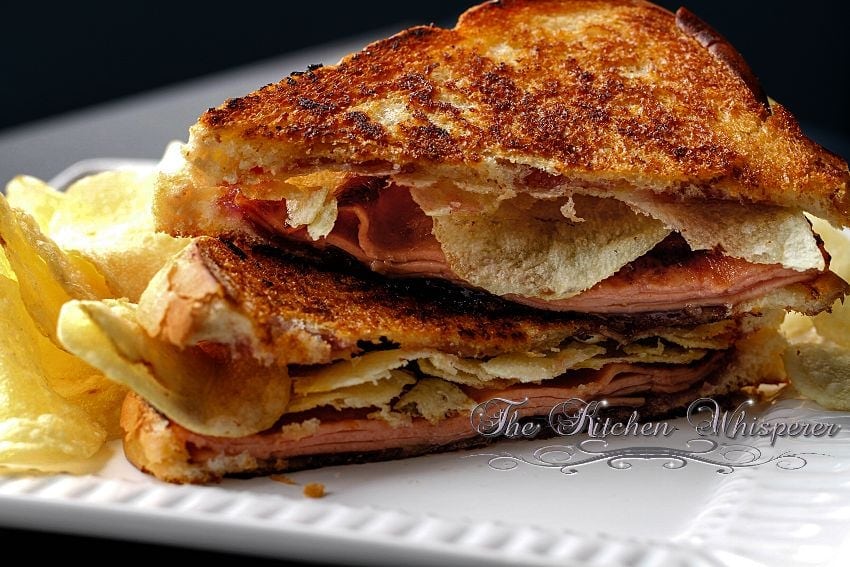
The humble fried bologna sandwich, a culinary icon of simplicity and comfort, holds a special place in the hearts of many. More than just a quick meal, it’s a nostalgic trip back to childhood lunches, backyard barbecues, and late-night cravings.
While its ingredients are basic, sliced bologna, bread, and a cooking fat, the transformation that occurs when bologna is fried is nothing short of magical. The edges crisp up, the center becomes wonderfully tender, and a rich, savory aroma fills the kitchen.
Mastering the art of the fried bologna sandwich is about understanding these simple elements and bringing them together in a way that maximizes flavor and texture.
This guide aims to elevate your understanding and execution of this classic sandwich. We’ll explore the nuances of choosing the right bologna, the best fats for frying, the ideal bread choices, and the essential accompaniments that can turn a good sandwich into a great one.
Whether you’re a seasoned cook looking to perfect a childhood favorite or a newcomer eager to discover its appeal, you’ll find the detailed steps and tips here to create a fried bologna sandwich that is truly satisfying.
Key Takeaways
- Bologna Selection Matters: Opt for thick-cut, high-quality bologna for the best texture and flavor when fried.
- Frying Technique is Crucial: Medium heat and the right fat are key to achieving crispy edges and a tender center without burning.
- Bread Choice Enhances the Experience: Sturdy, toasting-friendly bread complements the richness of the bologna.
- Condiments Add Depth: Simple additions like mustard, mayonnaise, and pickles can significantly elevate the sandwich.
- Customization is Encouraged: The fried bologna sandwich is a versatile canvas for personal taste.
The Art Of Selecting Your Bologna
The foundation of any great fried bologna sandwich is, undoubtedly, the bologna itself. While readily available, not all bologna is created equal, and your choice can significantly impact the final outcome. The goal is to select a bologna that fries well, offering a pleasing texture and a robust flavor.
Thickness: The Unsung Hero
One of the most critical factors in choosing bologna for frying is its thickness. Pre-sliced bologna, often found in thin, almost translucent sheets, is generally not ideal for frying. When heated, these thin slices tend to curl excessively, become overly crispy to the point of being brittle, and can lose much of their moisture, resulting in a dry, less satisfying bite.
Pro Tip: Look for bologna that is sold in a larger chub or a thicker cut. Many delis will slice bologna to your desired thickness, and this is where you can really make a difference. Aim for slices that are at least 1/4 inch thick, and ideally up to 1/2 inch. These thicker cuts hold their shape better during frying, develop a wonderful contrast between the crispy exterior and the soft, yielding interior, and retain more of their inherent savory flavor. When I tested different thicknesses at home, the 1/4-inch slices provided a perfect balance, while the 1/2-inch slices offered an even more decadent, melt-in-your-mouth experience.
Quality Over Quantity
The term “bologna” can encompass a wide range of products, from basic, mass-produced varieties to more artisanal options. For the best fried bologna sandwich, it’s worth investing in a higher-quality product. Look for bologna that lists recognizable ingredients and avoids excessive fillers or artificial additives.
Brands that emphasize a good meat-to-fat ratio often yield superior results.
Consider the type of bologna. While classic pork bologna is traditional, some brands offer beef bologna or a blend. Each will have a slightly different flavor profile. For a truly classic experience, a good quality pork or pork and beef blend is recommended.
Some gourmet delis even offer specialty bologna, perhaps smoked or infused with spices, which can add an exciting twist to your sandwich.
Storing And Preparing Bologna
Once you’ve selected your bologna, proper storage is key. Keep it refrigerated, and if it’s a chub, ensure it’s well-wrapped to prevent drying out. When it’s time to prepare your sandwich, take the bologna slices out of the refrigerator a few minutes before cooking.
This allows them to come closer to room temperature, ensuring more even cooking.
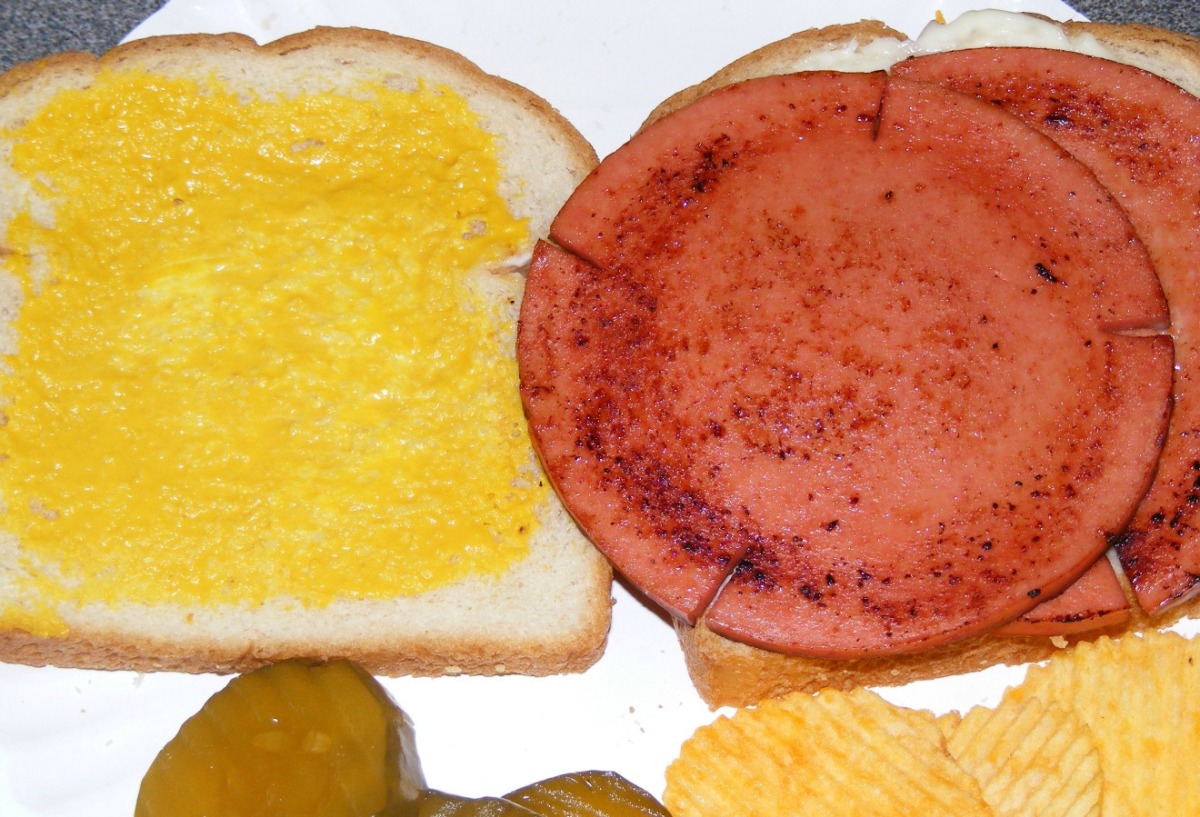
Before frying, you might consider scoring the edges of thicker bologna slices. A few shallow cuts around the perimeter, about 1/8 inch deep, can help prevent excessive curling and promote even crisping. This is a technique often employed by chefs to control the cooking process of processed meats.
The Crucial Role Of Fat And Heat
The magic of a fried bologna sandwich lies in the Maillard reaction, the chemical process that gives browned food its distinctive flavor and color. This reaction is heavily influenced by the cooking fat and the temperature of your cooking surface.
Choosing the right fat and managing the heat are paramount to achieving that perfect balance of crispy edges and tender, juicy interior.
Choosing Your Frying Fat
Several fats can be used to fry bologna, each imparting a slightly different character to the sandwich. The primary goal is to use a fat with a relatively high smoke point that can withstand medium heat without burning, and that complements the savory flavor of the bologna.
- Butter: Offers a rich, slightly nutty flavor that pairs exceptionally well with bologna. However, butter has a lower smoke point and can burn easily if the heat is too high. It’s best used over medium-low to medium heat. Clarified butter (ghee) has a higher smoke point and can be a good alternative if you desire a buttery flavor with more heat tolerance.
- Vegetable Oil or Canola Oil: These are neutral-flavored oils with high smoke points, making them very forgiving for beginners. They allow the flavor of the bologna to shine through without adding any competing notes. They are excellent for achieving a consistent fry.
- Lard or Bacon Fat: For an even more decadent and traditional flavor, rendering lard or using reserved bacon fat is an excellent choice. These fats impart a distinct richness and savory depth that is hard to replicate. If using bacon fat, be mindful that it will add a smoky, salty element to your sandwich.
- Mayonnaise: This might sound unusual, but mayonnaise, particularly full-fat varieties, can be used as a frying medium. Its oil content allows it to heat well, and it imparts a subtle tanginess and helps create a beautifully golden-brown crust. It’s a technique that many home cooks swear by for grilled cheese and similar sandwiches.
In my experience, a combination of butter and a neutral oil can offer the best of both worlds: the flavor of butter with the stability of oil. A 50/50 blend can help prevent the butter from burning while still contributing its delicious taste.
Mastering The Heat
The temperature of your frying surface is arguably more critical than the type of fat used. Too high a heat, and the bologna will scorch on the outside before it has a chance to warm through and develop its characteristic texture.
Too low a heat, and the bologna will steam rather than fry, becoming rubbery and greasy.
The sweet spot is medium heat. This typically translates to around 300-325°F (150-160°C) if you’re using a thermometer. On a stovetop, this means medium to medium-low on your dial. You want to see a gentle sizzle when the bologna hits the pan, not an aggressive, spitting fry.
Allow the pan and the fat to heat up gradually. Once the fat is shimmering (but not smoking), carefully place the bologna slices in the pan. Let them cook undisturbed for a few minutes per side. The goal is to allow the heat to penetrate the bologna while the surface crisps up.
Overcrowding the pan should be avoided, as this can lower the pan temperature too drastically and lead to steaming. Fry in batches if necessary.
The cooking time will vary depending on the thickness of the bologna and the exact heat of your pan, but generally, 2-4 minutes per side is a good starting point. You’re looking for those beautiful golden-brown edges and a slightly softened, warmed center.
The Perfect Bread Pairing
The bread is the vessel that holds your delicious fried bologna, and its role is far from passive. The right bread not only complements the richness of the bologna but also provides the structural integrity needed to contain all the deliciousness.
It should be sturdy enough to hold up to the frying process (if you’re toasting it in the same pan) and the condiments, yet soft enough to provide a pleasing contrast to the slightly chewy, crispy bologna.
Classic Choices For A Classic Sandwich
When thinking about the classic fried bologna sandwich, certain types of bread immediately come to mind. These are the tried-and-true options that have stood the test of time for good reason.
- White Bread: This is the quintessential choice for many. Its soft texture and mild flavor make it an ideal canvas for the bold taste of bologna. It toasts beautifully, creating a delightful crisp exterior that contrasts with the soft interior. Many people prefer a standard sandwich loaf, but slightly thicker-cut white bread can offer a more substantial bite.
- Potato Bread: With its slightly denser texture and subtle sweetness, potato bread adds another layer of flavor and a wonderfully soft crumb. It toasts exceptionally well and holds up nicely to moisture from condiments.
- Sourdough: For those who appreciate a bit more tang, sourdough bread is an excellent option. Its chewy crust and tangy interior provide a sophisticated counterpoint to the savory bologna. It toasts up with a satisfying crunch.
- Rye Bread: A darker, heartier option, rye bread brings its own distinctive flavor profile to the sandwich. Its slightly earthy and sometimes caraway-laced notes can create a more complex and robust sandwich experience.
Toasting Strategies
Toasting the bread is a nearly universal step in creating a superior fried bologna sandwich. Toasting adds texture, prevents the bread from becoming soggy, and enhances its flavor.
- Pan-Toasting: The most traditional method involves toasting the bread in the same pan used for frying the bologna, often in the residual fat. This imparts a wonderful richness and flavor to the bread. After frying the bologna, you can remove it from the pan, add a little more butter or fat if needed, and toast your bread slices until golden brown.
- Toaster: A standard kitchen toaster is a convenient and effective way to toast your bread. This method provides a consistent crispness without adding extra fat to the bread itself.
- Grilling/Broiling: For a more robust toast, you can grill or broil your bread slices. This creates a deeply golden and slightly charred surface, adding another dimension of flavor.
The key is to achieve a toast that is golden brown and firm, but not so hard that it crumbles when you bite into the sandwich. The interior of the bread should remain soft and slightly yielding.
:max_bytes(150000):strip_icc()/fried-bologna-sandwich-5-a7859cdcab964189872e40f9f30d6596.jpg)
The Symphony Of Condiments And Add-ins
While a perfectly fried bologna slice between two pieces of toasted bread is a delight in itself, the right condiments and add-ins can elevate this simple sandwich into a culinary masterpiece. These additions provide moisture, acidity, spice, and textural contrast, creating a more complex and satisfying flavor profile.
Essential Condiments
Certain condiments are almost non-negotiable for a classic fried bologna sandwich. They provide the foundational flavor notes that complement the rich, savory bologna.
- Mustard: A good quality yellow mustard or a spicier Dijon mustard adds a welcome tang and a slight bite that cuts through the richness of the bologna. Yellow mustard is the classic choice, offering a familiar, zesty flavor. Dijon provides a more complex, pungent kick.
- Mayonnaise: Creamy mayonnaise adds moisture and a subtle richness. It acts as a binder for other ingredients and provides a smooth counterpoint to the textures of the bologna and bread.
- Ketchup: For those who prefer a sweeter, more tomato-forward flavor, ketchup is a popular choice. It adds a touch of sweetness and acidity.
Classic Add-ins For Texture And Flavor
Beyond the basic condiments, several classic additions can significantly enhance your fried bologna sandwich. These ingredients are chosen for the texture and complementary flavors they bring.
- Pickles: Dill pickles, whether sliced or in relish form, are a fantastic addition. Their briny acidity provides a crucial counterpoint to the fatty richness of the bologna, cleansing the palate with each bite. Thinly sliced dill pickles or a good quality dill pickle relish are excellent choices.
- Onions: Thinly sliced raw onion, such as red or white onion, can add a sharp, pungent bite and a crisp texture. If raw onion is too intense for your preference, consider very finely minced onion mixed into your mayonnaise or mustard.
- Lettuce: A crisp leaf of iceberg or romaine lettuce adds a refreshing crunch and a touch of freshness. It provides a textural contrast to the soft bread and tender bologna.
- Cheese: While not always traditional, adding a slice of cheese is a popular variation. American cheese, cheddar, or provolone all melt beautifully over the warm bologna, adding another layer of creamy, savory flavor. It’s particularly good when the cheese is melted directly onto the bologna during the last minute of cooking.
Creative Customizations
The beauty of the fried bologna sandwich lies in its adaptability. Don’t be afraid to experiment with other ingredients to create your own signature version.
- Fried Egg: A runny fried egg, with its rich yolk, can transform a simple bologna sandwich into a hearty breakfast or brunch option.
- Hot Sauce: A dash of your favorite hot sauce can add a welcome kick of heat.
- Coleslaw: For a Southern twist, a spoonful of creamy coleslaw can add a delightful crunch and tang.
- Avocado: Sliced avocado or a spread of guacamole can add a creamy, rich element.
When combining condiments and add-ins, consider the balance of flavors and textures. Too many competing elements can overwhelm the star of the show, the fried bologna. Start with one or two additions and build from there.
Putting It All Together: Step-by-step
Crafting the perfect fried bologna sandwich is a straightforward process, but attention to detail at each step ensures the best possible outcome. Here’s a detailed breakdown of how to assemble this classic comfort food.
Step 1: Prepare Your Ingredients
Before you even turn on the stove, have everything ready. This ensures a smooth cooking process and prevents any component from overcooking or burning.
- Slice the Bologna: If you purchased a chub, slice it to your desired thickness (ideally 1/4 to 1/2 inch). If using pre-sliced, select the thickest available. You can lightly score the edges if you wish.
- Prepare the Bread: Choose your preferred bread and have your slices ready for toasting.
- Gather Condiments: Have your mustard, mayonnaise, ketchup, pickles, or any other chosen additions within easy reach.
- Select Your Fat: Measure out your chosen frying fat (butter, oil, lard, etc. ).
Step 2: Fry The Bologna
This is where the magic happens.
- Heat the Pan: Place a skillet (cast iron works wonderfully for this) over medium heat.
- Add Fat: Once the pan is warm, add your chosen fat. Allow it to melt and shimmer but not smoke. If using butter, let it melt completely. If using oil or lard, wait until it becomes fluid and slightly wavy.
- Cook the Bologna: Carefully place the bologna slices into the hot fat. Do not overcrowd the pan; cook in batches if necessary.
- Fry Each Side: Let the bologna cook undisturbed for 2-4 minutes per side, or until the edges are nicely browned and slightly crispy, and the center is heated through. The exact time will depend on the thickness of the bologna and the heat of your pan. You should see the bologna start to puff slightly.
- Remove and Drain: Once cooked to your liking, remove the fried bologna from the pan using a spatula and place it on a plate lined with paper towels to drain any excess grease.
Step 3: Toast The Bread
While the bologna is draining, toast your bread.
- In the Same Pan (Recommended): If you want to add extra flavor, carefully pour off any excess grease from the skillet, leaving a thin coating. Place your bread slices into the skillet and toast them on both sides until golden brown and slightly crisp. You may need to add a tiny bit more butter or fat if the pan seems dry.
- In a Toaster: Alternatively, toast your bread slices in a standard toaster to your desired level of crispness.
Step 4: Assemble The Sandwich
Now it’s time to bring all the elements together.
- Spread Condiments: Lay out your toasted bread slices. Spread your chosen condiments (mustard, mayonnaise, etc.) Evenly on the inside of each slice.
- Add Add-ins: Layer any additional ingredients like pickles, onions, lettuce, or cheese onto one of the bread slices. If using cheese and you want it melted, place it on top of the bologna while it’s still warm from the pan, or place it on the bread and let the heat of the bologna melt it.
- Place the Bologna: Carefully place the warm, fried bologna slices on top of the condiments and add-ins.
- Top and Serve: Place the other slice of bread on top, condiment-side down. Gently press down on the sandwich.
Serve immediately while the bologna is warm and the bread is crisp. This sandwich is best enjoyed fresh.
Variations And Serving Suggestions
The fried bologna sandwich is a versatile dish that can be adapted to suit various tastes and occasions. While the classic preparation is beloved, exploring different variations and serving suggestions can unlock new levels of enjoyment.
Beyond The Basic: Creative Twists
- The “Upscale” Bologna Sandwich: Use thick-cut, artisanal bologna (perhaps a smoked variety) and serve it on toasted sourdough or brioche. Add gourmet mustard, caramelized onions, and a sharp cheddar cheese.
- Spicy Bologna Sandwich: Incorporate pepper jack cheese, a spicy mustard or hot sauce, and thinly sliced jalapeños for a sandwich with a kick.
- Breakfast Bologna Sandwich: Fry the bologna and then crack an egg directly into the pan with it. Serve on a toasted English muffin or biscuit with a slice of American cheese.
- Open-Faced Bologna Melt: Toast a single slice of hearty bread, top it with fried bologna, a slice of cheese, and broil until the cheese is bubbly and golden. Serve open-faced.
Sides To Complement Your Sandwich
A fried bologna sandwich, while satisfying on its own, pairs wonderfully with a variety of classic comfort food sides.
- Potato Chips: The ultimate crunchy companion. Choose classic potato chips or experiment with flavored varieties.
- French Fries or Tater Tots: Crispy, salty, and universally loved, these are perfect partners for a hearty sandwich.
- Coleslaw: A creamy or vinegar-based coleslaw provides a refreshing, tangy contrast.
- Macaroni Salad or Potato Salad: Classic picnic sides that complement the nostalgic feel of the bologna sandwich.
- Pickle Spears: An extra pickle spear on the side is never a bad idea, especially if you enjoy the briny crunch.
- Tomato Soup: A warm bowl of tomato soup is a classic pairing, especially on a cooler day. The acidity of the soup cuts through the richness of the sandwich beautifully.
Consider the occasion. For a quick lunch, chips and a pickle might be all you need. For a backyard barbecue, a larger spread with salads and fries would be more appropriate.
A Look At Bologna Production And History
Bologna, the star of our sandwich, has a history as rich and complex as its flavor. Understanding its origins and how it’s made can add an appreciation for this humble processed meat.
The Genesis Of Bologna
Bologna sausage, or “Mortadella di Bologna,” originated in the city of Bologna, Italy, during the Middle Ages. The original Italian mortadella is a finely ground pork sausage, traditionally flavored with cubes of pork fat (lardelli), pistachios, black peppercorns, and sometimes myrtle berries.
It’s a far cry from the smooth, uniform bologna commonly found in North America.
The Italian immigrants brought their culinary traditions, including mortadella, to the United States. Over time, the American version evolved. Factors like ingredient availability, cost-effectiveness, and local tastes led to the development of the smoother, often milder bologna we recognize today.
The term “bologna” in the US generally refers to this Americanized version, which is typically made from a mixture of pork, beef, and sometimes chicken or turkey, finely ground and emulsified with spices and curing agents.
The Modern Production Process
The production of modern bologna involves several key steps to achieve its characteristic texture and shelf stability:
- Grinding: Meats (pork, beef, etc.) Are ground to a very fine consistency.
- Mixing: The ground meat is mixed with a blend of spices, salt, curing agents (like sodium nitrite, which gives it its pink color and helps preserve it), and often water or ice to control temperature and texture.
- Stuffing: The mixture is then stuffed into casings. These can be natural casings (intestines) or artificial casings made from cellulose, collagen, or plastic. The size and type of casing influence the final product’s shape and cooking.
- Cooking: The stuffed sausages are cooked, usually in smokehouses or ovens, at controlled temperatures. This process cooks the meat, sets the emulsion, and develops the characteristic flavor
Leave a Reply