

If you love bold, rich coffee with a sweet kick, making Cuban coffee at home is a game-changer. You might think it’s complicated, but it’s actually simple once you know the steps.
Imagine waking up to a strong, smooth espresso with a creamy, sugary foam that instantly lifts your mood. In this guide, you’ll discover exactly how to make Cuban coffee, step by step. By the end, you’ll be able to impress yourself and your guests with every cup you brew.
Ready to unlock the secret to that perfect Cuban coffee? Let’s dive in.

Cuban Coffee Basics
Cuban coffee is more than just a drink. It is a rich tradition filled with strong flavors and sweet moments. This coffee style is famous for its bold taste and smooth, sweet finish. Understanding the basics helps create an authentic cup. The right ingredients and tools play a big role in making the perfect Cuban coffee. This guide will introduce the essentials every enthusiast must know before brewing.
Key Ingredients
True Cuban coffee depends on just a few simple ingredients, yet each one matters a lot. The flavor relies on quality and balance. Here are the main ingredients needed:
- Espresso coffee grounds: Use finely ground, dark roast coffee. Cuban coffee uses a strong espresso base, so choose coffee labeled as espresso or dark roast.
- Sugar: White granulated sugar is used to make the famous sweet foam called “espuma.” This foam gives Cuban coffee its unique sweetness.
- Water: Fresh, clean water is essential for brewing. Avoid using water with strong tastes or odors.
These ingredients combine to create the signature Cuban coffee taste—bold, sweet, and smooth.
| Ingredient | Purpose | Tip |
|---|---|---|
| Espresso Coffee Grounds | Strong coffee base | Choose finely ground, dark roast |
| Sugar | Sweetens and creates foam | Use white granulated sugar only |
| Water | Brewing medium | Use fresh and clean water |
Essential Equipment
Making Cuban coffee requires specific tools to get the right flavor and texture. The equipment helps brew a rich espresso and whip the sugar into foam. Here are the key items:
- Moka pot: A stovetop espresso maker that brews strong coffee by forcing steam through coffee grounds. It is the traditional tool for Cuban coffee.
- Espresso cup or small cup: Cuban coffee is served in small cups to enjoy its intense flavor.
- Spoon or small whisk: Used to mix and whip the sugar with the first drops of coffee to create espuma.
- Heat source: A stove or burner to heat the moka pot.
Having these tools ensures the coffee is brewed properly and the sugar foam is perfect.
| Equipment | Function | Notes |
|---|---|---|
| Moka Pot | Brews strong espresso | Choose a size fitting your servings |
| Espresso Cup | Serves coffee | Small size enhances flavor experience |
| Spoon or Whisk | Whips sugar into foam | Use a small, sturdy spoon or whisk |
| Heat Source | Heats moka pot | Use a stable stove or burner |

Selecting The Right Coffee Beans
Selecting the right coffee beans is the first step to make authentic Cuban coffee. The beans set the base for the strong, sweet, and rich flavor. Cuban coffee uses dark roasted beans with a slightly oily surface. These beans create a bold taste and thick crema, which is the creamy foam on top. Choosing the right beans ensures the coffee has the true Cuban character.
Freshness matters. Beans should be whole and ground just before brewing. Look for beans labeled “Cuban-style” or “espresso roast.” These usually have the deep roast needed. Avoid light or medium roasts because they lack the strong flavor. Cuban coffee is intense and sweet, so the beans must match that profile.
Popular Cuban Coffee Brands
Cuban coffee brands have a loyal following due to their unique taste. Many brands export to the U.S. and other countries, making Cuban coffee accessible worldwide. These brands focus on dark roasting and traditional Cuban blends.
- La Llave: Known for its rich flavor and smooth crema. It’s a favorite for Cuban espresso at home.
- Pilón: Offers a bold taste with a slightly smoky note. It is ideal for strong Cuban coffee lovers.
- Bustelo: A popular brand with a strong, robust flavor. It works well for making café con leche.
- Medaglia D’Oro: Known for its dark roast and thick crema. It’s a classic choice for Cuban coffee enthusiasts.
Here is a quick comparison of these brands:
| Brand | Roast Level | Flavor Profile | Ideal Use |
|---|---|---|---|
| La Llave | Dark | Rich, smooth | Espresso, Cuban coffee |
| Pilón | Dark | Bold, smoky | Strong coffee lovers |
| Bustelo | Dark | Robust, intense | Café con leche |
| Medaglia D’Oro | Dark | Thick crema, bold | Traditional Cuban coffee |
Grinding Tips
Grinding coffee beans correctly is key to making Cuban coffee. The grind size affects the coffee’s strength and flavor extraction. Cuban coffee needs a very fine grind, almost like powdered sugar. This fine grind allows the water to extract the strong flavors fast.
Follow these tips for the best grind:
- Use a burr grinder: It gives consistent fine grounds, unlike blade grinders.
- Grind fresh: Grind beans just before brewing to keep aroma and flavor.
- Aim for espresso grind size: Very fine but not too powdery to avoid clogging the coffee maker.
- Adjust if needed: If coffee tastes weak, try a finer grind. If bitter, try a coarser grind.
Here is a simple guide for grind sizes:
| Grind Size | Description | Best For |
|---|---|---|
| Coarse | Chunky, like sea salt | French press, cold brew |
| Medium | Granular, like sand | Drip coffee makers |
| Fine | Powdery, like sugar | Espresso, Cuban coffee |
| Extra Fine | Almost powdery, like flour | Turkish coffee |
Grinding beans too coarse will make the coffee weak. Too fine will make it bitter or block the filter. The right grind produces a full-bodied and sweet Cuban coffee.
Preparing The Espresso
Preparing the espresso is a key step in making authentic Cuban coffee. This part sets the base for the strong, sweet flavor that Cuban coffee is known for. Getting the espresso right means paying close attention to the coffee grounds and the brewing process. Each detail matters to achieve that rich, bold taste.
Measuring Coffee Grounds
Start by measuring the coffee grounds accurately. Cuban coffee uses finely ground dark roast coffee. The grind should be almost powdery but not too fine like espresso for other types.
Use a digital kitchen scale for best results. A typical Cuban coffee needs about 18 to 20 grams of coffee grounds per 6-ounce espresso.
- Too little coffee: results in weak, watery espresso.
- Too much coffee: can cause bitterness and clog the machine.
Here is a simple guide to measure your coffee grounds:
| Espresso Size | Coffee Grounds (grams) | Approximate Coffee Grounds (tablespoons) |
|---|---|---|
| Small (2 oz) | 9 – 10 | 1.5 |
| Standard (6 oz) | 18 – 20 | 3 |
| Large (8 oz) | 24 – 26 | 4 |
Measure your coffee grounds carefully to keep the espresso strong but smooth. Always use fresh coffee for the best flavor.
Brewing Techniques
Brewing Cuban espresso requires the right technique to make it thick and flavorful. Use a stovetop espresso maker, called a Moka pot, which is traditional for Cuban coffee.
- Fill the bottom chamber with water just below the safety valve.
- Place the measured coffee grounds in the filter basket. Do not press or tamp the grounds.
- Screw the top part of the Moka pot tightly onto the base.
- Place the pot on medium heat. Keep the lid open to watch the coffee flow.
- As soon as coffee starts coming out, lower the heat slightly.
- Once the top chamber is full and you hear a hissing sound, remove the pot from heat.
Key points to remember:
- Do not tamp the coffee grounds. This ensures water flows through evenly.
- Use medium heat. Too high heat can burn the coffee and cause bitterness.
- Watch the coffee flow. Remove from heat at the right time to avoid over-extraction.
These steps help you brew a thick, bold espresso base for Cuban coffee. This espresso is the heart of the drink, so take your time and focus on each step.
Making The Sugar Foam
Making the sugar foam is a key step in creating authentic Cuban coffee. This foam, called espuma or espumita, adds a rich, sweet layer on top of the coffee. It gives the drink its signature taste and smooth texture. The process involves mixing sugar with the first few drops of brewed espresso. The goal is to whip the sugar into a creamy, light foam before adding the rest of the coffee.
Choosing Sugar Type
Choosing the right sugar is important for making the perfect sugar foam. Traditionally, white granulated sugar is used because it dissolves well and creates a smooth foam. Some people try brown sugar, but it can affect the foam’s texture and color. Here are some common sugar types and how they work:
| Sugar Type | Texture | Effect on Foam | Flavor Impact |
|---|---|---|---|
| White Granulated Sugar | Fine, dry crystals | Creates smooth, stable foam | Neutral, sweet |
| Brown Sugar | Moist, coarse | Foam may be less stable | Caramel-like taste |
| Caster Sugar | Very fine crystals | Dissolves quickly, good foam | Neutral, sweet |
| Powdered Sugar | Fine, with cornstarch | Foam may be sticky | Sweet, slight starch taste |
White granulated sugar or caster sugar works best. They dissolve quickly and whip well. Avoid sugars with added ingredients, like powdered sugar with cornstarch. The sugar must blend smoothly without lumps. This helps create the soft, creamy espuma.
Whipping The Sugar
Whipping the sugar requires careful technique. First, pour a small amount of freshly brewed espresso into a cup. Use only the first few drops. This espresso is the hottest and strongest. Add 1-2 tablespoons of sugar to the espresso. The sugar-to-coffee ratio affects the sweetness and foam texture.
Follow these steps for whipping:
- Use a small spoon or fork to vigorously stir the sugar and espresso.
- Whip in a rapid, circular motion.
- Continue whipping until the sugar turns pale and forms a thick, creamy foam.
This process can take 1-2 minutes. The foam should have a light, velvety texture. Avoid rushing. Whipping too fast or too slow can affect foam quality. Some use a small electric frother, but traditional stirring works best for authenticity.
Tips for better whipping:
- Use a small bowl or cup for better control.
- Keep the espresso hot for easier dissolving.
- Do not add cold coffee until foam is ready.
The whipped sugar foam is the base for the Cuban coffee. Pour the rest of the espresso slowly over it. The foam rises to the top, giving the coffee its unique look and taste. Perfect espuma means a smooth, sweet start and a balanced finish.
Combining Coffee And Sugar Foam
Combining coffee and sugar foam is a key step in making authentic Cuban coffee. The sweet foam, called “espuma,” gives Cuban coffee its unique taste and texture. This foam is made by mixing sugar with the first drops of strong espresso. It creates a creamy layer that balances the coffee’s bold flavor with smooth sweetness. Getting this step right brings out the true Cuban coffee experience.
Mixing Process
Start by brewing a strong espresso shot. Use finely ground coffee for the best flavor. As the espresso begins to drip, pour about 1 to 2 tablespoons of white granulated sugar into a small cup or metal container.
- Wait for the first few drops of espresso to fall directly into the sugar.
- Use a spoon or small whisk to mix the sugar and espresso vigorously.
- Stir quickly for about 30 seconds until the mixture turns light and frothy.
This process creates a thick, caramel-colored foam. The key is to mix the sugar and coffee while the espresso is hot. This heat helps dissolve the sugar and traps tiny air bubbles, forming the espuma. Avoid using brown sugar or liquid sweeteners because they don’t produce the same foam texture.
| Step | Action | Tip |
|---|---|---|
| 1 | Place sugar in cup | Use white granulated sugar |
| 2 | Pour first espresso drops | Pour slowly to mix with sugar |
| 3 | Whisk sugar and coffee | Stir vigorously for 30 seconds |
Serving Suggestions
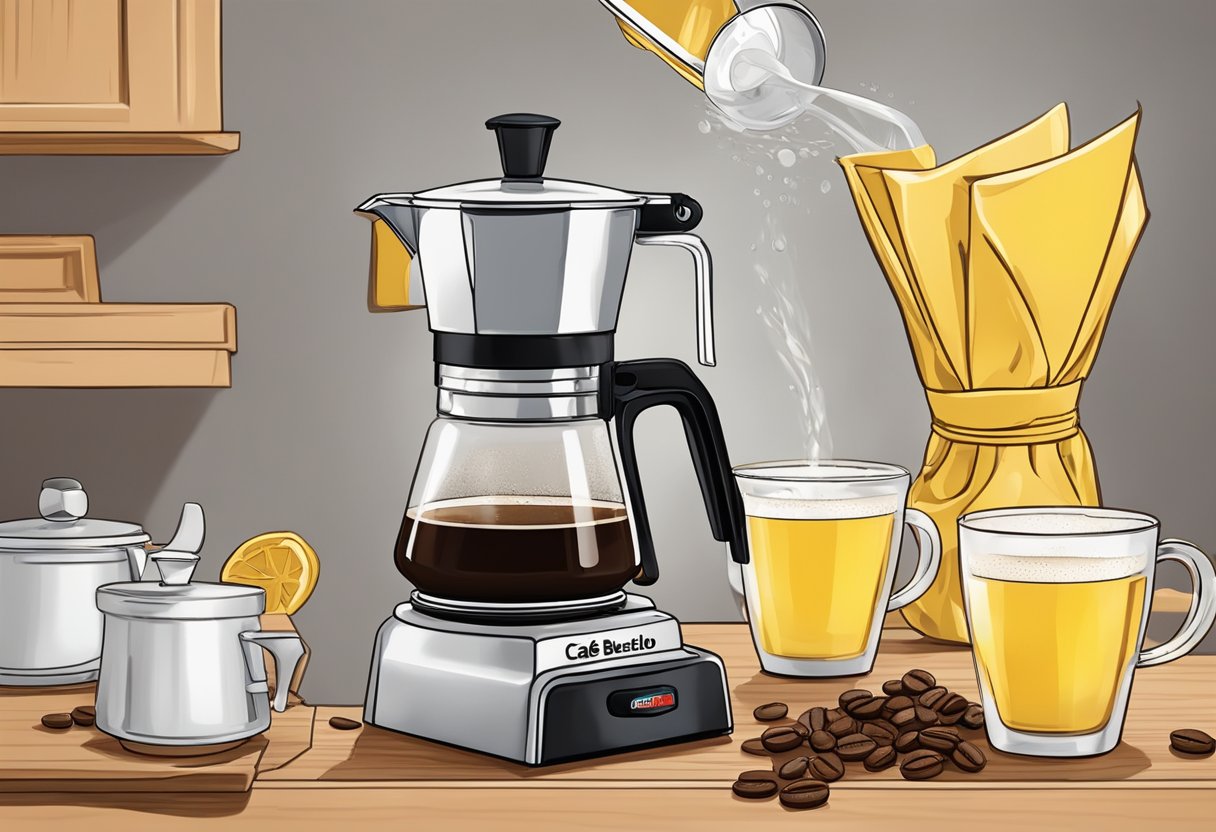
Once the sugar foam is ready, add the rest of the hot espresso slowly on top. Pour gently to keep the foam layer visible. Cuban coffee is usually served in small cups, similar to espresso cups. These cups help keep the coffee hot and concentrate the flavors.
Try these serving tips for the best experience:
- Serve immediately to enjoy the foam’s creamy texture.
- Use a small spoon to scoop some foam with each sip.
- Pair the coffee with sweet treats like cookies or pastries.
- Offer a glass of water on the side to cleanse the palate.
The foam acts as a sweet cap and a rich contrast to the coffee’s strong taste. Cuban coffee is often enjoyed as a quick morning boost or an afternoon pick-me-up. Presenting it with care enhances both the look and flavor, making it a special moment for coffee lovers.
Variations Of Cuban Coffee
Cuban coffee is rich in flavor and culture. Its unique taste comes from strong espresso and sweet sugar foam. Enthusiasts love to explore different ways to enjoy this classic drink. Variations of Cuban coffee offer delightful twists that suit every taste. These versions keep the spirit of Cuban coffee alive while adding new textures and flavors. Knowing these variations helps you appreciate Cuban coffee more deeply and create your perfect cup.
Cortadito
The Cortadito is a popular Cuban coffee variation. It blends espresso with steamed milk. This mix balances the strong coffee flavor with creamy smoothness. Cortadito is smaller than a latte but larger than a simple espresso shot.
Here is what makes Cortadito special:
- Espresso base: A strong, sweet Cuban espresso shot.
- Steamed milk: Usually equal parts espresso and milk.
- Sweetness: Sugar is added to the espresso before mixing with milk.
To prepare a Cortadito:
- Brew a strong Cuban espresso shot.
- Mix in sugar to create a sweet foam called “espuma.”
- Steam milk until hot and slightly frothy.
- Pour steamed milk over the espresso and espuma.
This drink suits people who want a smooth but bold coffee taste. It is common to enjoy Cortadito any time of the day. The sweet foam adds a nice texture, while milk softens the espresso’s intensity.
| Ingredient | Amount |
|---|---|
| Espresso | 1 shot (about 1 oz) |
| Sugar | 1-2 teaspoons |
| Steamed milk | 1 oz |
Café Con Leche
Café con Leche is another beloved Cuban coffee style. It means “coffee with milk” in Spanish. This drink is perfect for those who prefer a milder coffee taste but still want the traditional Cuban espresso flavor.
The main difference from Cortadito is the milk ratio. Café con Leche uses much more milk. The milk is usually hot and steamed, making the drink creamy and smooth.
Key points about Café con Leche:
- Espresso: Strong Cuban espresso is the base.
- Milk: Equal or more milk than espresso, steamed hot.
- Sugar: Added to espresso before mixing for sweetness.
Steps to make Café con Leche:
- Prepare a strong Cuban espresso shot.
- Add sugar to the hot espresso and stir well.
- Heat and steam milk until frothy.
- Pour the steamed milk into the sweet espresso.
This drink is a favorite for breakfast in Cuba. It offers a warm, comforting start to the day. Café con Leche is creamy and sweet, with a mild coffee flavor. It also works well as an afternoon treat.
| Ingredient | Amount |
|---|---|
| Espresso | 1-2 shots (1-2 oz) |
| Sugar | 1-3 teaspoons |
| Steamed milk | 2-4 oz |
Tips For The Perfect Cup
Making the perfect Cuban coffee is an art that combines rich espresso with sweet, creamy sugar foam. Getting the taste just right takes more than following steps; it requires attention to small details. These tips for the perfect cup help create that bold, sweet flavor Cuban coffee is famous for. Whether brewing your first cup or refining your skills, these pointers improve every shot.
Common Mistakes To Avoid
Many enthusiasts miss key points that affect Cuban coffee’s unique flavor. Avoid these errors to enjoy an authentic cup.
- Using the wrong coffee grind: Too coarse or too fine grind changes extraction. Use a medium-fine grind for espresso machines.
- Skipping the sugar foam step: The espuma or foam is essential. It balances bitterness and adds texture.
- Overheating the coffee: High heat can burn the coffee, giving it a bitter taste.
- Ignoring water quality: Hard water or tap water with strong tastes affects flavor. Use filtered water.
- Not cleaning the espresso machine: Residue changes the coffee taste. Clean regularly.
Here is a quick reference table of common mistakes and their effects:
| Common Mistake | Effect on Coffee |
|---|---|
| Wrong grind size | Under or over-extracted coffee, weak or bitter taste |
| Skipping sugar foam | Loss of sweetness and creamy texture |
| Overheating | Bitter, burnt flavor |
| Poor water quality | Off-flavors and uneven extraction |
| Dirty machine | Old coffee residue spoils taste |
Enhancing Flavor
Enhance Cuban coffee by focusing on quality ingredients and simple techniques. Small changes lead to a richer taste.
- Choose fresh, dark-roasted coffee beans: Cuban coffee uses strong, bold beans. Freshness matters most.
- Use the right sugar: White granulated sugar is traditional. It melts well and creates smooth espuma.
- Perfect the espuma: Mix the first few drops of espresso with sugar, then whip until creamy.
- Control brewing time: Aim for 20-30 seconds extraction. This keeps flavor balanced.
- Try slight variations: Add a pinch of cinnamon or a drop of vanilla for a subtle twist.
Here is a flavor enhancement checklist:
- Fresh coffee beans (dark roast)
- Filtered water
- White granulated sugar
- Espresso machine with stable temperature
- Clean equipment
Following these tips will bring out the rich, sweet, and bold flavor Cuban coffee lovers enjoy every day.
Frequently Asked Questions
What Ingredients Are Needed For Authentic Cuban Coffee?
You need finely ground dark roast coffee, water, and sugar. The sugar is essential for creating the signature sweet foam called “espuma. ” Use a stovetop espresso maker or Moka pot for best results. These ingredients create the rich, bold flavor Cuban coffee is known for.
How Do You Create The Espuma In Cuban Coffee?
Espuma is made by whipping sugar and the first few drops of strong coffee. Use a spoon to vigorously mix until it becomes a creamy, light caramel-colored foam. This step adds sweetness and texture, making Cuban coffee unique and delicious.
Can I Use A Regular Espresso Machine For Cuban Coffee?
Yes, you can use an espresso machine, but adjust the sugar and brewing method. The key is to brew strong coffee and whip sugar with the first drops. This preserves the authentic sweet foam and rich taste typical of Cuban coffee.
How Strong Is Cuban Coffee Compared To Regular Coffee?
Cuban coffee is much stronger and sweeter than regular drip coffee. It uses finely ground dark roast coffee brewed under pressure. The added sugar balances the intense flavor, making it bold but smooth. It’s ideal for coffee lovers who enjoy a robust taste.
Conclusion
Making Cuban coffee is simple with the right steps. Fresh coffee and sugar create its unique taste. Brewing strong espresso and mixing it well matters most. Practice helps you get the perfect balance every time. Enjoy your coffee with friends or during quiet moments.
This guide helps you bring a little Cuba into your home. Try it today and enjoy a rich, sweet coffee experience. Keep it simple, and savor each sip.
Leave a Reply