

Are you wondering how much coffee you can brew in a 30 cup coffee maker? Whether you’re hosting a big gathering or just love having plenty of coffee ready, knowing the right amount to use is key.
Too little coffee can leave you with a weak brew, while too much can make it bitter and wasteful. You’ll discover exactly how much coffee you need for your 30 cup machine to get the perfect cup every time. Keep reading to make sure your next batch is just right—strong, smooth, and satisfying.
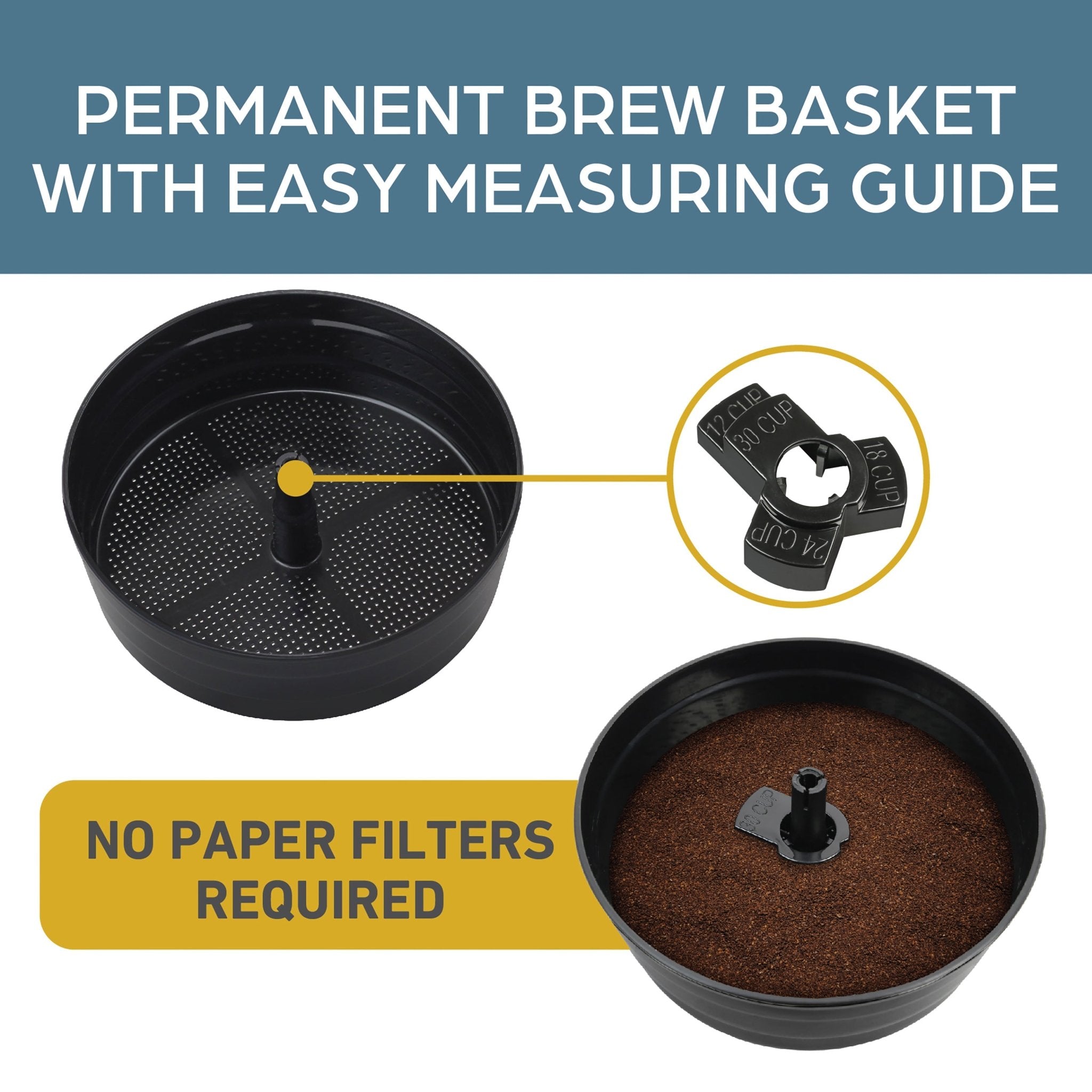
Coffee Maker Capacity
Understanding the coffee maker capacity helps in measuring how much coffee you can brew at once. A 30 cup coffee maker might sound huge, but the actual amount of coffee it produces depends on the size of each cup. Knowing this helps avoid making too much or too little coffee. It also helps in planning for gatherings or busy mornings. Let’s explore what a 30 cup coffee maker means and how cup sizes affect the total coffee brewed.
Defining A 30 Cup Coffee Maker
A 30 cup coffee maker is designed to brew up to 30 cups of coffee in one cycle. This capacity is ideal for offices, parties, or large families. But it is important to understand that the term “cup” here does not mean a standard 8-ounce cup.
Most coffee makers use a smaller “cup” measurement. Here are some points to clarify:
- One coffee maker cup often equals 5 to 6 ounces of coffee.
- The 30 cups refer to these smaller cups, not full-size mugs.
- This means a 30 cup coffee maker brews roughly 150 to 180 ounces of coffee.
This volume can serve a large group, but you should use the right coffee-to-water ratio to get good flavor.
| Term | Amount (oz) | Notes |
|---|---|---|
| 1 Coffee Maker Cup | 5 – 6 | Smaller than a standard cup |
| 30 Coffee Maker Cups | 150 – 180 | Full pot capacity |
Understanding this helps you measure ingredients correctly. For example, if you want to fill a travel mug (usually 12 oz), it counts as about 2 coffee maker cups.
Standard Cup Sizes
Standard cup sizes vary widely depending on the context. In household kitchens, a “cup” usually means 8 fluid ounces. Coffee shops often serve much larger mugs, and coffee makers use smaller cup measurements.
Here is a simple breakdown of common cup sizes:
- Standard Measuring Cup: 8 ounces (240 ml)
- Coffee Maker Cup: 5 to 6 ounces (150 to 180 ml)
- Coffee Mug: 10 to 12 ounces (300 to 360 ml)
These differences affect how you calculate the coffee amount. For example, a coffee maker stating “30 cups” means 30 smaller cups, not 30 mugs.
| Type | Volume (oz) | Volume (ml) |
|---|---|---|
| Standard Measuring Cup | 8 | 240 |
| Coffee Maker Cup | 5 – 6 | 150 – 180 |
| Coffee Mug | 10 – 12 | 300 – 360 |
Remember: Use the coffee maker’s cup size to measure water and coffee grounds. This ensures the best taste and proper filling.
Measuring Coffee Grounds
Measuring coffee grounds accurately is key to brewing great coffee in a 30 cup coffee maker. Using the right amount of coffee ensures the drink tastes balanced and not too weak or too strong. Since a 30 cup machine brews a large volume, precise measurement helps avoid wasting coffee and keeps the flavor consistent every time. Knowing how much coffee to use can also save time and effort during busy mornings or gatherings.
Recommended Coffee-to-water Ratio
The standard coffee-to-water ratio for drip coffee makers is 1 to 2 tablespoons of coffee per 6 ounces of water. For a 30 cup coffee maker, which typically holds about 180 ounces of water, you need to calculate the coffee amount carefully.
Here is a simple guide for the coffee grounds amount:
| Water Volume (Ounces) | Coffee Grounds (Tablespoons) |
|---|---|
| 6 | 1 – 2 |
| 180 (30 cups) | 30 – 60 |
For a full 30 cup brew:
- Use 30 tablespoons for a milder taste.
- Use 60 tablespoons for a stronger brew.
Keep in mind, one tablespoon of coffee equals about 5 grams. Measuring coffee by weight can increase precision.
Adjusting For Strength Preferences
Not everyone likes coffee at the same strength. Adjusting the coffee grounds amount helps personalize the brew.
Use these tips to change your coffee strength:
- For stronger coffee: Add 1 to 2 extra tablespoons per 6 ounces of water.
- For weaker coffee: Use less coffee, about 0.5 to 1 tablespoon per 6 ounces.
Here is a quick strength adjustment table for a full 30 cup brew:
| Strength | Coffee Grounds (Tablespoons) |
|---|---|
| Light | 25 – 30 |
| Medium | 35 – 45 |
| Strong | 50 – 60 |
Always measure coffee grounds carefully to keep the brew consistent. Taste tests help find the best balance for your preference. Small changes make a big difference in flavor.
Water Volume Considerations
Understanding the right water volume is key to making great coffee in a 30 cup coffee maker. The amount of water affects the taste, strength, and brewing process. Water volume must match the coffee grounds for the best flavor and proper extraction. Using too much or too little water can spoil the coffee experience.
Amount Of Water Per Cup
Each cup of coffee usually means about 6 ounces of liquid. A 30 cup coffee maker holds roughly 180 ounces of water (30 cups × 6 ounces). This is important to know before filling your coffee maker. The water amount controls how strong or weak the coffee will be.
Keep these points in mind:
- Standard cup size: 6 ounces of water per cup.
- Total water volume: About 180 ounces for 30 cups.
- Adjusting strength: Less water makes stronger coffee; more water makes it weaker.
- Measuring water: Use a measuring cup to avoid errors.
| Cups of Coffee | Water Volume (Ounces) | Water Volume (Milliliters) |
|---|---|---|
| 10 | 60 | 1774 |
| 20 | 120 | 3549 |
| 30 | 180 | 5323 |
Use this table as a guide to fill your coffee maker correctly. This helps avoid overflows or weak coffee. Matching water to the number of cups ensures the best brewing result.
Impact On Brewing Time
Water volume affects how long the coffee maker brews. More water means a longer brewing time. This is because the machine heats and passes water through the coffee grounds at a steady pace.
Consider these effects:
- Small water volume: Shorter brew time, faster coffee.
- Large water volume: Longer brew time, slower extraction.
- Consistent flow: Water moves steadily for even brewing.
- Machine limits: Some coffee makers slow down with full tanks.
Here is a simple example of brewing times based on water volume:
| Water Volume (Ounces) | Approximate Brewing Time (Minutes) |
|---|---|
| 60 (10 cups) | 5-6 |
| 120 (20 cups) | 8-10 |
| 180 (30 cups) | 12-15 |
Longer brew times allow more flavor to extract but may also cause bitterness if too long. Use the correct water volume to balance taste and time. This keeps your coffee fresh and enjoyable.
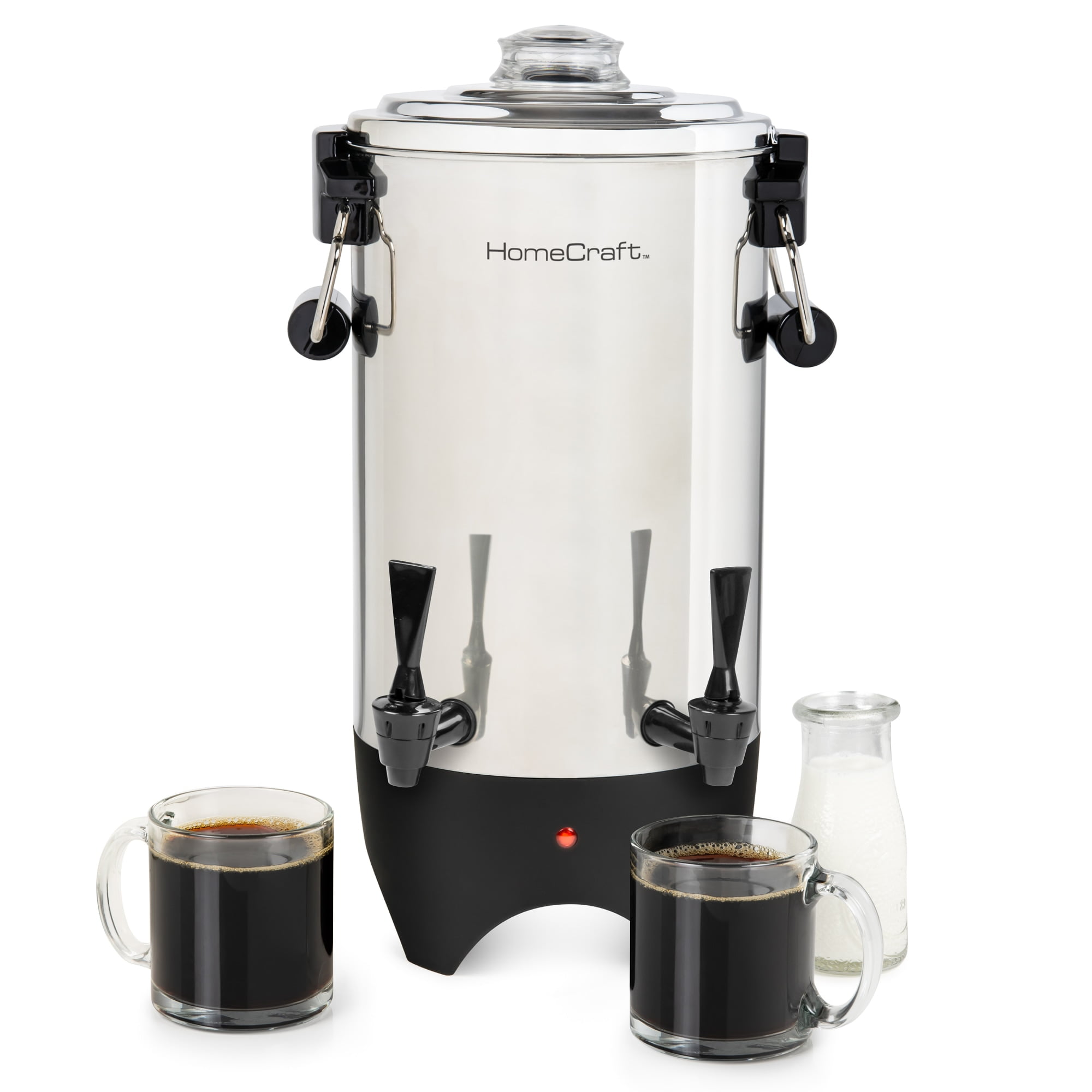
Brewing Tips For Large Quantities
Brewing coffee in a 30 cup coffee maker requires some extra care to ensure each cup tastes great. Large quantities can sometimes lead to uneven flavors or stale coffee if not handled properly. Following simple brewing tips helps keep the coffee fresh and evenly brewed. These tips also save time and reduce waste.
Even Coffee Distribution
Distributing coffee grounds evenly is crucial for a smooth and balanced brew. When making a large batch, uneven distribution can cause some cups to be weak and others too strong. Here are some ways to ensure even coffee distribution:
- Use a flat-bottom filter: This helps spread water evenly over the grounds.
- Level the coffee grounds: After adding coffee, gently shake or tap the basket to level the grounds.
- Avoid packing the grounds: Do not press down the coffee; allow water to flow freely.
- Stir the grounds slightly: For some machines, lightly stirring the grounds before brewing can help.
Here is a simple table to guide coffee to water ratios for a 30 cup coffee maker:
| Number of Cups | Coffee Grounds (Tablespoons) | Water (Ounces) |
|---|---|---|
| 30 | 15-18 | 180 |
Use fresh, medium grind coffee for best results. This grind size allows water to flow well and extract flavors evenly. Consistency in grind size also helps avoid clogs or over-extraction.
Maintaining Coffee Freshness
Keeping coffee fresh after brewing a large batch is key to good taste. Coffee starts to lose flavor quickly once brewed. Follow these tips to maintain freshness:
- Use a thermal carafe: It keeps coffee hot without burning the flavor, unlike a hot plate.
- Brew only what you need: Make smaller batches if coffee will sit for a long time.
- Store leftover coffee properly: Use an airtight container if you must save coffee for later.
- Avoid reheating: Reheating coffee can make it taste bitter and flat.
Here are key storage tips:
- Keep coffee away from light, heat, and air.
- Use a clean container for storing leftover coffee.
- Drink coffee within 30 minutes for best flavor.
These simple steps help you enjoy fresh coffee even when brewing large amounts. Freshness and even brewing bring out the best taste from your 30 cup coffee maker.
Common Mistakes To Avoid
Brewing coffee in a 30 cup coffee maker can be tricky. Many make mistakes that affect taste and strength. Avoiding common errors helps you get the perfect cup every time. Understanding the right coffee amount and proper brewing time is key. Here are two common mistakes to watch out for.
Using Too Much Or Too Little Coffee
Using the wrong amount of coffee is a frequent mistake. Too much coffee makes the brew bitter and strong. Too little coffee results in weak, watery flavor. Both ruin the experience.
For a 30 cup coffee maker, the general rule is:
- 1 to 2 tablespoons of coffee per 6 ounces of water.
- Since 30 cups usually equal 180 ounces, use about 30 to 60 tablespoons of coffee.
Here is a simple guide:
| Water Volume (Ounces) | Recommended Coffee Amount (Tablespoons) |
|---|---|
| 180 (30 cups) | 30 – 60 |
Remember, personal taste matters. Start with the middle range and adjust as you like.
- Too much coffee: Over-extraction causes bitterness and harshness.
- Too little coffee: Under-extraction leads to weak and dull coffee.
Measure coffee carefully using a scoop or tablespoon. Avoid guessing amounts to keep flavor consistent. Avoid adding extra coffee hoping for stronger taste. Instead, adjust the coffee-to-water ratio gradually.
Ignoring Brew Time
Brew time affects coffee flavor and strength a lot. Ignoring it causes problems, even with the right coffee amount.
For a 30 cup coffee maker, optimal brew time is usually between 8 and 12 minutes. Shorter or longer times hurt taste.
- Too short brew time: Coffee tastes weak, sour, or under-extracted.
- Too long brew time: Coffee becomes bitter and over-extracted.
Many assume brew time is fixed, but it varies by machine and coffee grind size. Coarser grinds need longer brew times. Finer grinds need less.
Use a timer to track brew time accurately. Avoid walking away without checking. Many machines have automatic shut-off, but manual timers are helpful.
Here is a quick reference for brew time by grind size:
| Grind Size | Recommended Brew Time |
|---|---|
| Coarse | 10 – 12 minutes |
| Medium | 8 – 10 minutes |
| Fine | 6 – 8 minutes |
Controlling brew time ensures balanced extraction. It prevents bitterness and weak coffee. Keep an eye on this step for the best results.

Cleaning And Maintenance
Cleaning and maintenance are key to keeping a 30 cup coffee maker working well. Regular care stops problems and keeps the coffee tasting fresh. A clean machine brews better coffee and lasts longer. Simple habits can prevent residue build-up and protect parts inside the coffee maker. This saves money on repairs and replacement. Below, learn easy steps to keep your coffee maker in top shape.
Preventing Residue Build-up
Residue from coffee oils and minerals in water can clog your coffee maker. This makes coffee taste bitter and slows brewing. Cleaning stops residue from building up inside the machine.
- Rinse after every use. Empty the pot and run plain water through the machine.
- Use mild soap. Wash removable parts like the basket and pot with warm, soapy water weekly.
- Descale monthly. Use a vinegar solution or a commercial descaler to remove mineral deposits.
Here is a simple table showing common residue and how to clean it:
| Residue Type | Source | Cleaning Method |
|---|---|---|
| Coffee Oils | Brewed coffee | Wash parts with warm, soapy water |
| Mineral Deposits | Hard water | Run vinegar or descaler monthly |
| Mold | Moisture left in machine | Dry parts thoroughly after cleaning |
Prevent residue by using filtered water to reduce minerals. Clean the machine even if you don’t use it daily. Residue can build up quickly and harm your coffee maker’s performance.
Extending Coffee Maker Lifespan
Proper care helps your 30 cup coffee maker last many years. Machines that are cleaned and maintained regularly work better and avoid costly repairs. Here are tips to extend its lifespan:
- Follow manufacturer instructions. Use recommended cleaning products and methods.
- Check and replace parts. Filters and gaskets wear out and need replacement.
- Keep the machine dry. Moisture causes rust and mold growth.
- Avoid overfilling. Use the right amount of water and coffee grounds.
- Store properly. Unplug and clean the machine if unused for a long time.
Use this maintenance checklist every month:
| Task | Frequency | Benefit |
|---|---|---|
| Clean removable parts | Weekly | Prevents residue and odor |
| Descale machine | Monthly | Removes mineral buildup |
| Inspect gaskets and seals | Every 3 months | Stops leaks and maintains pressure |
| Run water cycle only | After each use | Cleans internal pipes |
Simple care means your coffee maker works like new longer. Save money and enjoy fresh coffee every day by keeping your 30 cup coffee maker clean and well maintained.
Frequently Asked Questions
How Much Coffee Grounds For A 30 Cup Coffee Maker?
Use about 15 to 18 tablespoons of coffee grounds for a 30 cup coffee maker. This amount ensures a balanced flavor without being too weak or too strong.
How Many Ounces Is A Cup In A 30 Cup Coffee Maker?
A “cup” in a 30 cup coffee maker usually equals 5 ounces. This differs from the standard 8-ounce cup, so adjust your coffee measurement accordingly.
Can I Use Regular Coffee Scoop For A 30 Cup Maker?
Regular coffee scoops hold about 2 tablespoons of coffee. For a 30 cup maker, use 7 to 9 scoops to achieve a perfect brew.
How To Make Strong Coffee In A 30 Cup Machine?
To make strong coffee, increase coffee grounds to 20 tablespoons. Use fresh, quality beans and brew at the right temperature for best results.
Conclusion
A 30 cup coffee maker needs about 1. 5 to 2 cups of coffee grounds. This amount makes strong and tasty coffee for many people. Using the right coffee amount saves you from weak or bitter coffee. Measure your coffee carefully each time you brew.
Enjoy fresh coffee with the perfect balance every time. Simple steps bring great coffee to your cup. Keep these tips in mind for daily brewing. Your coffee will taste better and last longer.
Leave a Reply