
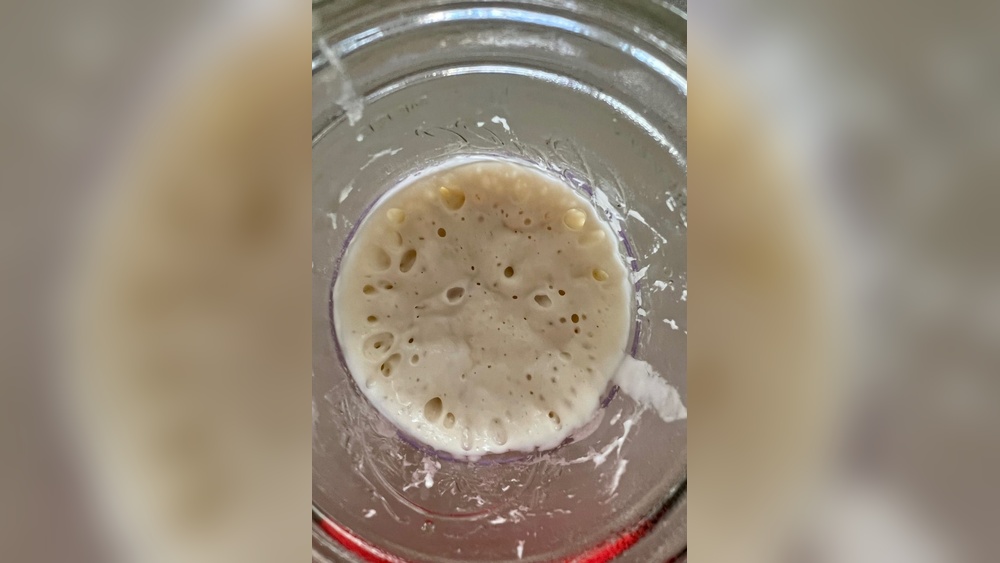
Sourdough bread tastes great because of a special mix called a sourdough starter. This starter has tiny living things called wild yeast and bacteria. They help the bread rise and give it a nice flavor. But sometimes, the starter can go bad. How do you know if your sourdough starter is bad? This guide will help you find out. We will talk about signs to watch for and what to do if your starter is not good.
What Is a Sourdough Starter?
A sourdough starter is a mix of flour and water. When you leave it out, wild yeast and good bacteria grow inside. These little helpers make the dough rise without adding store-bought yeast. They also give bread a tangy taste. To keep the starter alive, you feed it with fresh flour and water every day or every few days.

Why Does a Sourdough Starter Go Bad?
Sometimes your starter might not be healthy. It can go bad because:
- You did not feed it often enough.
- You kept it in a very hot or very cold place.
- The container or tools were not clean.
- Bad bacteria or mold grew in it.
If your starter goes bad, it will not work well to make bread. It might smell or look strange. You need to check it carefully to know if it is still good.
Signs Your Sourdough Starter Is Bad
Here are some easy ways to tell if your sourdough starter is bad. Look for these signs:
1. Strange Or Bad Smell
A healthy starter smells sour but pleasant. It can smell like yogurt or vinegar. But if the smell is very bad, like rotten food, garbage, or nail polish remover, it might be bad. A strong, nasty smell is not normal. You should not use a starter that smells this way.
2. Mold Growth
Check the surface of the starter. If you see green, black, or pink fuzzy spots, that is mold. Mold is bad and dangerous. Do not try to scoop it off and use the rest. Throw the whole starter away. Mold means the starter is spoiled and unsafe.
3. Pink Or Orange Color
A good starter is usually white or light cream. If your starter turns pink, orange, or red, this is a bad sign. This color change means bad bacteria are growing. You should throw out the starter if it changes color like this.
4. No Bubbles Or Activity
A healthy starter makes bubbles and grows after feeding. Bubbles show the yeast is alive and working. If your starter never makes bubbles or grows, it might be dead. Sometimes, you can try to feed it more and see if it wakes up. But if it stays inactive for many days, it is better to start fresh.
5. Very Thin Or Watery
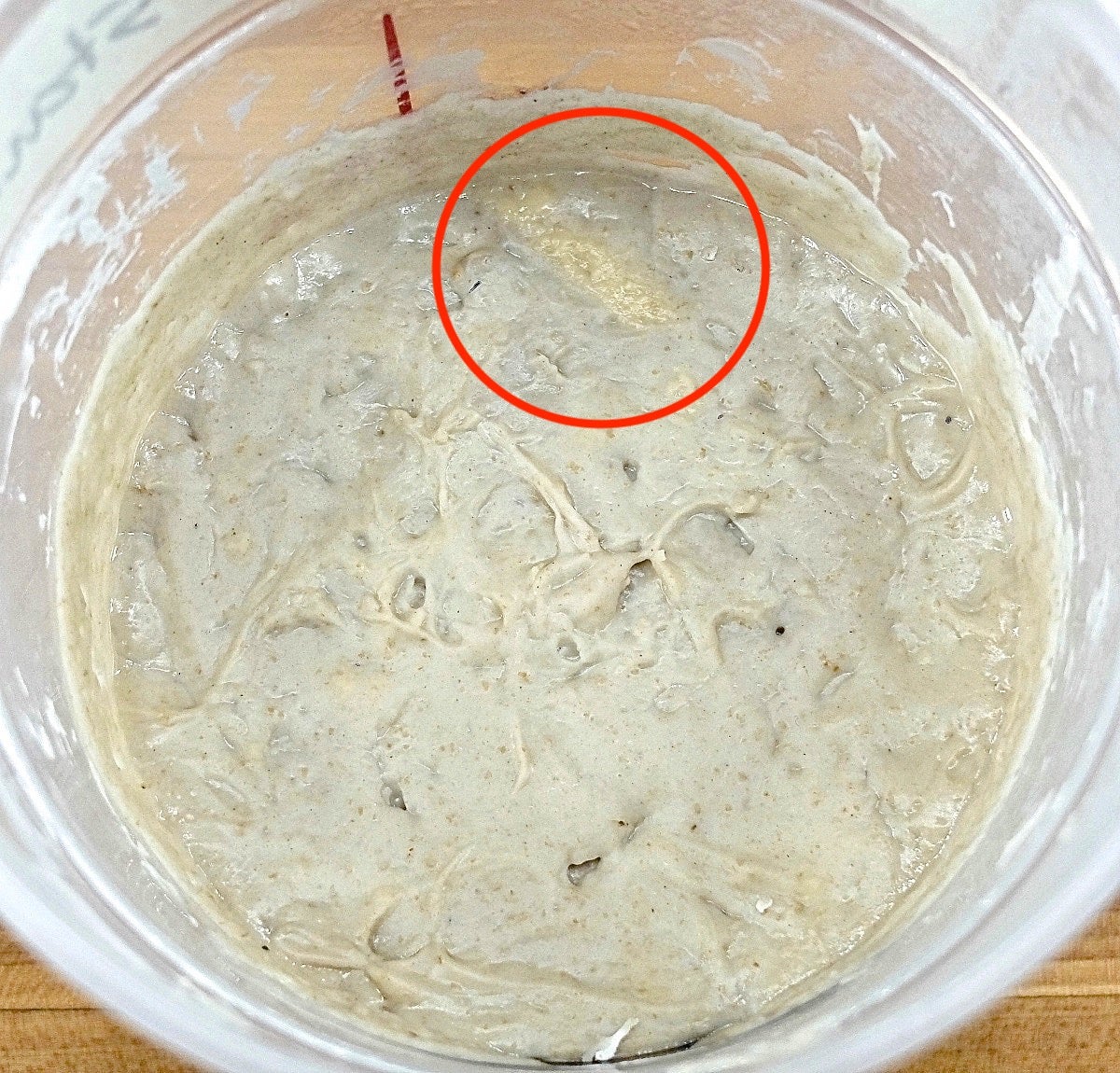
Sometimes, a starter can separate into layers. The top layer looks like water and is called “hooch.” A small amount of hooch is normal and shows your starter is hungry. You can pour it off or stir it back in before feeding. But if your starter is very watery all the time and never thickens, it might be bad.
How to Check Your Sourdough Starter Step by Step
Here is a simple way to check your starter:
- Look closely at the starter’s color and surface.
- Smell the starter to notice any strange odors.
- Stir the starter gently to see if it is thick or watery.
- Feed the starter with equal parts flour and water.
- Watch for bubbles and growth over 6 to 12 hours.
If your starter passes these checks, it is good to use. If you see mold or bad colors, throw it away immediately. If it smells very bad or shows no bubbles after feeding, it might be dead.
What to Do If Your Starter Is Bad
If you find your starter is bad, do not try to fix it. Throw it away and start a new one. Here are steps to start fresh:
- Clean your jar or container well with hot water.
- Mix equal parts flour and water to make a new starter.
- Keep the new starter at room temperature.
- Feed it every day with fresh flour and water.
- Watch for bubbles and a sour smell after a few days.
Starting fresh is easier than trying to save a bad starter.
Tips to Keep Your Sourdough Starter Healthy
To avoid bad starters, follow these tips:
- Feed your starter regularly, at least once every 24 hours.
- Keep your starter in a clean jar.
- Use clean spoons and tools when handling it.
- Store your starter at room temperature if you bake often.
- If you bake less, keep it in the fridge and feed weekly.
- Always watch the smell and appearance before using it.
Good care helps your starter stay alive and ready for baking.
Summary Table: Signs Your Sourdough Starter Is Bad
| Sign | What It Means | Action |
|---|---|---|
| Bad Smell (rotten, garbage) | Starter is spoiled | Throw away starter |
| Mold (green, black, pink) | Dangerous to use | Throw away starter |
| Pink or Orange Color | Bad bacteria present | Throw away starter |
| No Bubbles or Growth | Starter may be dead | Try feeding; if no change, discard |
| Very Watery or Thin | Starter is weak or spoiled | Feed well or discard if no improvement |
Final Thoughts
Knowing if your sourdough starter is bad helps you bake better bread. Look for bad smells, strange colors, and mold. Watch if your starter bubbles and grows after feeding. If it is bad, start fresh with clean tools and fresh flour. Take good care of your starter and it will make tasty bread for you. Baking with a healthy starter is fun and rewarding. Happy baking!
Frequently Asked Questions
How Do I Know If My Sourdough Starter Smells Bad?
A bad sourdough starter smells very sour, like rotten or nail polish. Fresh starters have a tangy, pleasant smell. Trust your nose for the best clue.
What Color Changes Show A Sourdough Starter Is Spoiled?
Spoiled starters can turn pink, orange, or gray. White mold on top is also a bad sign. Healthy starters are creamy or light tan.
Can Mold On Sourdough Starter Be Saved?
Mold means the starter is unsafe to use. It’s best to discard it and start fresh. Mold can cause health risks.
Why Is My Sourdough Starter Not Bubbling?
No bubbles mean the starter is inactive or dead. It may need more warmth or feeding. A lively starter always bubbles and grows.
Leave a Reply