
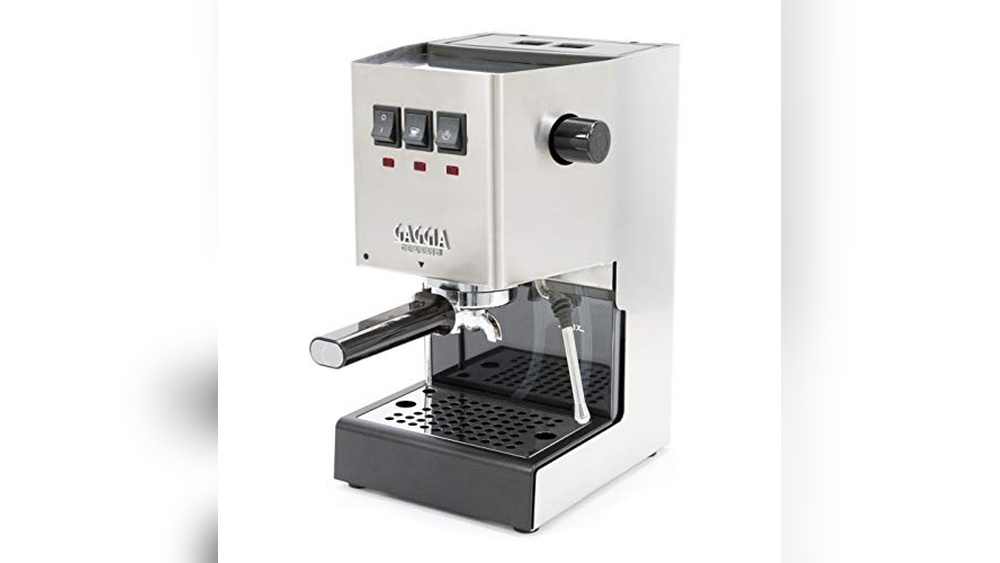
Comparing the Gaggia Ri9380/46 E24 and the Gaggia Ri9380/48 Classic Evo Pro Espresso Machines reveals subtle differences in design and usability. Both are semi-automatic machines built for espresso enthusiasts who value quality and precision. They share many features but cater to slightly different preferences.
The main difference lies in their size and styling, which influences how they fit into various kitchen spaces.
After reading, you will be able to decide which espresso machine better suits your daily coffee routine and kitchen setup.
Choosing Between Two Classic Semi-automatic Espresso Machines
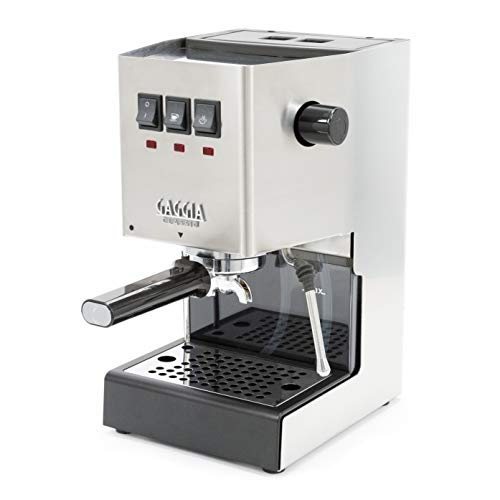
- Choose E24 Stainless Steel if you prefer a compact machine with a brushed metal finish.
- Pick Classic Evo Pro for a larger machine with a clean polar white design.
- Go with E24 if you have limited counter space but want commercial-grade components.
- Classic Evo Pro is better suited if you prefer a slightly bigger machine that can fit larger cups.
- Both machines are made in Italy and offer 9 bar espresso pressure and commercial steam wands.
Day-to-day Experience With These Espresso Machines
The E24 Stainless Steel feels solid and compact on my kitchen counter. Its smaller footprint makes it easy to handle and clean. The commercial portafilter and steam wand work well for daily espresso and milk frothing. It’s straightforward and reliable for morning routines.
The Classic Evo Pro offers a bigger presence and slightly more room for maneuvering cups and steam wand. Using it feels a bit more spacious, which helps during busy coffee moments. It also delivers consistent shots with the same solid build quality. Overall, it’s practical for those with more counter space.
Quick Look At The E24 Stainless Steel Espresso Machine
Best Uses for the E24 Stainless Steel
- Ideal for small kitchens or limited counter space.
- Great for users wanting a durable brushed stainless steel finish.
- Works well for daily espresso and milk frothing needs.
- Suitable for those who prefer a solid, compact espresso machine.
Where the E24 Stainless Steel May Fall Short
- Smaller size means less room for taller cups or mugs.
- The compact design may feel tight for some when accessing parts.
Overview Of The Classic Evo Pro Espresso Machine

Where Classic Evo Pro Fits Best
- Suitable for kitchens with more counter space.
- Works well for those who prefer a white finish and larger machine size.
- Good for users who want easier access to the steam wand and portafilter.
- Ideal if you use taller cups or multiple coffee styles.
Limitations of the Classic Evo Pro
- Larger footprint may not fit smaller kitchen spaces.
- Slightly heavier, which may affect repositioning.
Comparing Practical Features For Home Espresso Brewing
In daily use, I compared these machines based on size, ease of use, and how they fit into kitchen spaces. Both deliver solid espresso shots with similar pressure and steaming capabilities. The main differences showed up in handling and setup.
How Does Size Affect Kitchen Fit?
Size is a key factor when choosing between these models. One is more compact, the other larger.
| Aspect | E24 Stainless Steel | Classic Evo Pro |
|---|---|---|
| Height | About 5.6 inches | About 14.2 inches |
| Width | 3.7 inches | 9.5 inches |
| Length | 3.1 inches | 8.0 inches |
| Weight | 20.0 pounds | 19.2 pounds |
Ratings: E24 Stainless Steel – 7/10 | Classic Evo Pro – 8/10
Edge: The Classic Evo Pro suits users with more space and a preference for a bigger machine, while the E24 fits compact areas better.
Which Machine Is Easier to Use Daily?
Ease of use depends on access to controls and cleaning comfort.
| Aspect | E24 Stainless Steel | Classic Evo Pro |
|---|---|---|
| Access to Portafilter | Tighter space, but manageable | More room to handle parts |
| Steam Wand Handling | Standard commercial wand | Same wand with easier positioning |
| Cleaning | Compact design requires careful cleaning | More space simplifies cleaning |
| User Interface | Simple and straightforward | Similar simplicity with added space |
Ratings: E24 Stainless Steel – 7/10 | Classic Evo Pro – 8/10
Edge: Classic Evo Pro offers a slightly more comfortable daily experience due to space and handling.
How Do They Compare in Build Quality?
Both machines are solidly built with commercial components.
| Aspect | E24 Stainless Steel | Classic Evo Pro |
|---|---|---|
| Housing | Solid steel, brushed finish | Solid steel, white finish |
| Portafilter | Stainless steel 58mm commercial | Stainless steel 58mm commercial |
| Pressure | 9 bar espresso extraction | 9 bar espresso extraction |
| Steam Wand | Commercial three-way solenoid valve | Commercial three-way solenoid valve |
Ratings: E24 Stainless Steel – 8/10 | Classic Evo Pro – 8/10
Edge: Both machines offer equally reliable build quality.
Which Model Offers Better Value for Daily Espresso?
Value depends on space, ease, and personal preferences.
| Aspect | E24 Stainless Steel | Classic Evo Pro |
|---|---|---|
| Price | Comparable pricing | Comparable pricing |
| Size Suitability | Best for small spaces | Better for larger counters |
| Usability | Compact but efficient | More room for comfort |
| Durability | Strong metal housing | Strong metal housing |
Ratings: E24 Stainless Steel – 7/10 | Classic Evo Pro – 8/10
Edge: The Classic Evo Pro slightly edges out for value if space is not a constraint.
Long-term Experience And Trust In These Espresso Machines
Both machines have a learning curve typical of semi-automatic espresso makers. Getting consistent results requires some practice, but the controls are straightforward. Over time, they deliver reliable performance with few surprises.
Users can trust these machines for daily use thanks to their sturdy construction and commercial-grade parts. This builds peace of mind knowing the machine will hold up well and remain consistent in making espresso.
Deciding Which Classic Semi-automatic Espresso Machine Fits Your Needs
The E24 Stainless Steel is a sensible choice for those with limited counter space or who prefer a compact, metal-finished machine. It performs well and fits into smaller kitchens without compromising on espresso quality.
The Classic Evo Pro suits users who have more space and want a larger machine with easier access to parts and a white aesthetic. It offers a slightly more comfortable daily experience and handles larger cups better.
Both are solid options, so your choice depends mostly on kitchen space and personal preferences for size and style.
Common Questions About Gaggia Ri9380/46 E24 Vs Gaggia Ri9380/48 Classic Evo Pro Espresso Machine
Are the espresso quality and pressure the same for both machines?
Yes, both machines operate at 9 bar pressure and use commercial portafilters, so espresso quality is comparable.
Which machine is easier to clean?
The Classic Evo Pro has more space around components, making cleaning easier. The E24 is compact, so it requires more careful cleaning.
Can I use tall cups with both machines?
The Classic Evo Pro accommodates taller cups better due to its larger size. The E24 may be limited in this regard because of its compact design.
Do both machines have the same steam wand functionality?
Yes, both have a commercial three-way solenoid valve steam wand that performs similarly for milk frothing.
Is the build quality noticeably different between the two?
No, both have solid steel housing made in Italy and similar commercial-grade parts, so build quality is consistent.
Which machine is better for a small kitchen?
The E24 Stainless Steel is better suited for small kitchens due to its smaller footprint.
Are there differences in weight that affect handling?
The E24 weighs slightly more but is smaller, while the Classic Evo Pro is lighter but bigger. Handling depends more on size than weight alone.
Leave a Reply