

Baking ribs at home is a favorite for many people. It is easy and makes tasty food. But some cooks wonder if they should put water in the pan when baking ribs. This question is common. Let’s talk about it clearly and simply.
Why Do People Bake Ribs?
Baking ribs is a slow cooking method. It helps make the meat soft. The heat from the oven cooks the ribs evenly. It also helps keep the ribs juicy and tasty. Many people like baking ribs instead of grilling or smoking.
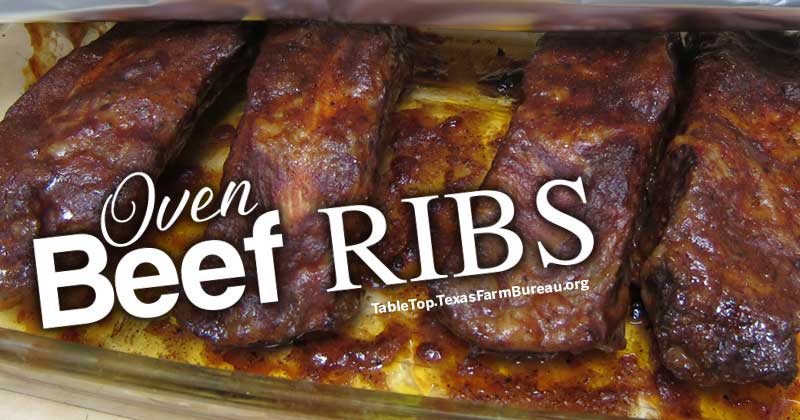
What Happens When You Bake Ribs?
When you bake ribs, the heat cooks the meat. The meat slowly gets tender. The fat inside the ribs melts. This keeps the ribs moist and soft. But sometimes the oven can dry the meat. This makes the ribs less tasty.
Should You Put Water In The Pan?
This is the main question. Many cooks put water in the pan when baking ribs. Why? Water in the pan makes steam. Steam helps keep the ribs moist. It stops the oven from drying the meat. The ribs stay juicy and soft.
Without water, the ribs can dry out. The oven air is hot and dry. So, water helps keep a good cooking environment inside the pan.
How Much Water Should You Use?
You do not need a lot of water. Just a little bit, about 1 cup or 250 milliliters. The water should cover the bottom of the pan. It should not touch the ribs. The ribs should sit on a rack above the water. This way, they cook with steam but do not get soggy.
What Kind of Pan Works Best?
Use a deep baking pan or a roasting pan. Make sure the pan can hold water without spilling. You can use a metal or glass pan. Put a rack inside the pan. The rack keeps the ribs above the water. This helps the ribs cook well.
Benefits of Adding Water in the Pan
- Keeps ribs juicy: Steam stops ribs from drying out.
- Even cooking: Steam helps heat spread around the ribs.
- Soft meat: Moisture breaks down tough meat fibers.
- Better flavor: Juicy ribs taste better.
What If You Do Not Put Water?
If you bake ribs without water, the oven air is dry. The ribs might lose moisture. They can become tough or dry. But some people like a crispy outside. Without water, the ribs can get a crust. It depends on your taste.
Without water, watch the ribs closely. You may need to check often. You can also cover the ribs with foil to keep moisture inside. This helps if you do not want to add water.
Other Liquids You Can Use Instead of Water
Water is the most common liquid. But you can try others for more flavor:
- Apple juice: Adds sweetness and moisture.
- Broth or stock: Gives a rich taste.
- Beer: Adds a slight bitterness and aroma.
- Vinegar mixtures: Helps tenderize meat.
These liquids also create steam and keep ribs moist. Choose one you like for better flavor.
Step-by-Step Guide to Baking Ribs with Water in the Pan
- Preheat your oven to 275°F (135°C).
- Prepare ribs by removing the silver skin if needed.
- Season ribs with salt, pepper, or your favorite spices.
- Place a rack inside a deep pan.
- Pour about 1 cup of water into the pan, below the rack.
- Put the ribs on the rack, meat side up.
- Cover the pan tightly with foil to trap steam.
- Bake for 2.5 to 3 hours until ribs are tender.
- Remove foil and bake for 10-15 minutes to brown ribs.
- Take ribs out and let them rest before serving.
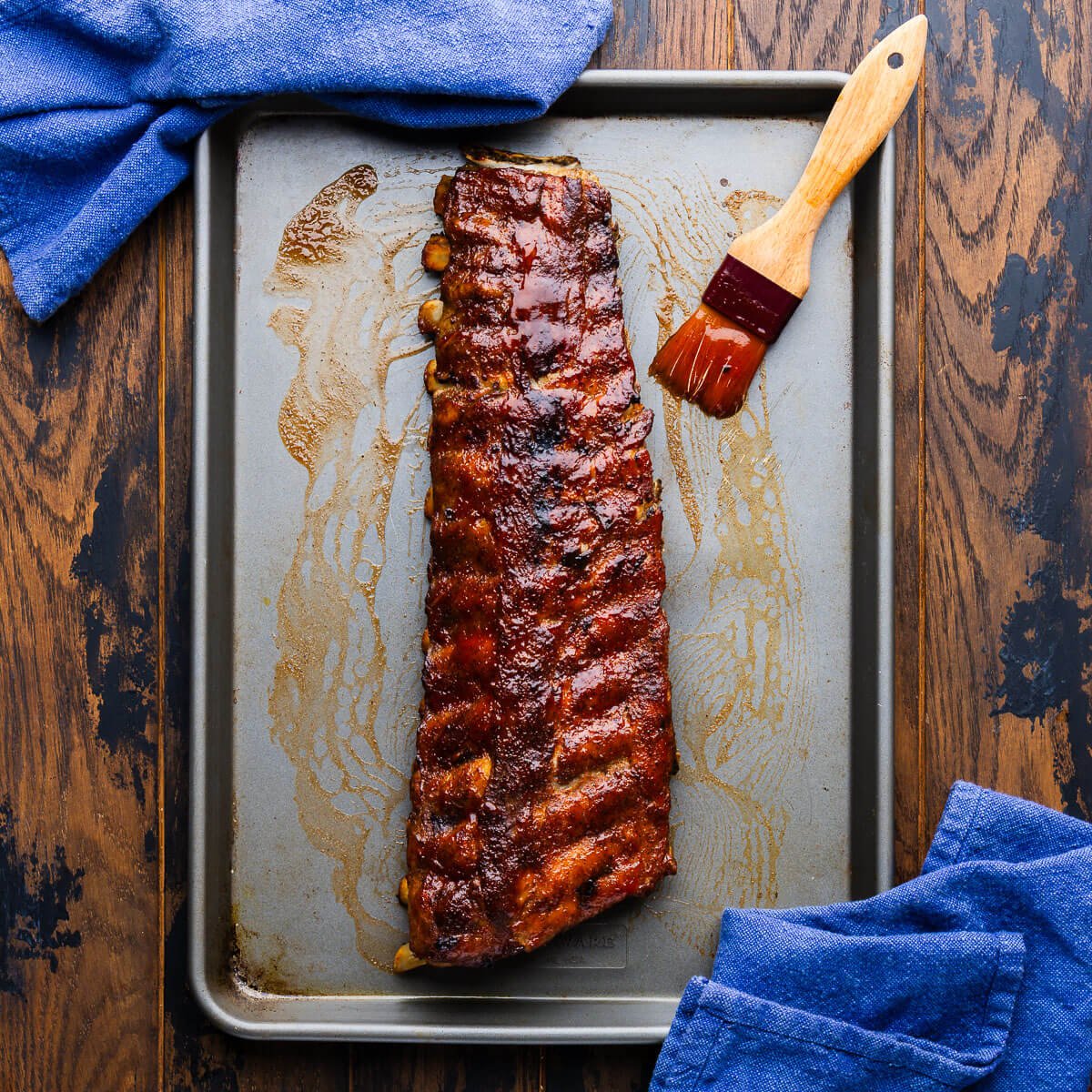
Tips for Perfect Baked Ribs
- Low and slow: Bake at low heat for best texture.
- Use foil: Keeps steam inside the pan.
- Don’t skip seasoning: Spices add flavor.
- Rest the ribs: Let the meat juices settle before eating.
- Check water level: Add more water if it dries out.
How Does Steam Help the Ribs?
Steam from the water keeps the oven moist. Moist air stops the ribs from drying. It also helps heat reach all parts of the ribs. This makes the ribs soft and juicy. Steam breaks down the tough fibers in the meat. So the ribs are easy to chew and taste good.
Common Mistakes to Avoid
- Putting too much water. It can make ribs soggy.
- Not using a rack. Ribs can sit in water and get mushy.
- Skipping foil cover. Steam escapes and ribs dry out.
- Cooking at too high temperature. Ribs cook unevenly and dry.
- Not checking water during long cooking. Pan can dry out.
Summary Table: Water in the Pan When Baking Ribs
| Question | Answer |
|---|---|
| Do you put water in the pan? | Yes, to keep ribs moist and tender. |
| How much water? | About 1 cup (250 ml), just enough to cover pan bottom. |
| Should ribs touch water? | No, use a rack to keep ribs above water. |
| What if no water? | Ribs may dry out or get crispy, depends on taste. |
| Other liquids to use? | Apple juice, broth, beer, or vinegar mix. |
Final Thoughts
Adding water in the pan when baking ribs is a good choice. It helps keep ribs soft and juicy. Steam from the water protects ribs from drying. Using a rack and foil makes the best results. You can try other liquids for new flavors. If you want crisp ribs, try baking without water but watch carefully.
Remember, cooking ribs is about patience and care. Water in the pan is a simple way to improve your ribs. Give it a try next time you bake ribs. Enjoy your tasty and tender meal!
Frequently Asked Questions
Do You Need Water In The Pan When Baking Ribs?
Water in the pan helps keep ribs moist during baking. It creates steam that prevents drying out. Many cooks find it improves tenderness.
Can Water Affect The Flavor Of Baked Ribs?
Water itself does not add flavor to ribs. It mainly keeps the meat juicy. For more taste, add spices or sauces.
How Much Water Should I Put In The Pan For Ribs?
Use about one cup of water in the pan. This amount creates enough steam without making ribs soggy. Adjust if your pan is very large.
What Happens If I Bake Ribs Without Water?
Without water, ribs can dry out and become tough. The oven heat may cook too fast. Moisture helps ribs stay soft and tender.
Leave a Reply