
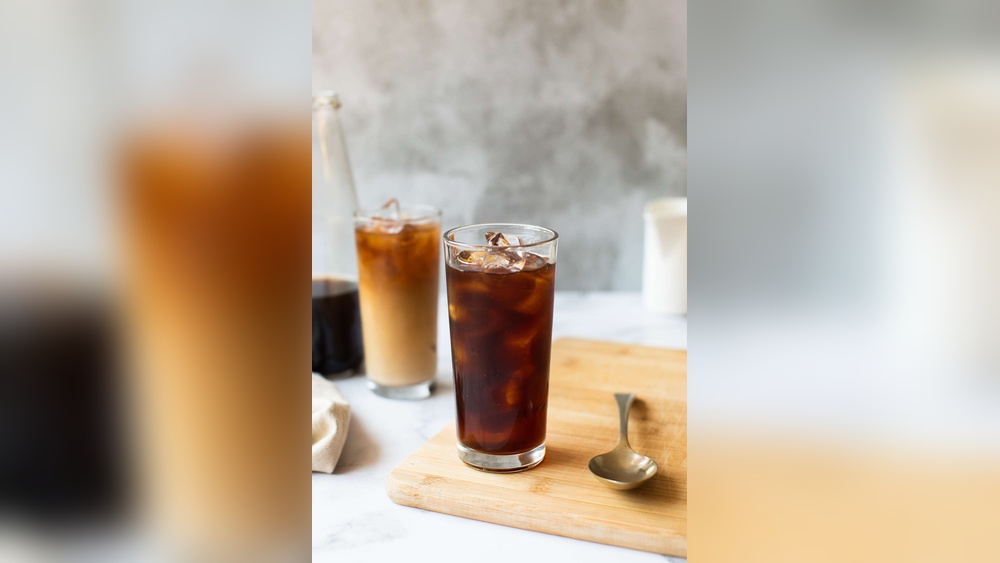
Cold brew iced coffee has become a favorite drink for many coffee lovers worldwide. With its smooth, less acidic taste and refreshing coldness, it’s more than just another way to enjoy coffee—it’s an experience. Whether you’re new to cold brew or want to perfect your technique, understanding what makes this drink special can help you enjoy it even more.
Let’s explore what cold brew iced coffee is, how it differs from other coffee drinks, the best way to make it at home, and tips to get the most out of your brew.
What Is Cold Brew Iced Coffee?
Cold brew iced coffee is made by steeping coarse-ground coffee beans in cold water for an extended period, usually 12 to 24 hours. Unlike traditional hot coffee or even iced coffee (which is brewed hot and then cooled), cold brew never touches hot water during its preparation. This slow, gentle extraction results in a drink that’s often described as smooth, slightly sweet, and low in acidity.
You can drink cold brew on its own, over ice, or mix it with milk, cream, or flavored syrups. Many coffee shops now offer cold brew as a staple, but making it at home is simple and cost-effective.
Cold Brew Vs. Iced Coffee: What’s The Difference?
It’s easy to confuse cold brew with iced coffee, but they are not the same. The brewing process, taste, and even caffeine content can be very different.
| Feature | Cold Brew | Iced Coffee |
|---|---|---|
| Brewing Method | Steeped in cold water for 12-24 hours | Brewed hot, then cooled |
| Taste | Smooth, mellow, less acidic | Brighter, more acidic, sometimes bitter |
| Caffeine | Often higher (per ounce of concentrate) | Lower than cold brew concentrate |
| Serving | Usually diluted or served over ice | Served over ice, sometimes sweetened |
A key insight: because cold brew is a concentrate, you can control its strength by diluting it with water or milk. Some people find iced coffee tastes “watered down” because of the melting ice, while cold brew keeps its flavor even as the ice melts.
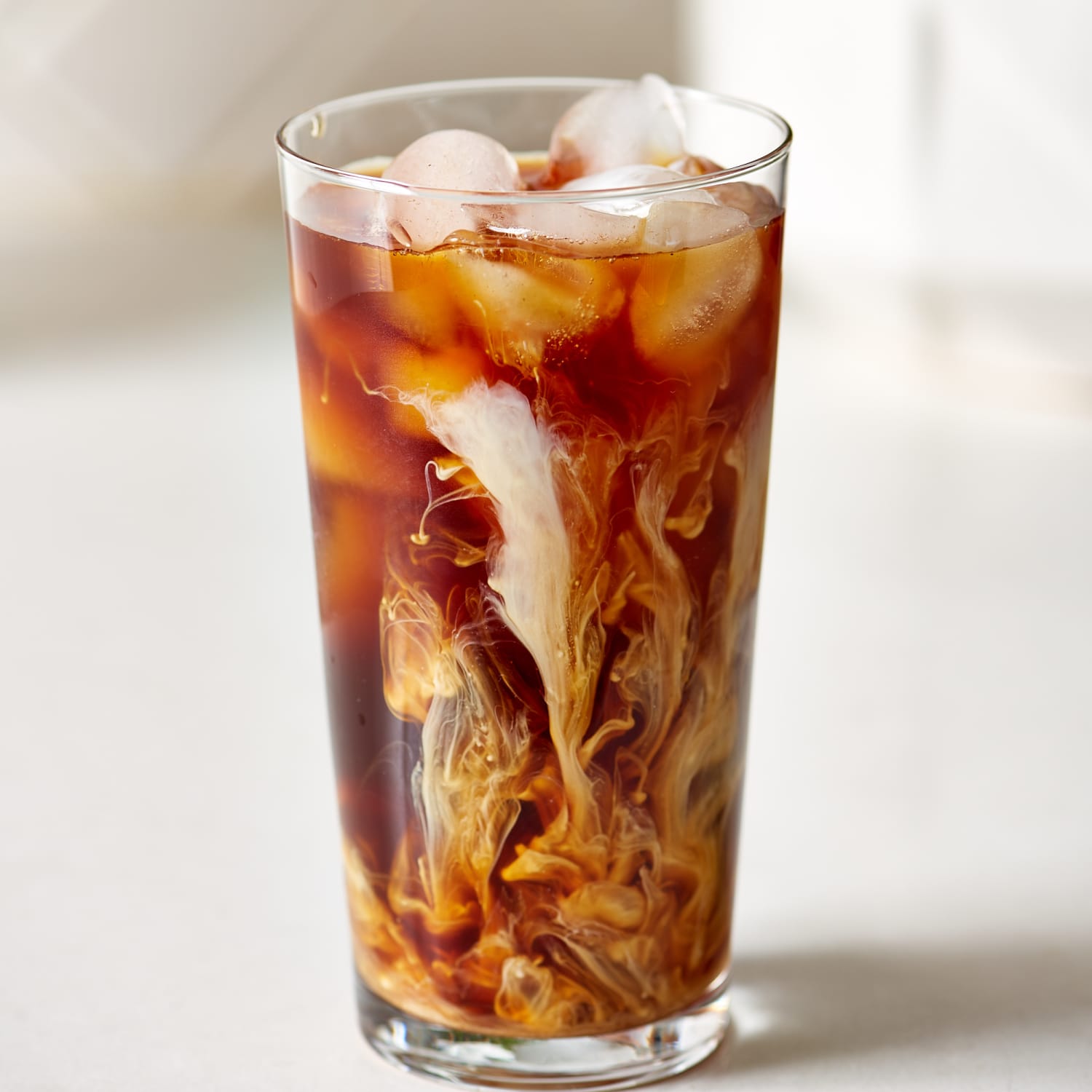
The Science Behind Cold Brew
Cold water extracts flavors from coffee more slowly than hot water. This means fewer bitter compounds and acids dissolve into your drink. The result is a beverage with about 67% less acidity than hot-brewed coffee, which is why many people with sensitive stomachs prefer it.
Cold brew also highlights different flavor notes. You might notice chocolate, caramel, or floral hints that can be hidden in hot coffee’s stronger flavors. The lower acidity and sweetness make it a unique drinking experience.
How To Make Cold Brew Iced Coffee At Home
Making cold brew iced coffee at home is simple, and you don’t need any fancy equipment. Here’s a step-by-step guide:
What You’ll Need
- Coarse-ground coffee beans: Medium or dark roast works best (about 1 cup or 80 grams).
- Cold, filtered water: About 4 cups (1 liter).
- A large jar or pitcher
- A fine-mesh strainer or cheesecloth
- A spoon
- A refrigerator
Step-by-step Instructions
- Measure and Grind Coffee: Use a ratio of 1:4 (coffee to water). For a stronger concentrate, use more coffee. Grind your beans coarsely (like breadcrumbs) to prevent over-extraction and bitterness.
- Mix Coffee and Water: Add the coffee grounds to your jar. Pour cold water evenly over the grounds. Stir gently to make sure all the grounds are wet.
- Steep: Cover the jar and place it in the refrigerator. Let it steep for 12 to 24 hours. Longer steeping gives a stronger, richer flavor.
- Strain: After steeping, strain the mixture through a fine-mesh strainer or cheesecloth into another container. Repeat if needed to remove all grounds.
- Serve: Dilute the cold brew concentrate with water, milk, or a milk alternative. Pour over ice. Add sweetener or syrup if you like.
Example: Simple Cold Brew Recipe
- 1 cup (80 grams) coarsely ground coffee
- 4 cups (1 liter) cold, filtered water
- Steep for 16 hours in the fridge
- Strain and serve over ice
This recipe makes about 4 servings of cold brew. Adjust the ratio or steeping time to match your taste.
Choosing The Best Coffee Beans For Cold Brew
Not every coffee bean is the same, and your choice will affect the taste of your cold brew.
- Roast Level: Medium or dark roast beans give a richer, chocolatey flavor. Light roasts can taste sour in cold brew because the floral notes don’t extract well.
- Freshness: Use fresh beans for the best flavor. Pre-ground beans lose their taste quickly.
- Grind Size: Always grind your beans coarse. Fine grounds make the brew cloudy and hard to filter.
One non-obvious tip: Try single-origin beans from regions like Ethiopia or Brazil for unique flavors. Blends are also good if you want a balanced taste.
Cold Brew Ratios: How Strong Should It Be?
Cold brew is typically made as a concentrate. You can adjust the strength to match your taste.
| Ratio (Coffee:Water) | Steeping Time | Result |
|---|---|---|
| 1:4 | 12-16 hours | Strong, concentrated |
| 1:8 | 12-16 hours | Milder, ready to drink |
| 1:5 | 16-24 hours | Balanced, rich flavor |
Most people prefer to brew strong concentrate and dilute it before drinking. This gives flexibility for different tastes and recipes.
Cold Brew Iced Coffee Variations
Cold brew is more than just black coffee over ice. There are many ways to customize and enjoy it:
- With Milk or Cream: Add regular milk, cream, or plant-based alternatives for a creamy texture.
- Sweetened: Mix in simple syrup, honey, or flavored syrups (vanilla, caramel, hazelnut).
- Nitro Cold Brew: Cold brew infused with nitrogen gas for a creamy, foamy head—like draft beer. Available at some cafes.
- Cold Brew Lattes: Mix concentrate with milk and ice for a smoother, less intense latte.
- Cold Brew Cocktails: Use cold brew as a base for alcoholic drinks, like cold brew martinis.
A surprising fact: You can also heat cold brew concentrate to make a less acidic hot coffee if you want to avoid bitterness.
Common Mistakes To Avoid
Many beginners make simple mistakes that affect the taste and quality of their cold brew.
- Using the wrong grind size: Fine grounds over-extract, making the brew bitter and hard to filter.
- Not steeping long enough: Less than 12 hours gives a weak, sour drink.
- Storing too long: Cold brew concentrate is best used within 7 days when refrigerated. After this, flavor drops fast.
- Skipping the dilution: Drinking undiluted concentrate can be too strong and high in caffeine.
- Using poor water: Tap water with chlorine or minerals can ruin the flavor. Always use filtered water.
Paying attention to these details can make a big difference in your final drink.

Storing And Serving Cold Brew
Cold brew is easy to make in batches and store for later. After straining, keep the concentrate in a sealed jar in the fridge. It stays fresh for up to a week.
When serving, always pour over ice and dilute to taste. You can also use cold brew in recipes, like smoothies or desserts. Another tip: Freeze cold brew in ice cube trays. Add these cubes to your drink so it stays strong as the ice melts.
Health Benefits And Caffeine Content
Cold brew iced coffee is more than just tasty; it also offers some health benefits.
- Lower acidity: Easier on sensitive stomachs and teeth.
- Antioxidants: Like regular coffee, cold brew contains antioxidants that can support health.
- Customizable calories: By controlling milk and sweetener, you can keep calories low.
However, cold brew concentrate can have more caffeine than hot coffee. For example, one cup (8 ounces) of undiluted cold brew concentrate can contain 200 mg or more of caffeine, compared to about 95 mg in regular coffee. Always dilute to your comfort level.
Sustainability And Cost
Making cold brew at home is often more sustainable and affordable than buying from coffee shops. You can use reusable jars and filters, and buy beans in bulk. On average, homemade cold brew costs about 50–70% less than store-bought options.
Plus, you can control every ingredient, reduce waste, and enjoy your favorite flavors without leaving home.
Cold Brew Around The World
While cold brew is popular in the US, its roots go back centuries. The Japanese have made Kyoto-style cold brew since the 1600s, using a slow-drip method. In Vietnam, strong cold coffee is served with sweetened condensed milk over ice—a different style but similar in spirit.
Today, cold brew is found in coffee shops from London to Seoul, often with local twists. This global appeal shows how coffee culture continues to evolve.
Cold Brew For Beginners: Extra Tips
If you’re just starting, here are two insights that many beginners miss:
- Water matters as much as beans. If your cold brew tastes off, try changing your water. Filtered or spring water brings out the best flavors.
- Don’t rush the process. Cold brew needs time. Even if it looks dark after a few hours, the best flavors develop slowly.
Experiment with different beans, ratios, and steeping times to find your perfect cup.
Frequently Asked Questions
How Long Does Cold Brew Iced Coffee Last In The Fridge?
Cold brew concentrate lasts up to 7 days in the refrigerator if stored in a sealed container. After that, it starts to lose flavor and may taste stale.
Is Cold Brew Stronger Than Regular Coffee?
Yes, cold brew concentrate is usually stronger in caffeine than hot-brewed coffee. However, most people dilute it before drinking, so the final caffeine content can be similar or higher depending on your ratio.
Can I Make Cold Brew Without Special Equipment?
Absolutely! All you need is coarse coffee grounds, water, a jar, and a strainer or cheesecloth. No fancy tools are required.
Why Is My Cold Brew Bitter Or Sour?
Bitterness usually means the coffee was ground too fine or steeped too long. Sourness can come from not steeping long enough or using light roast beans. Adjust grind size, steeping time, or bean choice.
Where Can I Learn More About Cold Brew Coffee?
For a deep dive into coffee brewing techniques, check out the Wikipedia page on cold brew coffee.
Cold brew iced coffee is a simple, rewarding way to enjoy coffee. With a few ingredients and a bit of patience, you can create a drink that’s smooth, flavorful, and uniquely yours. Try making it at home, experiment with different beans and flavors, and enjoy your perfect cup of cold brew—any time of year.
:max_bytes(150000):strip_icc()/Simply-Recipes-Cold-Brew-Coffee-LEAD-16-428691bcdd594281b2f5dc6dbc8235e4.jpg)
Leave a Reply