
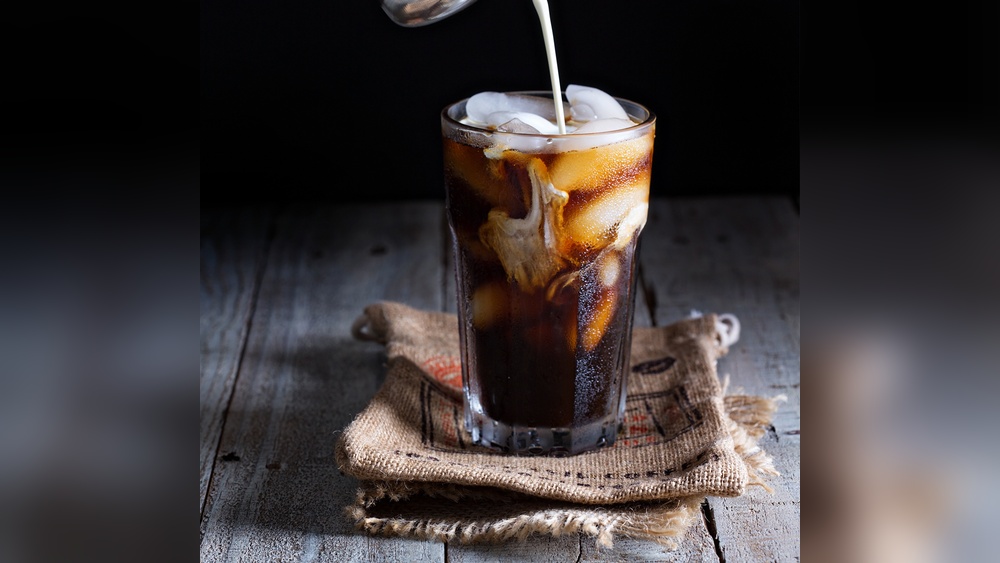
Classic Iced Coffee: The Ultimate Guide To A Timeless Refreshment
Few drinks can match the simple pleasure of a glass of classic iced coffee on a warm day. For many, it’s more than just a way to get caffeine—it’s a ritual, a treat, and sometimes even a work of art. But what exactly makes iced coffee “classic”? Why does this drink remain popular even with the rise of fancy coffees and cold brews? Whether you are just discovering iced coffee or want to master your homemade brew, this guide will take you through everything you need to know.
What Is Classic Iced Coffee?
Classic iced coffee is not just hot coffee poured over ice. It is a carefully prepared drink that balances strength, chill, and flavor. Traditionally, it’s made by brewing strong hot coffee, letting it cool, and then pouring it over ice. The result is a bold, refreshing beverage with all the rich notes of coffee, but with a cool twist.
Some confuse iced coffee with cold brew, but they are not the same. Cold brew uses cold water and a long steeping time, while classic iced coffee relies on heat to bring out the coffee’s flavors, followed by chilling. This gives classic iced coffee a brighter, more familiar coffee taste.
The History Of Iced Coffee
You might think iced coffee is a modern trend, but it actually has a long and interesting past. The first known iced coffee dates back to the 19th century in Algeria, where a drink called “Mazagran” mixed coffee syrup and cold water.
By the early 20th century, iced coffee was being served in cafes in Europe and the United States.
The popularity of iced coffee soared in the late 20th and early 21st century, especially as coffee chains like Starbucks and Dunkin’ Donuts began to offer it year-round. Today, iced coffee is a global phenomenon, enjoyed in many forms, from sweetened Vietnamese iced coffee to the simple American version.
Key Ingredients For Classic Iced Coffee
Making a great glass of iced coffee starts with the right ingredients. Here’s what you need:
- Freshly brewed coffee (medium or dark roast works best)
- Ice cubes
- Sweetener (sugar, syrup, or alternative)
- Milk or cream (optional, for creaminess)
- Flavorings (optional, like vanilla or cinnamon)
The quality of your coffee beans is crucial. Using stale or low-quality beans will make your iced coffee taste flat. If possible, grind your beans just before brewing for the freshest flavor.
Best Brewing Methods For Iced Coffee
You have a few options when it comes to brewing coffee for iced coffee. Each method creates a different flavor and strength. Here are the most popular:
Hot Brew, Then Chill
This is the traditional method for classic iced coffee. Brew your coffee as usual, let it cool a bit, then pour it over a glass filled with ice.
Tip: Brew your coffee a little stronger than usual to avoid a watery taste when the ice melts.
Japanese Iced Coffee (flash Brew)
This method brews hot coffee directly over ice, locking in the coffee’s aroma and brightness.
How it works: Use a pour-over or drip coffee maker. Place ice in the carafe or cup, then brew hot coffee directly onto the ice. This quick cooling keeps flavors sharp and fresh.
French Press
A French press is a handy tool for making strong coffee. Just brew as normal, let it cool slightly, and pour over ice. The French press brings out rich flavors and some extra body.
Espresso
For a more intense iced coffee, use espresso shots. This is the base for many cafe-style iced coffees. Add ice and milk for an iced latte, or just ice for a bold drink.
Comparison Of Brewing Methods
Here’s a quick look at how each method compares for iced coffee:
| Brewing Method | Flavor Profile | Strength | Best For |
|---|---|---|---|
| Hot Brew, Then Chill | Classic, balanced | Medium-strong | Everyday iced coffee |
| Japanese Iced Coffee | Bright, aromatic | Medium | Fresh, nuanced flavors |
| French Press | Rich, full-bodied | Strong | Robust taste lovers |
| Espresso | Intense, bold | Very strong | Espresso fans, iced lattes |

Step-by-step Recipe For Classic Iced Coffee
You don’t need fancy tools or special skills to make classic iced coffee at home. Here’s a simple recipe anyone can follow.
Ingredients
- 1 cup (240 ml) freshly brewed coffee (medium or dark roast)
- 1–2 teaspoons sugar (or as desired)
- 1/4 cup (60 ml) milk or cream (optional)
- 1 cup ice cubes
- Optional: A few drops of vanilla extract or a pinch of cinnamon
Instructions
- Brew your coffee. Use your preferred method, but make it a bit stronger than usual. For example, use 2 tablespoons of ground coffee per 6 ounces of water.
- Sweeten while hot. Add sugar or your chosen sweetener to the hot coffee. It dissolves better when hot.
- Let it cool slightly. Don’t pour boiling hot coffee over ice—it will melt the ice too quickly and dilute the drink.
- Fill a glass with ice. Use plenty of ice to keep your coffee cold and refreshing.
- Pour the coffee over the ice. The coffee will cool instantly.
- Add milk or cream (optional). For a creamy texture and mellow taste, pour in milk or cream.
- Stir and enjoy. Add any extra flavors you like, such as vanilla or cinnamon.
Serving size: 1 glass
Approximate time: 10 minutes
Pro Tips For Perfect Iced Coffee
- Use coffee ice cubes: Freeze leftover coffee into ice cubes and use these instead of regular ice. This keeps your drink strong and flavorful as it chills.
- Chill your glass: Pre-chill your glass in the freezer for a few minutes before pouring your coffee. It helps keep your drink colder longer.
- Experiment with sweeteners: Try honey, maple syrup, or flavored syrups for a twist.
Choosing The Right Coffee Beans
The choice of coffee beans is more important than most beginners realize. For classic iced coffee, medium and dark roasts work best because their flavors stay bold even when chilled.
Arabica Vs. Robusta
Arabica beans are known for their smooth, subtle flavors and slight sweetness. Robusta beans are stronger, more bitter, and higher in caffeine. For iced coffee, Arabica is usually preferred for a smoother taste.
Single-origin Vs. Blend
Single-origin coffees can offer unique flavors, but blends are often more balanced and consistent. Try both to see which you prefer.
Freshness
Always use fresh beans. Coffee loses flavor quickly after roasting. Buy whole beans and grind them just before brewing if possible.
| Bean Type | Flavor Notes | Best For Iced Coffee? |
|---|---|---|
| Arabica | Smooth, mild, sweet | Yes |
| Robusta | Bitter, strong, earthy | Sometimes (for strong kick) |
| Single-Origin | Unique, varied | Yes (for adventurous tastes) |
| Blend | Balanced, consistent | Yes (most common) |
:max_bytes(150000):strip_icc()/21667-easy-iced-coffee-ddmfs-4x3-0093-7becf3932bd64ed7b594d46c02d0889f.jpg)
Health Benefits And Considerations
Like any coffee drink, classic iced coffee has both benefits and things to watch for.
Health Benefits
- Boosts alertness: Caffeine in coffee helps you feel awake and focused.
- Rich in antioxidants: Coffee contains antioxidants that can help protect your cells.
- Low in calories: If you skip added sugar and cream, iced coffee is very low in calories.
Things To Consider
- Caffeine sensitivity: Too much caffeine can cause jitters, insomnia, or upset stomach.
- Added sugars: Many iced coffee drinks at cafes are loaded with sugar and syrups. Making your own lets you control the sweetness.
- Acidity: Hot-brewed iced coffee can be acidic, which may bother some people. Try adding a splash of milk to soften the taste.
Non-obvious insight: Some coffee lovers notice that chilling coffee quickly (like with the Japanese method) can reduce the perception of bitterness, making the drink taste smoother even without added sugar.
Classic Iced Coffee Vs. Cold Brew: What’s The Difference?
Many people mix up classic iced coffee and cold brew, but they are quite different.
- Classic iced coffee is brewed hot, then cooled and poured over ice. It has a brighter, more traditional coffee flavor.
- Cold brew is made by steeping coffee grounds in cold water for 12–24 hours. It’s less acidic, smoother, and often stronger.
Here’s a quick side-by-side comparison:
| Classic Iced Coffee | Cold Brew | |
|---|---|---|
| Brew Time | 5–10 minutes | 12–24 hours |
| Acidity | Higher | Lower |
| Flavor | Bright, bold | Smooth, mellow |
| Ease | Quick and simple | Requires planning |
Non-obvious insight: If you prefer a less acidic drink but don’t want to wait for cold brew, try adding a pinch of salt to your classic iced coffee. It can help cut the sharpness without changing the flavor much.
Flavor Variations And Creative Twists
Once you master the basics, you can customize your iced coffee in many fun ways.
- Iced Mocha: Add chocolate syrup and a splash of milk for a café-style treat.
- Vietnamese-Style: Use sweetened condensed milk instead of regular milk and sugar. This makes the drink rich and dessert-like.
- Iced Caramel Coffee: Stir in caramel sauce and top with whipped cream.
- Spiced Iced Coffee: Add a pinch of cinnamon or nutmeg for a warm twist.
- Coconut Iced Coffee: Replace regular milk with coconut milk for a tropical flavor.
Try these at home to keep your classic iced coffee exciting and new.
Common Mistakes When Making Iced Coffee
Many beginners make simple mistakes that ruin their iced coffee. Here are the most common, and how to avoid them:
- Using weak coffee: Always brew your coffee stronger than you would for hot coffee. Ice will dilute it.
- Pouring hot coffee over ice: If the coffee is too hot, it melts the ice instantly and waters down the drink. Let it cool a bit first.
- Not dissolving sweetener: Add sugar or syrup to hot coffee, not cold. It will mix in better and taste smoother.
- Not using fresh coffee: Old, stale coffee tastes bitter and flat when iced.
- Overfilling with ice: Too much ice can leave you with a weak, watery drink. Fill your glass about three-quarters full.
Where To Enjoy Classic Iced Coffee
While making iced coffee at home is rewarding, you can also find great versions in cafes and restaurants around the world. From street vendors in Vietnam to high-end coffee shops in New York, iced coffee is everywhere.
If you want to explore more about coffee culture and brewing methods, check out the resources at National Coffee Association.
Frequently Asked Questions
What Is The Ideal Coffee-to-water Ratio For Classic Iced Coffee?
A good starting point is 2 tablespoons of ground coffee per 6 ounces of water. If you like your iced coffee stronger, you can add more coffee grounds. Remember, ice will dilute the drink, so stronger is usually better.
Can I Make Classic Iced Coffee With Instant Coffee?
Yes, you can! Dissolve 1–2 teaspoons of instant coffee in hot water, then pour over ice. While the flavor may not be as rich as freshly brewed coffee, it’s quick and convenient.
How Long Does Homemade Iced Coffee Last In The Fridge?
Homemade iced coffee can be stored in the refrigerator for up to 2 days. For best flavor, keep it in a sealed container and add ice and milk only when serving.
Is Iced Coffee More Caffeinated Than Hot Coffee?
Not always. The caffeine content depends on the amount of coffee used and the brewing method. Because iced coffee is often brewed stronger, it can have as much or more caffeine than a typical cup of hot coffee.
Why Does My Iced Coffee Taste Bitter?
Bitterness can come from over-extracted coffee (brewing too long), old beans, or too much heat. Try using fresh, high-quality beans, brewing for the right amount of time, and chilling your coffee quickly.
Classic iced coffee is more than just a way to cool down—it’s a drink with history, flavor, and endless possibilities. Whether you enjoy it black, sweet, creamy, or with a twist, mastering the art of iced coffee lets you enjoy café-quality refreshment anytime.

Leave a Reply