
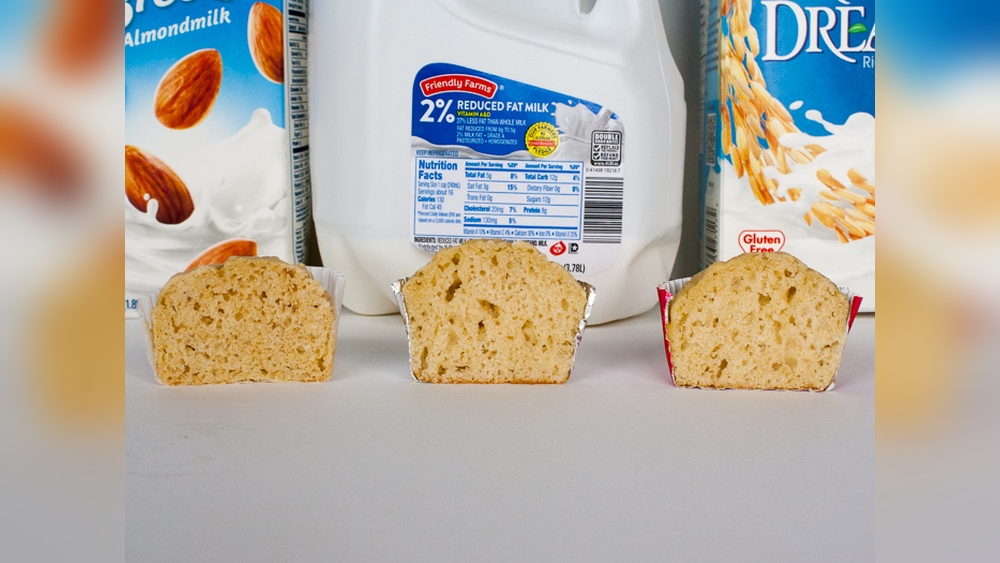
Baking is a fun and tasty way to make food at home. Many recipes need milk. But what if you cannot use regular milk? Maybe you are allergic or want a dairy-free option. Almond milk is one choice people think about. But can almond milk replace milk in baking? Let’s find out.
What Is Almond Milk?
Almond milk is a drink made from almonds and water. It looks white and is smooth. People use it instead of cow’s milk. Almond milk is popular for many reasons:
- It is dairy-free.
- It is low in calories.
- It has a light, nutty flavor.
- It is easy to find in stores.
Because of these reasons, many people want to use almond milk in cooking and baking.
How Does Regular Milk Work In Baking?
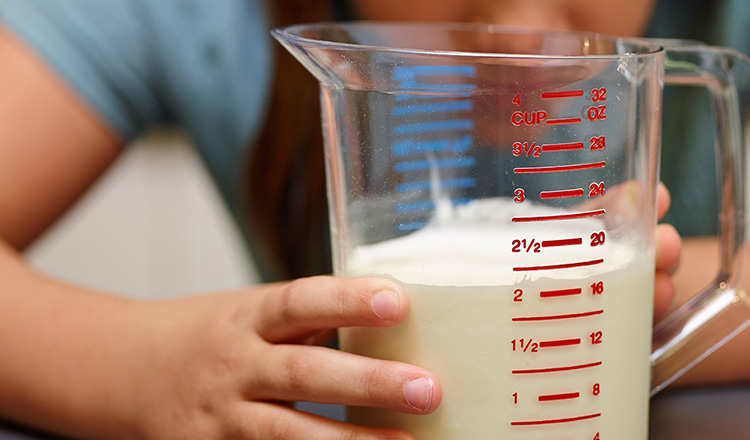
Milk in baking does many jobs. It adds moisture to the batter or dough. Milk helps mix dry ingredients well. It also helps make the baked food soft and tender. Milk can add a little sweetness and flavor, too. Plus, milk helps with browning the crust.
So, milk is not just a liquid. It changes how the baked food feels and tastes.
Can Almond Milk Replace Regular Milk?
Yes, almond milk can replace milk in baking. But there are some things to keep in mind. Almond milk is thinner than cow’s milk. This means it has less fat and protein. These parts help make baked goods soft and fluffy.
Still, for many recipes, almond milk works well. You can use it in cakes, muffins, pancakes, and cookies. It will add moisture just like milk does.
When Almond Milk Works Best
- Recipes that need liquid but not much fat.
- Sweet baked goods like cupcakes or muffins.
- Non-yeast recipes like brownies and pancakes.
When Almond Milk Might Not Work Well
- Bread recipes that need strong gluten and protein.
- Rich desserts that need creamy texture.
- Recipes where milk’s fat is very important.
Flavor Differences Between Milk and Almond Milk
Almond milk has a mild nutty taste. This can change the flavor of baked goods slightly. For some, this is a good change. It adds a light almond flavor that many enjoy.
If you want a neutral taste, choose plain almond milk. Avoid flavored or sweetened almond milk. These can change the flavor and sweetness of your recipe too much.
How To Use Almond Milk In Baking
Using almond milk is simple. Just swap it for regular milk in equal amounts. If your recipe calls for 1 cup of milk, use 1 cup of almond milk.
Here are some tips to get the best results:
- Use unsweetened almond milk for less sugar.
- If your batter feels too thin, add a little more flour.
- For richer baked goods, add a small amount of oil or butter.
- Mix almond milk well before using to avoid separation.
Nutrition Comparison: Almond Milk vs. Regular Milk
Here is a simple table to compare almond milk and cow’s milk:
| Nutrient | Almond Milk (1 cup) | Regular Milk (1 cup) |
|---|---|---|
| Calories | 30-40 | 150 |
| Protein | 1 gram | 8 grams |
| Fat | 2.5-3 grams | 8 grams |
| Calcium | Often added, varies | 300 mg |
| Sugar | 0-7 grams (unsweetened to sweetened) | 12 grams (lactose) |
As you can see, almond milk has fewer calories and protein. This may affect baking texture.
Common Baking Recipes Using Almond Milk
Many recipes work well with almond milk. Here are some popular ones:
- Pancakes: Almond milk makes them soft and light.
- Muffins: Use almond milk for moist and tender muffins.
- Cakes: Almond milk works well in simple cakes.
- Brownies: It keeps brownies moist and chewy.
- Cookies: Almond milk adds moisture without changing taste much.
Tips For Best Baking Results With Almond Milk
Try these tips to improve baking with almond milk:
- Choose unsweetened almond milk. Avoid sweetened types.
- Add a little fat. Add oil or vegan butter for richness.
- Check batter thickness. Add a bit more flour if needed.
- Use fresh almond milk. Old almond milk may taste off.
- Adjust baking time. Sometimes almond milk changes how fast things bake.
What About Other Plant-Based Milks?
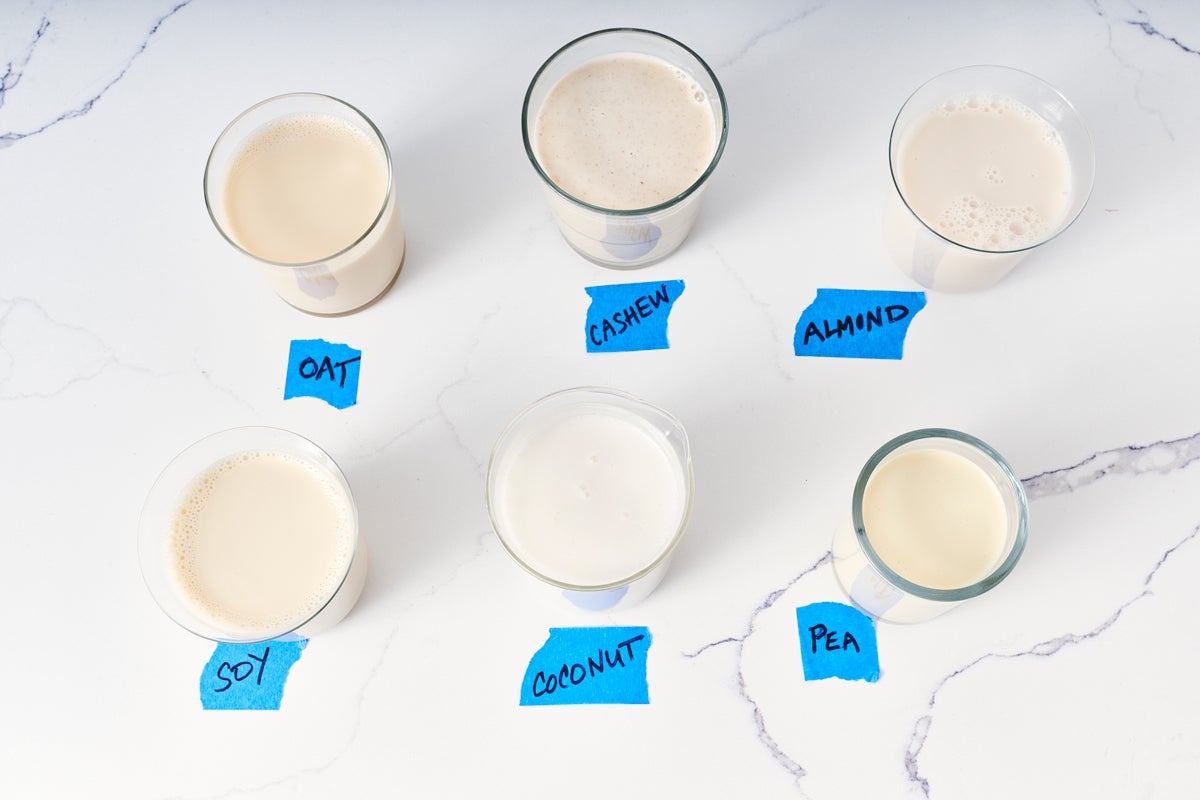
If almond milk does not suit your needs, try other plant milks. Soy milk, oat milk, and rice milk are good options. Each has its own flavor and texture. Soy milk is closer to cow’s milk in protein. Oat milk is creamy and sweet. Rice milk is thin and mild.
Choose the plant milk that fits your recipe and taste.
Summary: Is Almond Milk A Good Substitute?
Almond milk can replace regular milk in many baking recipes. It adds moisture and a mild nutty flavor. It works best in cakes, muffins, pancakes, and cookies. Almond milk may not work well for breads or very rich desserts.
Use unsweetened almond milk and adjust ingredients if needed. Add a little fat to make baked goods tender. Watch batter thickness and baking time.
In short, almond milk is a good choice for dairy-free baking. It helps you enjoy your favorite baked treats without milk.
Final Thoughts
Trying almond milk in baking is easy and fun. You can make your favorite recipes with a new twist. It is healthy and good for people who cannot drink dairy milk. Just remember to choose the right almond milk and recipe. With a little care, your baked goods will turn out delicious every time.
Frequently Asked Questions
Can Almond Milk Replace Dairy Milk In Baking Recipes?
Almond milk can replace dairy milk in most baking recipes. It works well in cakes, muffins, and cookies with a mild nutty flavor. Use the same amount as dairy milk called for.
Does Almond Milk Affect The Texture Of Baked Goods?
Yes, almond milk may make baked goods slightly lighter or softer. It has less fat and protein than dairy milk, which can change texture. Usually, the difference is small and not very noticeable.
Is Unsweetened Almond Milk Best For Baking?
Unsweetened almond milk is best for baking to control sweetness. Sweetened versions can alter the taste and sugar level of your recipe. Choose unsweetened to keep flavors balanced.
Can Almond Milk Cause Baked Goods To Be Dry?
Almond milk might cause slight dryness due to low fat content. You can add a bit of oil or butter to keep baked goods moist. This helps maintain soft texture.
Leave a Reply