

When setting up kitchen appliances, many wonder if a dishwasher and fridge can share one circuit. This question is important for safety and function. We will explain the basics in a simple way.
What Is An Electrical Circuit?
An electrical circuit is a path where electric power flows. Your home has many circuits. Each circuit connects to outlets and appliances. Circuits have limits on how much power they can carry.
Why Do Circuits Matter For Appliances?
Appliances need electricity to work. If too many appliances use one circuit, it can overload. Overloading causes breakers to trip or wires to heat up.
Breakers protect your home. They stop the flow of electricity if there is a problem. This prevents fires and damage.
How Much Power Do Dishwashers And Fridges Use?
| Appliance | Average Power Use (Watts) | Typical Circuit Size |
|---|---|---|
| Dishwasher | 1200 – 1500 Watts | 15 or 20 Amps |
| Refrigerator | 100 – 800 Watts | 15 Amps |
Dishwashers use more power when heating water and drying dishes. Fridges use less power but run all the time to keep food cold.
What Does The Electrical Code Say?
In many countries, there are rules for kitchen wiring. These are called electrical codes. They help keep homes safe.
Most electrical codes recommend separate circuits for dishwashers and fridges. This is to avoid overloading and protect both appliances.
Can A Dishwasher And Fridge Be On The Same Circuit?
Technically, yes. But it depends on the circuit size and appliance power needs.
- If the circuit is 20 amps, it might handle both.
- If the circuit is only 15 amps, it might not be enough.
- If both appliances run at the same time, the breaker may trip.
Sharing a circuit can cause inconvenience. The breaker might switch off during cooking or washing.
Why Separate Circuits Are Better
Separate circuits offer many benefits:
- Safety: Less chance of overload and fire risk.
- Reliability: One appliance won’t affect the other.
- Convenience: You won’t lose power to both appliances at once.
- Code Compliance: Most rules require separate circuits.

How To Check Your Kitchen Circuits
Here are steps to see if your dishwasher and fridge share a circuit:
- Turn off the breaker for the dishwasher.
- Check if the fridge still works.
- If the fridge turns off, both are on the same circuit.
- If the fridge stays on, they have separate circuits.
Always be careful when handling electrical panels. If unsure, ask an electrician.
What To Do If They Are On The Same Circuit
If your dishwasher and fridge share a circuit, consider these options:
- Upgrade the circuit: A 20-amp circuit may help.
- Add a new circuit: Have an electrician install a new one for the dishwasher or fridge.
- Use appliances at different times: Run dishwasher when fridge compressor is off.
Upgrading or adding circuits is often the best solution for safety and comfort.
Signs Your Circuit Is Overloaded
Watch for these warning signs:
- Breaker trips often.
- Lights flicker when appliances run.
- Outlets feel warm to touch.
- Appliances do not work well.
If you see any of these, call a professional electrician immediately.
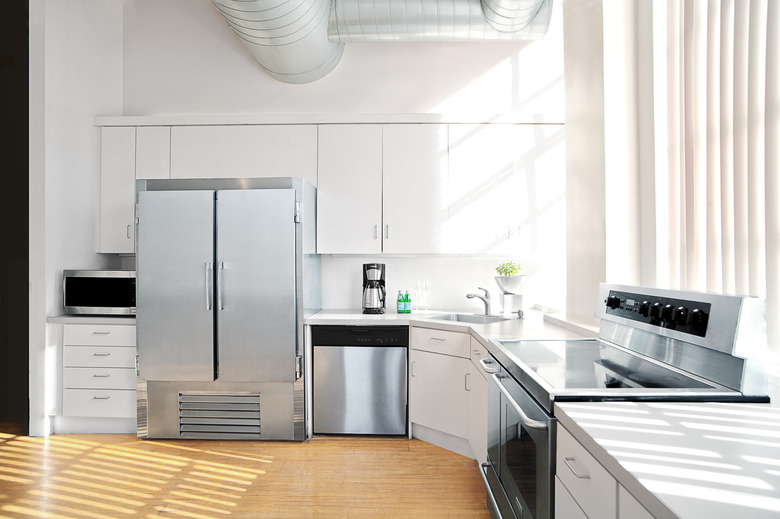
Energy Use Tips For Kitchen Appliances
To avoid electrical problems, follow these tips:
- Do not run many big appliances at once.
- Turn off appliances when not in use.
- Check appliance cords and plugs for damage.
- Keep your fridge door closed as much as possible.
- Run the dishwasher during off-peak hours if possible.
Summary
Can a dishwasher and fridge be on the same circuit? Yes, but it is not recommended.
Separate circuits keep your kitchen safe and appliances working well. They help avoid breaker trips and electrical hazards.
Check your circuits carefully. If needed, get help from a licensed electrician. Safety should always come first in your home.
Remember, proper wiring protects your family and your appliances.
Frequently Asked Questions
Can A Dishwasher And Fridge Share The Same Circuit?
Dishwasher and fridge usually need separate circuits. Both use high power and may overload one circuit if combined.
What Happens If Dishwasher And Fridge Are On One Circuit?
The circuit may trip often. It can cause power loss and damage appliances over time.
Why Do Dishwasher And Fridge Need Separate Circuits?
Each appliance draws high current. Separate circuits prevent overload and ensure safety and proper function.
Can A Single Circuit Handle Fridge And Dishwasher?
Most single circuits cannot handle both safely. It risks tripping breakers and damaging appliances.
Leave a Reply