
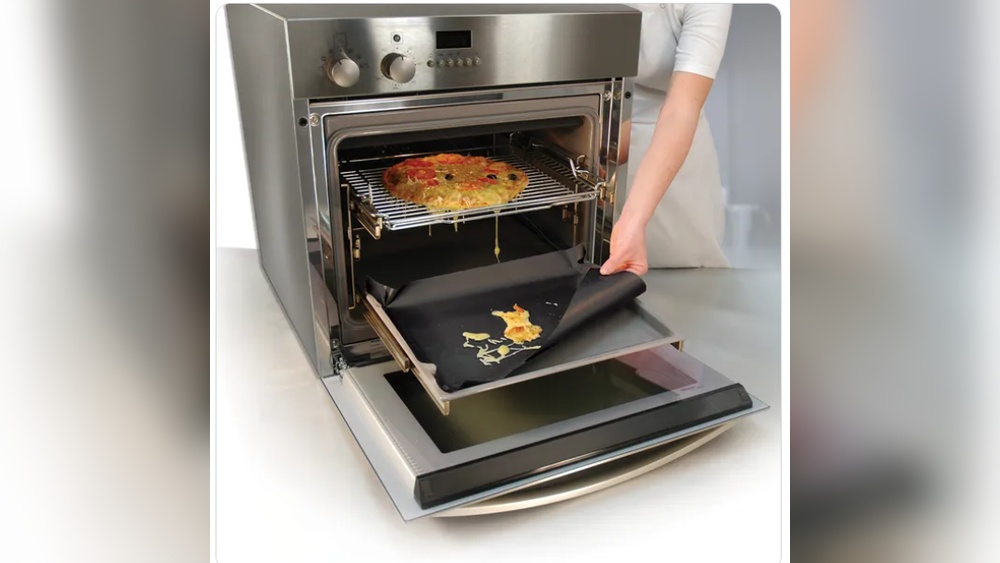
If you cook often, you may have heard about oven liners. They are thin mats you put in the oven. They catch spills and crumbs. But many people ask, “Are oven liners safe?” This article will help you understand what oven liners are. It will explain their safety and how to use them well.
What Are Oven Liners?
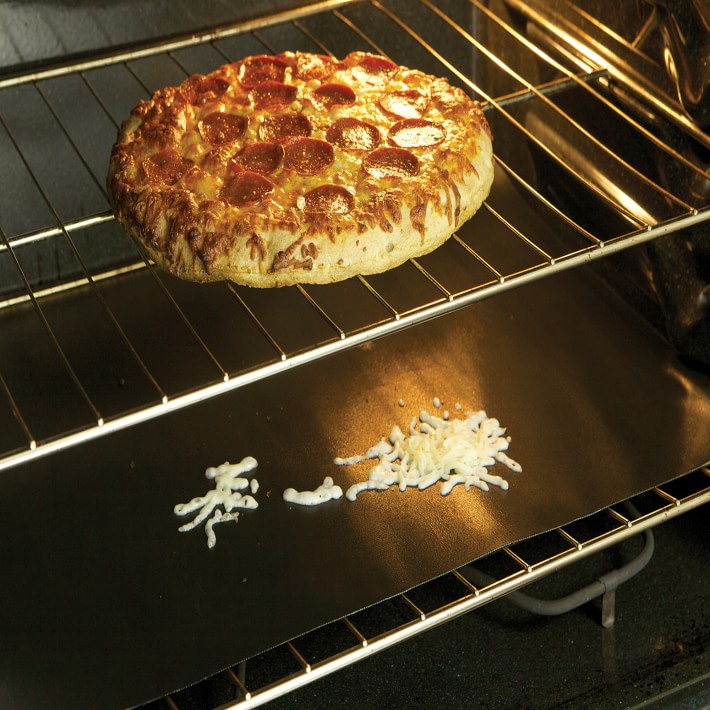
Oven liners are flat sheets made from special materials. They go at the bottom of the oven or on oven racks. Their job is to catch food drips and spills. This keeps your oven clean and stops burnt messes.
Most oven liners are made from materials like silicone or Teflon-coated fiberglass. These materials can handle heat. But not all liners are the same. Some are safer than others.
Why Do People Use Oven Liners?
- To keep the oven clean from spills and food bits.
- To save time cleaning the oven after cooking.
- To avoid smoke from burnt food drips.
- To protect the oven floor from scratches or stains.
Oven liners sound helpful. But safety is very important when you use them.
Are Oven Liners Safe to Use?
The short answer: Yes, if you use them correctly.
But let’s explain more. Oven liners can be safe if you follow these rules:
- Check the liner’s temperature limit.
- Place the liner where it belongs.
- Do not block oven air vents.
- Use liners made for ovens only.
If you ignore these rules, the liner can melt or catch fire. This can cause smoke or damage the oven.
Temperature Limits
Most oven liners can take heat up to 450°F (230°C). Some can handle more, some less. Always read the package or instructions. Do not use liners if you cook at very high heat.
Where To Put Oven Liners?
Put liners at the bottom of the oven, under the racks. Never place them directly on the oven floor unless the maker says so. Do not put liners on oven racks unless they are made for that.
Placing liners in the wrong spot can block air flow. This makes the oven heat uneven and can damage the liner.
Air Flow And Safety
Ovens need good air flow to cook food evenly. Blocking vents or airways can cause hot spots. This can melt liners or cause smoke.
Always check your oven manual. See where liners are safe to put. Do not cover vents or heating elements.
Use Oven-safe Liners Only
Some liners are not made for ovens. For example, baking sheets or silicone mats for counters are not the same. Only use liners labeled “oven-safe.”
Using the wrong liner may cause it to melt or release bad fumes.
Are There Risks with Oven Liners?
Yes. There are some risks if you do not use liners carefully.
- Fire hazard: Liners can catch fire if they touch heating elements.
- Toxic fumes: Some liners can release bad gases if overheated.
- Damage to oven: Melting liners can stick to oven parts and cause damage.
- Warranty void: Some oven makers say using liners can void warranty.
To avoid these risks, always follow instructions.

How to Use Oven Liners Safely
Here are simple tips for safe use:
- Read all instructions before using the liner.
- Check the maximum heat the liner can take.
- Place the liner only on the oven floor if allowed.
- Keep liners away from heating elements.
- Do not cover oven vents or fans.
- Clean liners regularly to avoid buildup.
- Remove liners if you cook at very high temperatures.
Following these tips keeps your oven safe and clean.
Cleaning and Caring for Oven Liners
Cleaning oven liners is easy. Most liners can be wiped with a damp cloth. Use mild soap if needed. Do not use sharp tools to clean liners. They can damage the surface.
Some silicone liners are dishwasher safe. Check the label first.
Can Oven Liners Affect Cooking?
Sometimes, liners may change how heat moves inside the oven.
If liners block heat flow, food may cook unevenly. This is why correct placement is important.
Also, some ovens use heat from the bottom element. A liner can block this heat. This might make baking or roasting slower.
Alternatives to Oven Liners
If you worry about oven liners, here are other options:
- Aluminum foil: Use foil on the bottom, but be careful not to block vents.
- Oven mats: Silicone mats made for baking racks.
- Regular cleaning: Clean spills right after cooking to avoid build-up.
- Baking trays: Use trays to catch drips from food.
Each option has pros and cons. Choose what fits your cooking style.
Summary Table: Oven Liners Safety Tips
| Tip | Why It Matters |
|---|---|
| Use oven-safe liners only | Prevents melting and toxic fumes |
| Check temperature limits | Avoid damage and fire risk |
| Place liners correctly | Ensures good heat flow and safety |
| Keep liners away from heating elements | Stops liners from burning or melting |
| Do not cover vents or fans | Maintains oven air circulation |
| Clean liners regularly | Prevents buildup and smoke |
| Remove liners for very high heat cooking | Protects liner and oven from damage |
Final Thoughts
Oven liners can help keep your oven clean. They catch spills and crumbs well. But safety is key.
If you use oven liners right, they are safe. Always follow the instructions. Use liners made for your oven type. Keep liners away from hot parts. Check temperature limits.
Remember: a clean oven is good, but a safe oven is better. If you have doubts, choose other cleaning methods.
With care, oven liners can be a useful kitchen tool.
Frequently Asked Questions
Are Oven Liners Toxic Or Safe For Cooking?
Oven liners made from food-grade materials are safe for cooking. Avoid liners with harmful chemicals or non-heat-resistant materials.
Can Oven Liners Cause Smoke Or Fire Hazards?
Poor quality or incorrect use of oven liners may cause smoke or fire. Always follow manufacturer instructions and use heat-safe liners.
How Do Oven Liners Affect Oven Cleaning?
Oven liners catch drips and spills, making cleaning easier. They prevent food residue from sticking to oven surfaces.
Are Silicone Oven Liners Better Than Foil Liners?
Silicone liners are reusable, flexible, and heat-resistant. Foil liners are disposable but may tear or cause oven damage.
Leave a Reply