
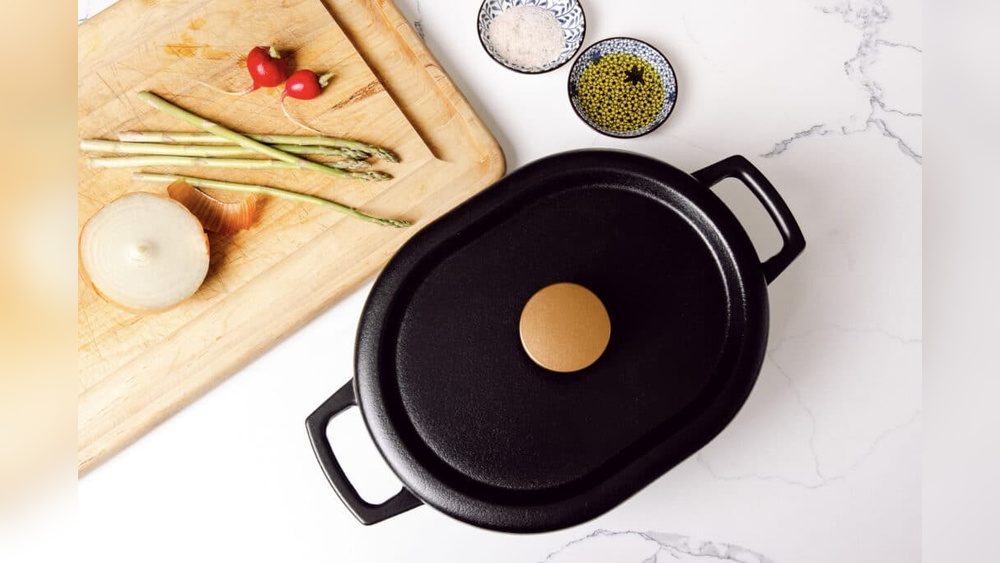
Many people love cooking with Dutch ovens. But they often ask, are Dutch ovens non toxic? This question is very important. We want to cook food safely. We want to avoid any harm from our cookware. In this article, we will learn about Dutch ovens and if they are safe to use.
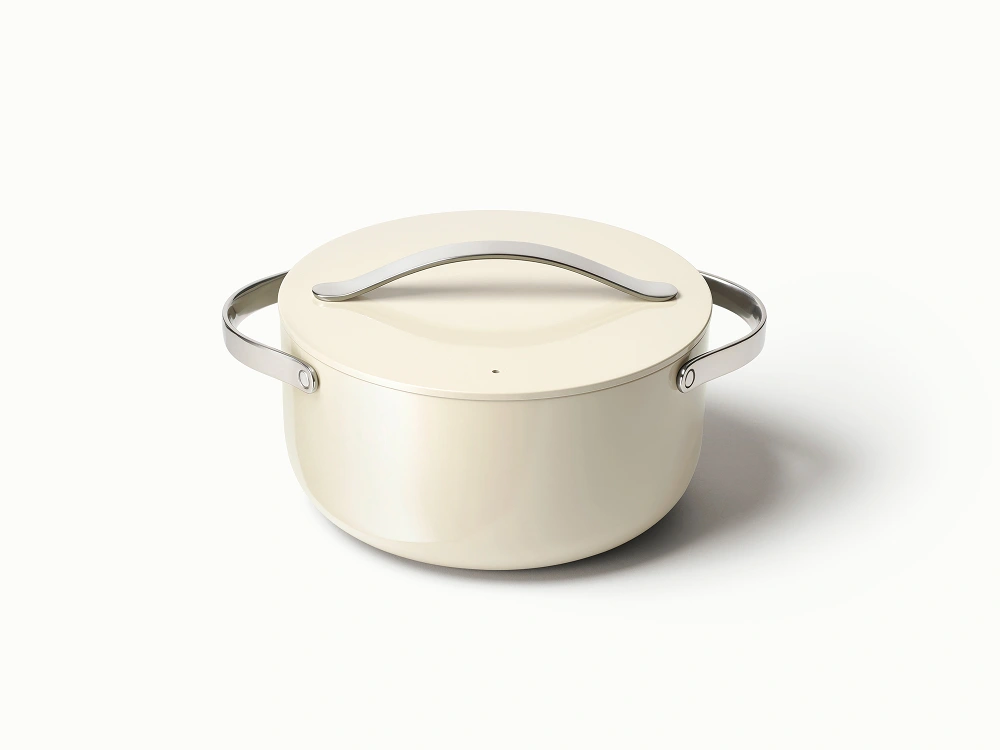
What Is a Dutch Oven?
A Dutch oven is a heavy pot. It is often made of cast iron. Some Dutch ovens have an enamel coating on the inside. They have a lid and thick walls. This helps keep heat for a long time. Many cooks use Dutch ovens to make soups, stews, bread, and roasts.
Materials Used in Dutch Ovens
To know if Dutch ovens are non toxic, we must look at their materials. There are mainly two types:
- Cast Iron Dutch Ovens
- Enamel Coated Dutch Ovens
Let’s understand both types and their safety.
Cast Iron Dutch Ovens
Cast iron is a type of metal. It is very strong and heavy. Cast iron pots last for many years. Many families pass them down as heirlooms.
Cast iron pots need to be seasoned. This means a layer of oil is baked into the surface. This stops food from sticking and protects the pot from rust.
Is cast iron toxic? No. Cast iron itself is safe. In fact, it may add a little iron to your food. Iron is a mineral our body needs.
But, if the pot is not well cared for, it can rust. Rust is not good to eat. So, keep your cast iron clean and dry.
Enamel Coated Dutch Ovens
Enamel Dutch ovens have a cast iron base. But the inside is covered with enamel. Enamel is a glass-like coating. It stops food from touching the iron directly.
This coating makes cleaning easy. It also stops rust. Enamel comes in many colors. This makes the pots look nice.
Is enamel toxic? Generally, no. High-quality enamel is safe. It does not release harmful chemicals when heated. It does not react with food.
However, if the enamel cracks or chips, it can cause problems. The chipped parts might let iron touch food. Also, small enamel pieces could mix with food.
Common Concerns About Dutch Ovens and Toxicity
Some people worry about certain chemicals in cookware. Let’s see if these apply to Dutch ovens.
Ptfe And Pfoa
Some non-stick pans use PTFE or PFOA chemicals. These can release bad fumes if heated very high. Many people avoid these chemicals.
Good news: Dutch ovens do NOT have PTFE or PFOA. So, you don’t get these chemicals from Dutch ovens.
Lead And Cadmium
Sometimes, cheap cookware may have lead or cadmium. These metals are very dangerous.
High-quality enamel Dutch ovens do NOT have lead or cadmium. But very cheap or fake pots might. It’s best to buy from trusted brands.
Heavy Metals From Cast Iron
Cast iron can add small amounts of iron to food. For most people, this is healthy.
But too much iron can be bad for some people. Those with certain health problems should check with a doctor.
How to Use Dutch Ovens Safely
To keep your Dutch oven non toxic and safe, follow these tips:
- Buy quality pots. Choose well-known brands or trusted sellers.
- Season your cast iron. Keep the oil layer to stop rust.
- Check enamel for chips. Avoid cooking in pots with damaged coating.
- Clean your pot properly. Use warm water and soft brushes.
- Do not use harsh chemicals. They can damage the surface.
- Store dry. Keep your pot in a dry place to avoid rust.
Benefits of Cooking with Dutch Ovens
Besides safety, Dutch ovens have many good points.
- Even heat distribution. Food cooks evenly without burning.
- Durable. Can last for decades if cared for well.
- Versatile. Use on stove, oven, or even campfire.
- Retains moisture. Makes food juicy and tender.
- Non toxic materials. No harmful coatings or chemicals in quality pots.
Signs of a Toxic Cookware
How do you know if a Dutch oven is toxic or not? Here are some signs:
| Signs | What It Means |
|---|---|
| Strong chemical smell | Cookware may have harmful chemicals |
| Chipped or cracked enamel | Coating is damaged and unsafe |
| Rust on cast iron | Pot is not properly cared for |
| Very cheap price | Quality and safety may be low |
How to Choose a Safe Dutch Oven
Follow these steps when buying a Dutch oven:
- Look for cast iron or enamel Dutch ovens.
- Check brand reputation and reviews.
- Ask if enamel is free of lead and cadmium.
- Choose pots with smooth enamel coating.
- Check if the pot is heavy and sturdy.

Conclusion: Are Dutch Ovens Non Toxic?
Yes, Dutch ovens can be non toxic. Cast iron is safe and natural. Enamel coating is safe if not chipped.
Avoid very cheap or damaged Dutch ovens. Buy from trusted brands. Take good care of your pot.
Using Dutch ovens is a healthy way to cook. No harmful chemicals like in some non-stick pans.
So, enjoy cooking with your Dutch oven. Make tasty and safe meals for your family.
Frequently Asked Questions
Are Dutch Ovens Safe For Cooking Food?
Dutch ovens are generally safe for cooking. They are made from cast iron or ceramic, which do not release harmful chemicals.
Do Dutch Ovens Release Toxins When Heated?
No, quality Dutch ovens do not release toxins. Enamel-coated ones prevent direct contact between food and metal.
Is Enamel Coating On Dutch Ovens Non-toxic?
Yes, enamel coating is non-toxic. It provides a smooth surface that does not react with food.
Can Cast Iron Dutch Ovens Cause Lead Poisoning?
Cast iron Dutch ovens do not contain lead. They are safe when properly seasoned and maintained.
Leave a Reply