
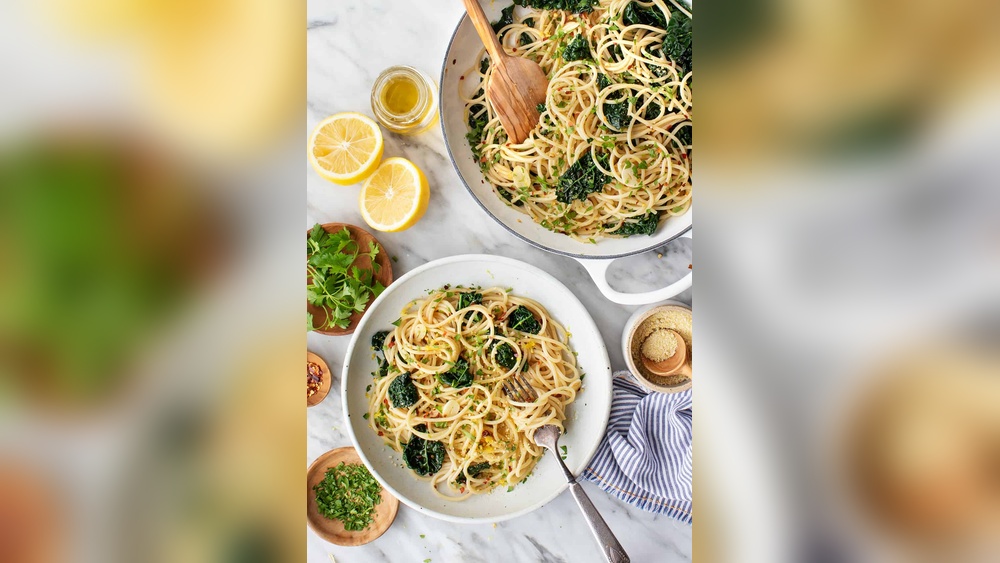
Making Aglio e Olio pasta is an art of simplicity. This classic Italian dish brings together a handful of everyday ingredients—garlic, olive oil, pasta, and chili flakes—into a flavorful meal that’s easy to prepare but surprisingly refined. Many home cooks overlook the small details that transform this recipe from plain to restaurant-worthy. If you want to master Aglio e Olio, pay attention to each step, ingredient quality, and a few key techniques. This guide will walk you through everything you need to know, including a clear recipe, cooking secrets, ingredient comparisons, and answers to the most common questions.
What Is Aglio E Olio?
Aglio e Olio means “garlic and oil” in Italian. It comes from Naples, a city in southern Italy. This dish uses just a few ingredients but delivers a strong taste. The secret is in the method—sautéing thinly sliced garlic in good olive oil and combining it with al dente spaghetti. Some people add parsley and Parmesan cheese, but the original is all about garlic, olive oil, chili flakes, and pasta.
Ingredients And Quantities
To serve two people, you’ll need:
- 200 grams (about 7 oz) of spaghetti
- 4 cloves of garlic, thinly sliced
- 60 ml (1/4 cup) of extra virgin olive oil
- 1/2 teaspoon red chili flakes (adjust to taste)
- 1/2 teaspoon salt (plus extra for pasta water)
- 1 tablespoon fresh parsley, chopped (optional)
- Grated Parmesan cheese (optional)
- 1/2 cup pasta cooking water
Why do these measurements matter? Too much oil can make the dish greasy; too little and the pasta is dry. The right garlic amount gives flavor without bitterness.
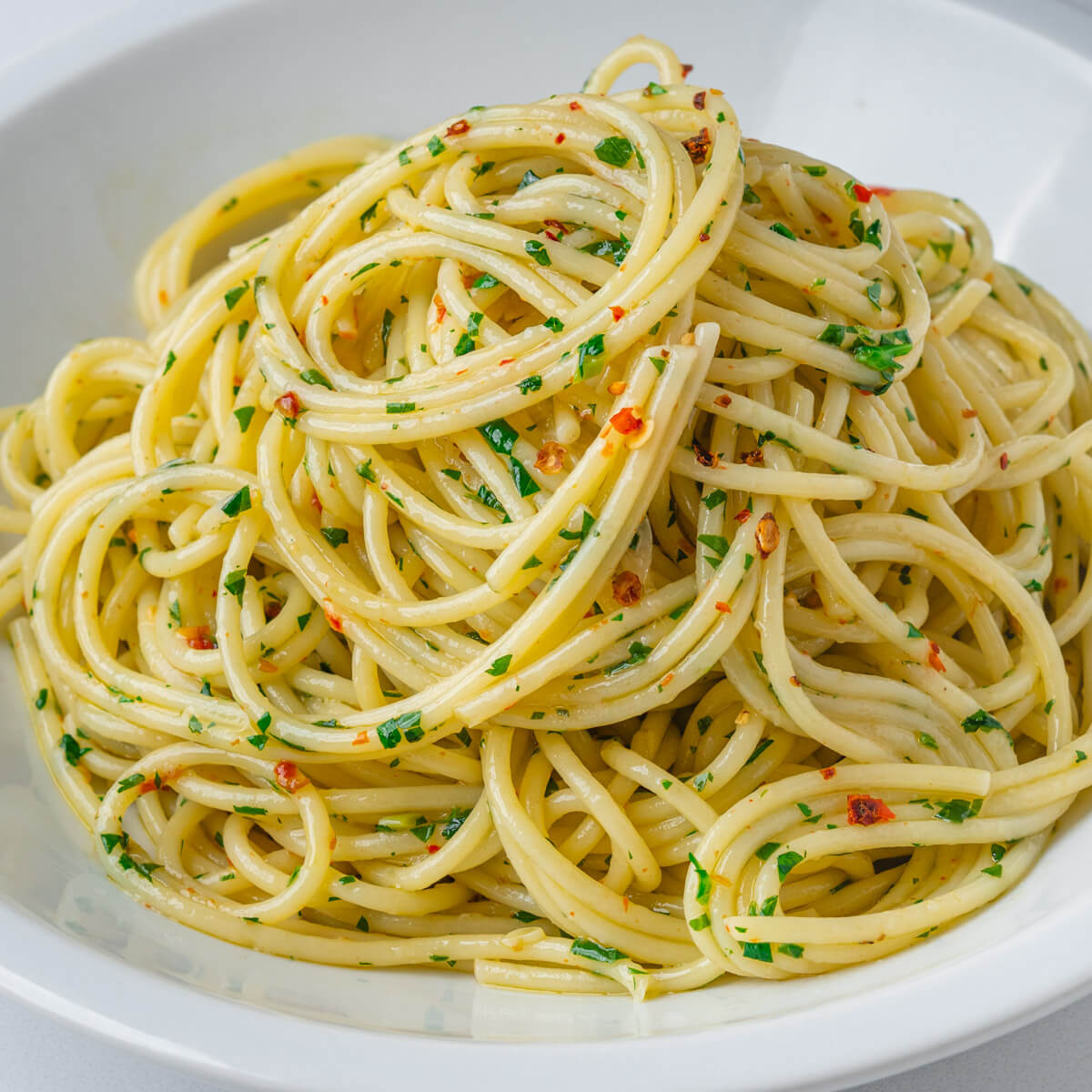
Step-by-step Cooking Instructions
1. Boil The Pasta
Fill a large pot with water, add a generous amount of salt (about 1 tablespoon per liter), and bring to a boil. Add spaghetti and cook until al dente, usually 8-9 minutes. Reserve 1/2 cup of pasta water before draining.
2. Prepare The Garlic Oil
While the pasta cooks, heat olive oil in a large skillet over medium-low heat. Add the sliced garlic and cook gently. Stir often until the garlic turns golden but not brown, about 2-3 minutes.
3. Add Chili Flakes
Sprinkle in the chili flakes. Stir for 30 seconds to release their aroma. Don’t add them too early or they can burn.
4. Combine Pasta And Sauce
Add the drained spaghetti to the skillet. Toss quickly so every strand is coated. Pour in a little pasta water to help create a silky sauce.
5. Finishing Touches
Add salt and toss again. If using, mix in chopped parsley and grated Parmesan. Serve hot, with extra cheese if desired.
Cooking Time: Around 15 Minutes
Serving Size: 2 Portions
Ingredient Choices: What Matters Most
Not all olive oils and pastas are equal. Small changes can make a big difference in taste and texture.
| Ingredient | Best Choice | Budget Option |
|---|---|---|
| Olive Oil | Extra Virgin, Cold Pressed | Regular Olive Oil |
| Pasta | Bronze Cut Spaghetti | Standard Dried Pasta |
| Garlic | Fresh, Firm Bulbs | Pre-peeled Garlic |
Extra virgin olive oil gives a fruity, peppery taste that lifts the whole dish. Bronze-cut pasta holds the sauce better because its surface is rough.
:max_bytes(150000):strip_icc()/Simply-Recipes-Spaghetti-Aglio-e-Olio-LEAD-2-c8e7e8c6edb04a8691463c6ea8cd4ba1.jpg)
Practical Cooking Tips And Common Mistakes
Many cooks make small errors that ruin the final result. Here’s how to avoid them:
1. Don’t Burn The Garlic
Burnt garlic turns bitter. Always cook on medium-low heat and remove from heat once the slices are golden.
2. Salt The Pasta Water Well
The pasta absorbs some salt while cooking, which adds flavor. Unsalted pasta tastes flat.
3. Use Pasta Water In The Sauce
The starchy water helps the oil cling to the spaghetti, making a smooth sauce instead of a greasy pool.
4. Add Parsley And Cheese Last
Don’t cook these with the oil, or they lose flavor and color.
5. Don’t Overcook The Pasta
Aglio e Olio is best with spaghetti cooked just to al dente, which gives the dish the right bite.
Nutritional Information
Aglio e Olio is a lighter pasta. Here’s a quick look at the nutrition for one serving (without cheese):
| Nutrient | Amount |
|---|---|
| Calories | 410 kcal |
| Carbohydrates | 60 g |
| Protein | 10 g |
| Fat | 15 g |
| Fiber | 3 g |
Adding Parmesan will increase protein, fat, and calories.
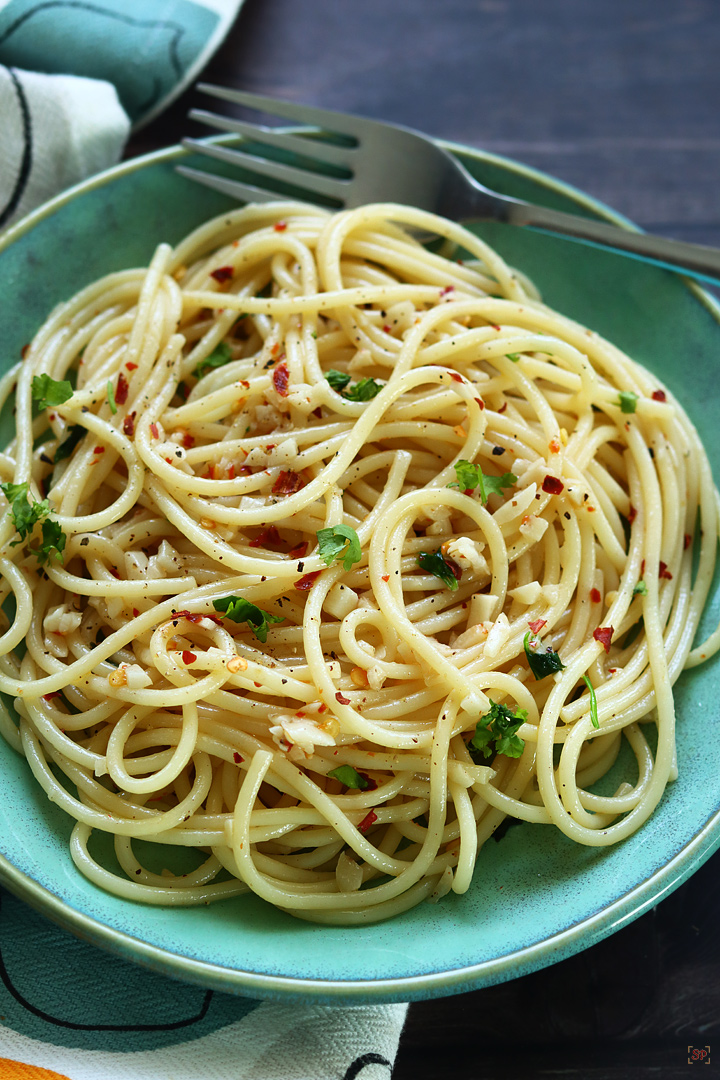
Variations And Additions
Aglio e Olio is very flexible. Try these variations if you want a different taste:
- Add sliced mushrooms or zucchini for extra texture.
- Mix in shrimp or anchovies for more protein and a savory touch.
- Use linguine or fettuccine instead of spaghetti for a different mouthfeel.
Just avoid cream or tomato sauce—these are not part of the real recipe.
Comparing Aglio E Olio To Other Pasta Dishes
How does Aglio e Olio compare to other popular Italian pastas?
| Pasta Dish | Main Ingredients | Typical Calories |
|---|---|---|
| Aglio e Olio | Pasta, Garlic, Olive Oil | 410 |
| Carbonara | Pasta, Eggs, Bacon, Cheese | 600 |
| Pesto | Pasta, Basil, Pine Nuts, Cheese | 550 |
| Alfredo | Pasta, Cream, Butter, Cheese | 700 |
Aglio e Olio is lighter and simpler, making it a good choice for quick meals or anyone watching calories.
Frequently Asked Questions
How Do I Keep The Garlic From Burning?
Cook the garlic on medium-low heat and stir often. Remove the pan from heat as soon as the garlic is golden. If you burn the garlic, start over—burnt garlic will ruin the dish.
Can I Use Other Types Of Pasta?
Yes, linguine and fettuccine work well. Short pastas like penne are not traditional but can be used if you prefer them.
Is Aglio E Olio Healthy?
It’s a lighter option compared to creamy or meaty pastas. Using extra virgin olive oil adds healthy fats. You can use whole wheat pasta for more fiber.
Can I Make Aglio E Olio Without Chili Flakes?
Absolutely. The dish will be milder but still tasty. You can use black pepper or a pinch of paprika if you want a different flavor.
Where Can I Learn More About Traditional Italian Pasta?
For a deeper look at Italian pasta traditions and recipes, visit Wikipedia’s Italian cuisine page.
Mastering Aglio e Olio is about patience and precision. This pasta is proof that simple ingredients, treated with care, make the most satisfying meals. Next time you crave Italian food, try this recipe—you may never go back to heavy sauces again.
Leave a Reply