
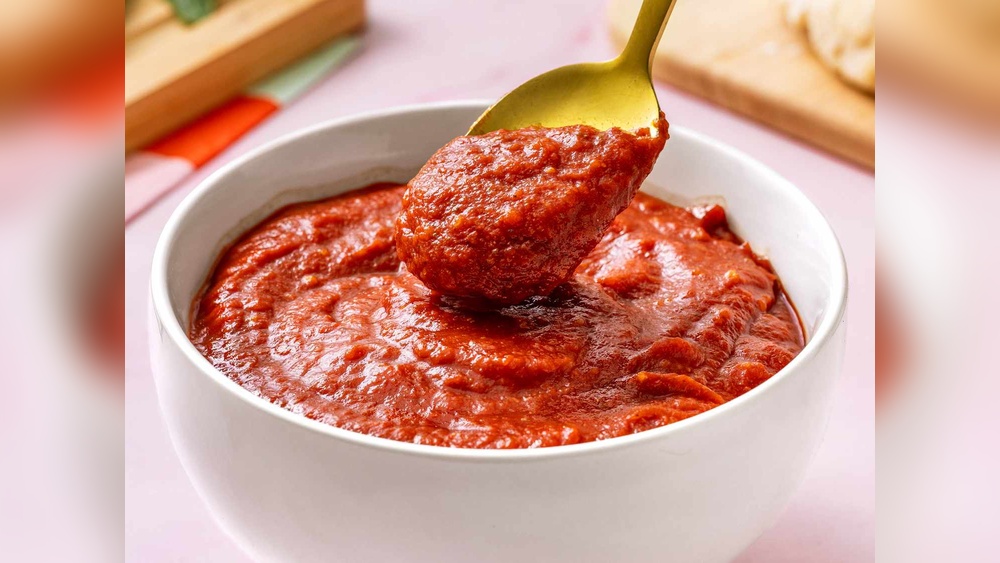
Pizza is one of the world’s most loved foods, and pizza sauce is the heart of every great slice. While a crust can be thick, thin, or gluten-free, and toppings can go from classic pepperoni to pineapple, the sauce brings it all together. Whether you like your sauce spicy, sweet, creamy, or bursting with fresh tomato flavor, there’s a recipe for everyone. Making your own pizza sauce at home is surprisingly easy, and it lets you control the taste, ingredients, and even the healthiness of your pizza.
Many people think pizza sauce is complicated or takes a lot of time. The truth is, you can make a delicious sauce with just a few ingredients and simple steps. In this guide, you’ll discover 10 easy pizza sauce recipes that anyone can master.
Some are ready in five minutes, while others offer unique twists like creamy white sauce or spicy arrabbiata. You’ll learn what makes each sauce special, how to use it best, and tips that even experienced cooks sometimes overlook. If you want to impress your family or just enjoy better homemade pizza, keep reading—you’re about to find your new favorite sauce.
1. Classic Italian Tomato Pizza Sauce
A true classic pizza sauce starts with ripe tomatoes and a few fresh herbs. This sauce is simple but full of flavor. It’s the style you’ll find in many Italian pizzerias and works well with almost any topping.
Ingredients:
- 1 can (14 oz) whole peeled tomatoes (or 5 ripe fresh tomatoes)
- 2 tablespoons extra-virgin olive oil
- 2 garlic cloves, minced
- 1 teaspoon dried oregano
- 1/2 teaspoon salt
- 1/4 teaspoon black pepper
- 1/2 teaspoon sugar (optional, balances acidity)
- 6-8 fresh basil leaves (or 1 teaspoon dried basil)
Instructions:
- If using whole canned tomatoes, crush them by hand or with a blender for a smoother sauce.
- Heat olive oil in a saucepan over medium heat.
- Add garlic and cook for 30 seconds, stirring often so it doesn’t burn.
- Add the tomatoes, oregano, salt, pepper, and sugar.
- Simmer for 15–20 minutes, stirring occasionally, until thickened.
- Stir in basil at the end and remove from heat.
- Let cool slightly, then spread on pizza dough.
Tips: For a rustic texture, don’t over-blend the tomatoes. If you like a smoother sauce, use an immersion blender.
Common Mistake: Cooking the sauce too long or on high heat can make it bitter. Keep the heat low for best flavor.
Extra Detail: If you want a deeper, richer tomato flavor, you can add a tablespoon of tomato paste during step 4. Also, letting the sauce rest for a few hours after cooking (or even overnight in the fridge) can allow the flavors to blend even more, resulting in a sauce that tastes like it’s from your favorite pizza shop.
Beginner’s Insight: Some cooks forget to season at the end—taste your sauce just before you use it. Sometimes, a pinch more salt or a splash of olive oil is all it needs to shine.
2. No-cook Quick Pizza Sauce
If you’re short on time, this no-cook pizza sauce is a lifesaver. It’s fresh, tangy, and takes only five minutes to prepare—no stove needed.
Ingredients:
- 1 can (14 oz) crushed tomatoes or tomato puree
- 1 tablespoon olive oil
- 1 teaspoon dried oregano
- 1/2 teaspoon garlic powder
- 1/2 teaspoon onion powder
- 1/2 teaspoon salt
- 1 teaspoon sugar
- 1/4 teaspoon black pepper
Instructions:
- Pour tomatoes into a mixing bowl.
- Add olive oil, oregano, garlic powder, onion powder, salt, sugar, and pepper.
- Mix well until all ingredients are combined.
- Taste and adjust seasoning if needed.
- Use immediately or let rest for 10 minutes to blend flavors.
Tips: Because there’s no cooking, use high-quality tomatoes for the best taste.
Non-Obvious Insight: Letting the sauce sit for 15–30 minutes before using allows the dried herbs to hydrate and the flavors to meld, making the sauce taste richer.
Extra Explanation: This sauce is especially useful for weeknight dinners or when making pizza with kids. You don’t have to wait for anything to simmer. If you like, you can add a splash of red wine vinegar or lemon juice for a zippy finish. Some people add a tablespoon of grated Parmesan directly to the sauce for a little extra umami.
Common Mistake: Skipping the olive oil. Even a tablespoon makes a big difference in helping the sauce coat the dough and blend flavors.
3. Spicy Arrabbiata Pizza Sauce
For those who enjoy a little heat, arrabbiata sauce brings a fiery kick to your pizza. The name means “angry” in Italian, hinting at its spicy flavor.
Ingredients:
- 1 can (14 oz) crushed tomatoes
- 2 tablespoons olive oil
- 3 cloves garlic, minced
- 1–2 teaspoons red pepper flakes (adjust to taste)
- 1/2 teaspoon salt
- 1 teaspoon dried parsley
- 1/2 teaspoon sugar (optional)
Instructions:
- Heat olive oil in a saucepan over medium heat.
- Add garlic and red pepper flakes; sauté for 1 minute.
- Add tomatoes, salt, parsley, and sugar.
- Simmer for 15–20 minutes, stirring occasionally.
- Taste and adjust spice level if needed.
Tips: Start with less red pepper flakes, especially if you’re sensitive to spice. You can always add more.
Beginner’s Mistake: Using too much spice at first—remember, the sauce intensifies as it cooks.
More Detail: For extra depth, add a pinch of smoked paprika or a splash of red wine at the same time as the tomatoes. You can also finish with a drizzle of olive oil for a silkier texture. This sauce is perfect for people who want to add excitement to simple cheese or vegetable pizzas.
Non-Obvious Insight: If you want an even more complex flavor, sauté a teaspoon of anchovy paste with the garlic (it won’t taste fishy, just savory).
4. Creamy White Garlic Pizza Sauce
Not every pizza sauce needs tomatoes. A white garlic sauce is creamy, rich, and perfect for chicken, spinach, or mushroom pizzas.
Ingredients:
- 2 tablespoons butter
- 2 tablespoons all-purpose flour
- 1 cup whole milk
- 1/2 cup grated Parmesan cheese
- 2 garlic cloves, minced
- 1/2 teaspoon salt
- 1/4 teaspoon black pepper
- Pinch of nutmeg (optional)
Instructions:
- Melt butter in a small saucepan over medium heat.
- Add garlic and cook for 1 minute.
- Stir in flour and cook for 1 minute, whisking constantly.
- Slowly pour in milk, whisking to avoid lumps.
- Add salt, pepper, and nutmeg.
- Cook for 3–5 minutes until the sauce thickens.
- Remove from heat and stir in Parmesan cheese.
- Cool slightly before spreading on pizza dough.
Tips: This sauce thickens as it cools. If it gets too thick, stir in a splash of milk.
Pro Insight: For a deeper flavor, use roasted garlic instead of raw garlic.
Expanded Guidance: You can swap half the milk for cream if you want a richer sauce, or use low-fat milk to lighten it up. If you like herbs, stir in fresh chopped parsley or a pinch of dried Italian seasoning. For a gluten-free version, use cornstarch instead of flour (mix it with cold milk before adding).
Non-Obvious Insight: Grate your own Parmesan for smoother melting—pre-grated cheese sometimes clumps or stays grainy.
5. Pesto Pizza Sauce
Pesto is a vibrant green sauce made with basil, pine nuts, and Parmesan cheese. It’s a fresh, nutty alternative to tomato sauces and works well with vegetables, mozzarella, and even chicken.
Ingredients:
- 2 cups fresh basil leaves
- 1/4 cup pine nuts (or walnuts)
- 2 garlic cloves
- 1/2 cup grated Parmesan cheese
- 1/2 cup olive oil
- 1/2 teaspoon salt
- 1/4 teaspoon black pepper
Instructions:
- Add basil, pine nuts, garlic, and Parmesan to a food processor.
- Pulse until finely chopped.
- With the processor running, slowly pour in olive oil until smooth.
- Add salt and pepper; pulse again.
- Use immediately or store in an airtight container in the fridge for up to 3 days.
Tips: If fresh basil is expensive, mix in spinach to save money without losing flavor.
Non-Obvious Insight: Pesto browns quickly when exposed to air. Cover the surface with plastic wrap or a thin layer of oil to keep it green.
Added Detail: Pesto can be easily customized—try adding a handful of arugula for peppery flavor or a squeeze of lemon juice for brightness. Some cooks like to toast the pine nuts lightly in a dry pan to bring out their flavor before blending.
Beginner’s Miss: Using only the leaves. The basil stems are edible and can be blended in for extra flavor and less waste.
6. Sun-dried Tomato Pizza Sauce
Sun-dried tomatoes give a sweet, tangy, and intense tomato flavor that stands out from regular sauces. This sauce pairs well with goat cheese, olives, and artichokes.
Ingredients:
- 1/2 cup sun-dried tomatoes packed in oil (drained)
- 1/2 cup tomato sauce
- 2 tablespoons olive oil
- 2 garlic cloves
- 1/2 teaspoon dried oregano
- 1/2 teaspoon salt
- 1/4 teaspoon black pepper
Instructions:
- Add sun-dried tomatoes, tomato sauce, olive oil, garlic, oregano, salt, and pepper to a blender.
- Blend until smooth.
- Taste and adjust seasoning.
- Spread on pizza dough as usual.
Tips: If the sauce is too thick, add a little water or more tomato sauce.
Beginner’s Miss: Forgetting to drain the oil from the sun-dried tomatoes can make the sauce greasy.
Expanded Explanation: If you don’t have a blender, finely chop the sun-dried tomatoes and mix well for a chunkier sauce. You can add a tablespoon of red wine vinegar or balsamic for extra tang. This sauce keeps well in the fridge and tastes even better the next day as the flavors blend.
Non-Obvious Insight: Mixing in a spoonful of ricotta cheese or cream can soften the intense tomato flavor if you find it too bold.
7. Bbq Pizza Sauce
A BBQ pizza sauce brings a smoky, sweet flavor that’s perfect for chicken or pulled pork pizzas. It’s a favorite for American-style pizzas.
Ingredients:
- 1 cup tomato sauce
- 1/2 cup BBQ sauce (your favorite brand)
- 1 tablespoon honey or brown sugar
- 1 teaspoon smoked paprika
- 1/2 teaspoon garlic powder
Instructions:
- Combine all ingredients in a bowl.
- Mix well until smooth.
- Taste and adjust sweetness or smokiness as desired.
- Use directly on pizza dough.
Tips: Mix different BBQ sauces for a custom flavor.
Pro Tip: Adding a few drops of apple cider vinegar creates a tangy kick that balances the sweetness.
Extra Detail: For homemade BBQ sauce, simmer 1 cup ketchup, 2 tablespoons vinegar, 2 tablespoons brown sugar, and 1 teaspoon each of smoked paprika and garlic powder for 10 minutes. This can be used as your base. Some cooks like to add a little hot sauce or chipotle for extra heat.
Beginner’s Insight: Too much sugar or honey can cause the sauce to burn quickly in a hot oven. Use a light hand with sweeteners if baking at high temperatures.
8. Roasted Red Pepper Pizza Sauce
Roasted red peppers add sweetness and depth to pizza sauce. This sauce is smooth, colorful, and great with feta or grilled vegetables.
Ingredients:
- 2 large roasted red bell peppers (from a jar or homemade)
- 1/2 cup tomato sauce
- 2 garlic cloves
- 1 tablespoon olive oil
- 1/2 teaspoon dried thyme
- 1/2 teaspoon salt
- 1/4 teaspoon black pepper
Instructions:
- Add peppers, tomato sauce, garlic, olive oil, thyme, salt, and pepper to a blender.
- Blend until completely smooth.
- Taste and adjust seasoning if needed.
- Spread on pizza dough.
Tips: For a smoky taste, char the peppers over an open flame before blending.
Uncommon Insight: Straining the sauce through a fine sieve creates an ultra-smooth texture, perfect for thin-crust pizzas.
Expanded Advice: Roasting your own peppers is easy—just place them directly over a gas flame or under the broiler until blackened, then peel off the skin. You can also add a pinch of cumin or smoked paprika for extra complexity. If you want a little heat, blend in a roasted jalapeño.
Beginner’s Miss: Not drying the peppers thoroughly before blending can make the sauce watery.
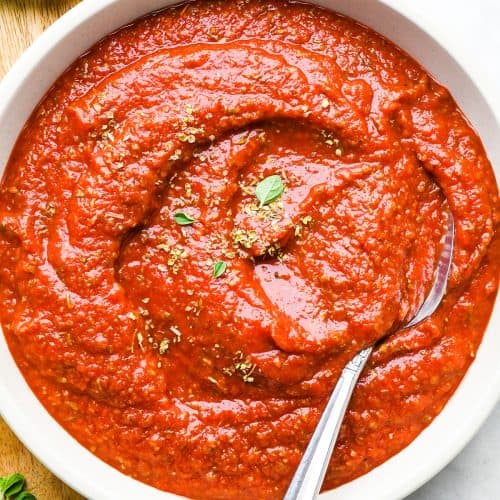
9. Alfredo Pizza Sauce
Alfredo sauce is creamy and cheesy, usually found on pasta, but it’s also delicious on pizza—especially with chicken, broccoli, or bacon.
Ingredients:
- 2 tablespoons butter
- 1 cup heavy cream
- 1 cup grated Parmesan cheese
- 2 garlic cloves, minced
- 1/2 teaspoon salt
- 1/4 teaspoon black pepper
Instructions:
- Melt butter in a saucepan over medium heat.
- Add garlic and cook for 1 minute.
- Pour in cream and bring to a simmer.
- Stir in Parmesan cheese, salt, and pepper.
- Cook for 3–5 minutes, stirring, until sauce thickens.
- Remove from heat and let cool before using on pizza.
Tips: Alfredo sauce thickens as it cools. Spread while still warm for best results.
Beginner’s Mistake: Overcooking the sauce can make it grainy. Remove from heat as soon as it thickens.
Practical Example: For a lighter version, use half-and-half or whole milk instead of cream, and reduce Parmesan by half. You can add a handful of chopped spinach or sun-dried tomatoes for color and flavor. If the sauce separates, whisk in a tablespoon of hot water to bring it back together.
Non-Obvious Insight: Add a pinch of ground nutmeg for traditional Italian flavor—it gives Alfredo sauce a subtle warmth that pairs well with cheese.
10. Herbed Olive Oil Pizza Sauce (pizza Bianca)
Sometimes, less is more. Pizza Bianca means “white pizza,” and uses no tomato at all—just herbed olive oil for a light, crispy, and aromatic base.
Ingredients:
- 1/2 cup extra-virgin olive oil
- 2 garlic cloves, minced
- 1 tablespoon fresh rosemary, chopped (or 1 teaspoon dried)
- 1 tablespoon fresh thyme, chopped (or 1 teaspoon dried)
- 1/2 teaspoon salt
- 1/4 teaspoon black pepper
Instructions:
- Mix olive oil, garlic, rosemary, thyme, salt, and pepper in a small bowl.
- Brush generously over pizza dough.
- Top with cheese and bake as usual.
Tips: Use high-quality olive oil for the best flavor.
Non-Obvious Insight: Rub the herbs between your fingers before adding to release more aroma.
Extra Detail: You can add lemon zest or a pinch of chili flakes for a different twist. This sauce also works as a dipping oil for pizza crusts. For a vegan pizza, use this sauce with vegetables and omit cheese.
Beginner’s Miss: Not brushing the crust edges with herbed oil—this creates a golden, flavorful finish.
—
Comparing Pizza Sauce Types
Here’s a look at how these sauces differ in flavor, prep time, and ideal pizza pairings:
| Sauce Type | Main Flavor | Prep Time | Best Toppings |
|---|---|---|---|
| Classic Italian Tomato | Fresh, herby, balanced | 20 min | Pepperoni, mozzarella, veggies |
| No-Cook Quick | Bright, tangy | 5 min | Cheese, ham, mushrooms |
| Arrabbiata | Spicy, garlicky | 20 min | Sausage, onions, hot peppers |
| White Garlic | Creamy, savory | 10 min | Chicken, spinach, mushrooms |
| Pesto | Herby, nutty | 10 min | Tomatoes, chicken, feta |
| Sun-Dried Tomato | Sweet, tangy | 5 min | Goat cheese, olives, artichokes |
| BBQ | Sweet, smoky | 5 min | Chicken, bacon, onions |
| Roasted Red Pepper | Sweet, smoky | 5 min | Feta, grilled veggies, arugula |
| Alfredo | Creamy, cheesy | 10 min | Broccoli, bacon, chicken |
| Herbed Olive Oil | Herby, aromatic | 2 min | Ricotta, mozzarella, herbs |
Extra Explanation: Notice how sauces with a shorter prep time (like No-Cook Quick or BBQ) are great for last-minute pizza cravings, while those that simmer (Classic, Arrabbiata) give deeper, more developed flavors. Creamy sauces and olive oil bases are best when you want the toppings to stand out or when you’re making specialty pizzas.
Essential Ingredients For Pizza Sauce
Not all pizza sauces are the same, but many use a similar set of ingredients. Here’s a breakdown of what you’ll commonly need and why each matters.
| Ingredient | Purpose | Common Sauces |
|---|---|---|
| Tomatoes | Base for flavor, texture | Classic, Arrabbiata, Sun-dried, BBQ |
| Olive Oil | Richness, helps dissolve flavors | All, especially Bianca, Pesto |
| Garlic | Sharp, aromatic depth | Classic, White, Arrabbiata |
| Herbs | Freshness, complexity | All except Alfredo |
| Cheese | Creaminess, umami | Pesto, Alfredo, White |
| Cream or Milk | Thickness, smoothness | Alfredo, White |
| Spices | Kick, heat, balance | Arrabbiata, BBQ, Roasted Red Pepper |
Extra Example: If you ever run out of an ingredient, think about substitutes. For example, swap fresh basil with dried (but use less), or use cashews instead of pine nuts in pesto. Even simple changes can create a sauce that’s unique to you.
How To Choose The Right Pizza Sauce
Picking the perfect sauce depends on your taste, the pizza style, and even how much time you have. Here’s how to decide:
- Classic Tomato works for nearly any pizza and is best for those who love tradition.
- No-Cook Quick Sauce is perfect if you want pizza in a hurry—no stove required.
- Arrabbiata is for those who love spicy food.
- White Garlic or Alfredo are ideal for creamy, cheesy pizzas—especially with chicken or spinach.
- Pesto brings a fresh, herbal punch and pairs well with light, summery toppings.
- Sun-Dried Tomato is great when you want sweet, bold flavor.
- BBQ Sauce is a must for American-style or meat-heavy pizzas.
- Roasted Red Pepper is perfect for vegetarians or anyone craving something unique.
- Herbed Olive Oil is best for light, crisp pizzas or when you want the toppings to shine.
Pro Insight: Always match the sauce to the topping. Rich toppings (like bacon or sausage) pair well with tangy sauces, while delicate toppings (like fresh greens or ricotta) need lighter sauces.
More Guidance: If you’re making pizza for a crowd, consider offering two sauces to please different tastes. For example, serve classic tomato and pesto side by side.
Sauce Storage And Make-ahead Tips
Homemade pizza sauce can often be made in advance. This not only saves time, but also improves flavor, especially with tomato-based sauces.
- Refrigerate: Most sauces keep for 3–5 days in an airtight container in the fridge.
- Freeze: Tomato-based, pesto, and BBQ sauces freeze well for up to 3 months. Creamy sauces (like Alfredo or White Garlic) can separate when frozen.
- Reheat gently: Warm sauce on the stove over low heat to keep the texture smooth.
Non-Obvious Insight: For best results, let sauce come to room temperature before spreading on dough. Cold sauce can slow baking and make pizza soggy.
Extra Detail: Freeze sauces in small portions (ice cube trays work well). That way, you can thaw only what you need. Label each sauce with the date so you don’t forget how long it’s been stored.
Practical Tips For Better Pizza Sauce
- Taste as you go: The biggest mistake is not tasting and adjusting salt, sugar, or herbs.
- Use quality ingredients: The better your tomatoes or olive oil, the better your sauce.
- Don’t over-sauce: Too much sauce can make pizza wet and heavy. Less is often more.
Additional Advice: If your sauce turns out too salty, add a bit more tomato or a squeeze of lemon to balance it out. And if you want a glossier sauce that browns beautifully in the oven, stir in a teaspoon of olive oil just before spreading.
Non-Obvious Insight: For a chewy crust, keep sauce off the very edge of the dough—this helps the crust puff and crisp without burning.
Frequently Asked Questions
How Much Pizza Sauce Should I Use On A 12-inch Pizza?
For a 12-inch pizza, use about 1/3 to 1/2 cup of sauce. Spread it evenly, leaving about 1/2 inch around the edge for the crust. Too much sauce can make the pizza soggy and prevent the crust from baking properly.
Further Tip: If you like extra sauce, serve some on the side for dipping baked slices.
Can I Freeze Leftover Pizza Sauce?
Yes! Most tomato-based sauces freeze very well. Place in airtight containers or freezer bags for up to 3 months. Thaw overnight in the fridge and stir well before using. Creamy sauces may separate after freezing, so it’s better to make those fresh or store for only a few days.
Extra Detail: When reheating frozen sauce, stir frequently to prevent uneven texture.
What’s The Difference Between Pizza Sauce And Pasta Sauce?
Pizza sauce is usually thicker, with stronger flavors and less water. It’s often uncooked or only lightly cooked, since it finishes in the oven. Pasta sauce is usually cooked longer and may include more herbs, vegetables, or meat. For more details, see this Wikipedia article about pizza sauce.
How Do I Make My Pizza Sauce Less Acidic?
If your sauce tastes too tart, add a pinch of sugar. This balances the acidity of tomatoes. You can also add a splash of cream or a bit of grated carrot to naturally sweeten the sauce.
Extra Insight: Roasting tomatoes before making sauce can also reduce acidity and add sweetness.
Can I Use Fresh Tomatoes Instead Of Canned?
Absolutely. Fresh tomatoes give a brighter, lighter flavor. Choose ripe, in-season tomatoes for best results. You may need to simmer the sauce a bit longer to thicken, since fresh tomatoes have more water.
Practical Tip: Peel tomatoes for a smoother sauce. Just score the skin, blanch in boiling water for 30 seconds, then slip off the skins.
—
No matter your style or taste, these 10 easy pizza sauce recipes give you the power to make better pizza at home. With just a few pantry ingredients and some simple steps, you can create sauces that beat anything from a jar.
Don’t be afraid to experiment—sometimes the best pizza is the one you invent yourself!
Leave a Reply