
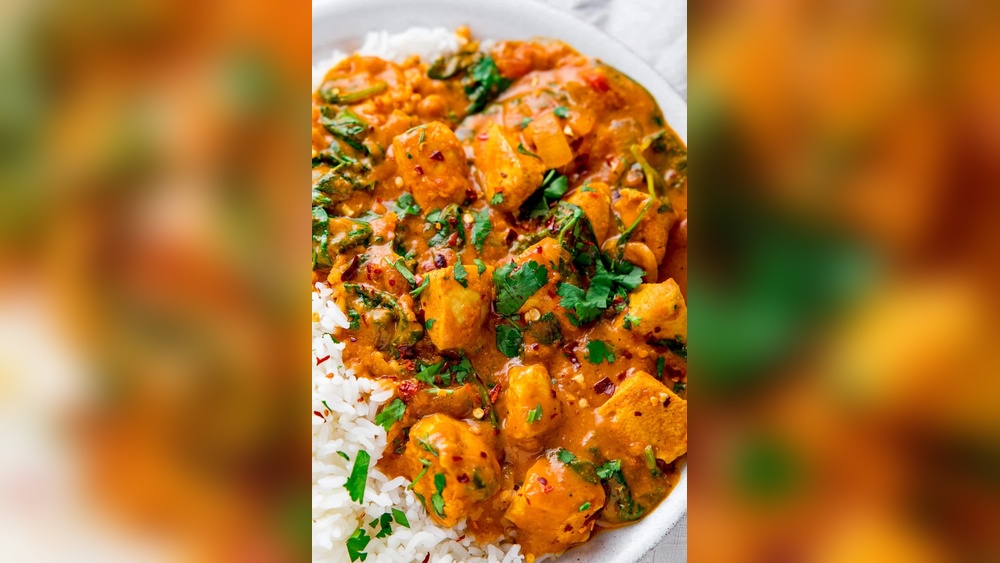
A warm kitchen filled with the aroma of spices can turn an ordinary evening into a cozy memory. Cooking chicken curry doesn’t need to be complicated or time-consuming. If you want something delicious and comforting, but only have a little time or experience, you’re in the right place. This guide will walk you through a quick and easy chicken curry recipe with clear steps, smart tips, and all the details you need to succeed—even if you’re new to cooking.
Chicken curry is a classic dish enjoyed around the world, especially in South Asia. It combines tender chicken, fragrant spices, and a creamy sauce, served hot with rice or bread. Many people think you need to spend hours in the kitchen or have special skills to get the flavor right.
The truth is, you can make a satisfying chicken curry in under 40 minutes, using simple ingredients found in most supermarkets. In this article, you’ll learn not only the recipe, but also how to adapt it for your taste, avoid common mistakes, and make the most of your kitchen time.
Let’s get started on a journey to a dish that’s as simple as it is flavorful. Whether you’re cooking for yourself, family, or friends, this recipe will help you create a meal everyone will remember.
Why Choose Chicken Curry For A Quick Meal
Chicken curry stands out as a top choice for quick, homemade meals for several reasons. First, chicken cooks quickly compared to other meats. You can use boneless, skinless chicken breast or thighs, both of which become tender and juicy in less than 30 minutes. Second, the ingredients are flexible. If you’re missing one spice, you can often substitute or skip it without ruining the dish.
Another reason is the one-pot convenience. You only need a single pan to cook everything, which saves time on cleanup. Also, chicken curry is naturally gluten-free and can be adapted for dairy-free diets, making it a safe choice for sharing with guests.
Most importantly, chicken curry delivers big flavor with little effort. The combination of onion, garlic, ginger, and curry spices creates a rich, aromatic sauce that tastes like you spent hours cooking.
Core Ingredients For Quick And Easy Chicken Curry
Before you start cooking, it’s important to gather the right ingredients. Here’s a list of what you need for a classic, quick chicken curry that serves four people.
Main Ingredients
- Chicken (Boneless, skinless): 500 grams (about 1 pound), cut into bite-size pieces
- Onion: 1 large, finely chopped
- Garlic: 3 cloves, minced
- Ginger: 1 tablespoon, grated or minced
- Tomato: 2 medium, chopped (or 1 can of diced tomatoes, about 400 grams)
- Cooking oil: 2 tablespoons (vegetable, sunflower, or canola)
- Yogurt or coconut milk: 1/2 cup (optional, for creaminess)
- Salt: To taste
Essential Spices
- Curry powder: 2 tablespoons (or use a mix of ground coriander, cumin, turmeric, and chili powder)
- Garam masala: 1 teaspoon (for extra aroma, optional)
- Turmeric: 1/2 teaspoon
- Cumin: 1 teaspoon
- Chili powder or paprika: 1/2 teaspoon (adjust for spice preference)
- Black pepper: 1/4 teaspoon
Garnishes And Sides
- Fresh coriander (cilantro): A handful, chopped
- Lemon or lime wedges: For serving
- Cooked rice, naan, or roti: As preferred
Ingredient Substitutions
If you can’t find certain ingredients, here are some easy swaps:
- Chicken: Substitute with tofu or chickpeas for a vegetarian version.
- Yogurt: Use coconut milk for a dairy-free curry.
- Curry powder: Mix 1 part ground coriander, 1 part ground cumin, 1/2 part turmeric, and a pinch of chili powder.
- Tomatoes: Tomato paste (2 tablespoons) plus water works in a pinch.
Step-by-step Chicken Curry Cooking Instructions
Cooking chicken curry is straightforward if you follow the right steps. Here’s how to do it, even if you’re new to the kitchen.
Step 1: Prepare Your Ingredients
Before you turn on the stove, chop the onion, garlic, ginger, and tomatoes. Cut the chicken into even pieces for fast, even cooking. Having everything ready makes the process smoother and helps prevent burning or missing a step.
Tip: Place each ingredient in a separate bowl. This keeps your workspace organized and makes it easier to add things quickly when needed.
Step 2: Sauté Aromatics
Heat oil in a large pan over medium heat. Add the chopped onion and cook for about 3-4 minutes, stirring often, until it turns soft and golden. Add the minced garlic and ginger, and cook for another minute. This base is key to building the curry’s flavor.
Non-obvious insight: If you let the onions brown a little more, your curry will have a deeper, sweeter taste. Don’t rush this step!
Step 3: Add Spices
Sprinkle the curry powder, turmeric, cumin, and chili powder into the pan. Stir constantly for about 30 seconds. This “toasting” wakes up the spices and releases their aroma. Be careful not to burn them—if the pan is too dry, add a splash of water.
Step 4: Cook Chicken
Add the chicken pieces to the pan. Stir well to coat them in the spices and onions. Cook for 5-6 minutes, turning the pieces so they brown on all sides. The chicken doesn’t need to be cooked through at this stage; just get some color and seal in the flavor.
Step 5: Add Tomatoes And Simmer
Add the chopped tomatoes (or canned tomatoes) to the pan. Stir to mix everything together. The tomatoes will release juice, forming the curry sauce. If the mixture looks dry, add 1/4 cup of water. Bring to a gentle simmer.
Cover the pan and cook for about 10 minutes. Stir occasionally to make sure nothing sticks. The chicken will cook through and the sauce will thicken.
Practical tip: If you like a smooth sauce, mash the tomatoes with your spoon as they cook, or use a hand blender before adding the chicken.
Step 6: Add Creaminess
After 10 minutes, reduce the heat to low. Stir in the yogurt or coconut milk, if using. This makes the curry creamy and balances the spices. Heat gently—do not boil—so the yogurt doesn’t split.
Step 7: Season And Finish
Taste the curry and add salt as needed. Sprinkle garam masala and half of the chopped coriander into the pan. Stir well. Simmer for another 2-3 minutes until everything is heated through.
Step 8: Serve Hot
Spoon the chicken curry into bowls. Top with the remaining coriander. Serve with cooked rice, naan, or roti, plus lemon or lime wedges for squeezing over the top.
Non-obvious insight: Let the curry rest for 5 minutes before serving. The flavors will blend, and the sauce will thicken slightly.
Cooking Time And Serving Size
A big advantage of this recipe is its speed. Here’s a breakdown of the time involved:
- Preparation: 10 minutes (chopping, measuring)
- Cooking: 25–30 minutes (from sautéing to final simmer)
- Total time: About 35–40 minutes
This recipe serves four people. If you want to cook for two, simply halve all the ingredients. For more guests, double the quantities and use a larger pan.
Common Mistakes And How To Avoid Them
Even easy recipes have pitfalls. Here are mistakes many people make with chicken curry—and how to avoid them.
- Adding all spices at once without sautéing onions: This creates a flat taste. Always cook onions first to build flavor.
- Cooking over high heat: Curry needs a gentle simmer, not a boil. High heat makes the sauce split and the chicken tough.
- Not seasoning enough: Always taste and adjust salt before serving. Under-salted curry tastes bland.
- Overcooking chicken: Chicken breast cooks fast and dries out if left too long. If you use thighs, they are more forgiving.
- Not letting the curry rest: Giving the curry a few minutes to sit after cooking allows the flavors to develop.
How To Adjust Spice And Flavor
Curry can be as mild or as spicy as you like. Here’s how to control the flavor:
- For less heat, use less chili powder and remove seeds from fresh chilies if you add them.
- For more heat, add a chopped green chili or extra chili powder with the onions.
- For a tangier curry, add a squeeze of lemon juice at the end.
- For a richer sauce, increase yogurt or coconut milk.
Example: If you’re cooking for children, use only 1/4 teaspoon chili powder and add more coconut milk for sweetness.
How To Store And Reheat Chicken Curry
Chicken curry keeps well in the fridge or freezer, making it perfect for meal prep or leftovers.
- Refrigerator: Store in a covered container for up to 3 days.
- Freezer: Cool completely, then freeze in airtight containers for up to 2 months.
When reheating, do it gently over low heat. Add a splash of water or coconut milk to loosen the sauce. Stir often to prevent sticking. Avoid microwaving for too long, as this can dry out the chicken.
Tip: Curry often tastes better the next day, as the flavors deepen overnight.
Nutritional Value And Health Benefits
Homemade chicken curry is not only tasty but also full of nutrients.
- Chicken: A great source of protein, which builds muscle and keeps you full.
- Spices: Turmeric and ginger have anti-inflammatory properties.
- Tomatoes: Rich in vitamin C and lycopene.
- Yogurt or coconut milk: Adds calcium or healthy fats.
A typical serving (without rice) contains about:
- 250–300 calories
- 30g protein
- 10g fat
- 8g carbs
If you want to lower calories, use low-fat yogurt and less oil. For more fiber, add vegetables like spinach or peas.
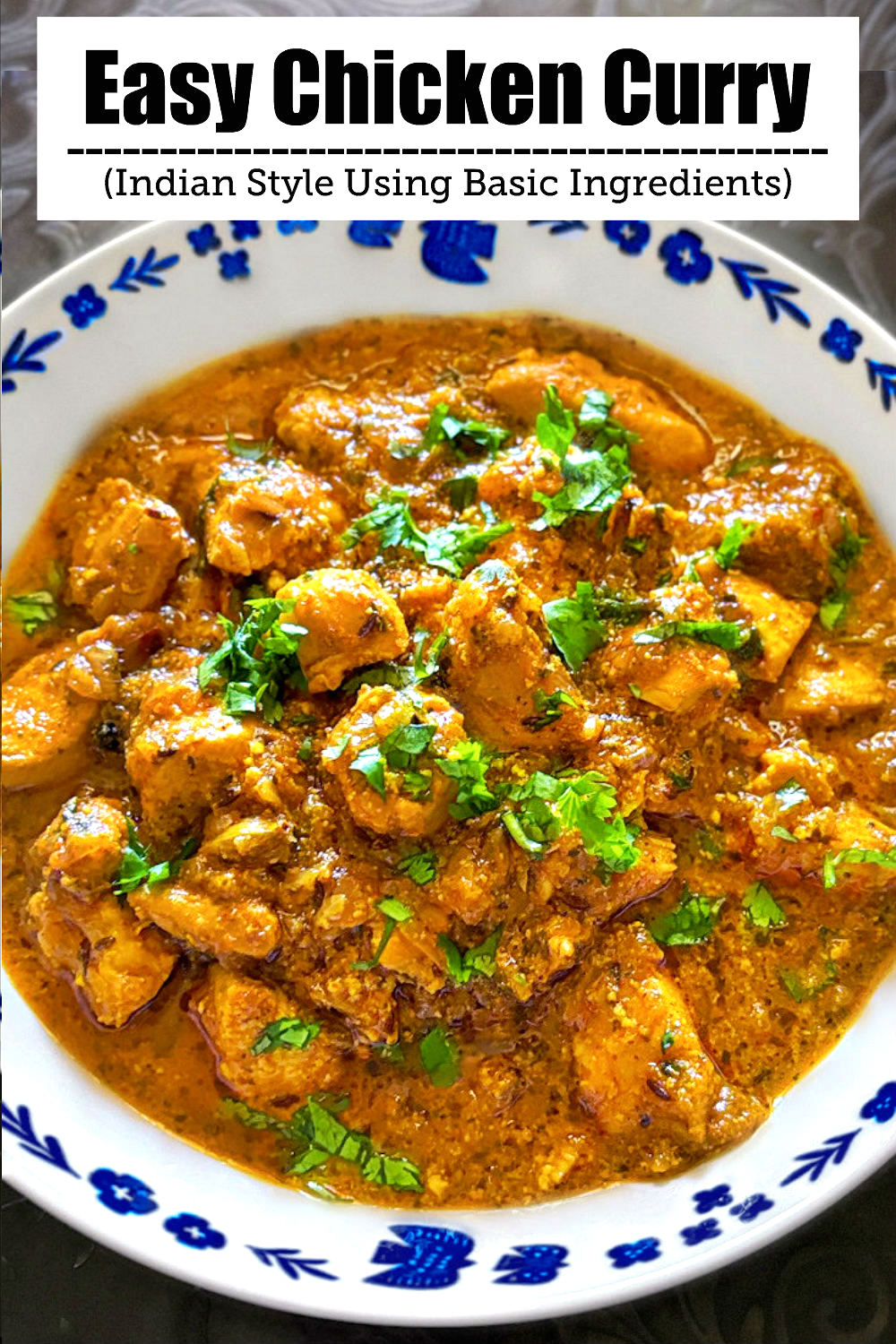
How To Make Chicken Curry In One Pot
Busy cooks will appreciate that this recipe uses only one pan. Here’s why this matters:
- Saves time on cleaning
- Keeps all the flavor in the pot
- Easy to monitor cooking and adjust as needed
If you use a non-stick or heavy-bottomed pan, you’re less likely to burn the spices or sauce. Stainless steel or cast iron pans also work well, but watch the heat.
Chicken Curry Variations You Can Try
Once you’ve mastered the basic recipe, try these simple changes to keep things interesting:
- Vegetable chicken curry: Add diced potatoes, carrots, or bell peppers with the onions for more texture and nutrition.
- Spinach chicken curry: Stir in a handful of fresh spinach at the end for color and vitamins.
- Cashew chicken curry: Blend a handful of soaked cashews with water, then add to the sauce for extra creaminess.
- Thai-style chicken curry: Swap curry powder for Thai red curry paste and use coconut milk only.
- Peanut chicken curry: Add 2 tablespoons of peanut butter with the tomatoes for a nutty twist.
Changing just one or two ingredients can give you a whole new meal.
How To Make Chicken Curry For Special Diets
Chicken curry is easy to adapt for different diets:
- Gluten-free: The basic recipe has no wheat. Just check that your spices are gluten-free.
- Dairy-free: Use coconut milk instead of yogurt.
- Low-carb: Serve with cauliflower rice instead of regular rice.
- Vegetarian: Replace chicken with chickpeas, tofu, or paneer.
Practical example: For a dairy-free version, use 1/2 cup coconut milk instead of yogurt, and skip any butter.
Serving Suggestions And Pairings
To turn your chicken curry into a full meal, try these sides and toppings:
- Basmati rice: Fluffy, long-grain rice that soaks up the sauce.
- Naan or roti: Soft, chewy breads for scooping up curry.
- Cucumber raita: Yogurt mixed with cucumber and mint, to cool down the spice.
- Pickled onions or mango chutney: Adds sweetness and tang.
- Salad: A simple tomato and onion salad balances the richness.
Mix and match to suit your taste or what you have at home.
Equipment Needed For Quick Chicken Curry
You don’t need fancy equipment to make chicken curry. Here’s what helps:
- Large frying pan or sauté pan: At least 10 inches wide, with a lid.
- Chopping board and sharp knife: For prepping ingredients.
- Measuring spoons: For spices.
- Wooden spoon or spatula: For stirring.
If you want smoother sauce, a hand blender is a bonus, but not required.
Comparing Chicken Cuts For Curry
Which part of the chicken should you use? Here’s a quick comparison:
| Cut | Texture | Cooking Time | Flavor | Price (average) |
|---|---|---|---|---|
| Breast | Lean, firm | Quick (8–10 min) | Mild | Medium |
| Thigh | Juicy, tender | Medium (12–15 min) | Rich | Lower |
| Leg/Drumstick | Chewy, moist | Longer (20+ min) | Strong | Low |
Tip: For fastest cooking, use boneless, skinless chicken breast or thigh.
Comparing Yogurt Vs. Coconut Milk
Creamy chicken curry usually uses either yogurt or coconut milk. Here’s how they compare:
| Creamy Ingredient | Flavor | Texture | Calories (1/2 cup) | Best For |
|---|---|---|---|---|
| Yogurt | Tangy | Light, smooth | 70–80 | Lighter, tangy curries |
| Coconut Milk | Sweet, nutty | Thick, rich | 200–220 | Creamy, dairy-free curries |
Insight: If you want a richer sauce, use coconut milk. For a lighter, lower-calorie option, use yogurt.
Step-by-step Example: Cooking Chicken Curry With Photos
While this article cannot provide live photos, here’s a clear step-by-step guide you can visualize:
- Chop onion, garlic, ginger, tomatoes, and chicken.
- Heat oil in a pan.
- Sauté onion until golden.
- Add garlic and ginger, cook for 1 minute.
- Stir in spices, toast for 30 seconds.
- Add chicken, brown for 5–6 minutes.
- Add tomatoes, simmer for 10 minutes.
- Stir in yogurt or coconut milk, heat gently.
- Season, sprinkle coriander, and serve.
Following these steps gives you a reliable result every time.
Pro Tips For The Best Quick Chicken Curry
Here are some chef-level tips that take your curry to the next level—even if you’re a beginner:
- Use fresh spices: Spices lose flavor over time. If yours are more than a year old, consider replacing them.
- Bloom the spices: Always fry spices briefly in oil for deeper flavor.
- Cut chicken evenly: Similar-sized pieces cook at the same rate.
- Use a heavy pan: This helps prevent burning, especially for the onions and spices.
- Rest before serving: Letting the curry sit for a few minutes makes a big difference.
What To Do If Your Curry Is Too Spicy
Sometimes you add too much chili and the curry is too hot. Here’s how to fix it:
- Add more yogurt or coconut milk: This cools down the spice quickly.
- Serve with extra rice or bread: These help balance the heat.
- Add a spoon of sugar or honey: Sweetness tones down the spice.
- Squeeze in lemon juice: Acid can cut the heat.
Practical example: If your curry is too spicy for kids, add 1/4 cup coconut milk and 1/2 teaspoon sugar, stir well, and taste again.
How To Add More Vegetables
Curry is a great way to use up extra vegetables. Here’s how:
- Add diced carrots, bell peppers, or peas with the onions.
- Stir in spinach or kale at the end.
- Use canned chickpeas or beans instead of half the chicken for more fiber.
Tip: Chop veggies small so they cook quickly.
How To Batch-cook And Freeze Chicken Curry
If you want to save time, make a double batch of chicken curry. Here’s how:
- Use a large pot and double all ingredients.
- Cook as normal, making sure the chicken is cooked through.
- Cool curry quickly before storing in containers.
- Freeze in single-meal portions.
When ready to eat, defrost in the fridge overnight and reheat gently.
Insight: Batch-cooking is more efficient and makes weekday meals easier.
Quick Chicken Curry For Beginners: Real-life Example
Many people try chicken curry for the first time after tasting it at a restaurant. But homemade curry can be just as good—and healthier. One beginner, Sarah, tried this recipe for her family. She had never cooked with spices before and worried it would be too hard.
By following each step and tasting as she went, she made a curry her kids loved. She used coconut milk for creaminess and added carrots for extra nutrition.
Her main tips for new cooks:
- Measure all spices before starting.
- Don’t skip the onion step.
- Taste and adjust before serving.
How To Make Chicken Curry In An Instant Pot
For even more convenience, you can use a pressure cooker or Instant Pot. Here’s how:
- Use the sauté function to cook onions, garlic, ginger, and spices.
- Add chicken and tomatoes, stir well.
- Lock the lid and cook on high pressure for 6 minutes.
- Quick-release, then stir in yogurt or coconut milk.
- Simmer for 2 minutes, season, and serve.
Non-obvious insight: Pressure cooking can make chicken even more tender and the sauce thicker.
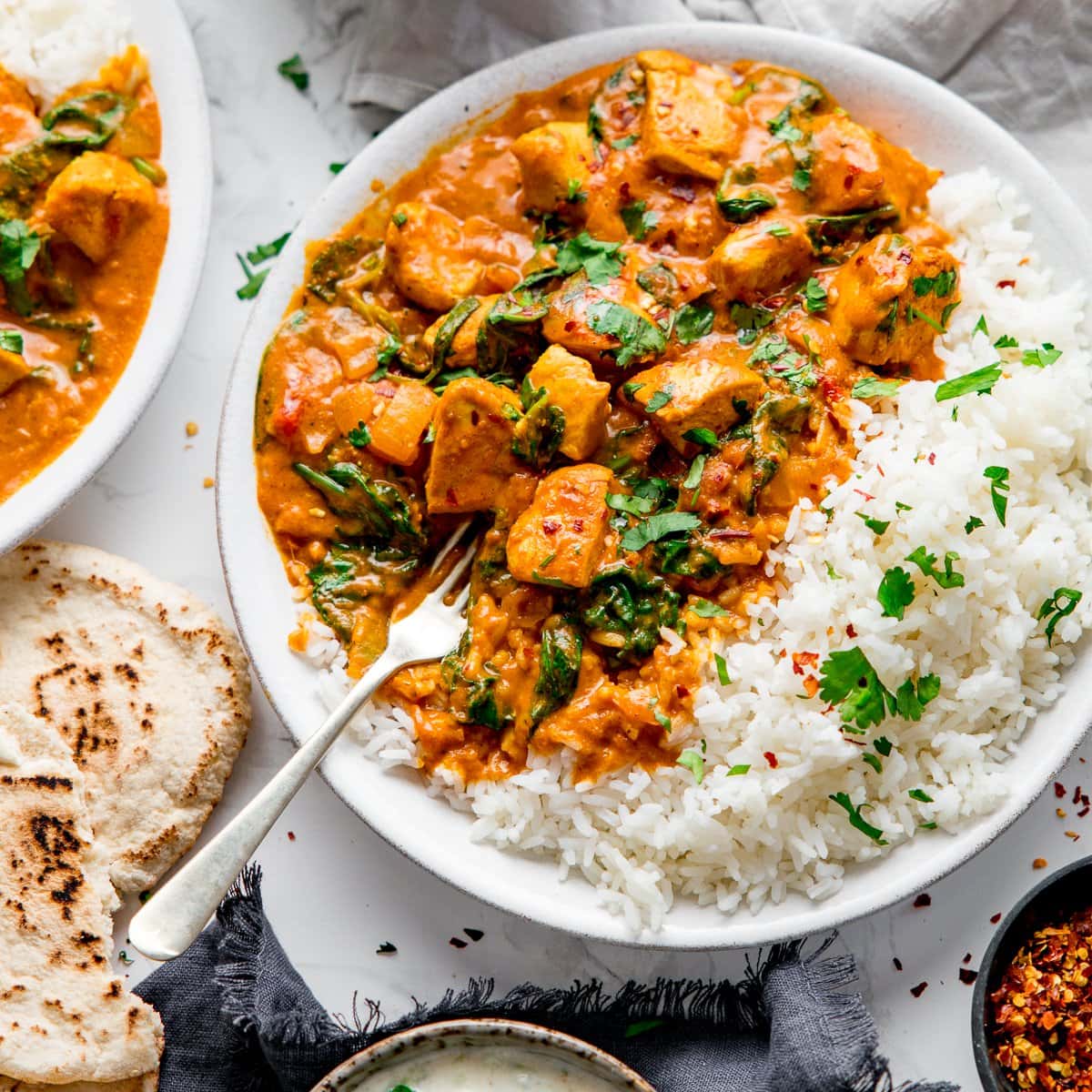
Comparing Homemade Vs. Restaurant Chicken Curry
Is it worth making chicken curry at home? Here’s a quick comparison:
| Aspect | Homemade | Restaurant |
|---|---|---|
| Cost per serving | $2–$3 | $8–$15 |
| Control over ingredients | High | Low |
| Calories (average) | 300–350 | 500–700 |
| Customizable | Yes | No |
| Cooking/Waiting time | 35–40 min | 30–60 min |
Making curry at home is cheaper, healthier, and you can adjust the flavor to your liking.
How To Shop For The Best Chicken For Curry
Good chicken makes a big difference. Here’s what to look for:
- Freshness: Buy chicken with a pink color and no odor.
- Cut: Boneless, skinless breast or thigh is easiest.
- Organic or free-range: If possible, choose these for better taste and welfare.
Tip: If you buy frozen chicken, thaw it safely in the fridge overnight before cooking.
Spice Storage And Shelf Life
Good spices mean good curry. Here’s how to keep them fresh:
- Store spices in airtight containers, away from heat and light.
- Use ground spices within 1 year for best flavor.
- Whole spices last longer—up to 2–3 years.
Practical example: If you notice your curry powder smells weak, it’s time to buy a new jar.
Chicken Curry Around The World
Chicken curry is popular worldwide, with different styles in each region:
- India: Uses many spices and often includes cream or yogurt.
- Thailand: Uses curry paste and coconut milk.
- Jamaica: Features allspice and Scotch bonnet pepper.
- Malaysia: Often includes lemongrass and potatoes.
You can find more about global curry styles on Wikipedia.
How To Make Chicken Curry For A Crowd
Need to cook for a group? Here’s how:
- Multiply ingredients by the number of people.
- Use a large pot to prevent boiling over.
- Taste and adjust spices after simmering, as large batches may need more seasoning.
Tip: Serve with a rice cooker or bread basket to save time.
How To Thicken Or Thin Curry Sauce
If your sauce is too thick, add a little water, coconut milk, or chicken broth. If it’s too thin, simmer uncovered for a few minutes to reduce, or mash some of the cooked vegetables into the sauce.
When To Make Chicken Curry
Chicken curry works for many occasions:
- Quick weeknight dinner
- Meal prep for busy days
- Casual parties or potlucks
- Comfort food on cold nights
It’s a dish that suits both everyday meals and special moments.
How To Involve Kids In Making Chicken Curry
Cooking together is a great family activity. Kids can help by:
- Washing vegetables
- Measuring spices
- Stirring the pot with supervision
Practical tip: Let kids sprinkle the chopped coriander on top before serving.

Frequently Asked Questions
What Is The Fastest Way To Cook Chicken Curry?
The fastest method is to use boneless, skinless chicken breast or thigh, cut into small pieces. Use high heat to sauté, then simmer gently with tomatoes and spices. If you’re very short on time, an Instant Pot can reduce cooking to 15 minutes.
Can I Use Store-bought Curry Paste Instead Of Powder?
Yes, you can. Curry paste gives a different flavor but works well for a quick meal. Use 2–3 tablespoons, and adjust salt and chili to taste. Reduce other spices if using a strong paste.
How Do I Make Chicken Curry Less Spicy For Children?
Use less chili powder or skip it altogether. Add extra coconut milk or yogurt for a milder flavor. Serve with plenty of rice or bread to balance the heat.
Is Chicken Curry Healthy?
Yes, especially when homemade. It’s rich in protein, vitamins, and anti-inflammatory spices. Use less oil and more vegetables for a healthier version. Avoid heavy cream or too much coconut milk if watching calories.
Can I Freeze Chicken Curry?
Absolutely. Cool the curry completely, then freeze in airtight containers for up to 2 months. Thaw overnight in the fridge and reheat gently before serving.
Cooking chicken curry at home is easier than many people think. With simple steps, common ingredients, and a little practice, you can create a meal that’s both quick and satisfying. Once you’re comfortable with the basics, you can customize the recipe to fit your taste, diet, or what’s in your kitchen.
The best part is sharing a homemade dish with friends or family, knowing exactly what’s in your food.
So next time you want something comforting and flavorful, try this quick and easy chicken curry recipe. You might find it becomes a new favorite in your meal rotation.
Leave a Reply