
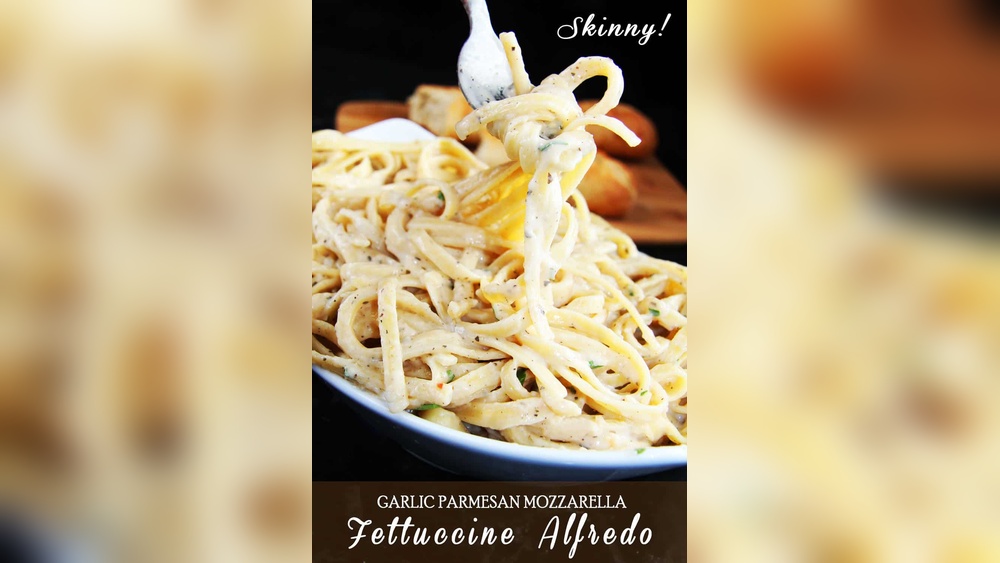
Mozzarella Alfredo Pasta is a dish that captures the heart of Italian-inspired comfort food. Creamy, rich, and loaded with the stretchy goodness of mozzarella, this pasta is a favorite for both quick family dinners and cozy gatherings with friends. But what makes this dish stand out from the classic Alfredo or other cheesy pasta recipes?
And how can you create a version that’s not just good, but truly memorable?
If you’ve ever tasted traditional Alfredo, you might know it uses Parmesan cheese and a simple cream sauce. Mozzarella Alfredo Pasta takes that base and turns up the indulgence with gooey, melt-in-your-mouth mozzarella cheese. The result is a sauce that’s silkier, thicker, and has a mild, milky flavor that appeals to almost everyone.
In this guide, you’ll learn everything about Mozzarella Alfredo Pasta—from its origins, essential ingredients, and step-by-step cooking instructions, to tips for perfect texture and flavor. You’ll also discover creative variations, serving ideas, and answers to common questions so you can serve this dish with confidence.
The Story Behind Mozzarella Alfredo Pasta
Mozzarella Alfredo Pasta is not a dish with centuries of tradition, but rather a modern twist on classic Italian flavors. The original Fettuccine Alfredo was invented in Rome in the early 20th century by Alfredo di Lelio, who created it for his wife. The traditional recipe uses just butter and Parmesan, creating a rich, creamy sauce that coats the pasta.
As Italian cuisine spread worldwide, cooks began adding new ingredients to make Alfredo even creamier and cheesier. In the United States, heavy cream and more cheese became standard. Mozzarella entered the scene as a way to give Alfredo sauce a stretchy, luxurious texture and a milder flavor. Today, Mozzarella Alfredo Pasta is especially popular in home kitchens and restaurants that want to offer a heartier, more comforting dish.
One reason for its popularity is its flexibility: you can use different pasta shapes, add vegetables or proteins, and even adjust the cheese blend to suit your taste. This adaptability makes it a go-to recipe for busy cooks and creative food lovers alike.
What Makes Mozzarella Alfredo Pasta Unique?
The defining feature of Mozzarella Alfredo Pasta is the combination of creamy Alfredo sauce with the stretch and melt of mozzarella cheese. Here’s what sets it apart:
- Texture: Mozzarella melts smoothly and creates long, stretchy strands. This gives the sauce a satisfying, almost pizza-like pull that’s fun to eat.
- Flavor: Unlike sharp Parmesan or tangy Romano, mozzarella is mild and milky. It doesn’t overpower the sauce, making it kid-friendly and appealing to those who prefer gentle flavors.
- Versatility: The sauce pairs well with many add-ins, from grilled chicken to sautéed mushrooms, sun-dried tomatoes, or spinach.
Many beginners think you can simply add mozzarella to any Alfredo sauce, but the technique matters. Mozzarella can get stringy if overheated, or separate if not blended correctly. Perfecting this dish is about balance and timing.

Key Ingredients And Their Roles
Before you start cooking, it helps to understand what each ingredient does in the recipe. This knowledge lets you substitute or adjust the recipe without losing quality.
| Ingredient | Main Role | Tips |
|---|---|---|
| Pasta | Base for the sauce | Fettuccine, penne, or rigatoni work best |
| Butter | Richness, smooth sauce | Use unsalted to control sodium |
| Heavy Cream | Creates creamy texture | Do not boil, or it may split |
| Mozzarella Cheese | Melty, stretchy texture | Shred fresh for best melt |
| Parmesan Cheese | Umami, sharpness | Grate just before adding |
| Garlic | Flavor depth | Use fresh, not powder |
| Salt & Pepper | Balance flavors | Add to taste at the end |
Some recipes add Italian herbs, red pepper flakes, or a touch of nutmeg for extra flavor. But the classic version keeps things simple, letting the cheese shine.
Step-by-step: How To Make Mozzarella Alfredo Pasta
Cooking Mozzarella Alfredo Pasta is straightforward, but small details make a big difference. Here’s how to get it just right.
Ingredients (serves 4)
- 12 ounces (340g) pasta (fettuccine, penne, or rigatoni)
- 2 tablespoons unsalted butter
- 2 cloves garlic, minced
- 1 1/2 cups heavy cream
- 1 cup shredded mozzarella cheese (low-moisture, whole milk is best)
- 1/2 cup freshly grated Parmesan cheese
- Salt and black pepper, to taste
- Optional: Chopped parsley, extra cheese, or chili flakes for serving
Equipment Needed
- Large pot for boiling pasta
- Large skillet or saucepan
- Wooden spoon or silicone spatula
- Cheese grater
Cooking Instructions
- Boil the pasta. Fill a large pot with water, add a generous pinch of salt, and bring to a boil. Cook the pasta according to package instructions until just al dente. Reserve 1/2 cup pasta water, then drain and set aside.
- Make the sauce base. In a large skillet over medium heat, melt the butter. Add the minced garlic and cook for 1 minute, just until fragrant. Do not let it brown.
- Add cream. Pour in the heavy cream and stir well. Heat until steaming, but not boiling. If you see bubbles around the edge, lower the heat.
- Melt the cheese. Sprinkle in the mozzarella and Parmesan, a handful at a time, stirring constantly. Allow each addition to melt before adding more. This prevents clumping and ensures a smooth sauce.
- Season. Taste the sauce and add salt and black pepper as needed. If the sauce gets too thick, add a splash of reserved pasta water to loosen it.
- Combine. Add the drained pasta to the sauce and toss until every piece is well-coated. If desired, add more cheese or herbs at this stage.
- Serve. Transfer to bowls or a serving platter. Top with more Parmesan, parsley, or chili flakes if you like.
Cooking Time
- Prep time: 10 minutes
- Cooking time: 20 minutes
- Total: About 30 minutes
Serving Size
This recipe serves 4 generous portions.
Common Mistakes And How To Avoid Them
Even simple recipes have pitfalls. Here’s how to sidestep the most common problems with Mozzarella Alfredo Pasta:
- Sauce is too thick or stringy. Overheating mozzarella makes it rubbery. Keep the heat low and add cheese gradually.
- Sauce is grainy. Pre-grated cheese often contains anti-caking agents that don’t melt smoothly. Shred your own mozzarella and Parmesan.
- Sauce separates. If cream boils, the fat may split from the liquid. Keep the sauce just below boiling and stir often.
- Pasta is bland. Always salt your pasta water well—this is your main chance to add flavor to the noodles.
- Sauce doesn’t stick to pasta. Toss the pasta in the sauce immediately, while both are hot. If needed, use reserved pasta water to help the sauce cling.
One non-obvious tip: Adding a small spoonful of cream cheese or ricotta can help stabilize the sauce, making it creamier and less likely to separate. Many chefs use this trick, but it’s rarely mentioned in basic recipes.
Choosing The Best Pasta Shape
While fettuccine is classic for Alfredo-style sauces, Mozzarella Alfredo works with many types of pasta. The sauce is thick and cheesy, so you want a shape that can hold on to it.
| Pasta Shape | Benefits | Downsides |
|---|---|---|
| Fettuccine | Wide, flat; holds sauce well | May stick together if not stirred |
| Penne | Tubes catch sauce inside | Slightly more cooking time |
| Rigatoni | Large, ridged; extra sauce cling | Needs more sauce for coverage |
| Rotini | Spirals trap cheese | Less traditional look |
| Spaghetti | Easy to find, cooks fast | Sauce slides off easily |
For a classic presentation, choose fettuccine or tagliatelle. For a more playful or family-friendly version, penne or rigatoni are great.
Creative Variations To Try
Mozzarella Alfredo Pasta is a blank canvas for all kinds of flavors. Here are some popular and easy ways to customize your dish:
1. Chicken Mozzarella Alfredo
Slice cooked chicken breast or thigh and toss it in with the pasta. For best flavor, season the chicken with Italian herbs before cooking.
2. Shrimp Alfredo
Sauté peeled shrimp in garlic and butter, then add to the sauce just before serving. Seafood pairs well with the mild cheese.
3. Vegetable Alfredo
Add steamed broccoli, roasted red peppers, spinach, or peas. Vegetables bring color and nutrients.
4. Baked Mozzarella Alfredo
After tossing the pasta with sauce, transfer to a baking dish, top with extra mozzarella, and broil until golden and bubbly.
5. Spicy Alfredo
Stir in red pepper flakes, or use pepper jack cheese for a gentle kick.
6. Three-cheese Alfredo
Blend mozzarella with sharp provolone and Parmesan for a more complex flavor.
7. Truffle Alfredo
Add a dash of truffle oil or shaved truffle for a gourmet upgrade.
Some cooks also use whole-wheat or gluten-free pasta for a healthier version. Just remember, these types may need more sauce to avoid dryness.
One advanced tip: For deeper flavor, try browning the butter before adding the cream. This creates a nutty, caramelized base that makes the final dish unforgettable.
Serving And Presentation Tips
How you serve Mozzarella Alfredo Pasta can make a big difference in taste and visual appeal. Here are some simple tips:
- Warm your bowls or plates before serving. Alfredo sauce cools and thickens quickly, so a hot plate keeps it creamy longer.
- Garnish with fresh parsley, cracked black pepper, or a dusting of extra Parmesan. For a burst of color, add thin-sliced sun-dried tomatoes or roasted cherry tomatoes.
- Serve with a side of crusty bread or garlic toast to soak up any leftover sauce.
- Pair with salad for a balanced meal. A crisp green salad with lemon vinaigrette cuts through the richness of the cheese.
If serving for guests, consider portioning the pasta with tongs into tall “nests” for a restaurant-style look. Wipe the plate edges for a clean finish.
Nutrition And Health Insights
Mozzarella Alfredo Pasta is not a low-calorie dish, but you can make it healthier with smart choices. Here’s a quick look at the nutrition per serving (based on classic ingredients, without add-ins):
- Calories: 600–700
- Protein: 18–22g
- Fat: 30–35g
- Carbohydrates: 60–70g
- Calcium: High, thanks to the cheese
To lighten the dish:
- Use half-and-half or whole milk instead of heavy cream (the sauce will be thinner).
- Choose part-skim mozzarella.
- Add extra vegetables to increase fiber and vitamins.
- Serve smaller portions with a large salad.
One thing beginners often miss: Low-moisture mozzarella melts much better than fresh mozzarella balls. Fresh mozzarella can release water, making the sauce runny.
Storing And Reheating Leftovers
Mozzarella Alfredo Pasta is best served fresh, but leftovers can be stored and enjoyed later if handled properly.
- Storage: Let the pasta cool completely before transferring to an airtight container. Store in the refrigerator for up to 3 days.
- Reheating: Place in a skillet with a splash of milk or cream. Heat gently, stirring often, until warmed through. Microwaving can make the cheese rubbery, so stovetop is best.
- Freezing: Not recommended. Cream-based sauces can separate when frozen and reheated.
If the sauce looks separated after reheating, whisk in a bit more hot cream or a spoonful of cream cheese to bring it back together.
Mozzarella Alfredo Pasta Vs. Classic Alfredo
You might wonder how Mozzarella Alfredo Pasta compares to the traditional version. Here’s a quick side-by-side:
| Feature | Mozzarella Alfredo Pasta | Classic Alfredo Pasta |
|---|---|---|
| Main Cheese | Mozzarella + Parmesan | Parmesan only |
| Texture | Creamy, stretchy, gooey | Velvety, smooth |
| Flavor | Mild, milky, less salty | Sharp, nutty, salty |
| Calories | Slightly higher (more cheese) | Lower |
| Best For | Comfort food, cheese lovers, families | Pasta purists, simple flavors |
If you love gooey cheese pulls and a heartier sauce, Mozzarella Alfredo Pasta is the winner. If you prefer a lighter, more traditional taste, stick with classic Alfredo.
Pairing Mozzarella Alfredo Pasta With Drinks And Sides
A rich pasta dish calls for the right sides and beverages. Here are some ideas to complete your meal:
- Wine: A crisp, dry white wine like Pinot Grigio or Sauvignon Blanc cuts the richness of the cheese. For red wine lovers, try a light Pinot Noir.
- Non-alcoholic: Sparkling water with lemon or unsweetened iced tea helps cleanse the palate between bites.
- Salad: Arugula or mixed greens with a tangy vinaigrette.
- Vegetables: Roasted asparagus, sautéed green beans, or grilled zucchini.
- Bread: Simple garlic bread or focaccia.
For dessert, keep it light—sorbet or fresh berries are a good match.
Troubleshooting: Sauce Problems And Solutions
Even experienced cooks can run into trouble with Alfredo sauce. Here’s how to fix common issues:
- Sauce is oily: Too much heat or using pre-shredded cheese. Lower the heat and use freshly grated cheese.
- Sauce is too thick: Add a few tablespoons of reserved pasta water or more cream.
- Sauce is too thin: Add more mozzarella in small amounts, melting each addition fully before adding more.
- Cheese won’t melt: Cheese was added to boiling cream or the sauce is too cold. Keep the sauce warm and add cheese slowly.
A helpful trick: If your sauce breaks (looks curdled), blend it with an immersion blender or whisk in a tablespoon of soft cheese like ricotta. This brings it back together without waste.
Making Mozzarella Alfredo Pasta For A Crowd
Cooking for a larger group? The good news is that this dish scales up easily. Use a wider skillet or a large, deep pan to handle more pasta and sauce at once. For big batches, consider finishing the pasta in the oven as a baked casserole.
This way, the cheese gets golden and everyone can serve themselves.
Just remember to cook the pasta until slightly underdone before baking, since it will continue to cook in the sauce.

Where To Find The Best Mozzarella Alfredo Pasta
While homemade is often best, many restaurants and even some fast-casual chains serve their own versions of Mozzarella Alfredo Pasta. When dining out, look for places that use fresh cheese and make the sauce to order.
For more information on the history of Alfredo sauce, check out the Wikipedia entry on Fettuccine Alfredo.
Frequently Asked Questions
What’s The Best Mozzarella For Alfredo Sauce?
Use low-moisture, whole milk mozzarella for the best melt and stretch. Fresh mozzarella can add water and make the sauce runny, while part-skim melts but has less flavor.
Can I Make Mozzarella Alfredo Pasta Without Cream?
Yes, you can use whole milk or a mix of milk and a little butter. The sauce will be lighter and less thick, but still tasty. For a creamy texture, a spoonful of cream cheese helps.
How Do I Store And Reheat Leftovers?
Store cooled pasta in an airtight container in the fridge for up to 3 days. Reheat gently on the stove with a splash of milk or cream, stirring often. Avoid microwaving, as it can make the cheese rubbery.
Is Mozzarella Alfredo Pasta Gluten-free?
Not by default, as most pasta contains wheat. To make it gluten-free, use your favorite gluten-free pasta and check that your cheeses and cream are gluten-free.
Can I Add Other Cheeses To The Sauce?
Absolutely! Mixing in provolone, fontina, or gouda adds extra depth. Just make sure each cheese melts well and is added gradually to avoid clumps.
Mozzarella Alfredo Pasta is a dish that welcomes both tradition and creativity. Whether you follow the classic recipe or try new variations, it’s sure to become a favorite in your kitchen. With the tips and insights above, you’re ready to make a version that’s creamy, cheesy, and perfectly suited to your taste.
Enjoy every delicious bite!
Leave a Reply