
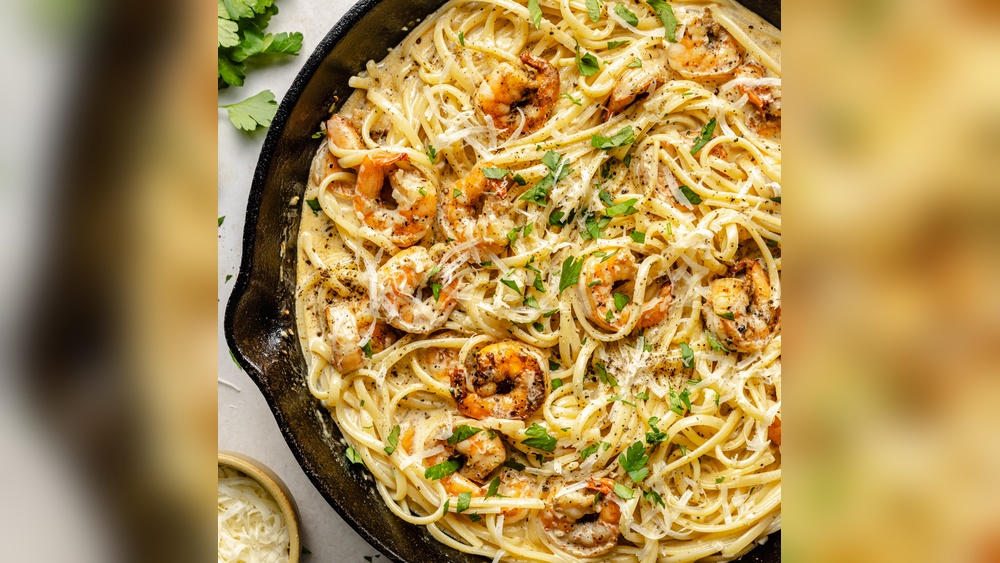
Few pasta dishes bring comfort and luxury together like creamy garlic shrimp pasta. Imagine tender shrimp, coated in a silky garlic cream sauce, tangled with perfectly cooked pasta. This recipe is loved by home cooks and restaurant chefs alike—not just for its taste, but for how quickly it comes together. While it might look elegant and complicated, creamy garlic shrimp pasta is simple once you know the steps.
Let’s explore everything you need: the right ingredients, step-by-step instructions, secrets for perfect shrimp, and ways to make this dish your own. Whether you’re a beginner or someone who cooks often, this guide will help you master a creamy garlic shrimp pasta that’s both impressive and satisfying.
Understanding Creamy Garlic Shrimp Pasta
This dish has roots in Italian and American cuisines. Pasta with cream sauce is classic in Italy, but the rich, garlic-forward shrimp version is especially popular in the U. S. It’s often served in Italian restaurants, but you can make a version at home that’s just as good—sometimes better—without fancy tools.
What makes this dish special is the balance: the sweet, juicy shrimp and the smooth, garlicky cream sauce. Garlic flavor is the star but doesn’t overpower. The cream brings everything together, coating each piece of pasta with rich flavor.
You might notice the way the sauce clings to every noodle and how the shrimp add a taste of the sea without being too strong. Some cooks like to add a little white wine to the sauce for extra depth, but a well-made garlic cream is enough to impress anyone.
Why People Love This Dish
- Quick to make: Usually ready in 30 minutes or less. Even with prep and cleanup, it fits into a busy weeknight.
- Flexible: Works with many types of pasta and shrimp. You can adapt the recipe based on what’s in your kitchen.
- Impressive: Looks beautiful, tastes restaurant-quality. Guests often think it’s harder than it is.
- One-pan option: Less cleanup if you cook the sauce and pasta together. If you use a deep skillet, you can finish everything in the same pan.
Some people also love this dish because it’s easy to double or triple for groups, or cut in half for a cozy dinner for two. It’s also a good way to introduce seafood to those who might be unsure, as the sauce is comforting and familiar.
Many home cooks worry about overcooking shrimp or getting the sauce too thick or thin. This guide covers all those details, so you can cook with confidence.
Essential Ingredients And What Matters
Choosing the right ingredients is the first step toward great creamy garlic shrimp pasta. Here’s what you’ll need and what to look out for.
Pasta
- Fettuccine or linguine are popular for this dish, but spaghetti or penne work too.
- Fresh pasta cooks faster and absorbs the sauce well, but dried pasta is easier for most people.
- Quantity: 12 ounces (340 grams) for four servings.
When choosing pasta, go for a shape that can hold onto the creamy sauce. Long, flat noodles give you that “restaurant” feel, but short pasta works for a casual meal or for kids.
Shrimp
- Large shrimp (16–20 per pound) are ideal. They’re juicy and cook evenly.
- Peeled and deveined shrimp save time. Tails on or off is personal preference.
- Fresh or frozen? Frozen shrimp are fine—just thaw and pat dry.
- Weight: 1 pound (450 grams).
Look for shrimp that are firm and not slimy. If using frozen, make sure they’re not freezer-burned (white patches or dry spots).
Garlic
- Use fresh garlic. Jarred garlic is convenient but less fragrant.
- 4–5 large cloves (about 2 tablespoons minced).
The amount of garlic can be adjusted to taste. If you love garlic, add another clove. For a more subtle flavor, use three.
Cream
- Heavy cream (also called double cream or whipping cream) gives the richest, smoothest sauce.
- Half-and-half can work if you want less fat, but the sauce will be thinner.
- Amount: 1 cup (240 ml).
Cream with higher fat makes the sauce more stable and less likely to separate. If you only have lower-fat cream, simmer gently and add cheese slowly.
Butter And Oil
- Butter adds flavor, oil helps keep it from burning.
- 2 tablespoons unsalted butter + 1 tablespoon olive oil.
A mix of butter and oil lets you cook at a slightly higher heat without burning the butter, but still brings out the richness.
Cheese
- Parmesan cheese, freshly grated, is best for a smooth sauce.
- Avoid pre-grated cheese—it can make the sauce grainy.
- 1/2 cup (50 grams).
You can also mix in Pecorino Romano for a sharper, saltier taste if you like.
Broth And Lemon
- Chicken broth (1/2 cup) adds depth.
- Lemon juice (1 tablespoon) brightens the dish and balances the cream.
Vegetable broth also works if you want a lighter flavor or are making a pescatarian version.
Herbs And Seasonings
- Parsley (for garnish)
- Salt and pepper (to taste)
- Optional: Red pepper flakes or Italian seasoning.
Herbs add color and freshness. If you want a slightly spicy kick, a small pinch of red pepper flakes can wake up the flavor.
Ingredient Table
Here’s a summary for easy reference:
| Ingredient | Amount | Notes |
|---|---|---|
| Pasta | 12 oz (340g) | Fettuccine, linguine, or spaghetti |
| Shrimp | 1 lb (450g) | Large, peeled, deveined |
| Garlic | 4-5 cloves | Minced |
| Heavy Cream | 1 cup (240ml) | Full fat |
| Butter | 2 tbsp | Unsalted |
| Olive Oil | 1 tbsp | Extra virgin |
| Parmesan Cheese | 1/2 cup (50g) | Freshly grated |
| Chicken Broth | 1/2 cup (120ml) | Low sodium preferred |
| Lemon Juice | 1 tbsp | Freshly squeezed |
| Salt & Pepper | To taste | — |
| Parsley | 2 tbsp | Chopped, for garnish |
Non-obvious insight: Using a little pasta water in the sauce helps it cling to the noodles and makes the sauce extra silky. This is because the starch in the water acts as a binder, making the cream sauce glossy and helping it stick to the pasta instead of pooling at the bottom of the plate.
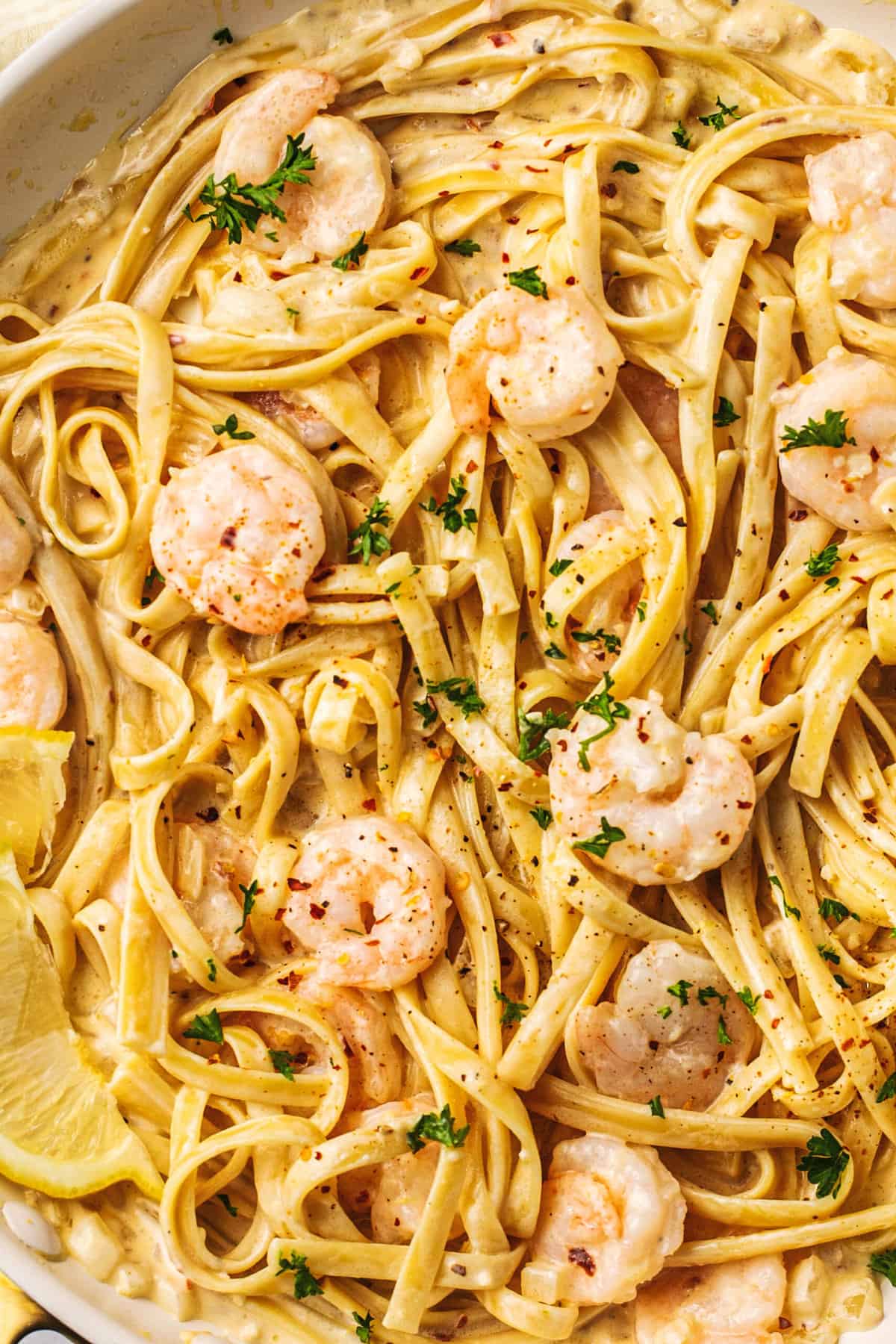
Step-by-step Cooking Instructions
Let’s break down the process so even a beginner can follow.
1. Prep Your Ingredients
- Thaw shrimp (if frozen) and pat dry with paper towels.
- Mince garlic, chop parsley, and grate cheese.
- Measure cream, broth, and lemon juice before starting.
If you’re prepping ahead, you can store the chopped ingredients in small bowls or containers. This helps you move fast once you start cooking, reducing the chance of burning garlic or overcooking shrimp.
2. Cook Pasta
- Bring a large pot of salted water to a boil.
- Add pasta and cook until just al dente (firm to the bite).
- Reserve 1 cup of pasta water before draining. You may need it for the sauce.
Tip: Don’t overcook pasta—it will cook a little more in the sauce.
If you want to add flavor, throw a garlic clove or a bay leaf into the pasta water. It’s a small touch, but it can add a hint of aroma to your noodles.
3. Sear The Shrimp
- Heat 1 tablespoon olive oil and 1 tablespoon butter in a large skillet over medium-high heat.
- Add shrimp in a single layer. Sprinkle with salt and pepper.
- Cook for 1–2 minutes per side, until just pink and opaque.
- Remove shrimp to a plate. Don’t overcook—they finish in the sauce.
Beginner mistake: Cooking all shrimp at once in a crowded pan. They steam, not sear. Cook in batches if needed.
For extra flavor, you can add a small pinch of smoked paprika or a little lemon zest while the shrimp cook. If you want a deeper flavor, let the shrimp sit undisturbed for a minute before flipping.
4. Make The Sauce
- Lower heat to medium. Add 1 tablespoon butter to the skillet.
- Add minced garlic. Sauté for 1 minute, just until fragrant. Don’t let it brown.
- Pour in chicken broth. Scrape up any bits from the bottom of the pan.
- Add heavy cream and bring to a gentle simmer.
- Stir in Parmesan cheese until melted and smooth.
- Add lemon juice and any optional red pepper flakes.
Non-obvious insight: Simmer the sauce gently. Boiling can cause cream to separate.
If you want a little extra flavor, add a splash of white wine after the garlic and let it reduce for a minute before adding broth. This brings a restaurant touch to the dish.
5. Combine Pasta And Shrimp
- Add drained pasta to the sauce. Toss to coat.
- If the sauce is too thick, add pasta water a little at a time.
- Return shrimp (and any juices) to the pan.
- Toss everything together just until shrimp are heated through.
You can use tongs or two forks to mix, making sure the shrimp are evenly distributed. If the sauce seems thin, let it simmer with the pasta for a minute or two; the noodles will soak up more flavor.
6. Finish And Serve
- Taste and adjust salt, pepper, or lemon juice.
- Sprinkle with chopped parsley.
- Serve immediately, with extra Parmesan if you like.
Serving size: Makes about 4 generous portions.
Don’t let the pasta sit too long in the pan, as the sauce can thicken more than you want. Serve hot, straight from the stove for the best experience.
Key Techniques For Perfect Pasta
Even a simple dish can go wrong if you miss small details. Here are some techniques for consistent results.
How To Avoid Mushy Pasta
- Salt the water: It should taste like seawater.
- Stir pasta after adding to the pot. This prevents sticking.
- Start tasting 2 minutes before the package time is up.
- Drain but don’t rinse—the starch helps sauce stick.
If you’re cooking ahead, you can toss drained pasta with a small amount of olive oil to keep it from sticking, but it’s best to combine with sauce immediately.
Getting Creamy Sauce That’s Not Greasy
- Use heavy cream for best emulsion.
- Add cheese off heat or at a gentle simmer.
- If the sauce “breaks” (separates), whisk in a splash of cold cream.
Too much heat is the most common reason for greasy or split sauce. If your sauce looks oily, remove from heat and whisk in more cream or pasta water.
Cooking Shrimp Just Right
- Shrimp should curl into a C-shape. If they form a tight O, they’re overcooked.
- Remove from heat as soon as they’re pink and opaque.
- Let them finish cooking in the hot sauce, not the pan.
If you’re not sure, cut into one shrimp. It should be juicy and white inside, not translucent or rubbery.

Ingredient Substitutions And Variations
Everyone’s pantry is different. Here’s how you can adapt the recipe.
Pasta Swaps
- Linguine: Slightly thinner, works well.
- Spaghetti: Readily available.
- Penne or rotini: The sauce clings to ridges.
- Gluten-free pasta: Use your favorite brand.
Whole wheat pasta adds a little nutty flavor and more fiber, though it has a different texture.
Cream Alternatives
- Half-and-half: Lighter, but not as rich.
- Evaporated milk: Possible in a pinch, though flavor is different.
- Coconut cream: For a dairy-free twist, but it will taste slightly sweet.
Greek yogurt can be used for a tangy, lighter sauce, but add off the heat to prevent curdling.
Protein Variations
- Chicken: Sliced, sautéed chicken breast works well.
- Scallops: Sear like shrimp for a fancier dish.
- Vegetarian: Use mushrooms or zucchini instead of shrimp.
Tofu also works for a plant-based protein, but press it first to remove moisture.
Flavor Add-ins
- Sun-dried tomatoes: Add with the garlic for a tangy bite.
- Spinach: Stir in at the end; wilts quickly.
- Basil: Swap for parsley for a different aroma.
- Red pepper flakes: For gentle heat.
Artichoke hearts, roasted red peppers, or a handful of frozen peas can also be tossed in for color and taste.
Dairy-free And Gluten-free Options
- Use gluten-free pasta and a plant-based cream and cheese substitute. The sauce won’t be quite as smooth, but the flavors still shine.
Look for vegan Parmesan or nutritional yeast for a cheesy note.
How To Choose The Best Shrimp
Shrimp are the heart of this dish. Here’s how to pick the best:
- Frozen vs. Fresh: Most “fresh” shrimp at the store were frozen and thawed. Buying frozen lets you control freshness.
- Size: Large shrimp (16–20 per pound) are easier to cook evenly. Smaller shrimp can get rubbery.
- Peeled and Deveined: Saves time. If you buy shell-on, peel and remove the dark vein along the back.
- Wild-Caught vs. Farmed: Wild shrimp tend to have better flavor but are often pricier.
Some stores sell shrimp labeled “easy-peel,” meaning the shell is cut and the vein removed. These are a good shortcut if you don’t mind peeling after cooking.
Shrimp Sizing Table
Here’s a quick look at shrimp sizing:
| Label | Count per Pound | Best For |
|---|---|---|
| Large | 16–20 | Creamy shrimp pasta |
| Medium | 21–25 | Salads, stir fries |
| Jumbo | 10–15 | Grilling, special dishes |
| Small | 36–45 | Shrimp cocktail, filler |
Pro tip: If shrimp taste “fishy,” they’re past their best. Fresh shrimp smell like the ocean. When buying at a seafood counter, ask to smell a sample if you’re unsure.
Tools And Equipment You’ll Need
You don’t need fancy gadgets for creamy garlic shrimp pasta, but a few tools help:
- Large skillet or sauté pan: For cooking shrimp and sauce.
- Pasta pot: Big enough for water to circulate.
- Tongs: For tossing pasta in sauce.
- Grater: For fresh Parmesan.
- Colander: To drain pasta.
- Measuring cups and spoons
A wooden spoon is also handy for scraping up bits in the pan and stirring the sauce gently.
Having all tools ready (“mise en place”) makes the process smoother and prevents mistakes.
Common Mistakes And How To Avoid Them
Even experienced cooks slip up. Here are common errors and how to fix them:
1. Overcooking Shrimp
Shrimp cook in minutes. If you leave them in the pan too long, they turn rubbery. Always sear quickly and finish in the sauce.
2. Grainy Sauce
Adding cheese to boiling cream can cause lumps. Lower the heat before adding Parmesan, and use freshly grated cheese.
If you do get lumps, try blending the sauce briefly with an immersion blender or whisking vigorously off the heat.
3. Bland Flavor
Under-seasoning is common. Taste at each step, especially after adding broth and before serving. A squeeze of lemon at the end makes flavors pop.
Don’t be afraid to add a pinch more salt or a dash of pepper before serving.
4. Thin Sauce
If your sauce is too watery, let it simmer and reduce before adding pasta. If it’s still thin, add more cheese or a little pasta water.
Sometimes letting the sauce sit for a minute off the heat thickens it as it cools slightly.
5. Pasta Sticking Together
This happens if you drain pasta and let it sit. Toss with a little olive oil or add directly to the sauce right away.
If you forget and the noodles stick, rinse briefly with warm water to loosen before adding to the sauce.
How To Serve And Present Creamy Garlic Shrimp Pasta
Presentation makes a difference, especially if you’re serving guests.
- Use shallow bowls or wide plates. This keeps sauce and pasta together.
- Twirl pasta with tongs into a “nest” on each plate.
- Place shrimp on top for a restaurant look.
- Garnish with fresh parsley, a grind of black pepper, and more Parmesan.
- Serve with crusty bread or a simple salad.
You can also drizzle a little olive oil or add lemon zest for extra color and aroma. If you want to be playful, use colored pasta (like spinach or tomato fettuccine) for a unique look.
Side Dish Ideas
- Garlic bread: Perfect for soaking up sauce.
- Steamed asparagus or broccoli: Adds freshness.
- Caesar salad: A classic pairing.
Roasted vegetables, such as carrots or Brussels sprouts, can also balance the richness of the pasta.
How To Store And Reheat Leftovers
Creamy pasta doesn’t always reheat well, but you can keep leftovers tasty:
- Store in an airtight container in the fridge for up to 2 days.
- Reheat gently in a skillet with a splash of milk or cream, stirring often.
- Don’t microwave shrimp for too long—they get tough.
Note: Cream sauces can separate after refrigeration. Whisking in a little extra cream can help restore smoothness.
If you plan to make leftovers, undercook the pasta slightly so it doesn’t go mushy when reheated.
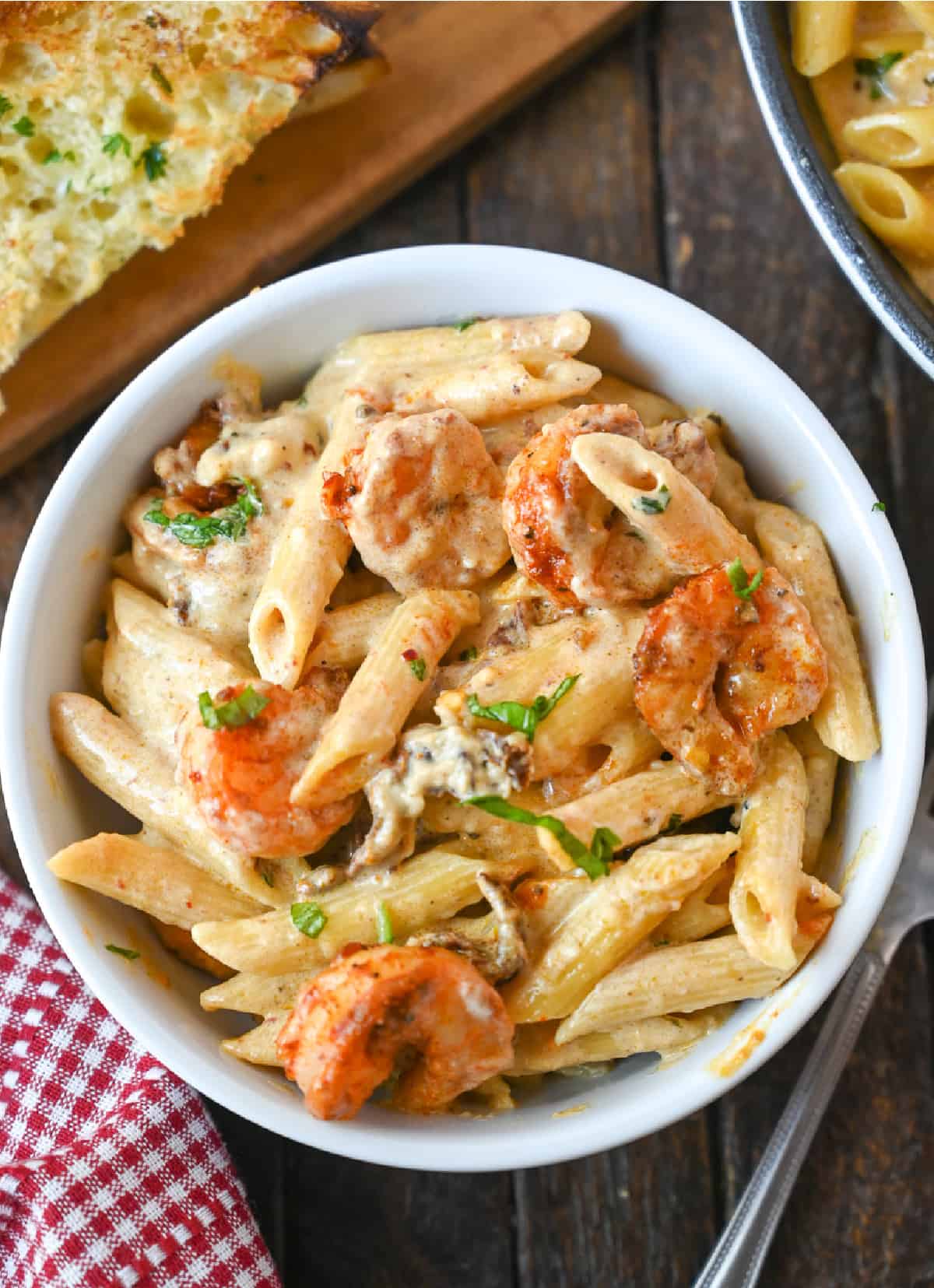
Nutrition And Calories
Let’s look at the nutrition for one serving (about 1/4 of the recipe):
- Calories: 600–700
- Protein: 35g
- Carbs: 50–60g (depending on pasta type)
- Fat: 30–35g (mostly from cream and cheese)
- Sodium: 900–1100mg
This dish is high in protein and calcium but also rich in fat and calories. For a lighter version, use half-and-half and less cheese, and serve with a large salad.
Lighter Options
- Use half the cream and replace with low-sodium chicken broth.
- Try zoodles (zucchini noodles) for fewer carbs.
- Use smaller amounts of Parmesan, or try a sprinkle of nutritional yeast for flavor.
You can also bulk up the dish with more vegetables to lower the calorie density per serving.
Making Creamy Garlic Shrimp Pasta For A Crowd
Feeding more people? This recipe can scale up, but keep a few things in mind:
- Sear shrimp in batches. Crowding leads to steaming, not browning.
- Use a very large skillet or mix pasta and sauce in a big bowl.
- Hold back some pasta water for thinning the sauce if it thickens while waiting.
If you want to keep pasta warm for a party, place the finished dish in a large baking dish, cover, and keep in a low oven (around 200°F/90°C) for up to 30 minutes. Sprinkle with a bit more cream or broth before serving if it looks dry.
When serving buffet-style, offer extra lemon wedges and grated cheese on the side for guests to finish their plates.
Making This Dish Ahead Of Time
You can prep most elements in advance:
- Peel and devein shrimp, store covered in the fridge.
- Mince garlic and chop parsley ahead.
- Grate cheese and keep in a sealed container.
- Measure cream, broth, and lemon juice.
Important: Don’t cook pasta or shrimp until just before serving. Both are best fresh.
If you must cook ahead, slightly undercook everything and finish in the sauce right before serving. This keeps both pasta and shrimp from drying out.
How To Make It Your Own
Want to add a personal touch? Try these ideas:
- Add vegetables: Sauté mushrooms, bell peppers, or peas with the garlic.
- Change herbs: Try dill, tarragon, or chives for a new flavor profile.
- Spice it up: Add a pinch of cayenne or smoked paprika.
- Go Mediterranean: Stir in chopped olives or capers.
For a special touch, top with toasted breadcrumbs or crushed pistachios for crunch.
Wine Pairing Suggestions
Creamy garlic shrimp pasta pairs well with white wines:
- Pinot Grigio: Crisp and light, balances the cream.
- Chardonnay: Rich, with enough acidity for the sauce.
- Sauvignon Blanc: Refreshing, especially if you add lemon or herbs.
For red wine lovers, a light-bodied red like Pinot Noir can work if served slightly chilled.
If you prefer non-alcoholic drinks, try sparkling water with a splash of lemon.
Sustainability And Shrimp
When buying shrimp, think about sustainability. Overfishing and poor farming can harm the environment. Look for labels like “MSC Certified” or “Best Aquaculture Practices. ” Wild-caught U. S. shrimp are often a good choice.
For more on sustainable seafood, see the Monterey Bay Aquarium Seafood Watch.
Frequently Asked Questions
How Do I Prevent The Sauce From Curdling?
Keep the heat gentle when adding cream and cheese. High heat can cause dairy to separate. Always add cheese off the heat or at a gentle simmer, not a boil.
Can I Use Frozen Shrimp Without Thawing?
It’s best to thaw shrimp first. Place them in a colander under cold running water for 5 minutes, then pat dry. Cooking from frozen can make them watery and unevenly cooked.
What’s The Best Pasta Shape For Creamy Garlic Shrimp Pasta?
Long shapes like fettuccine or linguine work best because they hold the sauce well. But you can use penne or rotini if that’s what you have.
Can I Make This Dish Gluten-free?
Yes. Use a high-quality gluten-free pasta. The sauce is naturally gluten-free, but always check ingredient labels to be sure.
How Can I Add More Vegetables?
Add quick-cooking vegetables like spinach, peas, or cherry tomatoes right after the garlic. Heartier veggies (like mushrooms or zucchini) can be sautéed before the shrimp.
—
Creamy garlic shrimp pasta is a dish that feels special but is easy enough for any night of the week. With quality ingredients, careful steps, and a few pro tips, you’ll be able to serve a pasta that everyone will remember.
Whether you follow the classic recipe or add your own twist, the combination of tender shrimp, fragrant garlic, and velvety sauce is always a winner. Enjoy the process and don’t be afraid to make it your own!
Leave a Reply