
Almonds are a popular snack loved by many people. But are almonds high in fiber? This question is important for those who want to eat healthy. Fiber helps the body in many ways. In this article, we will explain fiber facts about almonds. Also, we will share how you can use almonds every day.
What is Fiber?
Fiber is a part of plants. It is found in fruits, vegetables, nuts, and grains. Our body cannot digest fiber. But fiber is very useful for health. It helps keep our stomach clean. Fiber also helps with digestion. It makes sure food moves well inside the body.
There are two types of fiber:
- Soluable fiber: This fiber can dissolve in water. It helps lower bad cholesterol.
- Insoluble fiber: This fiber does not dissolve in water. It helps food move through the gut.
How Much Fiber Do Almonds Have?
Almonds are known to be a good source of fiber. But how much fiber is in almonds? A small handful of almonds, about 1 ounce (28 grams), has around 3.5 grams of fiber. This is almost 14% of the daily fiber amount that adults need.
This means almonds have a decent amount of fiber. Eating almonds can help you reach your daily fiber goal.
Fiber Content In Almonds Compared To Other Nuts
| Nut | Fiber per 1 oz (28g) |
|---|---|
| Almonds | 3.5 grams |
| Walnuts | 2 grams |
| Cashews | 1 gram |
| Pistachios | 3 grams |
| Peanuts | 2.5 grams |
From the table, we see almonds have more fiber than many nuts. They are a good choice for a fiber-rich snack.
Why Is Fiber Important?
Fiber helps the body in many ways:
- Keeps digestion healthy: Fiber helps food move well through the stomach and intestines.
- Prevents constipation: Fiber adds bulk to stool and helps prevent hard stools.
- Helps control blood sugar: Fiber slows down sugar absorption, helping keep blood sugar steady.
- Lowers bad cholesterol: Soluble fiber can reduce the bad cholesterol in the blood.
- Helps feel full: Fiber makes you feel full longer, which can help control weight.
Eating enough fiber every day is very good for health.
How to Eat Almonds for Fiber
Almonds are easy to add to your daily diet. Here are some simple ways:
- Snack: Eat a small handful of raw or roasted almonds as a snack.
- Breakfast: Add chopped almonds to your cereal, oatmeal, or yogurt.
- Salads: Sprinkle almonds on salads for a crunchy texture and fiber boost.
- Baking: Use almonds in baking, like in cookies or muffins.
- Almond Butter: Spread almond butter on bread or fruits for a tasty treat.
- Smoothies: Add almonds or almond butter to smoothies for more fiber.
Tips When Eating Almonds
Almonds are healthy, but some tips help you get the best benefits:
- Watch your portions: Almonds are healthy but also have many calories. A small handful is enough.
- Choose unsalted: Unsalted almonds are better to avoid too much salt.
- Try raw or dry roasted: These types keep nutrients better than almonds cooked with oil.
- Soak almonds: Soaking almonds overnight can make them easier to digest.
Other Nutrients in Almonds
Almonds are not just fiber. They have many other good nutrients. Here are some:
- Protein: Almonds have good plant protein.
- Healthy fats: Almonds have healthy fats that are good for the heart.
- Vitamin E: Almonds are rich in vitamin E, an antioxidant.
- Magnesium: Almonds have magnesium, good for bones and muscles.
- Calcium: Almonds contain calcium for strong bones.
Eating almonds gives a mix of fiber and other nutrients. This helps your body stay healthy.

How Much Fiber Do You Need Every Day?
The daily fiber amount depends on age and gender. Here are general recommendations:
| Age Group | Fiber Needed per Day |
|---|---|
| Children 4-8 years | 25 grams |
| Boys 9-13 years | 31 grams |
| Girls 9-13 years | 26 grams |
| Men 19-50 years | 38 grams |
| Women 19-50 years | 25 grams |
| Adults over 50 | 21-30 grams |
Almonds can help meet these fiber needs when combined with other foods.
Other High Fiber Foods to Eat Along with Almonds
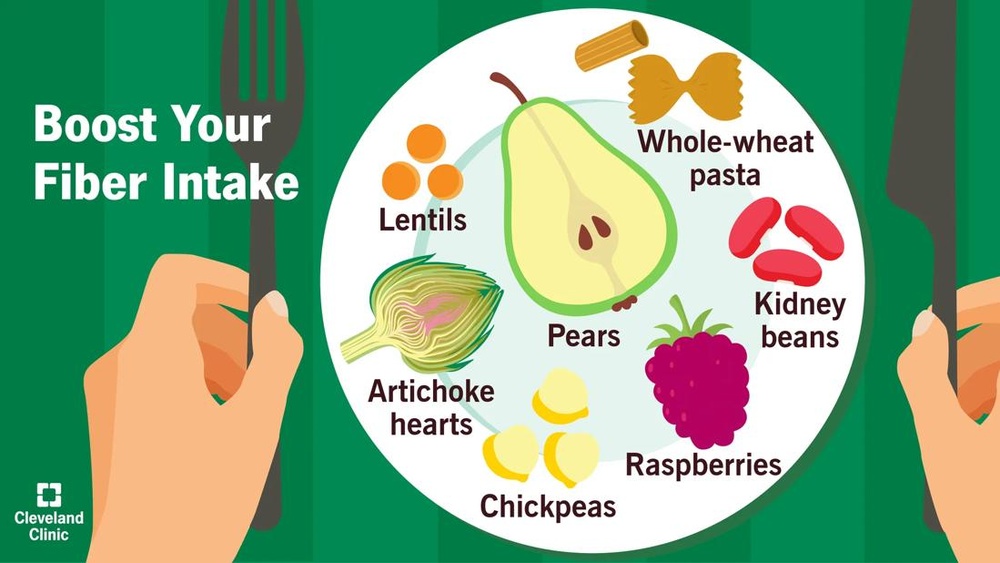
Almonds alone will not meet all your fiber needs. Include these foods too:
- Fruits like apples, pears, and berries
- Vegetables like carrots, broccoli, and spinach
- Whole grains like brown rice, oats, and whole wheat bread
- Beans and lentils
- Seeds like chia and flaxseeds
Mix almonds with these to get enough fiber daily.

Possible Side Effects of Eating Too Many Almonds
Almonds are healthy but eating too many can cause problems:
- Too many calories may cause weight gain.
- Some people may feel stomach pain or gas.
- Almonds have oxalates which may affect kidney stones for some.
Eat almonds in moderation for best results.
Frequently Asked Questions
Are Almonds A Good Source Of Dietary Fiber?
Almonds contain about 3. 5 grams of fiber per ounce. This makes them a healthy fiber source for daily nutrition.
How Does Almond Fiber Benefit Digestion?
Fiber in almonds helps keep your digestive system healthy. It supports regular bowel movements and reduces constipation.
Can Eating Almonds Aid In Weight Management?
Almonds’ fiber helps you feel full longer. This can reduce overall calorie intake and support weight control.
How Much Fiber Is In One Serving Of Almonds?
One serving, about 1 ounce or 23 almonds, has roughly 3. 5 grams of fiber. This is about 14% of daily fiber needs.
Conclusion
So, are almonds high in fiber? Yes, almonds have a good amount of fiber. They contain about 3.5 grams of fiber per ounce. Eating almonds daily can help improve digestion. Also, almonds give many other important nutrients.
Use almonds as a snack or add to meals. Combine almonds with other fiber foods for a healthy diet. Remember to eat them in small amounts. This will keep your body strong and well.
Start including almonds in your daily routine today. Your body will thank you.
Leave a Reply