

Baking is a fun and creative way to make tasty treats. Many recipes call for vegetable oil. But what if you only have canola oil? Can you use canola oil instead of vegetable oil in baking? The simple answer is yes. But let’s learn more about why and how you can do this swap.
What Is Vegetable Oil?
Vegetable oil is a type of oil that comes from plants. It is usually made from soybeans, corn, sunflower seeds, or other plants. Vegetable oil is light in color and taste. It is often used in cooking and baking because it has a neutral flavor. It does not change the taste of the food much.
What Is Canola Oil?
Canola oil is also a plant oil. It comes from the canola plant, a type of rapeseed. Canola oil is light in color and mild in flavor. It is popular in cooking and baking. Like vegetable oil, it does not add strong flavors to food. It is also low in saturated fat.
Similarities Between Canola Oil and Vegetable Oil
Both oils share many qualities. Here are some key points:
- Both are light-colored oils.
- Both have a mild, neutral taste.
- Both oils have a high smoke point (good for baking).
- Both contain healthy fats.
- Both oils are liquid at room temperature.
Because of these similarities, canola oil and vegetable oil often work well in the same recipes.
Can You Use Canola Oil Instead of Vegetable Oil?
Yes, you can use canola oil instead of vegetable oil. In most recipes, you can swap them in a 1:1 ratio. This means if your recipe asks for 1 cup of vegetable oil, you can use 1 cup of canola oil instead.
This substitution works well for cakes, muffins, cookies, and many other baked goods. The texture and taste will stay almost the same. Your baked treats will still be soft and moist.
Why Use Canola Oil Instead of Vegetable Oil?
There are a few reasons to choose canola oil:
- Health benefits: Canola oil has less saturated fat than many vegetable oils.
- Mild flavor: It does not change the taste of your baked goods.
- Availability: Canola oil is easy to find in many stores.
- Cost: It is often affordable.
So, canola oil is a good choice for healthier baking.
Are There Any Differences When Baking?
Although both oils are similar, some small differences exist:
- Flavor: Canola oil has a slightly nuttier taste, but it is very mild.
- Fat content: Canola oil has more omega-3 fats, which are good for health.
- Smoke point: Both oils have high smoke points, so they handle heat well.
These differences are small. Most people will not notice them in baked goods.
Tips for Using Canola Oil in Baking
Here are some easy tips to get the best results:
- Use the same amount: Replace vegetable oil with canola oil in equal amounts.
- Check freshness: Use fresh oil to avoid bad flavors.
- Store oil properly: Keep canola oil in a cool, dark place.
- Use in recipes needing neutral oil: Canola oil works best when you want no strong taste.
- Mix well: Mix oil well with other ingredients for even baking.
What About Other Oils in Baking?
Besides canola and vegetable oil, many oils can be used in baking. Some common oils include:
| Oil Type | Flavor | Best Use in Baking |
|---|---|---|
| Olive Oil | Strong, fruity | Good for breads and some cakes |
| Coconut Oil | Sweet, coconut | Great for cookies and muffins |
| Sunflower Oil | Mild, neutral | Works like vegetable oil |
| Avocado Oil | Light, buttery | Good for rich cakes |
Each oil gives a slightly different taste and texture. Canola oil stays a safe, mild choice.
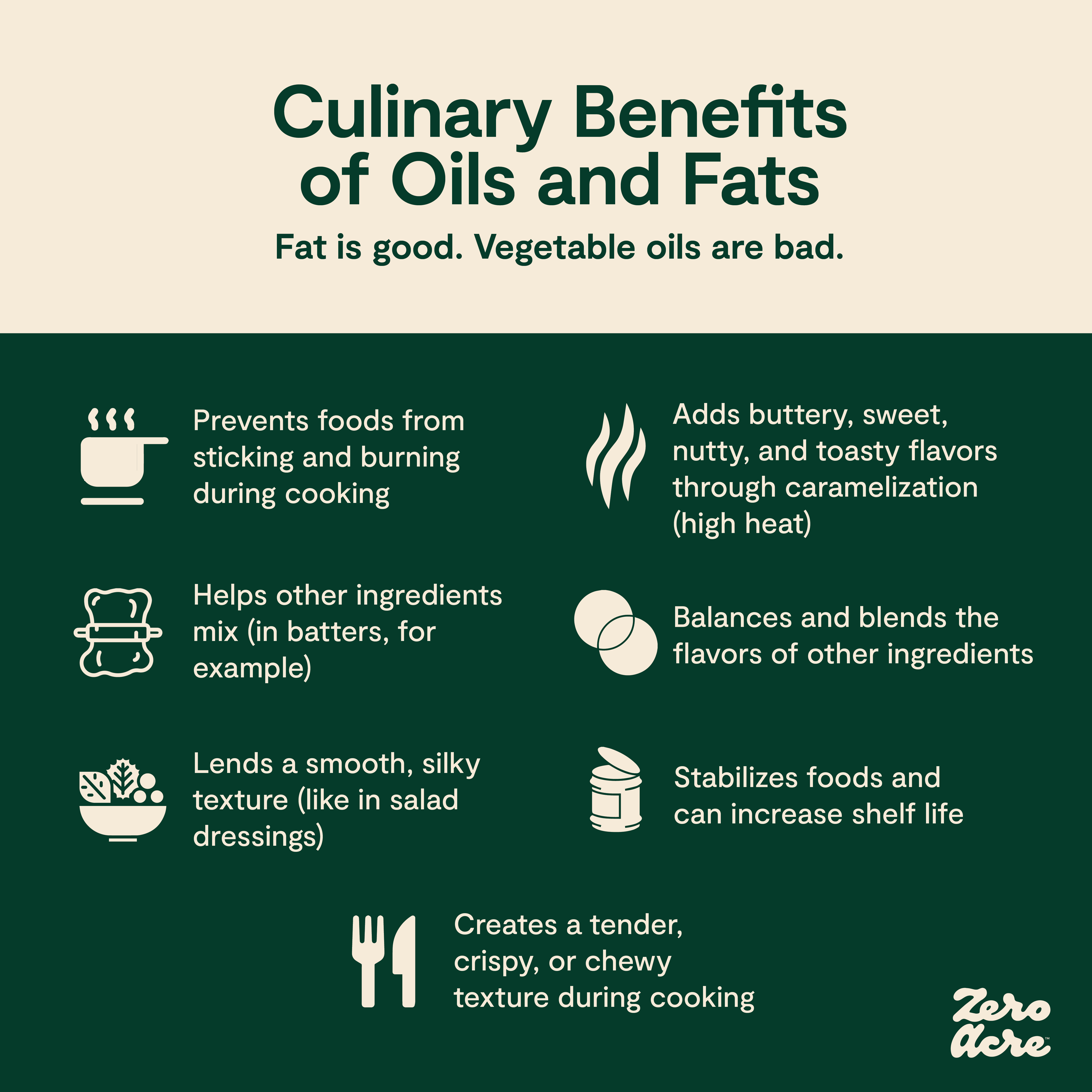
What Happens If You Use Other Oils Instead?
Using other oils can change your baked goods:
- Flavor change: Oils like olive or coconut add strong taste.
- Texture change: Some oils make baked goods denser or lighter.
- Health effects: Some oils have more saturated fat.
If you want to keep the original recipe’s taste, stick with canola or vegetable oil.
How to Choose the Right Oil for Your Baking
When choosing oil, think about these points:
- Flavor: Choose oil with mild flavor for cakes and cookies.
- Health: Pick oils with less saturated fat for healthier baking.
- Smoke point: Use oils that can handle baking heat.
- Availability: Use oils you can easily find in your area.
- Cost: Pick oils that fit your budget.
Final Thoughts
Canola oil is a good substitute for vegetable oil in baking. It has a mild taste and healthy fat content. Most recipes will work perfectly with canola oil. Use the same amount when you swap the oils. Your baked goods will stay moist and tasty.
If you want simple, healthy, and easy baking, canola oil is a safe choice. Remember to store oils well and use fresh oil. This will keep your treats delicious every time.
Frequently Asked Questions
Can I Use Canola Oil Instead Of Vegetable Oil In Cookies?
Yes, canola oil works well as a substitute for vegetable oil in cookies. It has a mild flavor and similar fat content, keeping cookies moist.
Does Canola Oil Change The Taste Of Baked Goods?
Canola oil has a neutral taste, so it rarely changes the flavor. Most baked goods will taste the same with canola oil.
Is Canola Oil Healthier Than Vegetable Oil For Baking?
Canola oil generally has less saturated fat and more healthy fats than vegetable oil. It’s often seen as a better choice for health.
Will Canola Oil Affect The Texture Of Cakes?
Canola oil keeps cakes moist and tender, much like vegetable oil. The texture remains soft and light when substituted.
Leave a Reply