

Many people wonder if they can use self rising flour instead of all purpose flour. This question is common in kitchens around the world. When a recipe calls for all purpose flour, you might only have self rising flour at home. So, is it okay to swap one for the other? Let’s explore this topic in simple words.
What Is All Purpose Flour?
All purpose flour is a basic flour used in many recipes. It is made from wheat and is very plain. This flour does not have any added ingredients. It is white or off-white in color. People use it to bake bread, cakes, cookies, and more.
Because it has no extra things mixed in, you can add other ingredients to control how your food rises. This makes all purpose flour very flexible.
What Is Self Rising Flour?
Self rising flour is different from all purpose flour. It has three things mixed inside:
- Flour – like all purpose flour.
- Baking powder – this helps dough rise and get fluffy.
- Salt – adds a little flavor.
Because of these added ingredients, self rising flour can make dough rise on its own. This means you do not need to add baking powder or salt in your recipe if you use self rising flour.
Can You Use Self Rising Flour Instead of All Purpose Flour?
The simple answer is: sometimes yes, sometimes no. It depends on the recipe you are making. Here is why.
If your recipe already calls for baking powder or baking soda, then using self rising flour can be tricky. The extra baking powder in the self rising flour can make your food rise too much. This can change how your food looks and tastes.
But if your recipe needs just plain flour and you want it to rise, self rising flour can work well. This is true for recipes like biscuits, pancakes, or some cakes.
What Happens If You Use Self Rising Flour in Place of All Purpose Flour?
When you swap self rising flour for all purpose flour, remember this:
- You must not add baking powder or salt. The flour already has them.
- Your baked goods may rise more quickly or more than usual.
- The taste might be a little different because of the salt and baking powder.
- If you use self rising flour in recipes with yeast, it might not work well.
So, the results can change. Sometimes they are good, and sometimes not. It is important to know your recipe well.
How To Use Self Rising Flour Instead of All Purpose Flour
If you want to try using self rising flour, here are some tips:
- Skip adding baking powder and salt. The flour has enough already.
- Use in recipes that need a little rise. Like pancakes or biscuits.
- Do not use for bread recipes that need yeast. Self rising flour will not help here.
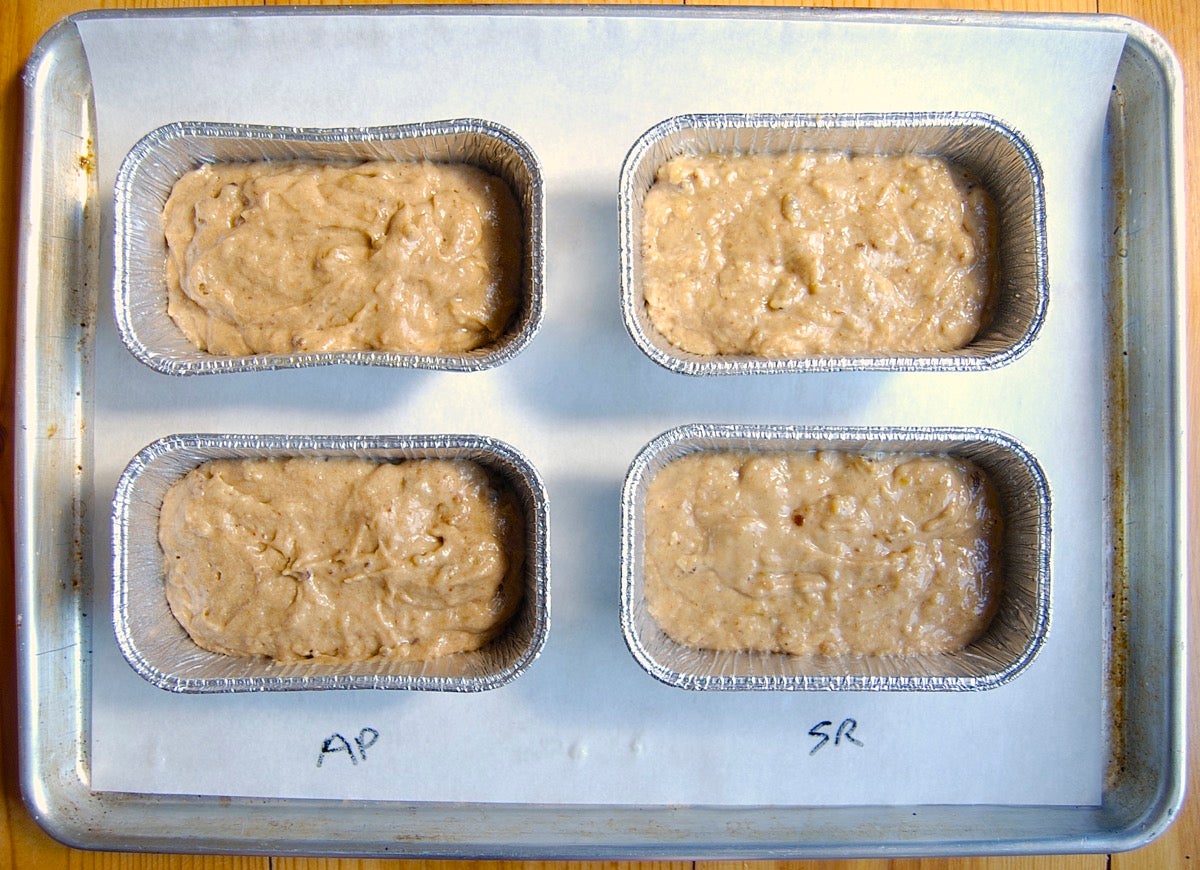
- Watch the baking time. Your food may cook faster or puff up more.
How To Make Self Rising Flour at Home
If you only have all purpose flour, you can make self rising flour. It is easy. Follow this:
| Ingredients | Amount |
|---|---|
| All Purpose Flour | 1 cup (120 grams) |
| Baking Powder | 1 1/2 teaspoons |
| Salt | 1/4 teaspoon |
Mix all the ingredients well. Now you have self rising flour ready to use. This is helpful if you cannot find self rising flour in stores.
When Not To Use Self Rising Flour
There are some times when self rising flour is not a good choice. Here are some examples:
- For recipes needing yeast, like bread or pizza dough.
- If the recipe already has baking powder or soda.
- When you want full control over how much salt or baking powder to add.
- For very delicate cakes needing precise ingredients.
Using self rising flour in these cases may cause problems. Your food may not rise correctly or taste different.
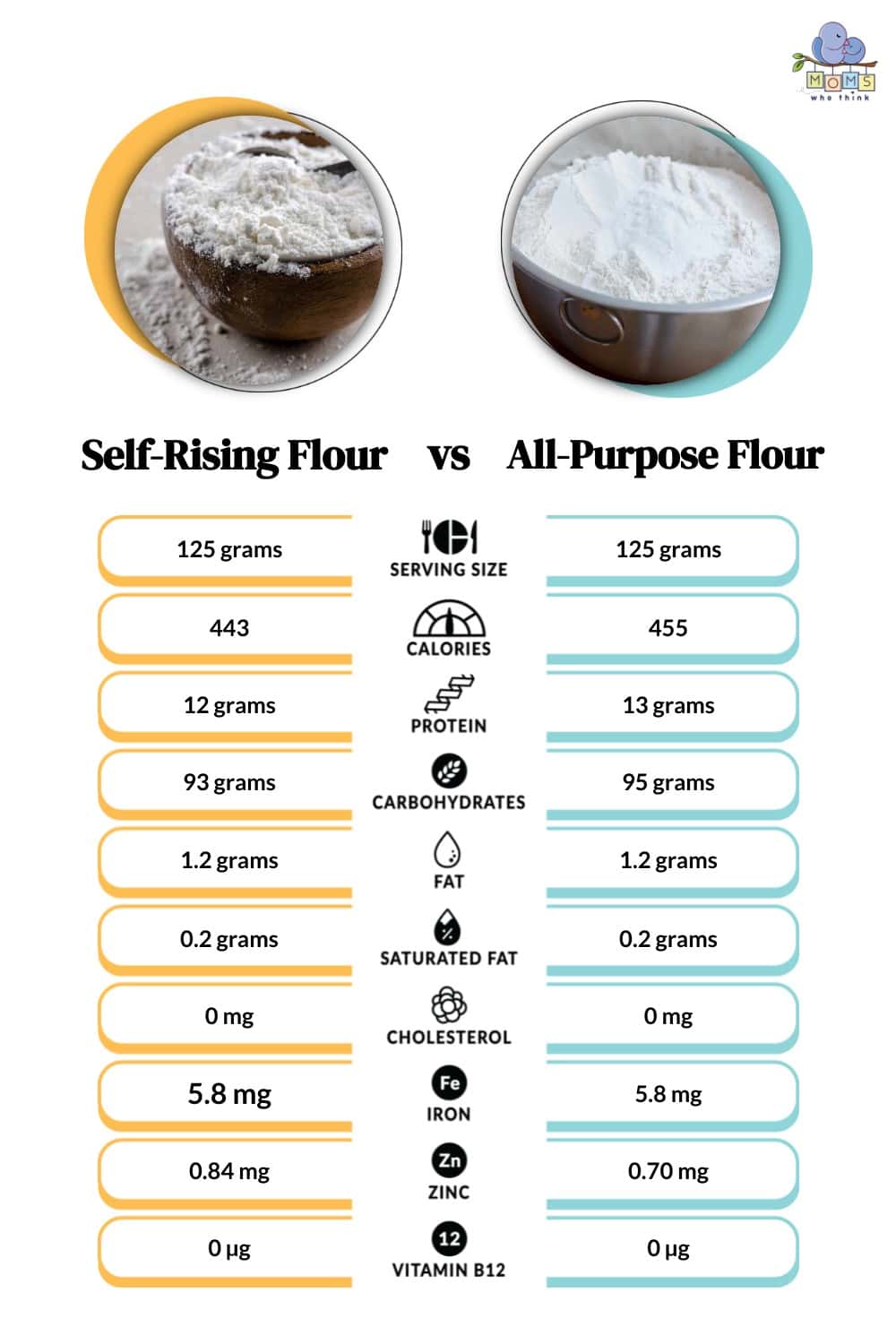
Summary Table: Self Rising Flour vs All Purpose Flour
| Feature | All Purpose Flour | Self Rising Flour |
|---|---|---|
| Main Ingredients | Flour only | Flour, baking powder, salt |
| Use in Recipes | Very flexible | Best for quick breads and pancakes |
| Rising Agent | Added separately | Included in flour |
| Best For | All types of baking | Recipes needing light rise |
| Not Suitable For | None | Yeast breads, recipes with baking powder |
Final Thoughts
So, can you use self rising flour instead of all purpose flour? Yes, but only in some recipes. You must be careful. Know your recipe well before changing flours.
If you want to try, remember to skip extra baking powder and salt. Watch how your food bakes. This way, you can enjoy good results even with different flour.
When in doubt, stick to the flour the recipe asks for. This helps make sure your dish turns out just right.
Frequently Asked Questions
Can I Replace All-purpose Flour With Self-rising Flour?
Yes, you can replace all-purpose flour with self-rising flour. Adjust or skip added baking powder and salt in the recipe.
What Happens If I Use Self-rising Flour Instead?
Using self-rising flour adds baking powder and salt to your recipe. This may change the texture and taste of baked goods.
Is Self-rising Flour Good For All Recipes?
Self-rising flour works best in quick breads, pancakes, and biscuits. It is not ideal for yeast breads or cakes needing precise leavening.
How To Adjust Recipes Using Self-rising Flour?
Omit baking powder and salt from the recipe. Use self-rising flour in the same amount as all-purpose flour.
Leave a Reply