
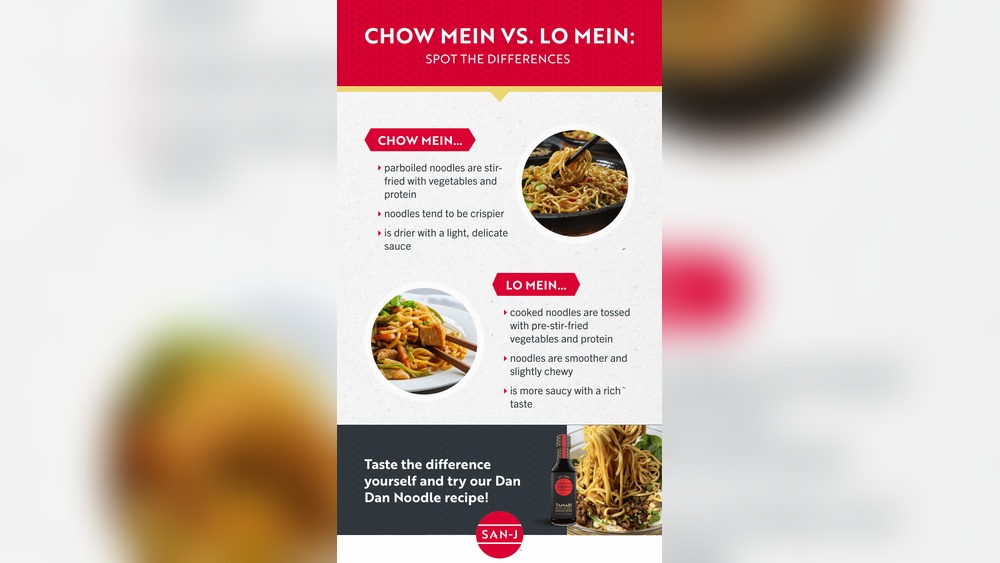
If you like Chinese food, you have heard of Chow Mein and Lo Mein. Both are noodle dishes. They are tasty and popular all over the world. But many people get confused. What is the difference between Chow Mein and Lo Mein noodles? This article will explain the key differences. You will learn about the noodles, cooking methods, and flavors.

What Are Chow Mein Noodles?
Chow Mein means “stir-fried noodles” in Chinese. It is a dish with thin noodles. These noodles are usually fried until they become a little crispy. The word “Chow” means stir-fry. “Mein” means noodles.
Chow Mein noodles are often made from wheat flour. They are thin and firm. When cooked, they have a slightly crunchy texture. People cook Chow Mein noodles by frying them in a hot pan or wok.
How Are Chow Mein Noodles Cooked?
- First, the noodles are boiled or soaked in hot water until soft.
- Then, they are drained and cooled to stop cooking.
- Next, the noodles are fried in oil in a hot pan or wok.
- Vegetables, meat, or sauce are added and cooked together.
The frying makes the noodles crispy. Sometimes, the noodles are fried until very crunchy. Other times, they are fried just a little, so they stay soft inside.
What Are Lo Mein Noodles?
Lo Mein means “tossed noodles” in Chinese. It is a dish with soft noodles. The noodles are boiled until soft and then mixed with sauce and other ingredients. “Lo” means to toss or mix. “Mein” means noodles.
Lo Mein noodles are also made from wheat flour. They are thicker and softer than Chow Mein noodles. The noodles are not fried. Instead, they are boiled and then tossed with sauce, vegetables, and meat.
How Are Lo Mein Noodles Cooked?
- First, the noodles are boiled until soft.
- They are drained but kept moist.
- Then, the noodles are mixed or tossed with sauce, vegetables, and meat.
- The dish is cooked quickly to mix flavors, but the noodles stay soft.
Because Lo Mein noodles are soft, the dish is easy to eat. The sauce covers the noodles well. It gives the dish a rich taste.
Main Differences Between Chow Mein and Lo Mein
| Feature | Chow Mein | Lo Mein |
|---|---|---|
| Meaning | Stir-fried noodles | Tossed or mixed noodles |
| Noodle Type | Thin and firm | Thicker and soft |
| Cooking Method | Fried after boiling | Boiled and tossed with sauce |
| Texture | Crispy or slightly crunchy | Soft and chewy |
| Sauce | Less sauce, noodles are dry | More sauce, noodles are moist |
| Common Vegetables | Cabbage, bean sprouts, carrots | Broccoli, bok choy, mushrooms |
| Flavor | Light, slightly fried taste | Rich, saucy taste |
Why The Difference Matters
Knowing the difference helps when you order food. If you want crunchy noodles, choose Chow Mein. If you want soft and saucy noodles, choose Lo Mein. Both dishes use noodles, meat, and vegetables. But the cooking style changes the taste and feel.
Chow Mein Is Great When:
- You want a crunchy texture.
- You like stir-fried food.
- You want less sauce on your noodles.
Lo Mein Is Great When:
- You want soft noodles with sauce.
- You like noodles mixed with vegetables.
- You prefer a moist and rich taste.
Ingredients Used in Both Noodles
Both Chow Mein and Lo Mein use similar ingredients. But the way they are cooked changes the flavors.
- Noodles: Wheat flour noodles made fresh or dried.
- Vegetables: Carrots, cabbage, mushrooms, bean sprouts, bok choy.
- Protein: Chicken, beef, shrimp, tofu, pork.
- Sauces: Soy sauce, oyster sauce, sesame oil, hoisin sauce.
Chefs choose vegetables and proteins based on taste and availability. The sauces add flavor and color. The cooking method gives each dish its unique style.
How To Make Chow Mein Noodles At Home
You can make Chow Mein noodles at home easily. Here is a simple way:
- Boil the noodles until soft but firm. Drain well.
- Heat oil in a pan or wok.
- Add garlic and onions, stir fry briefly.
- Add vegetables and meat. Cook until done.
- Add noodles and stir-fry for a few minutes.
- Add soy sauce and mix well.
- Fry until noodles are a little crispy.
- Serve hot.
How To Make Lo Mein Noodles At Home
Making Lo Mein is simple too. Follow these steps:
- Boil the noodles until soft. Drain but keep moist.
- In a pan, cook garlic, onions, vegetables, and meat.
- Add sauce and stir well.
- Add the noodles to the pan.
- Toss everything together gently.
- Cook for a few minutes until heated.
- Serve warm.
Which One Should You Choose?
It depends on what you like. If you want crunchy noodles, try Chow Mein. If you want soft noodles with sauce, try Lo Mein. Both dishes are delicious and healthy. You can add your favorite vegetables and proteins. Try both to see which you like best.

Frequently Asked Questions
What Are The Main Differences Between Chow Mein And Lo Mein?
Chow Mein noodles are fried and crispy, while Lo Mein noodles are soft and boiled. The cooking style and texture are the key differences.
Which Noodle Is Healthier: Chow Mein Or Lo Mein?
Lo Mein is usually healthier because it is boiled, not fried. Chow Mein noodles often contain more oil and calories.
How Does Cooking Affect Chow Mein And Lo Mein Noodles?
Chow Mein noodles are stir-fried until crispy. Lo Mein noodles are boiled and then mixed with sauce, keeping them soft.
Can I Use The Same Noodles For Both Dishes?
No, Chow Mein uses thin, crispy noodles, while Lo Mein uses thicker, soft noodles. Each noodle suits its cooking method.
Conclusion
Chow Mein and Lo Mein noodles look similar but are different. Chow Mein noodles are fried and crispy. Lo Mein noodles are boiled and soft. The cooking method changes the dish’s taste and texture. Understanding these differences helps you enjoy Chinese food more. Next time you eat noodles, remember this guide. Choose the right noodles for your taste.
Leave a Reply