
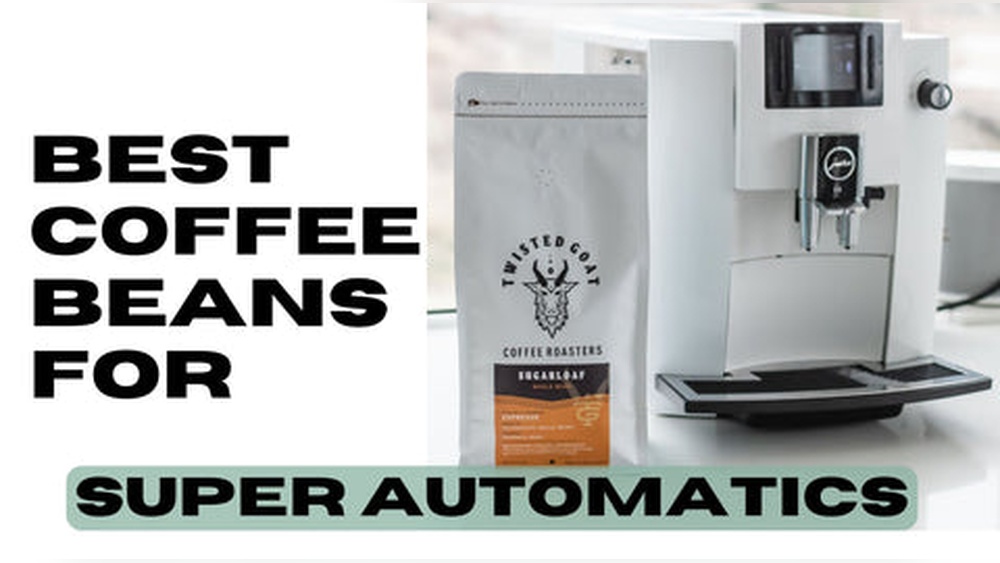
Are you wondering if you can use coffee beans in your espresso machine and how to get the best flavor every time? You’re not alone.
Choosing the right beans and preparing them correctly can make a huge difference in your espresso’s taste. In this guide, you’ll discover everything you need to know about using coffee beans with your espresso machine. By the end, you’ll have the confidence to brew rich, delicious espresso that rivals your favorite coffee shop.
Keep reading to unlock the secrets of perfect espresso right at home!

Choosing Coffee Beans For Espresso
Choosing the right coffee beans is key to making great espresso. Not all beans work the same in espresso machines. The flavor, aroma, and crema all depend on the beans you pick. This guide helps you understand the differences between bean types, freshness, roast levels, and whether to buy whole beans or pre-ground. Knowing these points leads to a better espresso experience every time.
Arabica Vs Robusta Beans
Two main types of coffee beans are used for espresso: Arabica and Robusta. Each has unique qualities that affect taste and texture.
- Arabica Beans: These beans have a mild, sweet flavor with hints of fruit and sugar. They contain less caffeine and have a smoother, more complex taste. Arabica is the preferred choice for many espresso lovers because of its rich flavor profile.
- Robusta Beans: Robusta has a stronger, harsher taste with a bitter edge. It contains more caffeine and produces thicker crema on espresso shots. Robusta beans add body and intensity, often used in blends to enhance crema and strength.
The table below summarizes the key differences:
| Aspect | Arabica | Robusta |
|---|---|---|
| Flavor | Smooth, sweet, fruity | Strong, bitter, earthy |
| Caffeine Content | Lower (about 1.2%) | Higher (about 2.2%) |
| Crema | Thin | Thick |
| Price | More expensive | Cheaper |
Many espresso blends combine both beans to balance flavor and crema. Pure Arabica is smooth but may lack crema. Robusta adds strength but can be bitter.
Freshness And Roast Level
Fresh coffee beans make a big difference in espresso quality. Beans start losing flavor soon after roasting. For the best taste, use beans roasted within the last 2 to 4 weeks. Look for a roast date on the packaging. Avoid beans without one.
The roast level also changes the espresso taste:
- Light Roast: Bright and acidic flavor. Less common for espresso because it can taste sour.
- Medium Roast: Balanced flavor with some acidity and sweetness. Works for mild espresso.
- Dark Roast: Bold, rich, and slightly bitter. The traditional choice for espresso, creating a strong, full-bodied cup.
Use this table to match roast levels with flavor notes:
| Roast Level | Flavor Notes | Espresso Suitability |
|---|---|---|
| Light | Fruity, acidic | Less ideal |
| Medium | Balanced, sweet | Good |
| Dark | Bold, smoky, bitter | Best |
Store beans in an airtight container in a cool, dark place. Avoid the fridge or freezer, as moisture harms freshness. Grind beans just before brewing to keep flavors strong.
Whole Beans Vs Pre-ground
Choosing between whole beans and pre-ground coffee affects espresso quality. Whole beans keep flavor longer. Grinding right before brewing preserves aroma and taste.
Advantages of Whole Beans:
- Freshness lasts longer
- Control over grind size
- Better flavor and aroma
Advantages of Pre-Ground Coffee:
- Convenient and quick
- No need for grinder
- Consistent grind size (if from good brand)
Espresso requires a very fine grind. Pre-ground coffee may not suit your espresso machine’s needs perfectly. A burr grinder is best for grinding whole beans consistently.
Use this quick guide for grinding:
- Whole beans go into the grinder.
- Set grinder to fine or espresso setting.
- Grind just before brewing.
Freshly ground beans produce crema and richer flavor. Pre-ground coffee often loses aroma and may taste stale. For the best espresso, whole beans with fresh grinding are recommended.
Preparing Beans For Your Espresso Machine
Using fresh coffee beans in your espresso machine can greatly improve the taste and aroma of your coffee. Preparing the beans properly is key to making a great espresso shot. This process starts with selecting the right beans and ends with measuring the correct amount. Proper preparation ensures each cup is rich and flavorful. Let’s explore how to prepare coffee beans for your espresso machine.
Grinding Coffee Beans
Grinding coffee beans just before brewing keeps the flavors fresh and strong. Pre-ground coffee loses aroma and taste quickly. Using whole beans and grinding them yourself is best for espresso. A burr grinder is preferred over a blade grinder. Burr grinders crush beans evenly, creating uniform grounds.
- Burr grinders provide better control over grind size.
- Blade grinders can create uneven particle sizes.
- Grinding just before brewing preserves essential oils and flavor.
To grind your beans:
- Measure the beans needed for your shot.
- Set your grinder to espresso setting (fine grind).
- Grind the beans evenly.
- Use the ground coffee immediately for best results.
Storing whole beans in an airtight container away from light and heat keeps them fresh longer. Avoid grinding in large batches. Freshness matters for every cup.
Grind Size And Consistency
The grind size affects how water passes through coffee grounds in the espresso machine. Espresso needs a fine and consistent grind. Too coarse grind leads to weak, watery espresso. Too fine grind causes over-extraction and bitter taste.
Look for these grind characteristics:
- Fine texture: Powdery but not like flour.
- Uniform size: All particles should be similar in size.
- Not dusty: Too many fine particles can clog the machine.
Here is a simple grind size guide for espresso:
| Grind Size | Texture | Effect on Espresso |
|---|---|---|
| Coarse | Grainy, like sea salt | Under-extracted, weak flavor |
| Medium | Sand-like | Not suitable for espresso |
| Fine | Powdery, slightly gritty | Proper extraction, balanced taste |
| Too Fine | Flour-like | Over-extracted, bitter taste |
Adjust your grinder in small steps to find the perfect grind size. Testing and tasting helps you reach the ideal balance.
Measuring The Right Amount
Measuring the correct coffee dose ensures consistent espresso shots. Use a digital scale for accuracy. Most espresso shots need about 18 to 20 grams of coffee grounds for a double shot.
Steps to measure coffee:
- Place your portafilter on the scale.
- Tare the scale to zero.
- Add ground coffee until you reach the desired weight.
- Tamp the coffee evenly in the portafilter.
Using too little coffee results in weak espresso. Too much coffee can cause machine clogging or bitter taste. Consistent dosing helps maintain flavor and pressure during extraction.
Here is a quick dosing reference:
| Shot Type | Coffee Amount (grams) | Water Volume (ml) |
|---|---|---|
| Single Shot | 7 – 9 | 25 – 30 |
| Double Shot | 18 – 20 | 50 – 60 |
Practice measuring and tamping to improve your espresso-making skills. Consistency leads to better coffee every time.
Using Coffee Beans In Different Espresso Machines
Using coffee beans in different espresso machines requires understanding each machine’s design and function. Not all espresso machines handle coffee beans the same way. Some need pre-ground coffee, while others grind beans automatically. Choosing the right beans and knowing how to use them improves espresso taste and machine performance. This section explains how manual, semi-automatic, and fully automatic espresso machines work with coffee beans.
Manual Espresso Machines
Manual espresso machines give full control over the brewing process. You must grind the coffee beans separately before using them. The grind size is crucial—too fine or too coarse affects the espresso quality.
- Grind beans fresh: Use a burr grinder for consistent size.
- Measure coffee: Typically 18-20 grams per shot.
- Tamp evenly: Press the coffee firmly in the portafilter.
- Heat water: Water temperature should be around 195-205°F (90-96°C).
Manual machines require more skill and attention. They do not grind beans internally, so fresh grinding is a must. Benefits include:
| Pros | Cons |
|---|---|
| Full control over extraction | Requires separate grinder |
| Customizable grind size and tamping | Longer preparation time |
| Can use any coffee beans | Steeper learning curve |
Using coffee beans in a manual espresso machine suits coffee lovers who enjoy hands-on brewing. Fresh, quality beans and proper grinding are keys to great espresso.
Semi-automatic Machines
Semi-automatic machines combine manual and automatic features. Most require pre-ground coffee but some models include built-in grinders. Using whole coffee beans depends on the machine type.
Key points to consider:
- Machines without grinder: Use freshly ground beans from a separate grinder.
- Machines with grinder: Load whole beans into the hopper for automatic grinding.
- Adjust grind size: Many machines allow grind size adjustments for best flavor.
- Control extraction: You start and stop the shot manually, controlling extraction time.
Semi-automatic machines offer a balance between control and convenience. Using coffee beans in these machines:
- Ensures fresh espresso with grinding on demand
- Allows customization of grind size and extraction time
- Requires some knowledge of grinding and tamping
Here is a quick comparison of semi-automatic machines with and without grinders:
| Feature | Without Grinder | With Grinder |
|---|---|---|
| Bean Handling | Pre-ground coffee only | Whole beans in hopper |
| Grinding | Manual with separate grinder | Automatic internal grinding |
| Control | Manual tamping, shot timing | Manual tamping, shot timing |
| Ease of Use | Moderate | Moderate to easy |
Semi-automatic machines suit users who want some control but less manual work than manual machines.
Fully Automatic Machines
Fully automatic espresso machines handle every step, from grinding beans to brewing espresso. They come with built-in grinders and programmable settings. Using coffee beans is simple:
- Fill the bean hopper with whole coffee beans.
- Select grind size and strength on the control panel.
- Machine grinds beans and brews espresso with one button.
These machines are perfect for quick, consistent espresso without manual effort. Features include:
| Feature | Description |
|---|---|
| Grinding | Automatic, adjustable grind size |
| Brewing | Automatic water dosing and pressure control |
| Customization | Programmable shot volume and strength |
| Ease of Use | Very easy, minimal user input |
Fully automatic machines guarantee fresh espresso with minimal effort. They suit busy users or beginners who want coffee beans brewed perfectly every time.
Common Mistakes To Avoid
Using coffee beans in an espresso machine requires attention to detail. Many beginners make simple mistakes that affect taste and machine performance. Avoiding these errors ensures a rich, smooth espresso shot every time. Focus on bean freshness, grind size, and tamping pressure to improve your coffee experience. Below are common mistakes to avoid for better espresso results.
Using Old Or Stale Beans
Freshness matters most with coffee beans. Old or stale beans lose flavor and aroma, resulting in weak or bitter espresso. Beans start to lose freshness shortly after roasting. Oxygen, heat, and light cause them to go stale quickly. Using beans that are weeks or months old will hurt your espresso quality.
Tips to keep beans fresh:
- Buy small amounts to use within 2-3 weeks.
- Store beans in an airtight container.
- Keep beans in a cool, dark place away from heat.
- Avoid storing beans in the fridge or freezer, as moisture affects taste.
Below is a simple table showing how bean freshness impacts taste:
| Bean Age | Flavor Quality | Recommended Use |
|---|---|---|
| 0-2 weeks | Best, vibrant flavor | Ideal for espresso |
| 3-4 weeks | Good, slight flavor loss | Still usable |
| 4+ weeks | Dull, flat taste | Not recommended |
Incorrect Grind Size
Grind size is critical for espresso machines. Espresso needs a fine, consistent grind. Too coarse a grind causes fast water flow, leading to weak, watery espresso. Too fine a grind slows extraction, making espresso bitter and over-extracted.
Signs of grind size issues:
- Espresso pours too quickly or too slowly.
- Crema is thin or missing.
- Flavor is sour or bitter.
Adjust your grinder settings gradually to find the right size. Use these tips:
- Start with a fine grind similar to table salt.
- Check extraction time: ideal is 25-30 seconds for a shot.
- Adjust grind coarser if extraction is too slow, finer if too fast.
The table below compares grind size effects on espresso:
| Grind Size | Extraction Speed | Espresso Taste |
|---|---|---|
| Too Coarse | Fast | Weak, sour |
| Ideal Fine | 25-30 seconds | Balanced, rich |
| Too Fine | Slow | Bitter, over-extracted |
Over Or Under Tamping
Tamping means pressing coffee grounds firmly in the portafilter. Proper tamping ensures even water flow and good extraction. Too little pressure causes water to flow too fast, making weak espresso. Too much pressure blocks water flow, causing bitter taste or machine strain.
How to tamp correctly:
- Use about 30 pounds of pressure (firm but not extreme).
- Press evenly and level the surface.
- Practice a steady, consistent tamp.
- Check for cracks or uneven spots in the coffee bed.
Common tamping mistakes include:
- Uneven tamping, causing channeling of water.
- Using too much force, making espresso bitter.
- Using too little force, making espresso weak.
Follow this guide for tamping impact:
| Tamping Pressure | Water Flow | Espresso Result |
|---|---|---|
| Too Light | Fast | Weak, sour espresso |
| Correct (30 lbs) | Even | Rich, balanced espresso |
| Too Hard | Slow or blocked | Bitter, over-extracted |
Enhancing Your Espresso Experience
Using coffee beans in an espresso machine can greatly improve your coffee’s flavor and freshness. Fresh beans bring out rich aromas and bold tastes that pre-ground coffee cannot match. To get the best espresso, focus on how you store beans, try different blends, and keep your machine clean. These steps help enhance your espresso experience and make every cup enjoyable.
Bean Storage Tips
Proper storage keeps coffee beans fresh longer. Beans start losing flavor soon after roasting. Protect them from air, light, heat, and moisture to keep them fresh.
- Use airtight containers: Store beans in containers that seal tightly.
- Keep beans in a cool, dark place: Avoid direct sunlight and heat sources.
- Avoid the fridge or freezer: Moisture can damage beans and affect flavor.
- Buy small amounts: Use fresh beans within two weeks of opening.
| Storage Method | Pros | Cons |
|---|---|---|
| Airtight Container at Room Temp | Keeps beans fresh, easy to access | Needs a cool, dark spot |
| Vacuum-Sealed Bags | Extends freshness, blocks air | Hard to reseal after opening |
| Freezing Beans | Can preserve beans for months | Moisture risk, flavor loss if thawed repeatedly |
Keep beans dry and avoid frequent exposure to air. Grinding beans just before brewing also keeps flavor strong.
Experimenting With Blends
Trying different blends lets you find flavors that suit your taste. Blends combine beans from various regions and roasts to create unique profiles.
Start with these ideas:
- Single-origin beans: Taste beans from one place for pure flavor.
- Dark and medium roasts: Mix for balance between bold and smooth.
- Arabica and Robusta blends: Add crema and strength with Robusta.
Use small amounts to test blends before making a large batch. Keep notes on taste, aroma, and crema quality.
| Blend Type | Flavor Notes | Best For |
|---|---|---|
| Single-Origin Arabica | Fruity, floral, bright | Light, delicate espresso |
| Arabica-Robusta Mix | Strong, earthy, rich crema | Classic bold espresso |
| Dark-Medium Roast Blend | Balanced, caramel, chocolate | Everyday espresso lovers |
Adjust the ratio of beans for your preferred taste. Experimenting helps discover your perfect espresso.
Cleaning And Maintenance
Keeping your espresso machine clean improves taste and machine life. Old coffee oils and grounds spoil flavor and block parts.
Follow this cleaning routine:
- Daily: Rinse portafilter and group head after use.
- Weekly: Backflush machine with a cleaning tablet.
- Monthly: Clean grinder burrs and descale the machine.
Use these tools for maintenance:
- Brush for group head and grinder
- Cleaning tablets or powder
- Descaling solution
- Microfiber cloths
Ignoring maintenance causes bad taste and machine damage. Clean machines deliver pure espresso flavor and consistent performance.
Example: Simple cleaning schedule Task Frequency Tools Needed Rinse portafilter and group head Daily Warm water, cloth Backflush with cleaning tablet Weekly Cleaning tablet, brush Descale machine Monthly Descaling solution

Frequently Asked Questions
Can I Use Whole Coffee Beans In An Espresso Machine?
Yes, you can use whole coffee beans, but they must be ground finely. Grinding beans fresh improves espresso flavor and crema quality.
What Grind Size Suits Espresso Machines Best?
Espresso machines require a fine grind size. A consistent fine grind ensures proper extraction and rich, balanced espresso shots.
Should I Use Dark Or Light Coffee Beans For Espresso?
Dark roast beans are preferred for espresso due to their bold flavor. Light roasts produce a milder, more acidic shot.
How Often Should I Grind Coffee Beans For Espresso?
Grind coffee beans right before brewing. Freshly ground beans preserve aroma and enhance the espresso’s taste and crema.
Conclusion
Using coffee beans in an espresso machine works well when done right. Choose fresh, quality beans for the best taste. Grind beans just before brewing to keep flavors strong. Adjust the grind size to match your machine’s needs. Clean the machine regularly to avoid bitter flavors.
Small changes make a big difference in your espresso. Enjoy crafting rich, smooth coffee at home. Experiment and find what suits your taste best. This guide helps you brew great espresso with beans. Keep practicing, and your coffee will improve every day.
Leave a Reply