
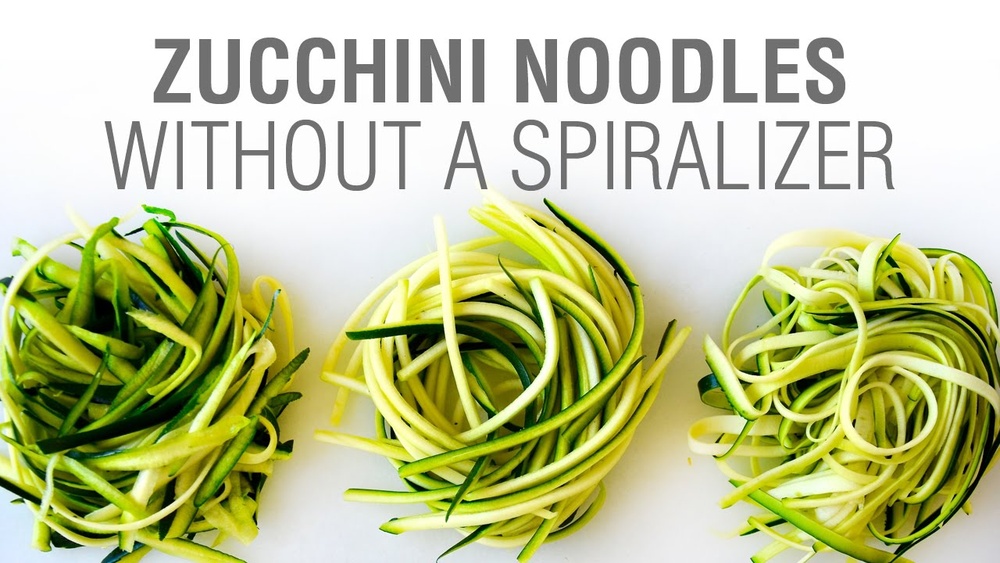
Transforming humble courgettes into a delightful pasta alternative, often dubbed ‘courgetti’ or ‘zoodles’, is a culinary revelation for health-conscious foodies and those seeking gluten-free options. This versatile vegetable, when spiralized, mimics the texture and appearance of spaghetti, offering a lighter, more nutrient-dense base for your favorite sauces and toppings.
Beyond its aesthetic appeal, courgette spaghetti is packed with vitamins, minerals, and fiber, making it a smart swap for traditional pasta.
The journey to perfect courgette spaghetti involves understanding the best tools, techniques, and tips to achieve that ideal al dente bite, avoiding the common pitfall of watery or mushy strands. Whether you’re a seasoned home cook or just starting to explore vegetable-based noodles, this guide will equip you with the knowledge to create delicious, satisfying courgette spaghetti dishes that are both healthy and incredibly appealing.
Key Takeaways
- Spiralization is Key: The primary method for creating courgette spaghetti is using a spiralizer, available in manual and electric forms, each with its own advantages.
- Moisture Management is Crucial: Courgettes are water-rich vegetables; proper techniques are needed to prevent soggy strands, such as salting and draining.
- Cooking Methods Matter: Quick sautéing or blanching are the preferred cooking methods to maintain a pleasant al dente texture.
- Sauce Pairing is Essential: Lighter, fresh sauces often complement courgette spaghetti best, though heartier options can also work with careful preparation.
- Nutritional Benefits: Courgette spaghetti is a low-calorie, nutrient-rich alternative to traditional pasta, boosting vegetable intake.
- Versatility in Application: It can be served hot or cold, as a main dish, side, or even in salads.
Understanding The Magic Of Courgette Spaghetti
Courgette spaghetti, or zoodles, has surged in popularity for several compelling reasons, primarily driven by evolving dietary trends and a growing awareness of healthy eating. At its core, it’s about reimagining a staple food, pasta, using a vegetable as the base.
This simple yet effective transformation opens up a world of culinary possibilities, catering to a diverse range of dietary needs and preferences without sacrificing flavor or satisfaction.
The appeal of courgette spaghetti extends beyond its novelty. It represents a significant step towards incorporating more vegetables into daily meals, a goal for many individuals aiming for a balanced diet. Unlike traditional pasta, which is primarily a source of carbohydrates, courgettes offer a spectrum of beneficial nutrients. They are a good source of Vitamin C, an antioxidant crucial for immune function and skin health, and Vitamin B6, important for brain development and function. Furthermore, courgettes are rich in potassium, which helps regulate blood pressure, and dietary fiber, essential for digestive health and promoting a feeling of fullness. This nutritional profile makes courgette spaghetti an attractive option for weight management, as it significantly reduces calorie intake compared to durum wheat pasta. A typical 100-gram serving of cooked spaghetti contains around 160 calories, while the same amount of cooked courgette noodles has approximately 20 calories, a remarkable difference.
The Rise Of Zoodles And Health Trends
The increasing prevalence of gluten intolerance and celiac disease has propelled grain-free and gluten-free alternatives into the mainstream. Courgette spaghetti naturally fits this category, offering a safe and delicious option for those who must avoid gluten. Beyond gluten, the low-carbohydrate appeal of zoodles aligns perfectly with popular diets like Keto and Paleo, which emphasize reduced carbohydrate intake.
By swapping traditional pasta for courgette noodles, individuals can enjoy pasta-like dishes while adhering to strict macronutrient goals. This adaptability has cemented courgette spaghetti’s place in modern healthy eating.
Furthermore, the growing emphasis on whole foods and minimally processed ingredients also contributes to its popularity. Courgette spaghetti is essentially the vegetable in its most natural form, requiring minimal intervention to become a pasta substitute. This resonates with consumers who are increasingly scrutinizing food labels and seeking out options that are perceived as cleaner and more wholesome. The ease with which courgettes can be transformed into noodles also appeals to home cooks looking for quick, healthy meal solutions that don’t require extensive preparation time.
Essential Tools For Making Courgette Spaghetti
Achieving the perfect courgette spaghetti strands hinges on using the right equipment. While the concept is simple, the tools you choose will significantly impact the ease of preparation and the final texture of your ‘noodles’. There are several types of spiralizers available, each with its own set of pros and cons.
Understanding these differences can help you select the best tool for your kitchen and cooking style.
Manual Spiralizers: Compact And Affordable
Manual spiralizers are the most common and budget-friendly option. They come in various designs, including handheld models that resemble a vegetable peeler and countertop models that require cranking.
- Handheld Spiralizers: These are compact, easy to store, and simple to use. You essentially treat them like a pencil, twisting the courgette through the blade. They are ideal for smaller quantities and for those with limited kitchen space. However, they can be more challenging to use with larger courgettes and may produce shorter, thicker strands. The process can also be a bit more labor-intensive.
- Countertop Crank Spiralizers: These are more robust and typically produce longer, more uniform noodles. They often come with different blade attachments for varying noodle thicknesses and types (e.g., spaghetti, fettuccine, ribbons). The cranking mechanism makes them easier to use for larger vegetables and yields a more consistent result. They are generally more stable and safer to operate than handheld versions.
Electric Spiralizers: Speed And Convenience
For those who plan to make courgette spaghetti frequently or in larger batches, an electric spiralizer is a worthwhile investment. These appliances take the manual effort out of the process, allowing you to spiralize vegetables with the push of a button.
- Pros: Electric models are incredibly fast and efficient. They can handle larger quantities with minimal effort, making them perfect for meal prepping or entertaining. Many models also offer multiple blade options for different noodle shapes.
- Cons: Electric spiralizers are typically more expensive than their manual counterparts and require more storage space. They also need to be plugged in, limiting portability. Cleaning can sometimes be more involved due to the motor component.
When choosing a spiralizer, consider factors like the size of courgettes you typically use, the volume you plan to prepare, your budget, and your available storage space. A good quality manual spiralizer, like a Paderno World Cuisine Spiralizer, can be an excellent starting point, offering a balance of performance and affordability. For those seeking ultimate convenience, brands like KitchenAid offer attachments for their stand mixers, or dedicated electric units are available from various appliance manufacturers.
Other Useful Gadgets
While a spiralizer is the star of the show, a few other tools can enhance your courgette spaghetti experience:
- Sharp Chef’s Knife: For trimming the ends of the courgette and any necessary prep work. A high-quality knife ensures clean cuts and safety. Consider a set like the 15-piece kitchen knife set for comprehensive kitchen needs.
- Cutting Board: A stable surface for all your preparation tasks.
- Colander: Essential for draining excess moisture from the courgette noodles.
- Paper Towels or Clean Kitchen Towels: Crucial for drying the courgette strands.
- Large Skillet or Wok: For quickly sautéing the courgette spaghetti.
The Art Of Spiralizing Courgettes
Spiralizing courgettes might seem straightforward, but a few techniques can elevate your results from potentially soggy strands to perfectly textured noodles. The goal is to create uniform spirals that hold their shape and have a pleasant, slightly firm bite when cooked.
Selecting The Right Courgettes
The quality of your courgette spaghetti starts with the courgettes themselves.
- Size Matters: Opt for medium-sized courgettes, roughly 6-8 inches long and 1.5-2 inches in diameter. These tend to have fewer seeds and a firmer flesh, leading to better noodle texture. Avoid very large courgettes, as their seed cavities become more pronounced and can result in mushy noodles.
- Firmness and Appearance: Choose courgettes that are firm to the touch, with smooth, unblemished skin. Avoid any that feel soft, bruised, or have yellowing spots.
Preparing The Courgettes
Before you spiralize, a little preparation goes a long way:
- Wash Thoroughly: Rinse the courgettes under cool running water and pat them dry.
- Trim the Ends: Cut off both the stem and blossom ends. These parts can be tough and less appealing in the final dish.
- Peeling (Optional): You can choose to peel the courgettes or leave the skin on. Leaving the skin on adds color and a bit more fiber to your courgette spaghetti. If your courgettes have thick or tough skin, peeling might be preferable.
The Spiralizing Process
Each type of spiralizer has its own nuances, but the general principle remains the same:
- For Handheld Spiralizers: Secure the courgette firmly in the spiralizer. Twist the courgette against the blade, applying steady pressure. You may need to cut larger courgettes in half to fit them securely.
- For Countertop Crank Spiralizers: Secure the courgette onto the prongs. Select your desired blade. Turn the crank handle to feed the courgette through the blade. Ensure the courgette is centered for uniform spirals.
- For Electric Spiralizers: Follow the manufacturer’s instructions. Typically, you’ll place the courgette in the designated chute and press a button.
Pro Tip: Work in manageable sections. If you’re making a large batch, spiralize in batches to avoid overwhelming your workspace and to ensure the courgettes remain fresh.
Dealing With The Seeds
Courgettes, especially larger ones, can have a watery core filled with seeds. These seeds can make your courgette spaghetti soggy and less appealing.
- Discarding the Core: After spiralizing, you’ll notice that the central core of the courgette, containing the seeds, is often left behind. This core can be discarded or used in other recipes, like vegetable broths or fritters.
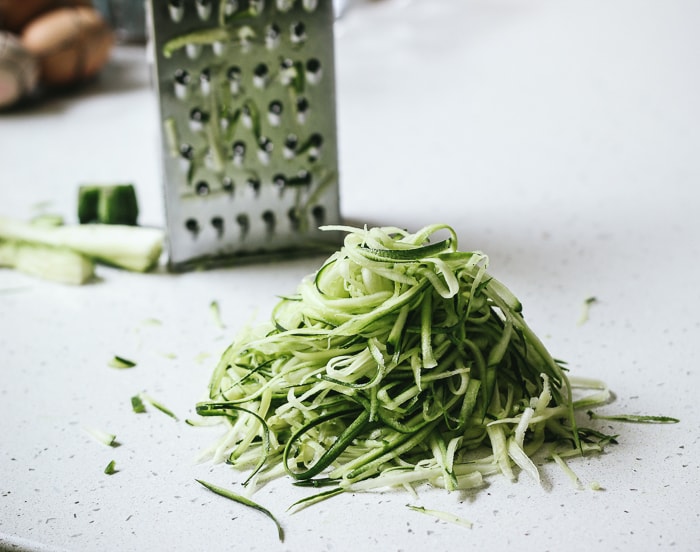
- Using a Julienne Peeler (Alternative): If you don’t have a spiralizer, a julienne peeler can create spaghetti-like strands, though they might be more delicate.

Managing Moisture: The Key To Perfect Zoodles
The biggest challenge when making courgette spaghetti is its high water content. Courgettes are approximately 95% water, and if not managed properly, your ‘noodles’ can turn into a watery, mushy mess. Fortunately, there are effective techniques to combat this.
The Salting And Draining Method
This is the most common and effective method for drawing out excess moisture from courgette spaghetti.
- Salt the Noodles: After spiralizing, place the courgette strands in a colander set over a bowl or in the sink. Sprinkle them generously with salt (about 1 teaspoon per large courgette).
- Toss and Let Sit: Gently toss the noodles with the salt to ensure even distribution. Let them sit for at least 15-30 minutes. You’ll visibly see water being drawn out and accumulating in the bowl below.
- Rinse (Optional but Recommended): After draining, some prefer to give the noodles a quick rinse under cold water to remove excess salt. Pat them thoroughly dry afterward.
- Pat Dry: This is a critical step. Lay the drained courgette noodles on a clean kitchen towel or several layers of paper towels. Gently press down to absorb as much remaining moisture as possible. You may need to flip them and repeat. The drier the noodles, the better their texture will be when cooked.
Other Moisture-reducing Tips
- Avoid Overcrowding the Pan: When cooking, don’t overcrowd your skillet. Cook in batches if necessary. Overcrowding lowers the pan temperature and causes the courgettes to steam rather than sauté, releasing more water.
- Use a Hot Pan: A hot skillet or wok is essential for quick searing, which helps evaporate moisture rapidly.
- Cook Briefly: Courgette spaghetti cooks very quickly. Overcooking is the fastest route to mushiness. Aim for just a few minutes until they are tender-crisp.
Cooking Courgette Spaghetti To Perfection
Once you have your spiralized and moisture-managed courgette noodles, the cooking process is swift and simple. The goal is to achieve an al dente texture, tender but still with a slight bite, similar to traditional pasta. Overcooking is the primary enemy here, leading to a watery and unappetizing result.
Sautéing: The Quickest Method
Sautéing is the most popular and arguably the best method for cooking courgette spaghetti, as it allows for quick cooking and helps evaporate any residual moisture.
- Heat Your Pan: Place a large skillet or wok over medium-high heat. Add a tablespoon or two of your preferred cooking fat, olive oil, avocado oil, or even a knob of butter work well.
- Add Aromatics (Optional): For added flavor, you can sauté minced garlic, shallots, or chili flakes in the hot oil for about 30 seconds until fragrant, being careful not to burn them.
- Add Courgette Noodles: Carefully add the patted-dry courgette noodles to the hot pan. Avoid overcrowding; cook in batches if necessary.
- Toss and Cook: Using tongs, gently toss the noodles in the pan for 2-4 minutes. The goal is to heat them through and slightly soften them without making them limp. They should still have a pleasant bite.
- Season: Season with salt and freshly ground black pepper to taste. You can also add fresh herbs like basil or parsley at this stage.
- Serve Immediately: Courgette spaghetti is best served immediately after cooking, as it can continue to release water if left sitting.
Blanching: A Gentle Alternative
Blanching is a gentler cooking method that involves briefly immersing the courgette noodles in boiling water. This method can be useful if you prefer a slightly softer texture or if you’re preparing the noodles ahead of time and plan to reheat them.
- Boil Water: Bring a large pot of salted water to a rolling boil.
- Add Noodles: Carefully add the courgette noodles to the boiling water.
- Cook Briefly: Boil for only 1-2 minutes. You want them to be just tender.
- Drain and Shock (Optional): Drain the noodles immediately in a colander. For a firmer texture and to stop the cooking process instantly, you can plunge them into an ice bath (a bowl of ice water) for a minute, then drain thoroughly and pat dry.
- Reheat or Serve: Blanched noodles can be served immediately or gently reheated in a pan with a little sauce.
Raw Courgette Spaghetti: The Freshest Option
For a truly refreshing and no-cook meal, courgette spaghetti can be enjoyed raw. This method preserves all the nutrients and offers a delightful crunch.
- Preparation is Key: Ensure your courgette noodles are well-drained and patted dry, as there’s no cooking to remove moisture.
- Pairing: Raw zoodles work exceptionally well with lighter, fresher sauces, pestos, or vinaigrettes. They are also a fantastic addition to salads, providing a satisfying noodle-like element without the heaviness of traditional pasta.
Pairing Courgette Spaghetti With Sauces And Toppings
The beauty of courgette spaghetti lies in its neutral flavor, which makes it a versatile canvas for a wide array of sauces and toppings. While it pairs well with many traditional pasta accompaniments, certain combinations truly shine, enhancing the lightness and freshness of the dish.
Lighter, Fresher Sauces
These sauces complement the delicate nature of courgette spaghetti without overwhelming it.
- Pesto: A classic basil pesto, or variations with sundried tomatoes, spinach, or arugula, provides a vibrant, herbaceous flavor. The oil-based nature of pesto helps coat the zoodles beautifully.
- Lemon Garlic Sauce: A simple yet elegant sauce made with olive oil, minced garlic, lemon juice, and zest. Fresh herbs like parsley or dill can be added for extra brightness. This is a fantastic pairing for raw or lightly sautéed zoodles.
- Marinara or Tomato Sauce: A light, fresh marinara sauce works well. Avoid overly heavy, chunky meat sauces, which can make the dish feel unbalanced. Simmering a simple tomato sauce with fresh basil and garlic is ideal.
- Creamy Avocado Sauce: Blend ripe avocado with lime juice, garlic, cilantro, and a touch of water or vegetable broth for a rich, dairy-free sauce that coats the noodles beautifully.
Heartier Options, Used Wisely
While lighter sauces are often preferred, courgette spaghetti can stand up to more robust flavors if balanced correctly.
- Bolognese: A leaner, less chunky bolognese can be served over zoodles. The key is to ensure the sauce isn’t too watery.
- Shrimp Scampi: A classic scampi sauce with garlic, butter (or olive oil), white wine, and lemon juice is a delightful pairing. The shrimp adds protein and substance.
- Chicken or Prawn Stir-fry: Courgette noodles can be incorporated into stir-fries, absorbing the savory flavors of soy sauce, ginger, and garlic. Ensure they are added towards the end of cooking to prevent overcooking.
Delicious Toppings And Add-ins
Elevate your courgette spaghetti with complementary toppings:
- Protein: Grilled chicken breast, pan-seared shrimp, flaked salmon, lean ground turkey, or crumbled tofu.
- Vegetables: Cherry tomatoes, sautéed mushrooms, roasted bell peppers, steamed broccoli florets, or wilted spinach.
- Healthy Fats: Toasted pine nuts, slivered almonds, chopped walnuts, or a sprinkle of nutritional yeast for a cheesy flavor.
- Cheese: Freshly grated Parmesan, Pecorino Romano, crumbled feta, or dollops of ricotta.
- Fresh Herbs: Basil, parsley, cilantro, mint, or chives add a burst of freshness.
Example Dish: Sauté 1 large courgette, spiralized and patted dry, with 2 cloves of minced garlic in 1 tbsp olive oil for 3 minutes. Toss with 1/2 cup cooked shrimp, 1/4 cup cherry tomatoes (halved), and a squeeze of lemon juice. Finish with fresh parsley and a pinch of red pepper flakes.
Nutritional Comparison: Courgette Spaghetti Vs. Traditional Pasta
Understanding the nutritional differences between courgette spaghetti and traditional pasta highlights why zoodles have become such a popular choice for health-conscious individuals. The contrast is significant, particularly in terms of calories, carbohydrates, and micronutrient content.
Traditional pasta, typically made from durum wheat, is a good source of complex carbohydrates, providing energy and some fiber. However, it is also calorie-dense and can be high in carbohydrates, which may be a concern for those managing weight or specific dietary plans like low-carb or ketogenic diets.
Courgette spaghetti, on the other hand, offers a dramatically different nutritional profile. It is exceptionally low in calories and carbohydrates, making it an excellent choice for those looking to reduce their intake of either.
Here’s a comparative look at the approximate nutritional values per 100 grams (cooked):
| Nutrient | Traditional Spaghetti (approx.) | Courgette Spaghetti (approx.) |
|---|---|---|
| Calories | 160 | 20 |
| Carbohydrates (g) | 31 | 4 |
| – Sugars (g) | 1 | 2 |
| Fiber (g) | 2.5 | 1.5 |
| Protein (g) | 6 | 1.5 |
| Fat (g) | 1 | 0.5 |
| Vitamin C (mg) | 0 | 7 |
| Potassium (mg) | 110 | 260 |
*Note: Nutritional values can vary based on preparation methods, specific types of pasta, and courgette size.*
Key Nutritional Advantages Of Courgette Spaghetti
- Calorie Density: Courgette spaghetti is about eight times lower in calories than traditional spaghetti. This makes it a powerful tool for weight management, allowing individuals to enjoy pasta-like dishes without a significant caloric impact.
- Carbohydrate Content: The carbohydrate count is drastically lower. This is a major benefit for individuals following low-carb, ketogenic, or diabetic-friendly diets. By replacing pasta with zoodles, they can significantly reduce their net carbohydrate intake while still enjoying a satisfying meal.
- Micronutrient Boost: Courgettes are a good source of several essential vitamins and minerals. They provide a notable amount of Vitamin C (important for immunity and skin health) and Potassium (crucial for blood pressure regulation and fluid balance). While traditional pasta offers some B vitamins and minerals, courgettes provide a distinct advantage in certain micronutrients.
- Hydration: Being mostly water, courgettes contribute to your daily fluid intake.
- Fiber Content: While not as high in fiber as whole wheat pasta, courgette spaghetti still contributes dietary fiber, which is beneficial for digestive health and satiety.
Considerations For Traditional Pasta
Traditional pasta is not without its merits. It’s a readily available, versatile staple that provides sustained energy due to its complex carbohydrate profile. For athletes or
Leave a Reply