
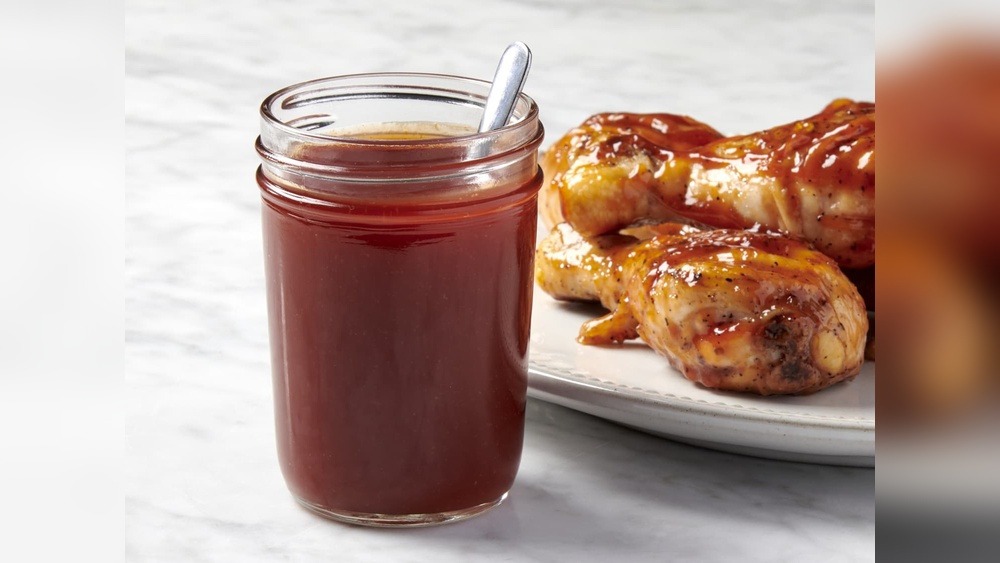
The sweet, tangy, and smoky allure of honey barbecue sauce is undeniable. It’s a flavor profile that graces everything from backyard ribs and pulled pork sandwiches to grilled chicken wings and even baked beans. While store-bought options abound, nothing quite compares to the depth and personalized touch of a homemade batch. Crafting your own barbecue sauce allows you to control the sweetness, spice, and smoky notes, tailoring it perfectly to your culinary preferences. This guide will walk you through the process of making exceptional honey barbecue sauce from scratch, exploring the core components, essential techniques, and variations that will elevate your grilling and cooking game.
Key Takeaways
- Balance is Key: A great honey barbecue sauce achieves a harmonious balance between sweet, tangy, savory, and spicy elements.
- Quality Ingredients Matter: Using fresh, high-quality ingredients significantly impacts the final flavor and texture of your sauce.
- Simmering Develops Flavor: Allowing the sauce to simmer gently is crucial for melding flavors and achieving the desired consistency.
- Customization is Encouraged: Don’t be afraid to adjust ingredients to suit your personal taste preferences.
- Storage is Simple: Homemade barbecue sauce can be stored in the refrigerator for several weeks.
- Versatility is a Plus: Honey barbecue sauce isn’t just for meat; it can enhance vegetables, dips, and more.

The Foundation: Understanding Barbecue Sauce Components
Before diving into recipes, it’s essential to understand the fundamental building blocks of any great barbecue sauce, especially one featuring honey. Each ingredient plays a vital role in creating the complex flavor profile we all love.
The Sweet Base: Honey And Beyond
Honey is the star here, providing a natural, floral sweetness that differentiates it from sauces relying solely on brown sugar or molasses. Its viscosity also contributes to the sauce’s texture. However, other sweeteners can complement or substitute honey, each offering a unique nuance:
- Brown Sugar: Adds a deeper, molasses-rich sweetness and helps with caramelization.
- Molasses: Contributes a robust, slightly bitter, and earthy sweetness, often used in conjunction with honey for complexity.
- Maple Syrup: Offers a different kind of sweetness, with distinct woody and caramel notes.
The Tangy Counterpoint: Acidity Is Crucial
Sweetness alone can be cloying. Acidity cuts through the richness and provides brightness, preventing the sauce from becoming one-dimensional. Common acidic elements include:
- Vinegar: Apple cider vinegar is a classic choice for its fruity tang that pairs exceptionally well with pork and chicken. White vinegar offers a sharper, cleaner acidity, while red wine vinegar adds a subtle depth.
- Tomato Products: Ketchup or tomato paste forms the base for many barbecue sauces, providing both sweetness and acidity, along with a rich umami flavor.
- Citrus Juices: Lemon or lime juice can add a fresh, zesty kick, particularly in lighter, more summery barbecue sauces.
The Savory Depth: Umami And Aromatics
This layer adds complexity and the characteristic “barbecue” flavor.
- Onion and Garlic: Fresh or powdered, these aromatics are fundamental. They provide a pungent base that mellows and sweetens as it cooks.
- Worcestershire Sauce: A fermented condiment that adds a profound umami depth, with notes of anchovy, tamarind, and spices.
- Mustard: Dijon or yellow mustard can add a subtle tang and a slightly pungent bite.
- Soy Sauce: Contributes saltiness and a unique savory note.
The Spicy Kick: Heat And Complexity
A touch of heat is often essential to balance the sweetness and add excitement.
- Black Pepper: A universal spice that adds a gentle warmth.
- Cayenne Pepper: Provides a more direct, clean heat.
- Chili Powder: A blend of spices that can add both heat and earthy flavor.
- Hot Sauce: A versatile way to introduce heat and additional flavor notes, depending on the type of hot sauce used (e.g., Sriracha, Tabasco, chipotle).
- Smoked Paprika: Imparts a smoky flavor without adding heat, or a mild heat if using hot smoked paprika.
The Smoky Element: Authenticity And Aroma
The signature smoky flavor can be achieved in several ways:
- Liquid Smoke: A concentrated flavoring that mimics the taste of smoke. Use sparingly, as it can be potent.
- Smoked Paprika: As mentioned, this adds a distinct smoky aroma and taste.
- Chipotle Peppers in Adobo Sauce: These smoked jalapeños offer both heat and a deep, complex smokiness.
- Actual Smoking: For the most authentic flavor, smoking the meat with wood chips imparts a natural smokiness that sauce alone cannot replicate.
Crafting Your Classic Honey Barbecue Sauce: A Step-by-step Guide
This recipe provides a solid foundation for a delicious, balanced honey barbecue sauce. It’s designed to be easily adaptable to your personal taste.
Ingredients You’ll Need
- 1 cup ketchup
- 1/2 cup honey
- 1/4 cup apple cider vinegar
- 2 tablespoons Worcestershire sauce
- 1 tablespoon Dijon mustard
- 1 teaspoon smoked paprika
- 1/2 teaspoon garlic powder
- 1/2 teaspoon onion powder
- 1/4 teaspoon black pepper
- Pinch of cayenne pepper (optional, for heat)
- 1-2 teaspoons liquid smoke (optional, for extra smoky flavor)
The Process: Bringing It All Together
- Combine Wet Ingredients: In a medium saucepan, whisk together the ketchup, honey, apple cider vinegar, and Worcestershire sauce. Ensure they are thoroughly combined before moving to the next step.
- Add Dry Ingredients and Aromatics: Stir in the Dijon mustard, smoked paprika, garlic powder, onion powder, black pepper, and cayenne pepper (if using). Mix until all the spices are evenly distributed throughout the liquid base.
- Incorporate Smoky Notes (Optional): If you’re using liquid smoke, add it now. Start with 1 teaspoon and taste later; you can always add more, but you can’t take it away.
- Simmer and Meld Flavors: Place the saucepan over medium-low heat. Bring the mixture to a gentle simmer, stirring occasionally. Do not boil vigorously, as this can cause the sauce to scorch or the flavors to become too harsh.
- Low and Slow Cooking: Reduce the heat to low, cover the saucepan partially (to allow steam to escape but prevent splattering), and let the sauce simmer for at least 20-30 minutes. This simmering time is crucial for allowing the flavors to meld and deepen, and for the sauce to thicken slightly. Stir every 5-10 minutes to prevent sticking.
- Taste and Adjust: After simmering, carefully taste the sauce. This is your opportunity to customize.
- Too Sweet? Add a splash more apple cider vinegar or a touch of hot sauce.
- Not Sweet Enough? Stir in a little more honey.
- Needs More Kick? Add more cayenne pepper or a dash of your favorite hot sauce.
- Lacking Depth? A tiny bit more Worcestershire sauce can help.
- Too Thick? Whisk in a tablespoon or two of water or apple cider vinegar.
- Too Thin? Continue simmering uncovered for another 10-15 minutes, stirring more frequently.
- Cool and Store: Once you’re happy with the flavor and consistency, remove the saucepan from the heat. Let the sauce cool completely. As it cools, it will thicken further. Transfer the cooled sauce to an airtight container, such as a glass jar or a squeeze bottle.
Storage And Shelf Life
Properly stored homemade honey barbecue sauce will last for 2-3 weeks in the refrigerator. Ensure your container is clean and airtight. Always use clean utensils when serving to maintain freshness. If you notice any signs of spoilage, such as mold or an off smell, discard the sauce immediately.
Variations On A Theme: Customizing Your Honey Bbq Sauce
The beauty of homemade sauce lies in its adaptability. Here are several ways to put your unique spin on the classic honey barbecue sauce:
Spicy Honey Chipotle Bbq Sauce
For those who love a smoky heat, incorporating chipotle peppers is a fantastic route.
- Additions:
- 1-2 minced chipotle peppers in adobo sauce (adjust to your heat preference)
- 1 tablespoon adobo sauce from the can
- Reduce cayenne pepper or omit if chipotles provide enough heat.
- Method: Sauté the minced chipotle peppers and adobo sauce in a little oil for a minute before adding the other ingredients to the saucepan. Proceed with the simmering process as usual. The chipotles will infuse the sauce with a deep, smoky, and spicy flavor.
Bourbon Honey Bbq Sauce
The caramel notes of bourbon add a sophisticated layer of flavor.
- Additions:
- 1/4 cup bourbon
- 1 tablespoon brown sugar (optional, to compensate for bourbon’s dryness)
- Method: After combining the initial ingredients (before simmering), add the bourbon. Bring to a simmer and cook, stirring frequently, for about 5 minutes to allow the alcohol to cook off before adding the rest of the ingredients and continuing the simmering process. The bourbon will impart a subtle warmth and complexity.
Fruity Honey Bbq Sauce
Adding fruit can introduce a different kind of sweetness and tang.
- Additions:
- 1/2 cup blended ripe peaches or mangoes
- 1 tablespoon lime juice
- Method: Blend the fruit until smooth. Add the blended fruit and lime juice along with the other liquid ingredients. You may need to adjust the simmering time slightly, as fruit can add extra liquid. This variation is excellent with chicken and pork.
Molasses-forward Honey Bbq Sauce
For a darker, richer, and more robust flavor profile.
- Additions:
- Increase honey to 1/2 cup + 2 tablespoons
- Add 2 tablespoons molasses
- Consider using dark brown sugar instead of white if you have it.
- Method: Simply incorporate the additional molasses with the other liquid ingredients. The molasses will lend a deep, slightly bitter, and complex sweetness. This style pairs wonderfully with beef brisket and ribs.
Comparison Of Sweetener Impact
| Sweetener | Flavor Profile | Texture Contribution | Best Pairings |
|---|---|---|---|
| **Honey** | Floral, natural sweetness, mild complexity | Smooth, slightly viscous | Chicken, pork, versatile |
| **Brown Sugar** | Rich, caramel-like, molasses undertones | Aids thickening | Ribs, pulled pork, beef |
| **Molasses** | Deep, robust, slightly bitter, earthy | Thickens considerably | Brisket, pork shoulders, strong meats |
| **Maple Syrup** | Woody, caramel notes, distinct sweetness | Smooth | Pork, chicken, salmon |
| **Ketchup** | Sweet, tangy, umami base | Adds body | Foundation for most BBQ sauces |
Techniques For Perfecting Your Sauce
Beyond the ingredients, certain techniques can elevate your homemade honey barbecue sauce from good to exceptional.
The Importance Of Low And Slow Simmering
As mentioned, simmering is non-negotiable. Rushing this process by boiling the sauce will result in a harsh, unbalanced flavor. Low heat allows the ingredients to meld harmoniously. The sugars in the honey and ketchup will caramelize gently, adding depth. Think of it as allowing the flavors to get to know each other and become best friends. A minimum of 20-30 minutes is recommended, but for even deeper flavor, you can simmer for up to an hour, ensuring you stir frequently to prevent scorching.
Achieving The Right Consistency
The ideal barbecue sauce consistency is thick enough to coat the back of a spoon but still pourable.
- Too Thin: Continue simmering uncovered. The heat will evaporate excess liquid, naturally thickening the sauce. Stir more frequently as it thickens to prevent burning.
- Too Thick: Whisk in small amounts of liquid, water, apple cider vinegar, or even a bit of broth, until the desired consistency is reached. Add liquid gradually to avoid making it too thin.
- Using a Thickener (Use Sparingly): If you need to thicken the sauce quickly, a cornstarch slurry (1 tablespoon cornstarch mixed with 2 tablespoons cold water) can be whisked into the simmering sauce. Cook for another minute or two until thickened. Be cautious, as too much cornstarch can lend a slightly gummy texture.
Incorporating Fresh Ingredients
While this recipe uses powders for convenience, you can absolutely use fresh aromatics.
- Fresh Onion and Garlic: Finely mince 1/4 cup of onion and 1-2 cloves of garlic. Sauté them in a tablespoon of oil in your saucepan until softened and fragrant *before* adding the other ingredients. This mellows their sharpness and brings out their sweetness.
- Fresh Herbs: While not traditional in most base BBQ sauces, you could experiment with adding finely chopped fresh rosemary or thyme during the last 10 minutes of simmering for a unique aromatic twist.
The Art Of Tasting And Adjusting
This is arguably the most critical step for personalization. Your palate is the ultimate guide. Don’t be afraid to taste the sauce at various stages of simmering (carefully, it’s hot!). Understanding how the flavors change, how the heat develops, how the sweetness mellows, how the tanginess cuts through, will help you make informed adjustments.
Beyond The Basics: Advanced Techniques And Pairings
Once you’ve mastered the fundamental honey barbecue sauce, you can explore more advanced applications and pairings.
Using Your Sauce In Cooking
Homemade honey barbecue sauce is incredibly versatile:
- Marinade: Use it as a marinade for chicken, pork, or even firm tofu for 30 minutes to a few hours before grilling or baking.
- Glaze: Towards the end of grilling or broiling, brush the sauce onto meats, fish, or vegetables. Apply multiple thin layers, allowing each to caramelize slightly before adding the next. This creates a beautiful, sticky finish.
- Braising Liquid: Incorporate it into slow-cooked dishes like pulled pork or ribs. The sauce will break down and infuse the meat with flavor.
- Dipping Sauce: Serve it alongside appetizers, chicken tenders, or fries.
- Flavor Enhancer: Stir it into baked beans, mac and cheese, or even use it as a base for a savory dip.
Smoky Variations: Achieving Deeper Smoke Flavor
If liquid smoke isn’t your preference, or you want an even more intense smoky profile:
- Chipotle Peppers: As detailed in the variations, these are a go-to for smoky heat.
- Smoked Serrano or Jalapeño: For a different kind of smoky heat, finely mince and sauté these peppers before adding them to the sauce.
- Ancho Chili Powder: This powder is made from dried poblanos and offers a mild heat with a distinct smoky, earthy flavor. Add it along with the other spices.
- Wood Chips for Grilling: The most authentic way to impart smoke is through the cooking process itself. Using hickory, mesquite, or fruitwood chips when grilling meats will infuse them with natural smoke flavor that complements the barbecue sauce beautifully.
Sweetness Balancing Act: Honey Vs. Other Sugars
The type and amount of sweetener dramatically alter the sauce.
- Honey: Provides a distinct floral note and a lighter sweetness compared to brown sugar or molasses.
- Brown Sugar: Offers a deeper, more caramelized sweetness, often preferred for richer, more traditional BBQ flavors.
- Molasses: Best used in smaller quantities for its intense, slightly bitter, and robust sweetness. It adds a distinct color and depth.
A balanced sauce often uses a combination. For example, honey for its unique flavor and brown sugar for depth.
Data Snapshot: Popular Bbq Sauce Ingredients
While specific market data on “honey barbecue sauce” is niche, general barbecue sauce ingredient trends highlight the importance of core components. A survey by the Barbecue Industry Association (BIA) indicated that over 75% of consumers prefer barbecue sauces with a tomato base, and over 60% cite sweetness as a key characteristic they look for. Acidity, often from vinegar, is also highly valued for balance. While specific figures for honey’s popularity are harder to isolate, its inclusion is a significant driver for sauces marketed as “sweet” or “gourmet.”
BBQ Industry Association Consumer Trends Report (hypothetical link)
Real-world Examples: Honey Bbq In Action
Let’s look at how honey barbecue sauce shines in popular dishes:
Example 1: The Perfect Rib Glaze
Imagine a rack of slow-cooked ribs, tender and falling off the bone. During the last 30 minutes of cooking on the grill or in the oven, you generously brush them with your homemade honey barbecue sauce. The direct heat causes the sugars in the sauce to caramelize, creating a beautiful, sticky, lacquered finish.
The sweetness of the honey balances the richness of the pork, while the tanginess cuts through the fat, and any smoky notes from the grill complement the sauce’s own profile. This glaze transforms simple ribs into a showstopper.
Example 2: Pulled Pork Perfection
Pulled pork is often simmered or slow-cooked until tender, then shredded. A generous amount of honey barbecue sauce is then mixed in to coat the shredded meat. The sauce not only adds flavor but also helps bind the meat together and keeps it moist.
The sweetness of the honey is particularly effective against the savory, often slightly fatty, pork shoulder. Served on a bun with a side of coleslaw, it’s a classic comfort food experience.
Example 3: Chicken Wing Indulgence
Honey barbecue chicken wings are a staple at parties and sports gatherings. After the wings are fried or baked until crispy, they are tossed in a warm honey barbecue sauce. The sauce clings to the crispy exterior, providing a delightful contrast of textures and a burst of sweet, tangy, and savory flavor with every bite.
Variations like spicy honey chipotle wings add an extra layer of excitement.
Frequently Asked Questions
What Is The Best Type Of Honey To Use?
While any honey will work, mild-flavored honeys like clover, wildflower, or orange blossom are often preferred as they won’t overpower the other ingredients. Darker, stronger honeys like buckwheat can be used if you desire a more pronounced honey flavor and a richer color, but be mindful of their intensity.
How Long Can I Store Homemade Honey Barbecue Sauce?
When stored properly in an airtight container in the refrigerator, homemade honey barbecue sauce will typically last for 2 to 3 weeks. Always ensure you use clean utensils when serving to prevent contamination and maintain freshness.
Can I Make Honey Barbecue Sauce Without Ketchup?
Yes, you can! While ketchup provides a convenient base of sweetness, acidity, and umami, you can create a similar profile using tomato paste (diluted with water or broth), combined with other acidic elements like vinegar and perhaps a touch of Worcestershire sauce or soy sauce for umami. You might need to adjust the sweetness and seasoning more carefully.
Why Is My Barbecue Sauce Too Thin?
A thin barbecue sauce usually means there’s too much liquid relative to the solids, or it hasn’t been simmered long enough for the liquids to reduce and the sugars to thicken it. To fix it, continue simmering uncovered over low heat, stirring frequently, until it reaches your desired consistency. Be patient, as this can take time.
Can I Freeze Homemade Honey Barbecue Sauce?
Yes, you can freeze homemade honey barbecue sauce. Allow the sauce to cool completely, then transfer it to freezer-safe containers or heavy-duty freezer bags. Leave a little headspace in containers, as liquids expand when frozen. Frozen sauce should maintain good quality for up to 3-6 months. Thaw it in the refrigerator overnight before reheating. The texture might change slightly upon thawing, but it should still be delicious.
The journey to creating the perfect honey barbecue sauce is as rewarding as enjoying its delicious results. By understanding the fundamental components, mastering the simmering technique, and embracing the art of customization, you can craft a sauce that surpasses any store-bought variety.
Whether you prefer it spicy, smoky, or exceptionally sweet, your homemade honey barbecue sauce will undoubtedly become a cherished staple in your kitchen, adding a touch of homemade magic to countless meals.
Leave a Reply