
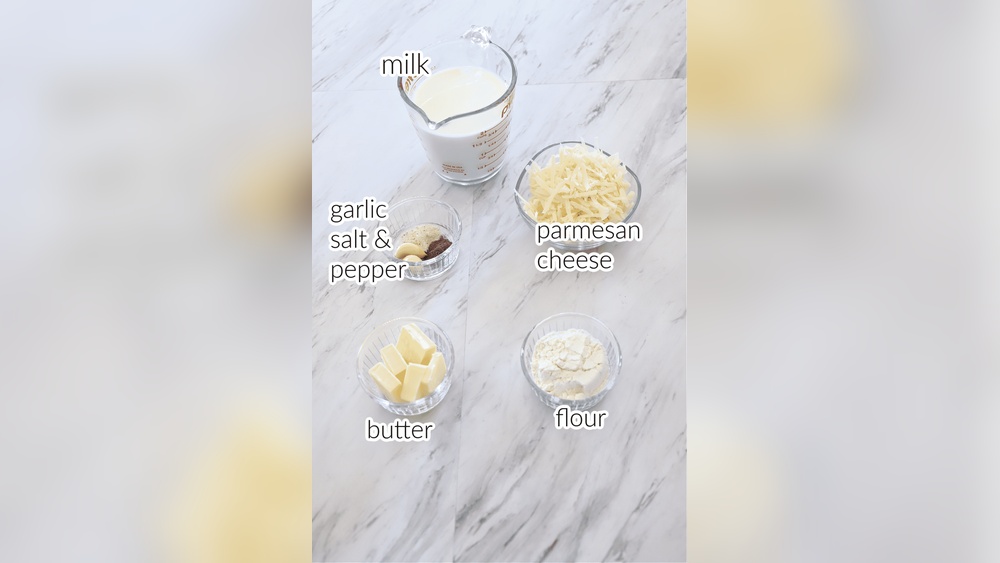
The allure of creamy, rich Alfredo sauce is undeniable. It’s a classic for a reason, coating pasta in a velvety embrace that’s both comforting and decadent. Traditionally, this luxurious sauce relies on a generous amount of heavy cream to achieve its signature texture and flavor. However, for those seeking lighter alternatives, dealing with dairy intolerance, or simply finding themselves without heavy cream in their pantry, the question arises: can you make Alfredo sauce without it? The answer is a resounding yes.
Crafting a delicious Alfredo sauce without heavy cream is entirely achievable by employing smart ingredient swaps and understanding the science behind emulsification and thickening. The key is to replicate the richness and body that heavy cream provides, using alternative dairy or non-dairy bases, combined with the essential components of Parmesan cheese and butter.
This exploration will guide you through various methods, ingredients, and techniques to achieve a creamy, flavorful Alfredo sauce that rivals the traditional version, proving that culinary creativity knows no bounds.
Key Takeaways
- Heavy cream can be substituted in Alfredo sauce using various dairy and non-dairy alternatives like milk, evaporated milk, Greek yogurt, cashew cream, or even pureed cauliflower.
- Emulsification is crucial for achieving a smooth, cohesive sauce, especially when omitting heavy cream. Combining fats (like butter) with liquids and acids helps bind ingredients.
- Parmesan cheese is the cornerstone of Alfredo’s flavor and contributes to its thickening power. Use high-quality, freshly grated Parmesan for the best results.
- Thickening agents such as flour, cornstarch, or even reduced milk can be used to mimic the body of heavy cream.
- Flavor enhancers like garlic, nutmeg, and black pepper are vital for building a complex taste profile.
- Adjusting consistency is key; start with less liquid and gradually add more to reach your desired sauce thickness.

Understanding The Role Of Heavy Cream In Traditional Alfredo
Before diving into substitutions, it’s important to understand why heavy cream is the star of traditional Alfredo sauce. Heavy cream, with its high fat content (typically 36-40%), serves multiple critical functions:
- Richness and Flavor: The fat molecules in heavy cream carry flavor compounds and contribute a luxurious mouthfeel that is central to the Alfredo experience.
- Emulsification: Cream acts as a natural emulsifier, helping to bind the butter, cheese, and other ingredients into a smooth, cohesive sauce that doesn’t easily separate.
- Thickening: When heated, the proteins and fat in cream contribute to the sauce’s body and thickness, creating that signature velvety texture. The fat also prevents the cheese from clumping excessively.
- Stability: Its high fat content makes heavy cream relatively stable under heat, allowing the sauce to be cooked gently without curdling, provided it’s not boiled vigorously.
When you remove heavy cream, you need to find ingredients that can effectively replicate these functions. This involves understanding the fat content, emulsifying properties, and thickening capabilities of potential substitutes.
Dairy-based Substitutes For Heavy Cream
For those who still consume dairy but want to avoid heavy cream specifically, several dairy alternatives can yield excellent results. These options often provide a familiar flavor profile and texture.
Whole Milk And Butter Combination
A common and effective substitute involves using whole milk in conjunction with butter. The milk provides the liquid base, while the added butter compensates for the lost fat content from the heavy cream.
- Ratio: A good starting point is to use approximately 1 cup of whole milk for every 1/2 cup of heavy cream you would typically use. Add an extra tablespoon or two of butter to the sauce.
- Technique: Gently heat the milk to avoid scalding. Whisk it into the melted butter and garlic mixture before gradually incorporating the Parmesan cheese. This method requires careful simmering to allow the milk to reduce slightly and thicken, aided by the emulsifying properties of the butter and the thickening power of the cheese.
- Considerations: This combination is less rich than heavy cream and can be more prone to separation if overheated. It’s best suited for sauces that are served immediately.
Evaporated Milk
Evaporated milk is a shelf-stable dairy product that has had about 60% of its water content removed through evaporation. This concentrated milk has a slightly sweeter flavor and a richer consistency than regular milk, making it a surprisingly good stand-in for heavy cream.
- Ratio: You can often substitute evaporated milk in a 1:1 ratio for heavy cream.
- Technique: Evaporated milk is quite stable under heat due to the processing it undergoes, which alters the protein structure. This makes it less likely to curdle than regular milk. Warm the evaporated milk gently and then proceed with making your Alfredo sauce as usual, incorporating the butter, garlic, and Parmesan.
- Flavor Profile: While it works well texturally, some find evaporated milk imparts a slightly “cooked” or caramelized note. This can be a pleasant addition for some, but it’s worth noting.
Half-and-half
Half-and-half is a mixture of milk and cream, typically containing around 10-18% fat. It’s a closer substitute to heavy cream than whole milk but still less rich.
- Ratio: You can generally use half-and-half in a 1:1 ratio for heavy cream. For a richer sauce, you might reduce the amount of half-and-half slightly and add a bit more butter.
- Technique: Treat half-and-half similarly to heavy cream. Warm it gently and incorporate it into your sauce base. Be mindful not to boil it vigorously, as its lower fat content makes it more susceptible to curdling than pure heavy cream.
- Versatility: This is a convenient option if you have half-and-half on hand and want a sauce that’s richer than one made with just milk but lighter than a traditional Alfredo.
Greek Yogurt Or Sour Cream (with Caution)
Greek yogurt and sour cream offer tanginess and a thick, creamy texture due to their fermentation process and higher fat content (especially full-fat versions). However, they require careful handling to avoid curdling.
- Ratio: Use about 3/4 cup of full-fat Greek yogurt or sour cream for every 1 cup of heavy cream.
- Technique: This is the most crucial step: Temper the yogurt or sour cream. Whisk it thoroughly with a small amount of the warm sauce base (butter, garlic, etc.) *before* adding it to the main pot. This gradually raises the temperature of the dairy, preventing the proteins from seizing and curdling. Never boil a sauce containing yogurt or sour cream. Simmer very gently, if at all.
- Flavor: These options will add a noticeable tang to your Alfredo sauce. If you enjoy this slight acidity, they can be a great choice. They work best in sauces that are finished off the heat and served immediately.

Non-dairy Substitutes For Heavy Cream
For those who are vegan, lactose intolerant, or simply prefer to avoid dairy altogether, a range of plant-based alternatives can be used to create a delicious Alfredo sauce. The key here is to choose ingredients that offer a creamy texture and can emulsify well.
Cashew Cream
Cashew cream is a popular and highly effective non-dairy substitute that mimics the richness of heavy cream remarkably well. Soaked cashews, when blended, create an incredibly smooth and luxurious base.
- Preparation: Soak 1 cup of raw cashews in hot water for at least 30 minutes (or in cold water overnight). Drain and rinse them thoroughly. Blend the soaked cashews with 1 to 1.5 cups of fresh water (start with less and add more as needed) in a high-speed blender, such as a Ninja Foodi blender, until completely smooth and creamy. This may take several minutes.
- Ratio: Use the cashew cream in a 1:1 ratio for heavy cream.
- Technique: Sauté your garlic in olive oil or vegan butter. Add the cashew cream and gently heat it through. Stir in nutritional yeast (for a cheesy flavor) and your seasonings. Since cashews are naturally creamy, this base doesn’t require as much cooking time as dairy-based sauces.
- Flavor: Cashews have a neutral flavor that readily absorbs other ingredients, making them ideal for this application.
Coconut Milk (full-fat)
Full-fat coconut milk (from a can, not the beverage type) can provide a rich, creamy base. However, it comes with a distinct coconut flavor that needs to be managed.
- Ratio: Use the solid cream from the top of the can, or the whole can if well-shaken, in a 1:1 ratio for heavy cream.
- Technique: Gently heat the coconut milk. To mitigate the coconut flavor, consider adding a pinch of nutmeg, extra garlic, and potentially a squeeze of lemon juice at the end. The fat content in full-fat coconut milk helps with emulsification.
- Considerations: This is best suited for dishes where a hint of coconut flavor is acceptable or can be balanced by other strong ingredients.
Oat Milk (barista Blend)
Oat milk, particularly the “barista blend” varieties, is formulated to be creamier and more stable when heated than regular oat milk. It can work as a lighter substitute.
- Ratio: Use in a 1:1 ratio for heavy cream. You may need to add a thickening agent.
- Technique: Gently heat the oat milk. To achieve a thicker consistency, you might need to incorporate a roux (a mixture of flour and fat cooked together) or a cornstarch slurry (cornstarch mixed with cold water) towards the end of cooking.
- Flavor: Oat milk has a relatively neutral, slightly sweet flavor that pairs well with savory dishes. Ensure you use an unsweetened variety.
Silken Tofu
Silken tofu offers a neutral flavor and a smooth, creamy texture when blended. It’s a lower-fat, protein-rich option.
- Preparation: Drain a block of silken tofu and blend it until completely smooth.
- Ratio: Use about 1 cup of blended silken tofu for every 1 cup of heavy cream.
- Technique: Blend the silken tofu with sautéed garlic and other sauce ingredients. Gently heat the mixture, being careful not to overheat it, as tofu can sometimes develop a slightly grainy texture if boiled. Add nutritional yeast and seasonings.
- Considerations: This method results in a lighter sauce and may require a bit more seasoning to achieve a robust flavor.

The Crucial Role Of Parmesan Cheese
Regardless of your cream substitute, Parmesan cheese remains the heart and soul of Alfredo sauce. Its salty, nutty, umami-rich flavor is irreplaceable, and its properties are essential for thickening and binding the sauce.
- Quality Matters: Always opt for high-quality, real Parmesan cheese, preferably Parmigiano-Reggiano. Pre-shredded cheeses often contain anti-caking agents that can prevent them from melting smoothly into the sauce, leading to a grainy texture.
- Freshly Grated is Best: Grate your Parmesan cheese just before you plan to use it. The fine texture of freshly grated cheese melts more evenly and creates a smoother sauce.
- Melting Technique: Add the grated Parmesan cheese off the heat or over very low heat. Stir constantly until it melts into the sauce. Overheating the cheese can cause its proteins to seize, resulting in a greasy or clumpy sauce.
- Flavor Contribution: The cheese not only adds flavor but also contributes significantly to the sauce’s viscosity, especially when combined with the fats from the butter or cream substitute.
Essential Flavor Builders And Seasonings
Beyond the creamy base and the cheese, several other ingredients are vital for creating a truly delicious Alfredo sauce, whether you’re using heavy cream or a substitute.
Garlic
Garlic is fundamental to the classic Alfredo flavor profile.
- Fresh is Best: Use fresh garlic cloves, minced or finely chopped.
- Sautéing: Gently sautéing the minced garlic in butter or olive oil before adding other liquids helps to mellow its sharp bite and release its aromatic compounds. Be careful not to burn the garlic, as this will impart a bitter flavor. A good starting point is 2-4 cloves, depending on your preference.
Butter
Butter provides richness, flavor, and aids in emulsification.
- Unsalted: Using unsalted butter allows you to control the saltiness of the sauce more precisely, especially given the saltiness of Parmesan cheese.
- Amount: The amount of butter can be adjusted based on your chosen cream substitute. If using a lower-fat substitute, you might need a bit more butter to compensate for the lost richness and help create a smooth emulsion.
Seasonings
- Salt: Season with salt to taste. Remember that Parmesan cheese is already salty, so add salt gradually.
- Black Pepper: Freshly cracked black pepper is a classic addition that provides a pleasant warmth and visual appeal.
- Nutmeg: A tiny pinch of freshly grated nutmeg is a traditional, almost secret ingredient in many creamy sauces. It adds a subtle warmth and complexity that enhances the other flavors without being overtly noticeable. Use sparingly, as too much can be overpowering.
- Optional Additions: Some recipes include a splash of white wine (cooked down to reduce alcohol) for added acidity and depth, or a pinch of cayenne pepper for a touch of heat.
Techniques For Achieving A Silky, Smooth Sauce
Making a creamy sauce without heavy cream requires attention to technique to ensure a smooth, cohesive, and luscious result.
The Importance Of Gentle Heat
This cannot be stressed enough: gentle heat is your best friend. Whether you’re using dairy or non-dairy substitutes, excessive heat is the enemy.
- Avoid Boiling: Boiling can cause milk proteins to curdle, dairy fats to separate, and non-dairy alternatives to break down.
- Simmer, Don’t Boil: Aim for a gentle simmer, where small bubbles occasionally rise to the surface. Stir frequently to ensure even heating and prevent sticking or scorching.
- Finishing Off Heat: For some substitutes, like those involving Greek yogurt, sour cream, or silken tofu, it’s best to add them towards the end of the cooking process and finish the sauce off the heat entirely.
Emulsification: The Key To A Stable Sauce
Emulsification is the process of combining two ingredients that don’t normally mix easily, like oil (from butter) and water (from milk or plant-based liquids), into a smooth, stable mixture.
- Fat is Your Friend: Ensure you have adequate fat in your sauce, whether from butter, the chosen cream substitute, or both. Fat molecules help to coat and stabilize the water molecules.
- Whisking: Vigorous whisking helps to break down fats into smaller droplets and distribute them evenly throughout the liquid, aiding in emulsification.
- Acidity: A small amount of acid, like lemon juice or white wine, can sometimes help to stabilize an emulsion, but use it sparingly in Alfredo sauce to avoid overpowering the flavor.
Thickening Strategies
If your chosen substitute results in a sauce that’s thinner than you’d like, here are a few ways to thicken it:
- Reduction: Simmer the sauce gently (without boiling) for a longer period to allow excess liquid to evaporate, naturally concentrating the flavors and thickening the sauce.
- Roux: Create a roux by cooking equal parts fat (butter or oil) and flour together over medium-low heat for a minute or two before gradually whisking in your liquid base. Cook for another minute to remove the raw flour taste. A roux is a classic thickening agent.
- Slurry: Mix a thickening agent like cornstarch or arrowroot powder with a small amount of *cold* liquid (water or milk) until smooth. Then, whisk this slurry into the simmering sauce and cook for a minute or two until thickened. Use sparingly, as too much can create a gelatinous texture.
Comparing Cream Substitutes: A Practical Guide
To help you choose the best substitute for your needs, consider this comparison table. The ratings are subjective and based on achieving a texture and flavor profile closest to traditional Alfredo.
| Substitute | Fat Content | Richness/Mouthfeel | Flavor Impact | Tendency to Curdle | Ease of Use | Best For |
|---|---|---|---|---|---|---|
| **Heavy Cream** | High (36%+) | Very High | Neutral | Low | Very Easy | Traditional, decadent Alfredo |
| **Whole Milk + Butter** | Medium | Medium-High | Neutral | Medium | Easy | Lighter Alfredo, everyday use |
| **Evaporated Milk** | Medium | High | Slightly Sweet | Low | Easy | Richer texture, shelf-stable option |
| **Half-and-Half** | Medium (10-18%) | Medium | Neutral | Medium | Easy | Good balance of richness and lighter feel |
| **Greek Yogurt/Sour Cream** | Medium-High | High | Tangy | High | Moderate | Tangy Alfredo, needs careful tempering |
| **Cashew Cream** | High | Very High | Neutral | Very Low | Moderate | Vegan, rich & creamy, neutral flavor |
| **Coconut Milk (Full-Fat)** | High | High | Coconutty | Low | Easy | Vegan, when coconut flavor is acceptable |
| **Oat Milk (Barista)** | Low-Medium | Medium | Neutral/Sweet | Medium | Moderate | Lighter vegan option, may need thickening |
| **Silken Tofu** | Low | Medium | Neutral | Medium | Moderate | Lighter vegan option, protein-rich |
Step-by-step: Making Alfredo Sauce Without Heavy Cream (using Milk & Butter Example)
This guide focuses on a popular and accessible method using whole milk and extra butter to replace heavy cream.
Yields: Approximately 2 cups
Prep time: 5 minutes
Cook time: 15-20 minutes
Ingredients:
- 4 tablespoons unsalted butter
- 3-4 cloves garlic, minced
- 1 cup whole milk
- 1/2 cup grated Parmesan cheese (plus more for serving)
- 1/4 teaspoon freshly grated nutmeg (optional)
- Salt and freshly cracked black pepper to taste
- Optional: Pinch of cayenne pepper, fresh parsley for garnish
Equipment:
- Medium saucepan
- Whisk
- Grater for cheese
Instructions:
- Melt Butter & Sauté Garlic: In a medium saucepan over medium-low heat, melt the butter. Add the minced garlic and sauté gently for 1-2 minutes until fragrant. Be careful not to brown or burn the garlic.
- Add Milk: Pour in the whole milk. Increase the heat slightly to medium and bring the milk *just* to a gentle simmer. Do not let it boil vigorously. Whisk occasionally. Allow the milk to simmer gently for about 5-7 minutes, stirring frequently, until it has reduced slightly and thickened just a little.
- Incorporate Cheese: Remove the saucepan from the heat. Gradually add the grated Parmesan cheese, a little at a time, whisking constantly until the cheese is fully melted and incorporated into the sauce. This step is crucial for a smooth, non-clumpy sauce.
- Season: Stir in the nutmeg (if using), salt, and freshly cracked black pepper. Taste and adjust seasonings as needed. If the sauce is too thick, you can whisk in a tablespoon or two more of milk or warm water. If it’s too thin, you can let it simmer very gently for another minute or two, or consider a cornstarch slurry (1 tsp cornstarch mixed with 1 tbsp cold water, whisked into the sauce and simmered until thickened).
- Serve: Toss the sauce immediately with your favorite cooked pasta (like fettuccine). Garnish with extra Parmesan cheese and fresh parsley, if desired.
Tips For Success And Troubleshooting
Even with the best intentions, sometimes sauces don’t turn out perfectly. Here are some common issues and how to address them.
Sauce Is Too Thin
- Problem: The sauce lacks the desired body and coats the pasta too thinly.
- Solutions:
- Reduce: Return the sauce to low heat and simmer gently, stirring frequently, allowing excess liquid to evaporate. This works best for dairy-based sauces.
- Cornstarch Slurry: Whisk 1 teaspoon of cornstarch with 1 tablespoon of cold water until smooth. Stir this slurry into the simmering sauce and cook for 1-2 minutes until thickened. Use sparingly to avoid a gummy texture.
- Roux: For a richer thickening, make a small roux (1 tbsp butter + 1 tbsp flour, cooked for 1-2 mins) and whisk it into the sauce.
Sauce Is Too Thick
- Problem: The sauce is pasty or too dense.
- Solutions:
- Add Liquid: Gradually whisk in more of your chosen liquid base (milk, non-dairy milk, broth
Leave a Reply