
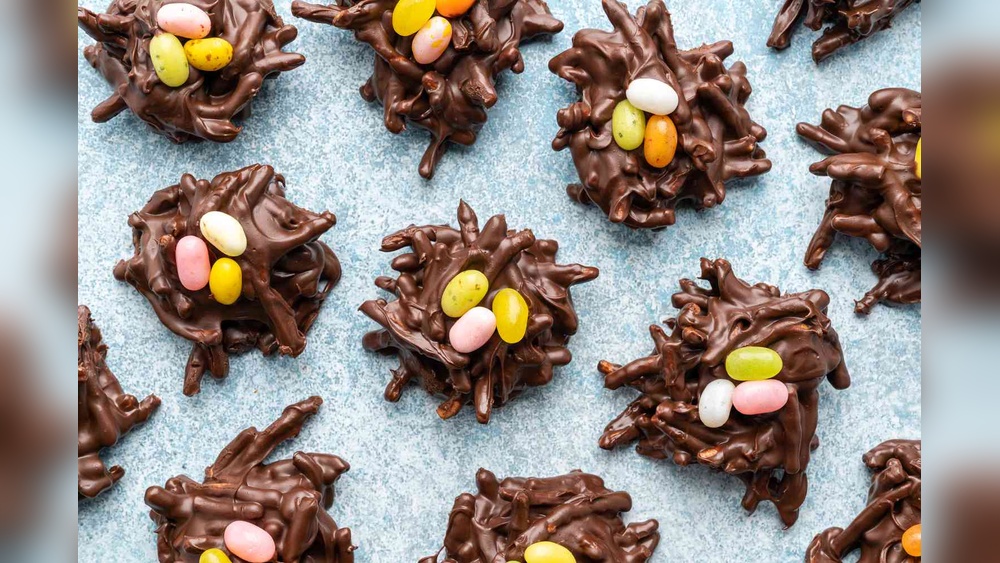
The art of creating visually appealing and delicious food often involves transforming simple ingredients into something extraordinary. Chow mein noodles, a staple in many Asian cuisines, are typically enjoyed stir-fried with vegetables and proteins. However, their unique texture and ability to crisp up when fried make them perfect for an unexpected culinary application: bird nests. These edible nests, crafted from golden, crispy chow mein noodles, offer a delightful crunch and a charming presentation for a variety of fillings, from savory stir-fries to sweet desserts. Mastering the technique of forming and frying these noodle nests can elevate your home cooking, providing a unique appetizer, side dish, or even a whimsical dessert base.
Key Takeaways
- Noodle Preparation is Crucial: The success of chow mein noodle bird nests hinges on properly preparing the noodles, ensuring they are cooked al dente and then thoroughly dried to achieve optimal crispiness when fried.
- Forming the Nest: Using a mold, such as a small sieve or a ramekin, is essential for shaping the noodles into a nest-like structure before frying.
- Controlled Frying: Deep-frying at the correct temperature is key to achieving a golden-brown, crispy exterior without burning the noodles.
- Versatile Presentation: Chow mein noodle bird nests can serve as a base for a wide range of savory dishes, from traditional stir-fries to unique protein preparations, and can also be adapted for sweet applications.
- Ingredient Quality Matters: Using fresh noodles and high-quality oil for frying significantly impacts the final taste and texture of the nests.
:max_bytes(150000):strip_icc()/chow-mein-noodle-birds-nest-cookies-recipe-2097997-step-05-01-9c3565de1faa46e7a08685ff7c2c9d75.jpg)
Understanding Chow Mein Noodles For Nest Creation
Chow mein noodles, also known as lo mein noodles in some contexts, are a type of Chinese egg noodle. Their preparation for bird nests requires a slight deviation from their typical use. The goal is not to achieve a chewy, saucy texture, but rather a brittle, crispy one that holds its shape.
This transformation relies heavily on moisture removal and precise cooking.
Selecting The Right Noodles
The type of chow mein noodle you choose can influence the final outcome. Most dried chow mein noodles available in Asian markets or the international aisle of supermarkets will work well. These are typically made from wheat flour, eggs, and water, giving them a firm texture that crisps up beautifully. Freshly made noodles, while delicious in stir-fries, can contain more moisture and may be more challenging to get perfectly crispy without becoming oily. For bird nests, dried chow mein noodles are generally the preferred choice due to their lower moisture content and consistent texture.
Pre-cooking And Drying Techniques
Before forming the nests, the noodles need to be cooked and then dried. The cooking process should aim for an al dente texture. Overcooked noodles will become mushy and will not hold their shape when fried.
- Boiling: Bring a large pot of water to a rolling boil. Add the dried chow mein noodles and cook according to package directions, usually for about 3-5 minutes, until they are tender but still have a slight bite.
- Draining and Rinsing: Drain the noodles thoroughly in a colander. Immediately rinse them under cold running water. This step is crucial for two reasons: it stops the cooking process, preventing them from becoming overcooked, and it washes away excess starch, which helps prevent the noodles from sticking together and promotes crispiness.
- Thorough Drying: This is perhaps the most critical step. After rinsing, spread the noodles out in a single layer on clean kitchen towels or paper towels. Gently pat them dry to remove as much surface moisture as possible. Allow them to air dry for at least 30 minutes to an hour, or even longer if humidity is high. The drier the noodles are before frying, the crispier and lighter the nests will be, and they will absorb less oil. In my experience, leaving them to air dry for a couple of hours yields the best results.
The Science Of Crispiness
The crispiness of the chow mein noodle nests is a result of the Maillard reaction and dehydration during frying. When the dry noodles hit hot oil, the remaining surface moisture rapidly evaporates, creating steam that helps puff up the noodles. Simultaneously, the high heat causes the sugars and amino acids in the noodles to react, forming complex flavor compounds and a desirable golden-brown color. Proper drying beforehand ensures that the oil’s energy is used for frying and crisping, rather than just boiling off excess water, which can lead to greasy, soggy nests.
Crafting The Noodle Nests: Shaping And Frying
Once the noodles are prepared and dried, the next steps involve shaping them into nests and then frying them to achieve that perfect crispy texture. This process requires careful handling and attention to temperature control.
Essential Tools For Shaping
To create uniform and aesthetically pleasing bird nests, using a mold is highly recommended. Several common kitchen items can serve this purpose:
- Small Metal Sieves: These are ideal. Choose sieves that are about 4-6 inches in diameter. You can pack the noodles into the sieve, press them gently, and then invert the sieve into the hot oil to fry.
- Ramekins or Small Bowls: Ceramic or metal ramekins can also be used. Pack the noodles into the greased ramekin, invert it, and carefully lower the noodle-formed mold into the oil.
- Wire Mesh Strainers: Similar to sieves, these can be used to shape and fry the nests.
The Shaping Process
- Grease the Mold: Lightly grease the inside of your chosen mold with a neutral cooking oil. This prevents the noodles from sticking.
- Pack the Noodles: Take a portion of the dried chow mein noodles and pack them firmly but not too tightly into the greased mold. You want enough noodles to form a substantial nest, but not so many that they become dense and oily. A good starting point is about 1 to 1.5 cups of dried noodles per nest, depending on the size of your mold.
- Form the Nest Shape: Ensure the noodles are pressed evenly against the sides and bottom of the mold to create a bowl-like structure. The edges should extend slightly upwards to mimic a bird’s nest.
Deep-frying For Perfect Crispiness
Deep-frying is the most effective method for achieving the characteristic crispiness of chow mein noodle nests. It requires careful temperature management to ensure the noodles cook through and become golden without burning.
- Oil Selection: Use a neutral-flavored oil with a high smoke point, such as canola oil, vegetable oil, or peanut oil. You’ll need enough oil to submerge the noodle nests completely, typically 2-3 inches deep in a heavy-bottomed pot or Dutch oven.
- Heating the Oil: Heat the oil to approximately 350-375°F (175-190°C). Using a deep-fry thermometer is highly recommended for accurate temperature control. If the oil is too cool, the noodles will absorb too much oil and become greasy. If it’s too hot, they will burn on the outside before becoming crispy.
- Frying the Nests:
- Carefully invert the filled mold (sieve or ramekin) into the hot oil.
- Hold it submerged for about 30-60 seconds, allowing the noodles to set and form a crust.
- Gently shake the mold to release the noodle nest into the oil. If using a sieve, you can often just lift the sieve, and the nest will remain.
- Fry the nest for about 2-4 minutes, turning occasionally with tongs or a spider strainer, until it is a deep golden brown and feels light and crisp.
- Carefully remove the fried nest from the oil using tongs or a spider strainer, allowing excess oil to drip back into the pot.
- Draining: Place the fried noodle nests on a wire rack set over a baking sheet lined with paper towels. This allows air to circulate, keeping them crisp, and absorbs any residual oil. Avoid placing them directly on paper towels, as this can trap moisture and make the bottom soggy.
Pro Tip: Fry the nests in batches to avoid overcrowding the pot. Overcrowding lowers the oil temperature, leading to greasy results.
Alternative: Pan-frying Method
While deep-frying yields the best results, a pan-frying method can be used if deep-frying is not feasible. This method requires more attention and may not achieve the same level of uniform crispiness.
- Heat about 1 inch of oil in a large skillet over medium-high heat until it reaches 350°F (175°C).
- Carefully place a portion of the prepared noodles into the hot oil, shaping them into a nest-like form with the back of a spoon or spatula as they begin to fry.
- Fry for 2-3 minutes per side, until golden brown and crispy.
- Drain on a wire rack as described above.
This method is more challenging for achieving a perfectly shaped nest and can be messier.
Savory Fillings: The Heart Of The Chow Mein Noodle Nest
The true versatility of chow mein noodle bird nests shines when they are filled. Their crispy, slightly neutral base is an excellent canvas for a wide array of savory flavors, complementing everything from classic stir-fries to more elaborate protein dishes.
Classic Stir-fry Fillings
The most traditional use for chow mein noodle nests is to serve them as a crispy base for a colorful and flavorful stir-fry. This approach offers a delightful textural contrast between the crunchy nest and the tender ingredients within.
- Vegetable Medley: A mix of crisp-tender vegetables like broccoli florets, sliced carrots, snow peas, bell peppers (various colors), mushrooms, and water chestnuts, stir-fried in a savory sauce made from soy sauce, oyster sauce (or vegetarian equivalent), a touch of sesame oil, garlic, and ginger.
- Protein Additions: Enhance the stir-fry with your choice of protein. Thinly sliced chicken breast, tender strips of beef (like flank steak or sirloin), succulent shrimp, or firm tofu cubes can all be marinated and stir-fried to perfection. Ensure proteins are cooked through and tender.
- Sauce Consistency: The sauce should be flavorful but not overly liquid. A slightly thickened sauce, achieved by adding a cornstarch slurry (cornstarch mixed with water), will coat the ingredients beautifully and adhere to the nest without making it soggy too quickly.
Example: Imagine a nest filled with stir-fried shrimp, snap peas, and red bell peppers, all coated in a glistening garlic-soy glaze. The crunch of the nest against the tender shrimp and crisp vegetables creates a multi-sensory dining experience.
Elevated Protein Presentations
Beyond a simple stir-fry, chow mein noodle nests can serve as elegant vessels for more sophisticated protein preparations.
- Teriyaki Glazed Chicken or Salmon: Pan-seared or baked chicken pieces or salmon fillets coated in a rich teriyaki glaze can be placed directly into the nest. Garnish with toasted sesame seeds and thinly sliced green onions for added visual appeal and flavor.
- Sweet and Sour Pork or Chicken: Crispy pieces of sweet and sour battered pork or chicken, tossed in the classic tangy sauce with pineapple chunks and bell peppers, make for a vibrant and satisfying filling.
- Black Pepper Beef: Tender strips of beef wok-seared with a generous amount of cracked black pepper, garlic, and a savory sauce, offer a bold flavor profile that contrasts wonderfully with the noodle nest.
Seafood Delights
The delicate flavors of seafood pair beautifully with the crispy noodle nests.
- Garlic Butter Shrimp: Plump shrimp sautéed in garlic butter with a hint of chili flakes provide a rich and decadent filling.
- Scallop and Asparagus Stir-fry: Seared scallops and blanched asparagus spears tossed in a light oyster sauce create a refined and elegant dish.
Considerations For Savory Fillings
- Moisture Control: Be mindful of the moisture content of your fillings. Sauces should be slightly thickened, and ingredients like tomatoes or very watery vegetables should be used sparingly or cooked down to reduce liquid.
- Timing: Fill the nests just before serving to maintain their crispiness. If the filling sits on the nest for too long, the moisture will begin to soften the noodles.
- Portion Size: The size of the nest will dictate the amount of filling. Smaller nests are great as appetizers, while larger ones can serve as a main course.
:max_bytes(150000):strip_icc()/chow-mein-noodle-birds-nest-cookies-recipe-2097997-step-04-294955c7c93d45bda2d9e2bfd290f036.jpg)
Sweet Adaptations: A Dessert Surprise
While savory applications are more common, chow mein noodle bird nests can also be surprisingly delightful as a base for sweet desserts. The inherent crispiness and subtle savoriness of the noodles provide an interesting textural and flavor counterpoint to sweet fillings.
Fruity Creations
The nests can act as edible bowls for fresh fruit salads or compotes.
- Tropical Fruit Salad: A vibrant mix of diced mango, pineapple, papaya, and kiwi, lightly tossed with a squeeze of lime juice and a drizzle of honey or agave nectar.
- Berry Compote: Warm berries (strawberries, blueberries, raspberries) simmered with a touch of sugar and lemon zest until slightly thickened. This can be spooned into the nest.
- Caramelized Bananas: Sliced bananas sautéed in butter and brown sugar until tender and caramelized.
Creamy And Indulgent Options
For a richer dessert, the nests can be filled with creamy elements.
- Whipped Cream and Fruit: A simple yet elegant option is to fill the nest with sweetened whipped cream and top with fresh berries or a fruit coulis.
- Custard or Pudding: A small serving of vanilla custard, chocolate pudding, or even a creamy panna cotta can be carefully spooned into the nest.
- Ice Cream or Sorbet: For a truly decadent treat, a small scoop of ice cream or a refreshing sorbet can be placed in the nest. The contrast between the cold, creamy dessert and the crispy noodle is particularly appealing.
Chocolate Drizzles And Garnishes
To enhance the dessert appeal, consider adding chocolate or other sweet garnishes.
- Chocolate Drizzle: Melted dark, milk, or white chocolate can be drizzled over the filled nest for a touch of indulgence.
- Toasted Coconut Flakes: Sprinkle toasted coconut flakes over creamy fillings for added texture and flavor.
- Mint Leaves: Fresh mint leaves add a pop of color and a refreshing aroma.
Sweet Noodle Preparation Tips
- Sugar in the Noodles: Some recipes suggest adding a tablespoon or two of sugar to the boiling water when cooking the noodles for sweet applications. This can impart a very subtle sweetness to the nest itself.
- Flavorless Oil: Ensure the frying oil is completely neutral in flavor to avoid any savory undertones in your sweet nests.
- Portion Control: Sweet nests are often best served in smaller portions, as they can be quite rich and filling, especially when paired with creamy or decadent toppings.
Example: A nest filled with lightly sweetened whipped cream, topped with a warm berry compote, and finished with a delicate drizzle of white chocolate. The crunch of the noodle, the creaminess of the filling, and the tartness of the berries create a harmonious dessert experience.
Factors Affecting Noodle Nest Quality
Several variables can influence the success and quality of your chow mein noodle bird nests, from their crispiness and color to their overall flavor and structural integrity. Understanding these factors can help you troubleshoot and achieve consistently excellent results.
Noodle Preparation And Moisture Content
As highlighted earlier, the preparation of the noodles is paramount.
- Overcooking: Leads to mushy noodles that won’t hold their shape or crisp up properly.
- Insufficient Drying: Results in nests that absorb too much oil, becoming greasy and heavy rather than light and crispy. A good rule of thumb is that the noodles should feel almost brittle to the touch after drying.
- Sticking: If noodles are not rinsed well after boiling, the excess starch can cause them to clump together, leading to uneven frying and a less appealing texture.
Frying Temperature And Technique
The deep-frying stage is critical for achieving the desired texture and appearance.
- Oil Temperature: Too low a temperature results in oily, soggy nests. Too high a temperature causes the exterior to burn before the interior is properly crisped. Maintaining a consistent 350-375°F (175-190°C) is key.
- Batch Size: Overcrowding the fryer lowers the oil temperature significantly. Fry nests in batches, allowing the oil to return to the target temperature between batches.
- Frying Time: Under-frying leaves the nests limp and pale. Over-frying results in dark, burnt, and bitter nests. The ideal time is typically 2-4 minutes per nest, depending on size and oil temperature.
- Oil Quality: Old or overheated oil can impart off-flavors and may not fry as efficiently, leading to less crisp nests. Using fresh, high-quality oil is essential.
Noodle Density And Nest Formation
How tightly the noodles are packed into the mold affects the final product.
- Too Loose: The nest may fall apart during frying or not form a cohesive structure.
- Too Dense: The noodles may not cook evenly, leading to some parts being burnt while others remain undercooked. It can also result in a heavy, oily nest. Finding the right balance of packing density is crucial.
Serving And Storage
The crispiness of the nests is fleeting.
- Serving Immediately: Noodle nests are best served immediately after frying and draining. Their crisp texture is at its peak when fresh.
- Storage: If you must prepare them in advance, store them in an airtight container at room temperature *after* they have completely cooled. However, they will lose some of their crispness over time. Reheating briefly in a low oven (around 250°F or 120°C) can help restore some crispness, but they are never quite as good as when freshly fried.
Data Point: According to food science principles, moisture content is a primary factor in crispiness. For optimal crispness in fried foods like these noodle nests, moisture content should ideally be reduced to below 5%. This emphasizes the importance of thorough drying.
Comparing Chow Mein Noodle Nests To Other Edible Containers
Chow mein noodle bird nests offer a unique textural and flavor profile compared to other edible containers used in culinary presentations. Understanding these differences can help chefs and home cooks choose the best base for their dishes.
Noodle Nests Vs. Wonton Baskets
Wonton wrappers, when fried, create crispy, golden baskets that are a popular choice for appetizers and small bites.
| Feature | Chow Mein Noodle Nests | Fried Wonton Baskets |
|---|---|---|
| **Texture** | Light, airy, brittle, very crispy | Crispy, slightly chewy in thicker parts, can be flaky |
| **Flavor** | Slightly savory, eggy undertones | Neutral, slightly floury |
| **Preparation** | Requires boiling, drying, shaping, deep-frying | Requires cutting, shaping, deep-frying or baking |
| **Versatility** | Excellent for both savory and sweet fillings | Primarily used for savory fillings, can be adapted |
| **Appearance** | Irregular, nest-like, often larger | Uniform, basket-like, typically smaller |
| **Ease of Making** | Moderate (drying and shaping require attention) | Relatively easy, especially with pre-cut wrappers |
| **Oil Absorption** | Can absorb moderate oil if not fried correctly | Can absorb significant oil, especially if not drained well |
Chow mein noodle nests tend to be lighter and more brittle, offering a more delicate crunch. Fried wonton baskets, while also crispy, can sometimes have a slightly denser or flakier texture depending on how they are fried.
Noodle Nests Vs. Rice Paper Rolls (fried)
While typically served soft, rice paper can also be fried to create a crispy shell.
| Feature | Chow Mein Noodle Nests | Fried Rice Paper Rolls |
|---|---|---|
| **Texture** | Light, airy, brittle, very crispy | Extremely crispy, almost cracker-like, can shatter |
| **Flavor** | Slightly savory, eggy undertones | Very neutral, slightly starchy |
| **Preparation** | Requires boiling, drying, shaping, deep-frying | Requires dipping wrappers, filling, deep-frying |
| **Versatility** | Excellent for both savory and sweet fillings | Primarily savory, can be adapted |
| **Appearance** | Irregular, nest-like | Can be shaped into various forms (rolls, cups) |
| **Ease of Making** | Moderate | Moderate (handling wet rice paper can be tricky) |
| **Oil Absorption** | Moderate | Can absorb significant oil, prone to over-browning |
Fried rice paper offers an even more delicate crispness, sometimes described as shattering. However, it can be more prone to burning and may require more careful temperature control during frying. The flavor profile is also more neutral than that of the egg-based chow mein noodles.
Noodle Nests Vs. Potato Nests
Shredded potatoes, formed into nests and deep-fried, offer a different kind of crispy container.
| Feature | Chow Mein Noodle Nests | Potato Nests |
|---|---|---|
| **Texture** | Light, airy, brittle | Dense, crispy, sometimes slightly chewy |
Leave a Reply