
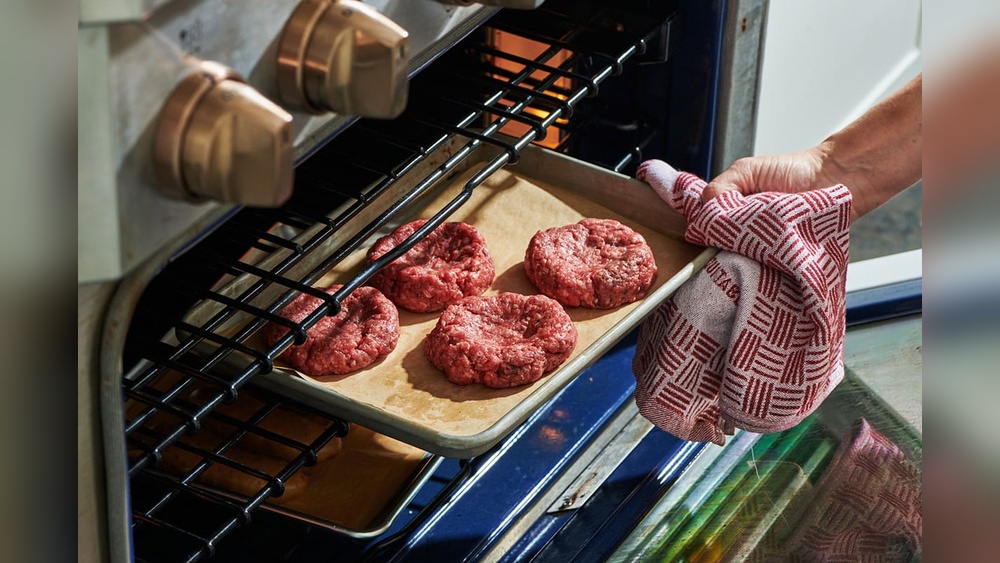
Baking burgers in the oven might not be the first method that comes to mind for burger enthusiasts, often overshadowed by the sizzle of a backyard grill or the satisfying crust of a cast-iron skillet. However, the oven offers a remarkably consistent, hands-off, and surprisingly effective way to achieve perfectly cooked burgers, especially for larger gatherings or when outdoor cooking isn’t an option.
This method minimizes mess, allows for precise temperature control, and frees you up to prepare all the delicious toppings and sides without constant hovering.
Forget the notion that oven-baked burgers are destined to be dry and uninspired. With the right techniques, you can create juicy, flavorful patties that rival their grilled counterparts. From selecting the best ground meat to mastering the cooking temperatures and achieving that desirable browning, this guide will walk you through every step of making exceptional burgers entirely in your oven.
Whether you’re a novice cook or a seasoned home chef looking for a reliable method, baking burgers offers a straightforward path to deliciousness.
Key Takeaways
- Consistency is King: Oven baking provides a stable environment for even cooking, reducing the risk of undercooked centers or burnt exteriors.
- Minimal Mess: Compared to pan-frying, baking in the oven significantly cuts down on grease splatters and stovetop cleanup.
- Hands-Off Cooking: Once in the oven, burgers require minimal attention, allowing you to focus on side dishes and toppings.
- Temperature Control: The oven allows for precise temperature management, crucial for achieving desired doneness.
- Flavor Development: Proper seasoning and techniques like broiling can still develop a delicious crust and rich flavor.
- Ideal for Batches: Baking is an efficient method for cooking multiple burgers simultaneously, perfect for entertaining.

Understanding The Basics Of Oven-baked Burgers
Baking burgers in the oven is a technique that leverages controlled heat to cook ground meat patties evenly. Unlike direct heat from a grill or pan, the oven circulates hot air, ensuring that the burger cooks through without excessive charring on the outside, unless desired.
This method is particularly advantageous for making large batches, as you can fit multiple burgers on a single baking sheet. The key to success lies in starting with quality ingredients and employing a few simple techniques to maximize flavor and texture.
The fundamental principle involves preheating the oven to a specific temperature, arranging the seasoned patties on a suitable baking surface, and cooking them for a predetermined time, flipping halfway through for evenness. While some recipes might call for a final broil to achieve a sear, the primary cooking happens through convection or radiant heat within the oven cavity.
This makes it a more forgiving method for beginners, as the heat is less intense and direct than other cooking techniques.
Choosing The Right Ground Meat
The foundation of any great burger is the ground meat. For the best flavor and juiciest results, opt for a blend with a good fat content. A 80/20 blend (80% lean meat, 20% fat) is widely considered the gold standard. The fat is crucial for moisture and flavor; without enough fat, burgers can turn out dry and crumbly. While leaner options like 90/10 exist, they are more prone to drying out during cooking, especially in the oven where there’s less direct fat rendering and basting compared to grilling or pan-frying.
Consider the type of beef as well. Chuck roast is a popular choice for its rich beefy flavor and ideal fat-to-meat ratio. You can also experiment with blends like chuck and brisket, or even add a small percentage of pork or lamb for a more complex flavor profile. Freshly ground meat from a butcher often offers superior quality and flavor compared to pre-packaged ground beef from the grocery store. If grinding your own, aim for a coarse grind for better texture.
Seasoning And Forming The Patties
Seasoning is paramount for any burger, and oven-baked burgers are no exception. The best time to season is just before cooking. Overworking the meat while seasoning can lead to tough burgers, so a gentle hand is key. A simple mix of salt and black pepper is often sufficient to let the beef flavor shine. However, you can also incorporate other spices like garlic powder, onion powder, paprika, or a dash of Worcestershire sauce for added depth.
When forming the patties, avoid compacting the meat too tightly. Gently shape the ground meat into uniform discs, about 3/4 to 1 inch thick. A good tip is to make them slightly larger than your bun, as they will shrink during cooking. Create a slight indentation in the center of each patty with your thumb. This dimple helps prevent the burgers from puffing up into a ball shape and promotes more even cooking. For consistent results, you can use a burger press, but it’s not essential.

The Oven-baking Process: Step-by-step
Achieving delicious oven-baked burgers involves a clear, sequential process. From preheating the oven to the final resting period, each step contributes to the overall quality of your burger. This method is designed for simplicity and effectiveness, ensuring great results even for those new to oven cooking.
Preparing Your Baking Sheet
To prevent sticking and make cleanup easier, lining your baking sheet is essential. You have a few options:
- Parchment Paper: This is a popular choice as it creates a non-stick surface and makes for incredibly easy cleanup. Simply line the baking sheet with a sheet of parchment paper.
- Aluminum Foil: Heavy-duty aluminum foil also works well. Ensure it’s smooth and covers the entire surface of the baking sheet.
- Baking Rack: For a burger that’s closer to a grilled texture, you can place a wire baking rack inside your baking sheet. This allows air to circulate around the burgers, promoting a crispier exterior and more even cooking, much like a grill grate. The fat can drip away into the sheet below, reducing greasiness.
Pro Tip: If you’re not using a baking rack, consider preheating the baking sheet in the oven before placing the burgers on it. This initial heat can help create a better sear on the bottom of the patty.
Oven Temperature And Cooking Times
The ideal oven temperature for baking burgers is typically between 400°F (200°C) and 425°F (220°C). A higher temperature helps to cook the burgers more quickly and promotes better browning.
Cooking times will vary depending on the thickness of your patties and your desired level of doneness. As a general guideline, for 3/4-inch thick patties at 400°F (200°C):
- Rare: 3-4 minutes per side
- Medium-Rare: 4-5 minutes per side
- Medium: 5-6 minutes per side
- Medium-Well: 6-7 minutes per side
- Well-Done: 7-8 minutes per side
Remember to flip the burgers halfway through the cooking time to ensure they cook evenly on both sides. Using a meat thermometer is the most accurate way to determine doneness.
Checking For Doneness
While the timings above are helpful, relying solely on them can lead to over- or undercooked burgers. The most reliable method for checking doneness is to use an instant-read meat thermometer. Insert the thermometer into the thickest part of the patty, avoiding any bone or gristle.
Here are the target internal temperatures for various levels of doneness:
- Rare: 120-125°F (49-52°C)
- Medium-Rare: 130-135°F (54-57°C)
- Medium: 140-145°F (60-63°C)
- Medium-Well: 150-155°F (66-68°C)
- Well-Done: 160°F (71°C) and above
The USDA recommends cooking ground beef to an internal temperature of 160°F (71°C) for safety. Keep in mind that the temperature will rise a few degrees as the burger rests.
Resting The Burgers
Once your burgers reach the desired internal temperature, it’s crucial to let them rest before serving. Remove the burgers from the oven and place them on a clean plate or cutting board. Tent them loosely with aluminum foil. Allow them to rest for about 5 minutes. This resting period allows the juices within the meat to redistribute. If you cut into a burger immediately after cooking, all the delicious juices will run out, leaving you with a drier patty.

Enhancing Flavor And Texture
While the basic oven-baking method yields good results, several techniques can elevate your oven-baked burgers from good to exceptional. These enhancements focus on developing richer flavors, achieving a better crust, and adding moisture.
The Broiling Finish
For those who crave the caramelized crust typically achieved on a grill or in a hot pan, a quick broil at the end of the baking process can work wonders. After baking your burgers to your desired internal temperature, switch your oven to the broil setting. Move the baking sheet to the top rack, about 4-6 inches from the broiler element. Broil for 1-2 minutes per side, watching very closely to prevent burning. This high, direct heat will quickly sear the exterior, adding a satisfying texture and depth of flavor.
Warning: Broilers are extremely hot, and burgers can go from perfectly browned to burnt in seconds. Always stay in the kitchen and keep a close eye on the burgers during this step.
Adding Cheese
What’s a burger without cheese? Adding cheese is a simple yet impactful way to enhance flavor and moisture. The best time to add cheese is during the last minute or two of cooking. Place your desired cheese slices on top of the burgers and return them to the oven (or under the broiler if you’re finishing that way) until the cheese is melted and gooey.
Popular cheese choices for burgers include:
- Cheddar: Sharp or mild, it’s a classic for a reason.
- American: Melts exceptionally well, creating a smooth, creamy texture.
- Swiss: Offers a nutty, slightly sweet flavor.
- Provolone: A mild, slightly smoky option.
- Pepper Jack: For a bit of a spicy kick.
Incorporating Mix-ins
For burgers with a more complex flavor profile, consider adding mix-ins directly into the ground meat before forming patties. This allows flavors to meld beautifully during the cooking process. Some popular mix-ins include:
- Finely chopped onions or shallots
- Minced garlic
- Herbs like parsley or chives
- A splash of your favorite hot sauce
- Crumbled bacon bits
- Shredded cheese (mixed throughout, not just on top)
Be mindful not to overmix the meat when incorporating mix-ins, as this can still result in a tougher burger.
Advanced Oven Techniques And Tips
Beyond the fundamental steps, a few advanced techniques and practical tips can further refine your oven-baked burger game. These often involve equipment choices or slight adjustments to the cooking process for optimal results.
Using A Cast-iron Skillet In The Oven
While this article focuses on baking directly on a sheet, combining a cast-iron skillet with the oven offers a hybrid approach that yields excellent results. You can sear the burgers on the stovetop first to develop a deep crust, then transfer the entire skillet to the preheated oven to finish cooking. Alternatively, you can place a cold cast-iron skillet in a cold oven, preheat them together, then carefully add the burgers to the hot skillet in the oven. This method provides intense heat for searing and the even cooking of the oven.
This technique requires careful handling of the hot skillet. Ensure you have sturdy oven mitts and a stable surface to place the hot skillet on. The cast-iron skillet retains heat exceptionally well, contributing to a superior crust. If you’re looking for a robust cooking vessel, consider exploring options like the 15 Piece Kitchen Knife Set Vs Astercook (though this is a knife set, it illustrates the kind of durable kitchenware we’re discussing) or a dedicated cast-iron pan.
Managing Juiciness And Preventing Dryness
Juiciness is often the primary concern when baking burgers. To combat dryness:
- Don’t Overcook: This is the single most important factor. Use a meat thermometer to hit your target temperature precisely.
- Use Meat with Adequate Fat: As mentioned, 80/20 is ideal.
- Avoid Overworking the Meat: Gentle handling prevents toughness.
- Rest the Burgers: Essential for redistributing juices.
- Consider Adding Moisture: A tablespoon or two of cold water, milk, or even a beaten egg can be mixed into the ground beef before forming patties to help retain moisture, though this can slightly alter the texture.
Cooking Frozen Burger Patties
Sometimes, you might need to cook burgers straight from the freezer. For frozen burger patties, it’s best to increase the cooking time by approximately 50% and avoid thawing them first, as thawing can compromise texture. Place the frozen patties on your prepared baking sheet and cook at the same temperature (around 400°F/200°C). You’ll need to add about 5-10 minutes to the cooking time per side, and definitely rely on a meat thermometer to ensure they reach a safe internal temperature.
Oven-baked Burgers Vs. Other Methods
Comparing oven-baked burgers to other popular cooking methods highlights the unique advantages and disadvantages of each. Understanding these differences can help you choose the best approach for your needs and preferences.
Oven Vs. Grill
| Feature | Oven-Baked Burgers | Grilled Burgers |
|---|---|---|
| **Flavor** | Rich, beefy, can achieve good browning/sear. | Smoky, char-grilled flavor, distinct grill marks. |
| **Texture** | Evenly cooked, can be slightly softer exterior. | Crispier exterior, potential for charring. |
| **Ease of Use** | Very easy, hands-off, minimal cleanup. | Requires outdoor space, active monitoring, flare-ups. |
| **Mess Factor** | Low, contained within the oven. | High, grease splatters, potential for smoke. |
| **Batch Cooking** | Excellent, easy to cook many at once. | Can be challenging for large crowds, limited space. |
| **Weather** | Works in any weather. | Dependent on outdoor conditions. |
Oven Vs. Pan-frying
| Feature | Oven-Baked Burgers | Pan-Fried Burgers |
|---|---|---|
| **Flavor** | Evenly cooked, good browning. | Can develop a superior crust, fat rendering. |
| **Texture** | Consistent internal cooking. | Crispier edges, potential for uneven cooking. |
| **Ease of Use** | Hands-off, minimal attention needed. | Requires active flipping and monitoring. |
| **Mess Factor** | Low, grease contained. | High, significant grease splatter on stovetop. |
| **Batch Cooking** | Excellent for multiple burgers. | Limited by skillet size, requires multiple batches. |
| **Healthier?** | Can be perceived as healthier due to less added oil. | Can absorb more oil from the pan. |
In my experience, the oven is the most stress-free method for cooking burgers, especially when I’m also juggling multiple side dishes. The ability to set it and forget it, with minimal cleanup, is a huge advantage. While grilling offers that undeniable smoky char, and pan-frying a great crust, the oven consistently delivers a juicy, well-cooked burger with the least amount of fuss. For instance, when hosting a large family gathering, I can prepare and bake all the burgers simultaneously without needing to stand over a hot grill or stove.
Serving Your Oven-baked Burgers
Once your oven-baked burgers have rested, they are ready to be assembled into delicious meals. The choice of buns, toppings, and condiments can transform a simple burger into a gourmet experience.
Bun Selection
The bun is the vessel for your burger masterpiece. Consider the texture and flavor profile you want to achieve.
- Brioche Buns: Soft, slightly sweet, and rich, they offer a luxurious feel.
- Potato Buns: Tender and slightly dense, they hold up well to juicy burgers.
- Sesame Seed Buns: A classic choice, offering a slightly nutty flavor and a familiar texture.
- Ciabatta Rolls: A sturdier option with a chewier texture, great for heartier toppings.
- Lettuce Wraps: For a low-carb option, large lettuce leaves (like iceberg or butter lettuce) can serve as a refreshing wrap.
Toppings And Condiments
The world of burger toppings is vast and exciting. Encourage creativity by offering a variety of options.
Classic Toppings:
- Lettuce
- Tomato slices
- Onion slices (raw or caramelized)
- Pickles (dill or sweet)
Gourmet Toppings:
- Avocado slices or guacamole
- Sautéed mushrooms
- Bacon strips
- Fried egg
- Jalapeños (fresh or pickled)
- Coleslaw
Condiments:
- Ketchup
- Mustard (yellow, Dijon, or whole grain)
- Mayonnaise
- Special burger sauce (often a mix of mayo, ketchup, relish, and spices)
- BBQ sauce
- Hot sauce
Assembling the burger is the final act. Place the rested patty on the bottom bun, add your desired cheese (if not already melted on), layer on your toppings, and finish with your favorite condiments and the top bun.
Frequently Asked Questions
What Is The Best Fat Content For Oven-baked Burgers?
The ideal fat content for oven-baked burgers is 80% lean meat and 20% fat. This ratio ensures that the burgers remain juicy and flavorful during the baking process. Lower fat content can lead to dry, crumbly burgers, especially in the oven where there’s less direct fat rendering compared to grilling or pan-frying.
Can I Cook Burgers From Frozen In The Oven?
Yes, you can cook burgers from frozen in the oven. Place the frozen patties on a prepared baking sheet and increase the cooking time by approximately 50% compared to fresh patties. It’s crucial to rely on a meat thermometer to ensure they reach a safe internal temperature of at least 160°F (71°C).
Avoid thawing frozen patties before baking, as this can negatively impact their texture.
How Do I Prevent Oven-baked Burgers From Drying Out?
To prevent oven-baked burgers from drying out, focus on not overcooking them, use a meat thermometer to achieve your desired doneness precisely. Ensure you’re using meat with adequate fat (80/20 blend), handle the meat gently when forming patties to avoid toughness, and always allow the burgers to rest for 5 minutes after cooking before serving to let the juices redistribute.
What Is The Best Temperature To Bake Burgers In The Oven?
The best temperature for baking burgers in the oven is typically between 400°F (200°C) and 425°F (220°C). A higher temperature helps the burgers cook more quickly and promotes better browning on the exterior. Always preheat your oven to ensure consistent cooking.
How Long Should I Bake Burgers In The Oven?
The baking time for burgers depends on their thickness and your desired doneness. For 3/4-inch thick patties at 400°F (200°C), expect approximately 3-4 minutes per side for rare, 4-5 minutes for medium-rare, 5-6 minutes for medium, 6-7 minutes for medium-well, and 7-8 minutes for well-done.
Always use a meat thermometer for the most accurate assessment of doneness.
Baking burgers in the oven offers a practical, consistent, and surprisingly delicious alternative to traditional grilling or pan-frying. By understanding the nuances of meat selection, proper patty formation, temperature control, and optional finishing techniques like broiling, you can consistently produce juicy, flavorful burgers.
This method is ideal for busy weeknights, large gatherings, or any time you want a foolproof way to enjoy homemade burgers without the mess or fuss. So next time you’re craving a burger, don’t overlook the power of your oven, it might just become your new favorite way to cook them.
Leave a Reply