
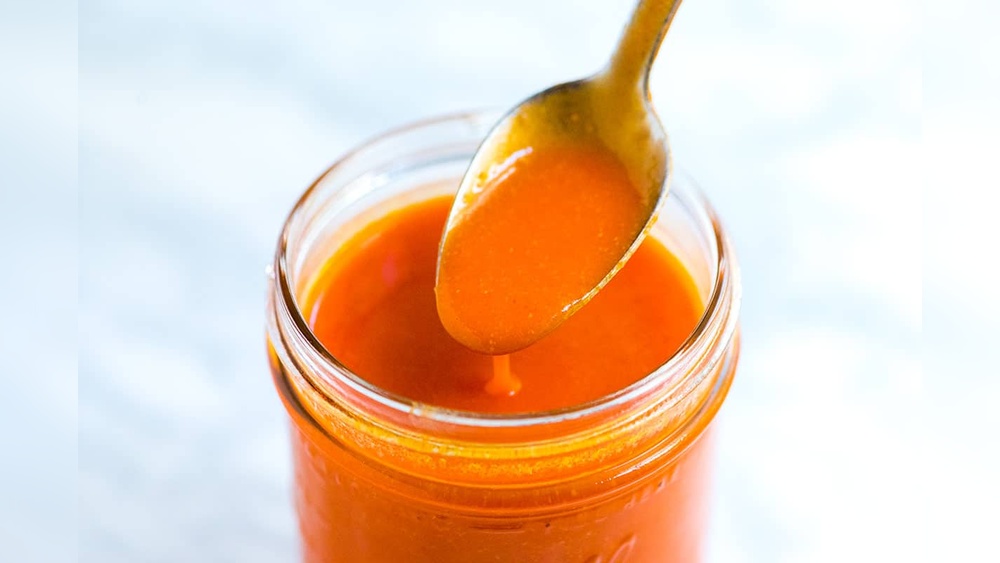
The vibrant, spicy kick of buffalo wing sauce is a culinary phenomenon. Whether slathered on crispy chicken wings, drizzled over nachos, or used as a dip for vegetables, its tangy heat is undeniably addictive. While countless bottles line supermarket shelves, the true aficionados know that the best buffalo wing sauce is often homemade.
Crafting your own allows for unparalleled control over the flavor profile, heat level, and texture, transforming a simple ingredient into a personalized masterpiece. This guide will walk you through the essential components, techniques, and variations for creating a truly exceptional buffalo wing sauce that will elevate any dish.
Key Takeaways
- The Classic Base: Frank’s RedHot is the quintessential base for authentic buffalo wing sauce, providing the perfect balance of vinegar tang and mild cayenne heat.
- Fat is Flavor: Melted butter is crucial for emulsifying with the hot sauce and vinegar, creating a rich, glossy sauce that coats wings beautifully.
- Heat Control: Adjusting the ratio of hot sauce to butter, or adding extra cayenne pepper, allows you to customize the spice level from mild to fiery.
- Flavor Enhancements: Beyond the core ingredients, consider adding garlic powder, Worcestershire sauce, or a touch of sweetness to deepen complexity.
- Texture Matters: Simmering the sauce can thicken it, while adding a cornstarch slurry offers a quicker thickening solution.
- Versatility Beyond Wings: Homemade buffalo sauce can be used in dips, sandwiches, salads, and as a marinade.
Understanding The Core Components Of Buffalo Wing Sauce
At its heart, authentic buffalo wing sauce is a surprisingly simple concoction. The magic lies in the perfect marriage of a few key ingredients, each playing a vital role in creating that iconic flavor. Understanding these components is the first step to mastering the art of homemade buffalo sauce.
The Essential Hot Sauce
The undisputed champion and foundational ingredient for genuine buffalo wing sauce is Frank’s RedHot Original Cayenne Pepper Sauce. This isn’t just a recommendation; it’s a near-sacred tenet among buffalo sauce purists. Developed in the 1920s, Frank’s RedHot boasts a unique blend of cayenne peppers, vinegar, garlic powder, and salt. Its flavor profile is characterized by a bright, vinegary tanginess that cuts through richness, coupled with a moderate, approachable cayenne heat. It’s this specific balance that allows it to act as the perfect canvas for other flavors and achieve the desired consistency when combined with butter.
While other cayenne pepper sauces exist, they often differ in their vinegar-to-pepper ratio, spice level, or added ingredients, which can alter the final taste and texture significantly. For example, a sauce with a higher concentration of vinegar might make the final product too sharp, while one with less vinegar might lack the characteristic tang.
The garlic powder in Frank’s RedHot also contributes a subtle aromatic depth that is hard to replicate with other brands.
The Role Of Butter
Butter is the second indispensable ingredient, acting as the emulsifier and flavor enhancer that transforms hot sauce into a true wing sauce. Unsalted butter is generally preferred, allowing for better control over the final saltiness of the sauce. When melted and combined with the hot sauce and vinegar, the fat in the butter mellows the sharp acidity of the vinegar and the direct heat of the peppers, creating a smoother, richer mouthfeel.
The emulsification process is key here. As the butter and hot sauce are whisked together, the fat molecules disperse into the water-based hot sauce, creating a stable, homogenous mixture. This gives the sauce its characteristic glossy sheen and allows it to cling beautifully to the surface of the chicken wings, rather than running off. The amount of butter used directly impacts the richness and viscosity of the sauce. More butter leads to a thicker, richer sauce, while less butter results in a thinner, tangier sauce.
The Vinegar Element
Vinegar is the unsung hero that provides the crucial tangy backbone of buffalo wing sauce. It’s the acidic component that cuts through the richness of the butter and the heat of the peppers, creating a complex flavor profile that is both bright and bold. The type of vinegar used can subtly influence the final taste.
- Distilled White Vinegar: This is the most common choice and for good reason. Its clean, sharp acidity is neutral and allows the flavor of the peppers and other seasonings to shine through without introducing competing flavors. It’s the most traditional choice for classic buffalo sauce.
- Apple Cider Vinegar: Offers a slightly fruitier and milder tang than white vinegar. It can add a subtle complexity, but might slightly alter the pure buffalo flavor profile.
- Rice Vinegar: A milder, less acidic option that can be used for a gentler tang.
The amount of vinegar is also critical. Too little, and the sauce will lack its signature zest. Too much, and it can overpower the other flavors, becoming unpleasantly sour. The ratio of hot sauce to vinegar is a delicate balance that contributes to the overall character of the sauce.
:max_bytes(150000):strip_icc()/219109-BuffaloChickenWingSauce_003-1d52c06b9d5c4edb96da8319026bce8f.jpg)
The Classic Buffalo Wing Sauce Recipe: A Step-by-step Guide
Mastering the classic buffalo wing sauce is the foundation upon which all other variations are built. This recipe focuses on the traditional method, yielding a sauce that is perfectly balanced in flavor, heat, and texture.
Ingredients You’ll Need
- 1/2 cup Frank’s RedHot Original Cayenne Pepper Sauce
- 1/2 cup unsalted butter, cut into cubes
- 1 tablespoon white vinegar (optional, for extra tang)
- 1/4 teaspoon garlic powder (optional, for added depth)
- Pinch of salt (adjust to taste, as Frank’s is already salted)
Step-by-step Preparation
- Melt the Butter: In a small saucepan over low heat, gently melt the cubed butter. Avoid high heat, as you don’t want the butter to brown or become oily. You’re looking for a smooth, liquid state.
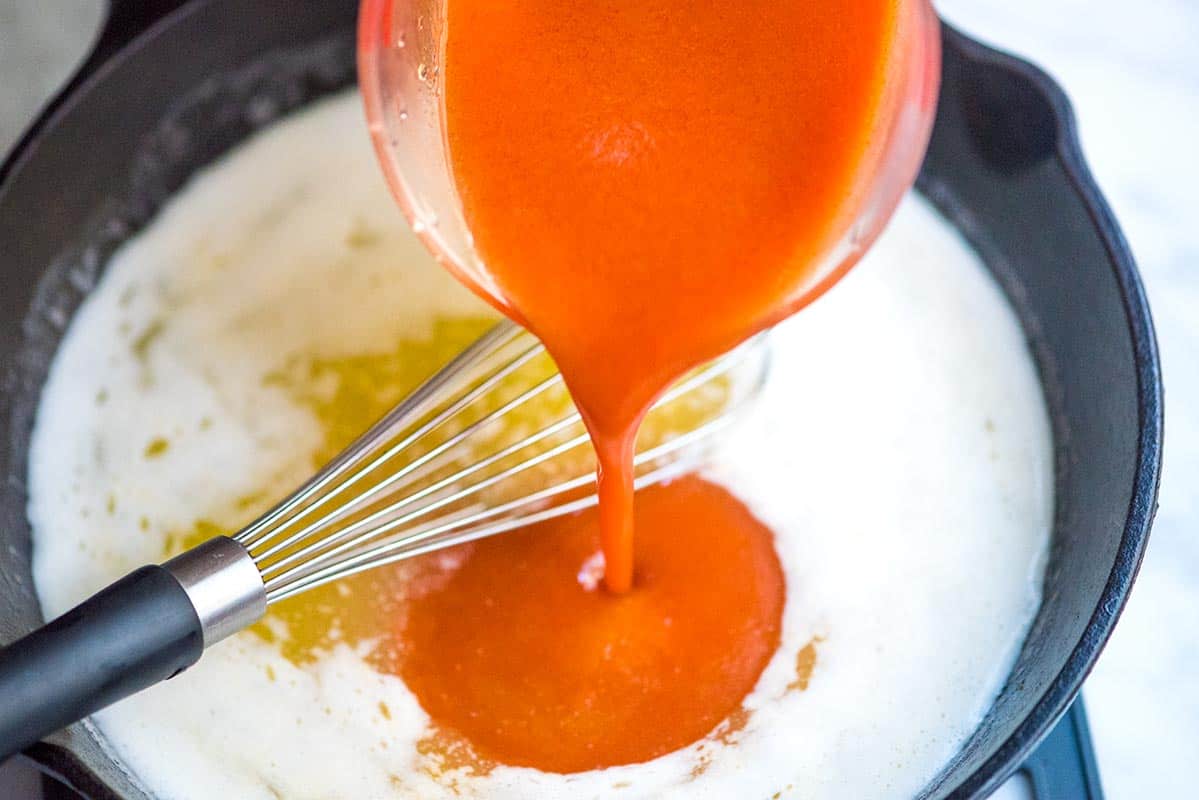
- Combine Ingredients: Once the butter is melted, remove the saucepan from the heat. Add the Frank’s RedHot sauce to the melted butter. If using, add the white vinegar and garlic powder at this stage as well.
- Whisk to Emulsify: This is the most critical step for achieving the right texture. Vigorously whisk the hot sauce and butter mixture. Continue whisking until the two liquids are fully combined and the sauce appears smooth, glossy, and uniform. This process, known as emulsification, creates a stable sauce that won’t separate. If the mixture looks like it’s breaking or separating, continue whisking gently over very low heat for a short period, or try adding a tiny bit more melted butter.
- Season to Taste: Taste the sauce. If you desire more saltiness, add a small pinch. If you want a bit more tang, add the optional white vinegar. If you prefer a milder heat, you can add a touch more butter.
- Simmer (Optional, for Thicker Sauce): For a slightly thicker sauce that adheres even better, you can return the saucepan to very low heat and let the sauce simmer gently for 2-5 minutes, stirring occasionally. Be careful not to boil it, as this can cause the butter to separate.
Proportions And Adjustments
The classic 1:1 ratio of hot sauce to butter is a fantastic starting point. However, feel free to adjust this based on your preference:
- For a Tangier Sauce: Increase the white vinegar slightly (e.g., to 1.5 or 2 tablespoons) or use slightly less butter.
- For a Richer, Milder Sauce: Increase the butter ratio (e.g., 3/4 cup butter to 1/2 cup hot sauce).
- For a Spicier Kick: While Frank’s RedHot is moderately spicy, you can amplify the heat by adding a pinch of cayenne pepper or a dash of a hotter sauce (use with caution! ).
Serving Suggestions
The most obvious application is, of course, tossing with cooked chicken wings. Ensure your wings are cooked to your desired crispness before tossing them in the warm sauce. Serve immediately. Beyond wings, this classic sauce is excellent as a dip for celery, carrots, or blue cheese, or as a flavor enhancer for sandwiches, burgers, and even popcorn.
Exploring Variations: Beyond The Classic
While the classic buffalo wing sauce is a masterpiece in its own right, the beauty of homemade sauce lies in its adaptability. Experimenting with different ingredients can lead to exciting new flavor profiles, catering to a wider range of palates and culinary applications.
Sweet & Spicy Variations
Adding a touch of sweetness can beautifully balance the heat and tang of buffalo sauce, creating a more complex and approachable flavor.
- Honey Buffalo: Incorporate 1-2 tablespoons of honey into the classic recipe. The honey adds a distinct sweetness and a slight stickiness that caramelizes beautifully when baked or fried onto wings.
- Brown Sugar Buffalo: A tablespoon of brown sugar can provide a deeper, molasses-like sweetness that complements the savory notes.
- Maple Buffalo: For a unique twist, use pure maple syrup. This adds a distinct flavor that pairs wonderfully with chicken and can be fantastic in glazes.
When adding sweeteners, it’s crucial to simmer the sauce for a bit longer to allow them to fully incorporate and to prevent the sugars from burning.
Smoky And Savory Enhancements
For those who love a deeper, more complex flavor profile, several ingredients can add a smoky or umami dimension.
- Smoked Paprika: A teaspoon of smoked paprika adds a wonderful smoky aroma and flavor without necessarily increasing the heat.
- Chipotle Peppers in Adobo: For a smoky heat, finely mince one or two chipotle peppers from a can of chipotles in adobo sauce and add them to the sauce. This will significantly increase the heat and introduce a distinct smoky flavor. Start with a small amount and adjust to your spice tolerance.
- Worcestershire Sauce: A dash (about 1 teaspoon) of Worcestershire sauce adds a complex layer of savory, tangy, and slightly sweet notes, enhancing the overall umami character of the sauce.
- Liquid Smoke: Use very sparingly (a few drops at a time) to impart a strong smoky flavor. Too much can easily overpower the sauce.
Creamy Buffalo Sauces
For a milder, creamier take on buffalo sauce, dairy or dairy alternatives can be incorporated.
- Ranch Buffalo: Whisk in 2-3 tablespoons of ranch dressing into the finished classic buffalo sauce. This creates a popular dip and wing sauce that is both creamy and tangy.
- Blue Cheese Buffalo: Similarly, incorporating crumbled blue cheese or a creamy blue cheese dressing can create a rich, tangy sauce.
- Sour Cream or Greek Yogurt: For a healthier, creamier option, whisk in sour cream or plain Greek yogurt after the sauce has cooled slightly. Be careful not to add it while the sauce is piping hot, as it could curdle.
International Twists
Buffalo sauce flavors can also be inspired by global cuisines.
- Asian-Inspired Buffalo: Add soy sauce, a touch of sesame oil, and perhaps a bit of ginger or Sriracha for an Asian fusion kick.
- Cajun Buffalo: Incorporate Cajun seasoning, a little extra garlic, and perhaps a bay leaf during simmering for a New Orleans flair.
When experimenting, always start with small additions of new ingredients and taste as you go. It’s easier to add more than to take away.
Achieving The Perfect Consistency And Texture
The texture of your buffalo wing sauce is as important as its flavor. A sauce that is too thin will run off your wings, while one that is too thick can be pasty. Achieving the perfect consistency involves understanding the role of heat, simmering, and thickening agents.
The Role Of Simmering
As mentioned, gently simmering the sauce after combining the main ingredients can help thicken it naturally. The heat causes some of the water content to evaporate, concentrating the flavors and slightly increasing the viscosity. This is the preferred method for subtle thickening and flavor melding.
- Duration: A gentle simmer for 2-5 minutes is usually sufficient for the classic recipe. If you’ve added sweeteners, you might need to simmer slightly longer (5-10 minutes) to ensure they are fully incorporated and to prevent a raw sugar taste.
- Stirring: Constant, gentle stirring is essential during simmering to prevent scorching, especially if sweeteners have been added.
Thickening Agents: When And How
If you desire a significantly thicker sauce, or if your sauce is thinner than you’d like after simmering, you can use thickening agents.
- Cornstarch Slurry: This is the most common and effective method for quickly thickening sauces.
- Ratio: Mix 1 teaspoon of cornstarch with 1 tablespoon of cold water until smooth.
- Application: Gradually whisk the slurry into the simmering sauce. Continue to simmer and whisk for another 1-2 minutes until the sauce thickens to your desired consistency. Be cautious not to add too much, as cornstarch can make the sauce gummy if overused.
- Flour Roux (Less Common for Buffalo): While a classic thickening method for gravies and stews, a flour roux (equal parts butter and flour cooked together) is less common for buffalo sauce as it can alter the flavor profile and color. If used, it should be made separately and then whisked into the sauce.
- Reducing the Sauce: Simply simmering the sauce uncovered for a longer period will allow more liquid to evaporate, naturally thickening it. This method takes longer but doesn’t introduce any new ingredients.
Factors Affecting Consistency
- Butter-to-Hot Sauce Ratio: As discussed, more butter generally leads to a thicker, richer sauce.
- Type of Hot Sauce: Some hot sauces are naturally thicker than others due to their ingredients and processing.
- Added Liquids: Ingredients like extra vinegar, Worcestershire sauce, or honey will add liquid and can make the sauce thinner initially, requiring more simmering or thickening.
In my experience, starting with the classic ratio and a gentle simmer is usually the best approach. You can always add a cornstarch slurry if needed, but it’s harder to thin out a sauce that has become too thick.
Data-driven Insights: Heat Levels And Flavor Profiles
Understanding the Scoville Heat Unit (SHU) scale and how different ingredients contribute to flavor complexity can elevate your buffalo sauce game. While precise SHU values can vary by batch and pepper varietal, we can establish general ranges for common ingredients.
The Scoville Scale And Buffalo Sauce Ingredients
The Scoville scale measures the pungency (spiciness) of chili peppers. Here’s a general idea of where common buffalo sauce ingredients fall:
| Ingredient/Component | Approximate SHU Range | Flavor Contribution |
|---|---|---|
| **Cayenne Pepper** | 30,000 – 50,000 | Primary heat source in Frank’s RedHot, mild-medium spice |
| **Frank’s RedHot Sauce** | ~450 SHU | Mild heat, balanced by vinegar and garlic notes |
| **White Vinegar** | 0 | Tanginess, acidity, sharp flavor |
| **Butter** | 0 | Richness, mouthfeel, emulsifier, mellows heat |
| **Garlic Powder** | 0 | Aromatic depth, savory notes |
| **Habanero Pepper** | 100,000 – 350,000 | Intense heat, fruity undertones (for extreme variations) |
| **Ghost Pepper (Bhut Jolokia)** | 850,000 – 1,041,427 | Extreme heat, complex flavor (use with extreme caution) |
| **Carolina Reaper** | 1,500,000 – 2,200,000 | World’s hottest (typically), intense heat, fruity notes |
Source: Based on general pepper and sauce data; specific SHU can vary. (For more on the Scoville scale, see Wikipedia’s Scoville scale page).
Flavor Complexity: Beyond Heat
While heat is a defining characteristic, the nuance of buffalo sauce comes from the interplay of other flavors:
- Acidity: Primarily from vinegar, it balances richness and cuts through fat.
- Fat Content: From butter, it provides a smooth mouthfeel and carries flavor compounds.
- Umami: Contributed by ingredients like Worcestershire sauce or even the aging process of the peppers themselves.
- Sweetness: From added sugars (honey, brown sugar), it rounds out the flavor profile and balances the heat.
- Aromatics: Garlic powder provides a foundational savory note.
Balancing The Elements: A Data-informed Approach
When creating your own sauce, consider the balance:
- For a balanced classic: A 1:1 ratio of Frank’s RedHot to butter provides a good starting point.
- Increasing heat: Add small amounts of hotter pepper flakes or sauces. For example, adding 1/4 teaspoon of cayenne pepper powder (30k-50k SHU) to a standard batch can noticeably increase the heat without drastically altering the flavor.
- Adding sweetness: Start with 1 tablespoon of honey or brown sugar per cup of sauce. This typically adds enough sweetness to round out the flavor without making it cloying.
- Enhancing tang: A teaspoon or two of extra vinegar can boost acidity.
Understanding these components allows for a more scientific approach to achieving your perfect buffalo sauce.
Creative Applications For Homemade Buffalo Sauce
While buffalo wings are the quintessential application, the versatility of homemade buffalo sauce extends far beyond the traditional appetizer. Its bold flavor profile can enhance a wide array of dishes, transforming ordinary meals into something extraordinary.
Dips And Spreads
- Buffalo Chicken Dip: This party favorite is a must-try. Combine shredded cooked chicken, cream cheese, ranch or blue cheese dressing, shredded cheddar, and your homemade buffalo sauce. Bake until bubbly and serve with tortilla chips or celery sticks.
- Buffalo Hummus: Stir a tablespoon or two of buffalo sauce into your favorite hummus recipe for a spicy, tangy twist.
- Creamy Buffalo Dip: Mix buffalo sauce with sour cream, cream cheese, or Greek yogurt for a quick and easy dip.
Sandwiches And Wraps
- Buffalo Chicken Sandwiches: Drizzle buffalo sauce over grilled or fried chicken breast before placing it on a bun with lettuce, tomato, and ranch or blue cheese dressing.
- Buffalo Shrimp Po’boys: Toss fried shrimp in buffalo sauce and serve on a crusty roll with shredded lettuce and a remoulade sauce.
- Spicy Veggie Wraps: Add a spicy kick to vegetarian wraps by adding a swirl of buffalo sauce to your favorite vegetable and protein fillings.
Salads And Bowls
- Buffalo Chicken Salad: Toss chopped grilled chicken with romaine lettuce, celery, carrots, blue cheese crumbles, and a creamy ranch or blue cheese dressing, then add a generous drizzle of buffalo sauce.
- Buffalo Grain Bowls: Add a spicy element to grain bowls (quinoa, rice, etc.) Topped with chicken or tofu, roasted vegetables, and a creamy avocado dressing.
Pizza And Flatbreads
- Buffalo Chicken Pizza: Use buffalo sauce as a base instead of traditional tomato sauce on pizza dough. Top with shredded chicken, mozzarella, red onion, and a drizzle of ranch or blue cheese dressing after baking.
- Spicy Flatbreads: Spread buffalo sauce on a flatbread, top with cheese and your favorite toppings (like grilled chicken or pulled pork), and bake until golden.
Other Creative Uses
- Marinade: Use buffalo sauce as a marinade for chicken, pork, or even firm tofu before grilling or baking.
- Glaze: Brush onto grilled meats or vegetables during the last few minutes of cooking for a flavorful glaze.
- Bloody Mary: Add a splash to your Bloody Mary for a spicy kick.
- Popcorn: Toss freshly popped popcorn with warm buffalo sauce for a savory, spicy snack.
The possibilities are nearly endless. The key is to think about where a tangy, spicy, and slightly rich sauce would complement other flavors. For instance, if you’re comparing different blenders for making smoothies, like the Ninja Foodi vs. Wantjoin Professional Blender, you might find that a spicy kick from buffalo sauce could be an interesting addition to a savory smoothie or a protein shake.
Storing And Reheating Your Homemade Sauce
Proper storage and reheating are essential to maintain the quality and flavor of your homemade buffalo wing sauce. Whether you’ve made a large batch for a party or a smaller amount for regular use, knowing how to preserve it is key.
Refrigeration
- Cooling: Allow the sauce to cool to room temperature before transferring it to an airtight container. Storing hot liquids in the refrigerator can raise the internal temperature, potentially spoiling other foods.
- Container: Use glass jars, plastic containers with tight-fitting lids, or even resealable plastic bags. Ensure the container is clean and dry.
- Duration: Properly stored homemade buffalo wing sauce typically lasts for 1 to 2 weeks in the refrigerator. The vinegar content acts as a natural preservative, but the butter can eventually go rancid. Always check for any off smells or signs of spoilage before using.
Freezing
- Best Practices: While
Leave a Reply