
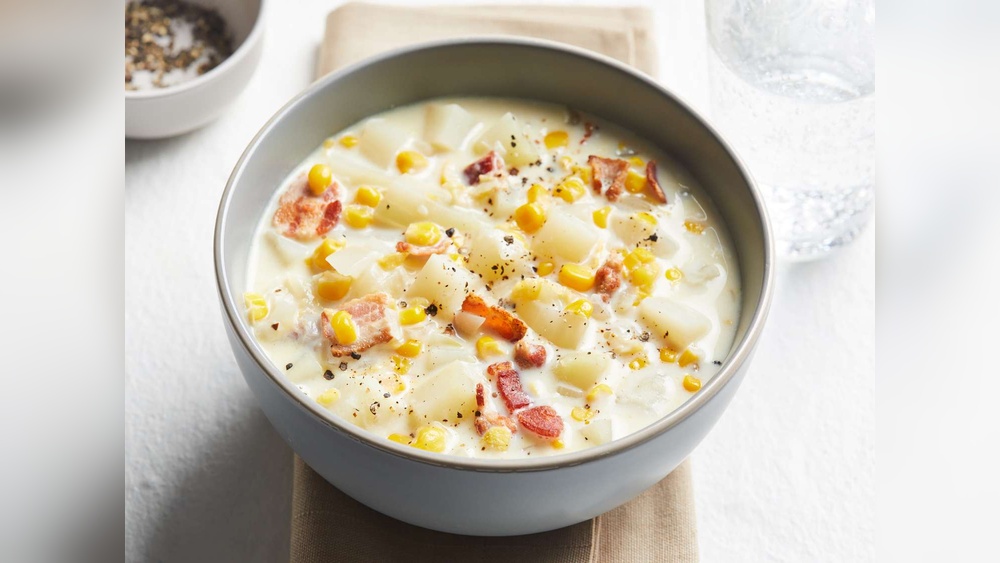
Creamy corn chowder is more than just a soup; it’s a comforting embrace in a bowl, a taste of home, and a versatile dish that can be as simple or as sophisticated as you desire. Its rich, velvety texture, punctuated by the sweet burst of corn kernels, makes it a perennial favorite, especially as the weather cools.
While the concept is straightforward, corn, broth, and a creamy element, achieving that perfect, luscious consistency and depth of flavor involves understanding a few key techniques and ingredient choices. This guide will walk you through the essential steps and variations to create a truly outstanding creamy corn chowder that will delight your senses and warm your soul.
Key Takeaways
- Foundation is Key: Start with a robust flavor base by sautéing aromatics like onions, celery, and garlic.
- Corn’s Dual Role: Use both fresh (or frozen) corn for sweetness and texture, and consider pureeing some corn to add natural creaminess and body to the chowder.
- Creaminess Sources: Explore various dairy and non-dairy options to achieve your desired level of richness, from heavy cream and milk to coconut milk or cashew cream.
- Flavor Enhancers: Don’t shy away from herbs, spices, and savory additions like bacon or cheese to elevate the chowder’s complexity.
- Thickening Techniques: Beyond pureeing corn, consider a roux, potatoes, or even a touch of cornstarch for extra thickness if needed.
- Garnish for Glory: Thoughtful garnishes can transform a simple chowder into a restaurant-worthy dish.

The Art Of Building Flavor: Aromatic Foundations
The journey to a delicious creamy corn chowder begins long before the cream is added. It starts with building a flavorful base through the careful sautéing of aromatics. This foundational step is crucial for developing the soup’s underlying depth and complexity.
Selecting Your Aromatics
The classic trio of onions, celery, and garlic forms the bedrock of most savory soups, and corn chowder is no exception.
- Onions: Yellow or sweet onions are ideal for their balanced flavor. They soften and become translucent when sautéed, releasing their natural sugars and adding a subtle sweetness. Dicing them finely ensures they meld seamlessly into the chowder.
- Celery: While often overlooked, celery adds a subtle, fresh, and slightly peppery note that complements the sweetness of the corn. It also contributes a pleasant texture. Aim for a fine dice, similar to the onions.
- Garlic: Minced garlic provides a pungent, savory kick. It’s important to add garlic towards the end of the sautéing process to prevent it from burning, which can impart a bitter taste.
In my experience, taking the time to properly soften these vegetables over medium-low heat is paramount. Rushing this step can result in raw-tasting aromatics that detract from the final dish.
The Sautéing Process
The technique of sautéing involves cooking ingredients in a small amount of fat over moderate heat. For corn chowder, this typically involves:
- Heating the Fat: Start by heating a tablespoon or two of butter or olive oil in a large pot or Dutch oven over medium heat. Butter adds a rich flavor, while olive oil offers a slightly fruitier note. Some recipes even call for starting with rendered bacon fat for an extra layer of smoky deliciousness.
- Adding the Onions and Celery: Once the fat is shimmering, add the diced onions and celery. Stir them frequently, allowing them to soften and become translucent without browning too much. This process can take about 5-7 minutes.
- Introducing the Garlic: Add the minced garlic and cook for another minute until fragrant. Be vigilant during this stage; garlic can burn very quickly.
This initial sautéing infuses the cooking fat with the essence of the aromatics, creating a flavorful foundation that will permeate the entire chowder.
Harnessing The Sweetness Of Corn: The Star Ingredient
Corn is, of course, the undisputed star of corn chowder. Its natural sweetness and satisfying texture are what make this soup so beloved. To achieve the best results, consider using a combination of corn preparations.
Fresh Vs. Frozen Corn
Both fresh and frozen corn kernels can be excellent choices, depending on the season and your preference.
- Fresh Corn: When in season (typically summer), fresh corn offers unparalleled sweetness and a vibrant flavor. You’ll need to shuck the ears and then cut the kernels off the cob. Some chefs even recommend scraping the cob after cutting off the kernels to release the milky “corn juice,” which adds extra flavor. For a 3000-word article, this might mean roughly 4-6 ears of corn.
- Frozen Corn: Frozen corn is a convenient and readily available option year-round. It’s typically frozen at its peak ripeness, preserving much of its flavor and sweetness. Look for high-quality frozen corn kernels. You’ll generally need about 4-5 cups of frozen corn.
The Power Of Pureed Corn
To achieve that signature creamy texture without relying solely on dairy, pureeing a portion of the corn is a brilliant technique. This method adds body, thickness, and an intensified corn flavor naturally.
- Separating Kernels: After cutting the kernels off the cob (or using frozen), set aside about 1-2 cups of the kernels.
- Pureeing: Place these reserved kernels in a blender or food processor. Add a small amount of the cooking liquid (broth or water) or a splash of milk to help them blend smoothly. Process until you have a coarse or smooth puree, depending on your desired texture.
- Adding to the Pot: Stir this corn puree back into the main pot of soup along with the remaining whole kernels. This will naturally thicken the chowder and enhance its corn essence.
This technique is a testament to how simple ingredients can be manipulated to create complex textures and flavors, aligning with the principles of culinary expertise.
Achieving Ultimate Creaminess: Dairy And Non-dairy Delights
The “creamy” in creamy corn chowder is non-negotiable for many. Fortunately, there are numerous ways to achieve that luscious, velvety consistency, catering to different dietary needs and flavor profiles.
Traditional Dairy Options
For a classic, rich chowder, dairy products are the go-to.
- Heavy Cream: This is the gold standard for richness and luxurious texture. Adding heavy cream towards the end of the cooking process ensures it doesn’t curdle and maintains its smooth consistency.
- Whole Milk: A good alternative to heavy cream, whole milk provides creaminess without being quite as decadent. You might need to combine it with another thickening agent if you desire a very thick chowder.
- Evaporated Milk: This shelf-stable milk has a richer, slightly caramelized flavor due to the evaporation process. It can add a lovely depth and creaminess.
- Half-and-Half: A blend of milk and cream, half-and-half offers a good balance of richness and lighter texture.
Pro Tip: Always temper dairy additions by gradually whisking a small amount of the hot soup liquid into the cream or milk before adding it back to the pot. This helps prevent curdling.
Exploring Non-dairy Alternatives
For those seeking dairy-free or vegan options, a variety of plant-based ingredients can deliver excellent creaminess.
- Coconut Milk (Full-Fat): Canned, full-fat coconut milk provides a rich, creamy texture. While it can impart a subtle coconut flavor, it often complements the sweetness of corn beautifully.
- Cashew Cream: Soaked raw cashews blended with water create a neutral-flavored, incredibly creamy base. This is a fantastic option for a truly decadent dairy-free chowder.
- Oat Milk (Unsweetened, Creamy Variety): Look for barista-style or extra creamy unsweetened oat milk. While lighter than coconut milk or cashew cream, it can contribute a pleasant smoothness.
- Silken Tofu: Blended silken tofu can add body and creaminess with a neutral flavor profile.
The choice of creamy element will significantly impact the final flavor and texture of your chowder. Experimenting with different options can lead to delightful discoveries.
:max_bytes(150000):strip_icc()/SEA-the-best-corn-chowder-recipe-hero-1df17c05fc8440aeaed24085b3ab83b2.jpg)
Elevating The Flavor Profile: Beyond The Basics
While corn and cream are essential, a truly memorable corn chowder benefits from additional layers of flavor. These additions can range from savory meats to fresh herbs and spices.
Savory Additions
- Bacon: Crispy, crumbled bacon is a classic addition that infuses the chowder with smoky, salty goodness. Reserve some of the rendered bacon fat to sauté the aromatics for an extra flavor boost.
- Ham: Diced cooked ham adds a savory, slightly salty, and meaty element that pairs wonderfully with corn.
- Chicken: Cooked, shredded, or diced chicken can transform the chowder into a heartier meal.
Herbs And Spices
- Thyme: Fresh or dried thyme offers an earthy, slightly floral note that complements corn beautifully.
- Chives: Finely chopped chives add a delicate oniony freshness, perfect as a garnish or stirred in at the end.
- Parsley: Fresh parsley provides a bright, clean flavor and a pop of color.
- Paprika: A pinch of smoked paprika can add a subtle smoky depth and a hint of warmth.
- Cayenne Pepper: For those who enjoy a touch of heat, a tiny pinch of cayenne pepper can provide a pleasant kick without overpowering the other flavors.
Other Flavor Boosters
- Chicken or Vegetable Broth: Use a good quality broth as the liquid base. Low-sodium options allow you to control the saltiness better.
- White Wine: A splash of dry white wine, added after sautéing the aromatics and cooked down, can add acidity and complexity.
- Cheese: Shredded cheddar cheese, stirred in at the end until melted, creates a wonderfully decadent, cheesy corn chowder.
The careful selection and combination of these elements can transform a simple soup into a culinary masterpiece.
Thickening Techniques: Achieving The Perfect Consistency
Beyond pureeing corn and using dairy, several other methods can be employed to achieve your desired chowder thickness.
The Roux Method
A roux, a mixture of equal parts fat and flour cooked together, is a classic thickening agent used in many soups and sauces.
- Melting Fat: Melt 2-3 tablespoons of butter in the pot after sautéing the aromatics.
- Adding Flour: Whisk in an equal amount of all-purpose flour until a smooth paste forms.
- Cooking the Roux: Cook the roux for 1-2 minutes, whisking constantly. This cooks out the raw flour taste.
- Adding Liquid: Gradually whisk in the broth, ensuring no lumps form. Bring to a simmer, and the roux will begin to thicken the liquid.
A roux provides a stable thickening that holds up well during reheating.
Potatoes As A Thickener
Starchy vegetables like potatoes can naturally thicken a chowder.
- Diced Potatoes: Add diced potatoes (like Yukon Gold or Russet) along with the broth. As they cook and break down slightly, they release starch, contributing to the chowder’s body.
- Mashed Potatoes: For an even thicker result, you can mash some of the cooked potatoes against the side of the pot or blend a portion of them with some of the soup.
Cornstarch Slurry
A cornstarch slurry is a quick and effective way to thicken liquids.
- Mixing: In a small bowl, whisk together 1-2 tablespoons of cornstarch with an equal amount of cold water or broth until smooth.
- Adding: Gradually stir the slurry into the simmering chowder.
- Simmering: Continue to simmer for a minute or two until the chowder thickens to your liking. Be careful not to overcook, as cornstarch can lose its thickening power if boiled for too long.
Choosing the right thickening method depends on the desired texture, flavor profile, and dietary considerations.
Essential Equipment For Creamy Corn Chowder
While a good pot and a knife are fundamental, certain kitchen tools can significantly enhance the process and outcome of making creamy corn chowder. Having the right equipment can make the difference between a good soup and a great one, ensuring efficiency and better results.
Pots And Pans
- Large Pot or Dutch Oven: A heavy-bottomed pot, such as a Dutch oven, is ideal for even heat distribution, preventing scorching and allowing for thorough sautéing and simmering. Aim for a capacity of at least 5-6 quarts to comfortably hold all the ingredients.
- Skillet: If you plan to cook bacon separately for garnish or to render fat for sautéing aromatics, a medium-sized skillet is useful.
Cutting Tools
- Sharp Chef’s Knife: A good quality chef’s knife is essential for cleanly dicing onions, celery, and other vegetables. A sharp knife is safer and more efficient than a dull one. For detailed vegetable prep, a 15-piece kitchen knife set can provide specialized tools, though a chef’s knife is often sufficient for chowder.
- Cutting Board: A sturdy cutting board provides a stable surface for chopping vegetables.
Blending Tools
- Blender (Standard or Immersion): As discussed, pureeing some of the corn is key to achieving creaminess. A standard blender works well, but an immersion blender (also known as a stick blender) can be very convenient, allowing you to blend directly in the pot, reducing cleanup. If you frequently make pureed soups or sauces, an immersion blender is a worthwhile investment. Models like those found in Ninja Foodi vs Wantjoin Professional Blender Comparison showcases the versatility of blenders for kitchen tasks.
- Food Processor: A food processor can also be used for pureeing corn or other vegetables.
Measuring And Stirring Utensils
- Measuring Cups and Spoons: Accurate measurements are important, especially when starting out.
- Wooden Spoon or Heat-Resistant Spatula: Essential for stirring ingredients, scraping the bottom of the pot, and ensuring even cooking.
Having these tools readily available makes the process of creating creamy corn chowder smoother and more enjoyable.
Building Your Perfect Creamy Corn Chowder Recipe: A Step-by-step Guide
Creating a delicious creamy corn chowder involves a series of well-defined steps. While variations exist, this core process ensures a flavorful and satisfying result.
Ingredients Overview
- Fat: 2 tbsp butter or olive oil (or bacon fat)
- Aromatics: 1 large onion, diced; 2 celery stalks, diced; 2-3 cloves garlic, minced
- Corn: 4-5 cups corn kernels (fresh or frozen)
- Liquid: 4 cups chicken or vegetable broth
- Creaminess: 1 cup heavy cream, half-and-half, or full-fat coconut milk (or a blend)
- Thickener (Optional): 1-2 potatoes, diced; or cornstarch slurry
- Seasoning: Salt and freshly ground black pepper to taste
- Optional Add-ins: Cooked bacon, diced ham, fresh herbs (thyme, chives), pinch of paprika
Step-by-step Instructions
- Sauté Aromatics: Heat the fat in a large pot or Dutch oven over medium heat. Add the diced onion and celery and cook until softened, about 5-7 minutes. Add the minced garlic and cook for 1 minute more until fragrant.
- Incorporate Corn: Add 3-4 cups of the corn kernels to the pot. Stir and cook for 2-3 minutes, allowing them to heat through and slightly soften.
- Add Liquid and Potatoes (if using): Pour in the chicken or vegetable broth. If using potatoes, add them now. Bring the mixture to a simmer.
- Simmer and Cook: Reduce the heat to low, cover the pot, and let it simmer for 15-20 minutes, or until the potatoes are tender (if used) and the flavors have melded.
- Puree Corn (for creaminess): While the soup simmers, take the remaining 1 cup of corn kernels and place them in a blender with about 1/4 cup of the hot broth from the pot. Blend until smooth or slightly chunky, depending on your preference.
- Combine and Thicken: Stir the pureed corn mixture back into the pot. If you are not using pureed corn or potatoes for thickening, and desire a thicker soup, prepare a cornstarch slurry (1-2 tbsp cornstarch mixed with 2 tbsp cold water) and stir it into the simmering soup. Cook for another 1-2 minutes until thickened.
- Add Cream: Reduce the heat to low. Gradually stir in the heavy cream (or your chosen creamy element). Heat gently until warmed through, but do not boil after adding the cream.
- Season: Season generously with salt and freshly ground black pepper to taste. Add any optional herbs like thyme or paprika at this stage.
- Serve: Ladle the hot chowder into bowls. Garnish with reserved corn kernels, crispy bacon, chopped chives, or a swirl of cream.
This structured approach ensures all elements are cooked correctly and flavors are balanced, leading to a consistently delicious creamy corn chowder.
Variations And Customizations: Making It Your Own
The beauty of creamy corn chowder lies in its adaptability. Once you master the basic recipe, you can easily tailor it to your preferences and dietary needs.
Spicy Corn Chowder
For those who love a little heat, incorporating chili elements can be a delightful twist.
- Jalapeños: Finely dice one or two jalapeños (seeds removed for less heat) and sauté them with the onions and celery.
- Chipotle Peppers in Adobo: Add a small amount (1-2 teaspoons) of chopped chipotle pepper and a little adobo sauce when you add the garlic. This provides a smoky heat.
- Hot Sauce: A few dashes of your favorite hot sauce stirred in at the end can provide a customizable kick.
Vegan Corn Chowder
Achieving a rich, creamy vegan corn chowder is entirely possible using plant-based ingredients.
- Fat: Use olive oil or vegan butter for sautéing.
- Broth: Vegetable broth is the obvious choice.
- Creaminess: Opt for full-fat coconut milk, cashew cream, or a creamy unsweetened oat milk.
- Flavor Boost: Nutritional yeast can add a subtle cheesy, umami flavor often associated with dairy.
Loaded Corn Chowder
Transform your chowder into a hearty, meal-worthy dish with substantial additions.
- Smoked Sausage: Sliced smoked sausage (like andouille or kielbasa) can be browned and added to the soup for a robust flavor.
- Shrimp: Plump shrimp, added during the last few minutes of simmering, cook quickly and add a delicate seafood note.
- Crab Meat: Flaked crab meat can be gently stirred in at the end for a luxurious, coastal-inspired chowder.
Lighter Corn Chowder
If you prefer a less decadent version, you can lighten it up without sacrificing flavor.
- Lower Fat Milk: Use skim or 2% milk instead of heavy cream.
- Broth Reduction: Simmer the soup uncovered for a longer period to allow some liquid to evaporate, concentrating flavors and slightly thickening the soup naturally.
- Pureed Vegetables: Incorporate pureed cauliflower or white beans along with the corn for added body and fiber.
The possibilities for customization are virtually endless, allowing you to create a signature corn chowder that perfectly suits your palate.
Serving And Garnishing: The Finishing Touches
The final presentation of your creamy corn chowder can elevate the dining experience. Thoughtful garnishes not only add visual appeal but also introduce complementary textures and flavors.
Classic Garnishes
- Crispy Bacon Bits: A sprinkle of crumbled, crispy bacon adds a salty, smoky crunch that contrasts beautifully with the creamy soup.
- Fresh Herbs: Finely chopped fresh chives, parsley, or cilantro provide a burst of freshness and color.
- Extra Corn Kernels: A few reserved raw or lightly sautéed corn kernels scattered on top add visual interest and a pop of sweetness.
Elevated Garnishes
- Croutons: Homemade or store-bought croutons offer a satisfying crunch. Consider garlic or herb-flavored croutons for added depth.
- Shredded Cheese: A sprinkle of sharp cheddar, Monterey Jack, or even a touch of crumbled cotija cheese can add a savory, melty element.
- A Drizzle of Cream or Oil: A swirl of heavy cream, crème fraîche, or a drizzle of good quality olive oil or chili oil can enhance the richness and visual appeal.
- Popcorn: For a playful and unexpected garnish, a small handful of lightly salted popcorn can add a unique textural element.
Pairing Suggestions
Creamy corn chowder is hearty enough to be a meal on its own, but it also pairs wonderfully with several accompaniments.
*
Leave a Reply